








Why the Cauca Attack Matters to the Coffee Industry
On July 10, a vehicle normally used by Colombian Vice President Francia Márquez was shot at in the southwestern Cauca region. She was not in the vehicle and no one was hurt. Authorities suspect a faction of the armed group known as the Central General Staff, which is linked to rising violence in Cauca and neighboring Valle del Cauca.
Both departments are significant coffee-producing regions of Colombia, with a combined annual output of about 140,000 tons, and they hold well-known estates that draw traders and coffee scouts. If military operations escalate into wider conflict, coffee production and export routes running through the Port of Buenaventura could be severely affected, which is why the coffee industry is watching the situation closely.
On July 10, the vehicle normally used by Colombian Vice President Francia Márquez was shot at in the southwestern Cauca region. Fortunately, she was not in the vehicle, and the incident caused no casualties. However, this attack once again exposed the long-standing violent conflict and complex security situation in the departments of Cauca and Valle del Cauca. Of great concern to the coffee industry is that these two departments are not only important coffee-producing regions in Colombia, with a combined annual output of about 140,000 tons, but are also home to well-known estates such as Paraiso, Inmaculada, and Cafe Grania de La Esperanza, making them destinations for numerous traders and coffee scouts. If the government escalates military operations and triggers large-scale conflict, local coffee production and export routes through the Port of Buenaventura could both be severely affected. Front Street Coffee will continue to monitor the subsequent impact of the incident on Colombia's coffee supply chain.
On July 10, local Colombian media reported that the country's security situation had deteriorated, with a vehicle regularly used by Vice President Francia Márquez coming under gunfire in the Cauca region of southwestern Colombia.
Colombian authorities said the incident occurred near the Cauca region, and the bullet that struck the vehicle may have come from a rifle. Fortunately, the vice president was elsewhere attending an event at the time and was not in the vehicle, and the incident caused no casualties.
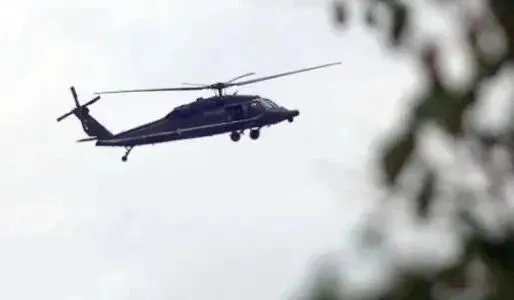
Although there were no casualties, the attack reflects the long-standing violent conflict and intricate security situation in the region. Other reports noted that a Colombian Army Black Hawk helicopter was hit while carrying out an operation against anti-government armed groups in Cauca, suffering serious damage to its airframe. There were no immediate reports of casualties among those on board, but two soldiers were injured in ground operations.

No group has yet claimed responsibility for the attack, but Colombian authorities pointed the finger at a faction of the anti-government armed group known as the Central General Staff (EMC), believing that the EMC continues to drive rising violence in Cauca and Valle del Cauca, making the area a key zone for the drug trade.
It is understood that Cauca, located in southwestern Colombia, has long been a center of activity for leftist anti-government armed groups, drug trafficking cartels, and right-wing paramilitary organizations. Due to the area's relatively complex terrain, the Colombian government's effective control over the region is limited.
In recent years, the Colombian government has signed peace agreements with some rebel groups, but violence in Cauca and Valle del Cauca has still not been completely quelled, and in some areas has even intensified. As early as early June, Valle del Cauca was placed under a maximum alert status due to frequent unrest caused by armed militants.
It is worth noting that Cauca and Valle del Cauca, where this incident occurred, are also important coffee-producing regions in Colombia, with the two departments together producing about 140,000 tons of coffee annually. In addition, these two producing regions are home to many well-known estates, such as Paraiso, Inmaculada, and Cafe Grania de La Esperanza, attracting large numbers of coffee traders and coffee scouts to the area.
Earlier, the National Federation of Coffee Growers of Colombia (FNC) reported that Colombia's coffee production reached 5.82 million bags (60 kg/bag) in the first half of this year, up 16% year on year. Coffee exports also rose 15%, the best performance in recent years.
As for this incident, the Colombian government may strengthen military operations in the region. Once large-scale armed conflict breaks out, it could deal a severe blow to the coffee industry in this producing region, leading to lower coffee output. In addition, Colombia's important export port, the Port of Buenaventura, is located in Valle del Cauca and accounts for 32% of Colombia's national export volume. Much Colombian coffee is also exported through this port. Once conflict breaks out, it could damage infrastructure such as roads in the region and ultimately affect exports.
Moreover, the attack on the vice president's convoy has drawn widespread attention. The United Nations, the United States, and the European Union have all expressed support for the Colombian government, saying that peace and stability in Colombia are crucial to all of Latin America and supporting Colombia's efforts to combat violent crime. China's permanent representative to the United Nations also said that China supports the Colombian government and relevant armed groups in resolving differences through negotiation.
The above content is compiled by CoffeeHunters, a coffee news website.


