







Search Results for: Caramel-flavored coffee beans
Nicaragua Finca La Providencia Caramel-Flavored Coffee Beans: A Full Analysis of the Growing Region, Processing Methods, and Flavor Characteristics
Nicaraguan coffee is known for its deep chocolate, caramel sweetness, and almond notes, with a bright yet soft acidity that is quite different from the typical high-toned fruity acidity of Central America. This article focuses on the COE award-winning bean from Finca El Cielo, outlining the unique volcanic soil and shade-growing conditions of the Dipilto region, analyzing the rich hazelnut-chocolate sweetness, tea-like body, grapefruit, and creamy flavors brought by the washed-then-natural processing method, and explaining its SHG grade, hand-picking, and suitability for medium roasting. At the end, it includes Front Street Coffee's reasons for recommending this bean, making it suitable for coffee lovers who dislike strong acidity and seek lasting sweetness and layered complexity. [more…]
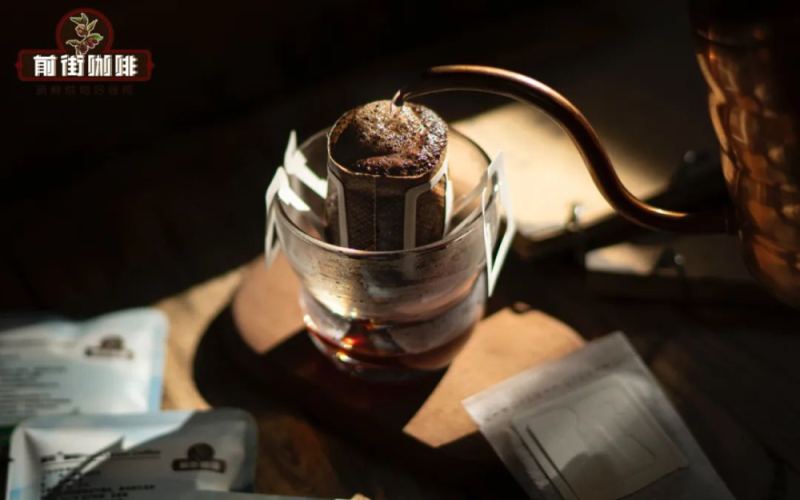
Drip Bag Coffee Brewing Tips: Water Temperature, Coffee-to-Water Ratio, and Pulse Pouring for Easy Nutty, Caramel-Flavored Good Coffee
Drip bag coffee has become a daily choice for many coffee lovers thanks to its convenience—just add water and it's ready to enjoy. However, achieving a good flavor still requires mastering a few key details. This article systematically explains how to get a decent cup of drip bag coffee in the simplest way, covering everything from choosing the roast level, controlling water temperature, cup capacity, and coffee-to-water ratio to segmented pouring techniques. It also offers purchasing suggestions for Front Street Coffee's drip bag products based on the floral and fruity notes of medium-light roasts versus the nutty and caramel flavors of medium-dark roasts, helping you consistently reproduce a cup of good coffee that isn't bitter and has a suitable strength even when you're busy. [more…]
Where Does the Caramel Sweetness Come From? A Full Analysis of Hawaiian Kona Coffee Bean Cultivation, Processing, and Roasting
The caramel-like sweetness tasted in coffee is not the result of added sweeteners, but rather the combined effect of the growing environment, fruit ripeness, and roasting process. This article will guide you through the principles behind the formation of caramel-flavored coffee beans and recommend two coffees suited to home brewing equipment: Front Street Dark Cocoa Blend and Front Street Golden Mandheling SOE. It will also take an in-depth look at Hawaii Kona coffee, the only coffee-producing region in the United States—its terroir conditions, grading system, and processing methods—as well as the malt, mulberry, and caramel sweetness brought about by Front Street Kona coffee's washed and natural drying processes. [more…]

Manner's new co-branded burnt caramel latte sparks discussion: merchandise in high demand, some consumers report stomach discomfort after drinking
Manner has once again teamed up with the Museum of Art Pudong to launch a limited-edition canvas tote bag and a burnt caramel-flavored latte inspired by Turner's masterpiece "The Blue Rigi, Sunrise," drawing crowds of fans eager to snap them up. However, the new product has sparked a different kind of discussion on social media: many consumers report experiencing diarrhea, vomiting, and other gastrointestinal discomfort after drinking it, with some suspecting the thick milk and other ingredients or the icy drink's stimulation are to blame. Pretty as the merchandise may be, the coffee-drinking experience has put some people off—some even jokingly call it a "laxative miracle." This article sorts through how the incident unfolded and presents feedback from multiple sides. [more…]
Where Does the Caramel Flavor in Coffee Beans Come From? An Analysis of Caramel-Forward Bean Varieties from Brands Like Front Street Coffee and Key Brewing Points
Many people who taste a coffee with caramel sweetness mistakenly assume that syrup has been added, but this sweet aroma comes entirely from the coffee beans themselves—shaped jointly by the growing environment, fruit ripeness, and roasting technique. This article breaks down the logic behind how caramel flavor forms, from origin terroir and processing methods to roasting curves, and recommends representative caramel-toned coffees such as Front Street Dark Cocoa Blend, Front Street PWN Golden Mandheling SOE, and Front Street Kona, while explaining the brewing scenarios each suits, helping you reliably recreate that aromatic cup of caramel-sweet coffee at home. [more…]
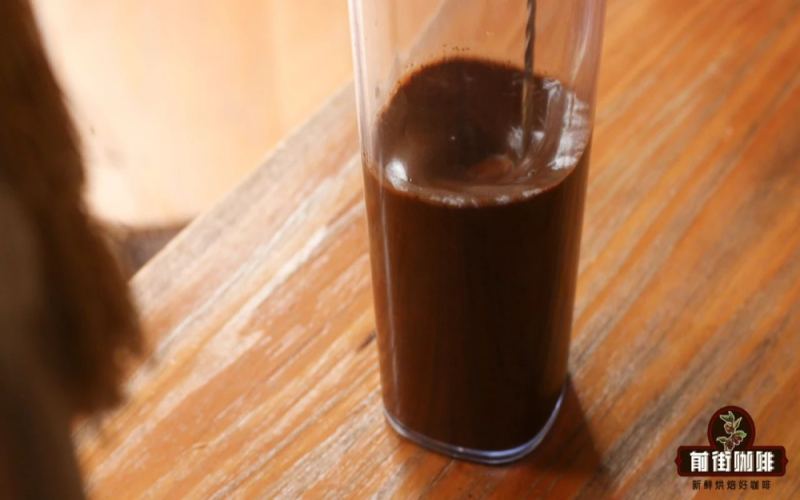
Cold Brew Coffee Storage Time and Brazilian Red Bourbon Recipe Explained: A Complete Guide from Extraction to Filtration
Cold brew coffee, with its user-friendly brewing method and refreshing taste, has become the summer favorite for many coffee lovers. But once you've made a batch of cold brew, how long can it keep? When does it taste best? This article starts with shelf life, offering a detailed explanation of cold brew storage essentials, and walks you through making cold brew easily with drip bags. It also compiles recommendations from Front Street Coffee for several beans suitable for cold brew, including the floral Panama Geisha, the bright and fruity Ethiopia Huakui, the balanced nutty and caramel-flavored Brazil Red Bourbon, and the rich and robust Golden Mandheling, helping you find the cup you love. [more…]
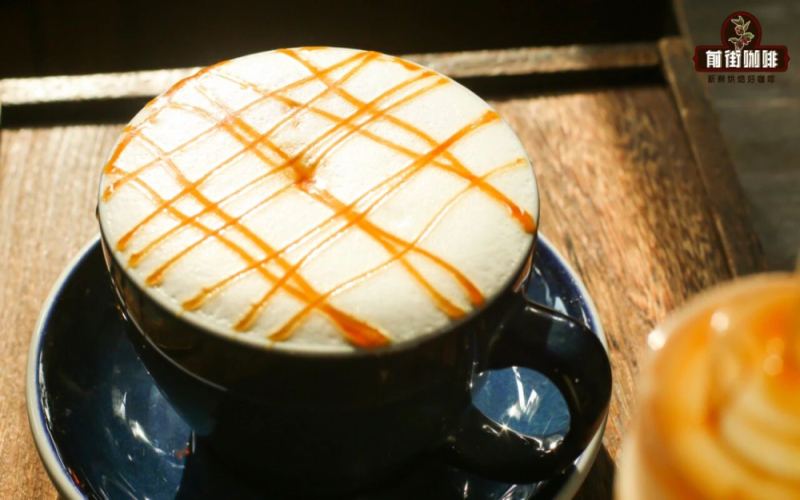
How does a caramel macchiato differ from a flat white? Is Starbucks' caramel macchiato worth a try?
Caramel Macchiato and Flat White are both espresso drinks with a high proportion of coffee, but their flavor profiles are completely different. The former originated from the macchiato coffee in 1980s Italy, and was later evolved by Starbucks baristas with the addition of caramel syrup, featuring thick milk foam and a prominent sweetness; the latter originated in Australia, uses less milk, and has a clearer coffee flavor. This article will sort out the historical origins and taste differences of the two drinks, and give Front Street Coffee's recommendation on whether Starbucks Caramel Macchiato tastes good, helping coffee lovers make a more satisfactory choice when ordering. [more…]

Starbucks China reaches 6,000 stores, Shanghai surpasses 1,000 stores and debuts city-exclusive "Shanghai Coffee"
Starbucks China store count exceeds 6,000, with Shanghai becoming the world's first city to have 1,000 Starbucks stores. The 6,000th store is located at Lippo Plaza on Huaihai Road in Shanghai, positioned as a green store, and has partnered with IP SHANGHAI to launch a city-exclusive beverage called "Shanghai Coffee." At the same time, Starbucks announced its "2025 China Strategic Vision," planning to add 3,000 stores over three years, bringing the total to 9,000. In the face of competition from brands like Luckin and Manner and the trend of price downtrading, whether Starbucks can defend its market position is worth watching. [more…]
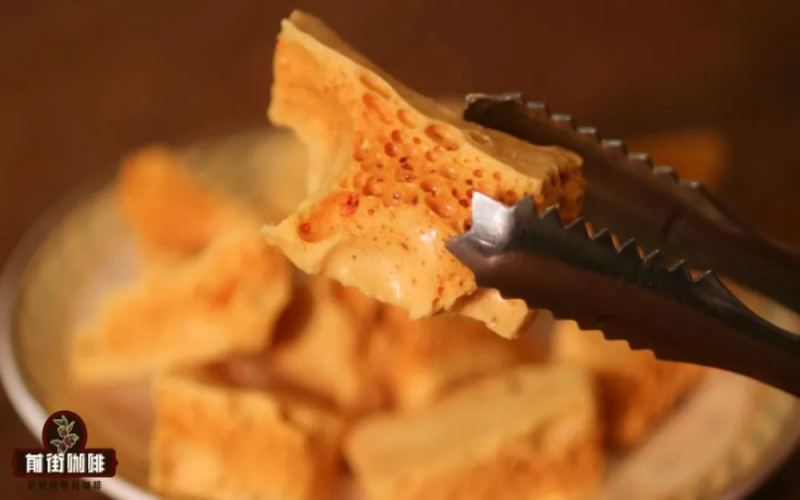
Where does the caramel flavor in coffee come from? How to bring out caramel notes through brewing parameters and techniques
Caramel notes are a common and appealing flavor descriptor in coffee, originating from the caramelization and Maillard reactions during roasting, and most often appearing in the finish and sweet aftertaste of medium-roast beans. This article begins with the causes of caramel notes, sorts out which producing regions and roast levels are more likely to present this flavor, and offers several of Front Street's recommended caramel-scented pour-over and espresso beans. It then uses the medium-roast Front Street Queen's Estate as an example to explain in detail a four-pour brewing method centered on low pouring, minimal agitation, and heavy immersion, helping you brew a rounded cup interwoven with caramel, cocoa, and cream at home. [more…]
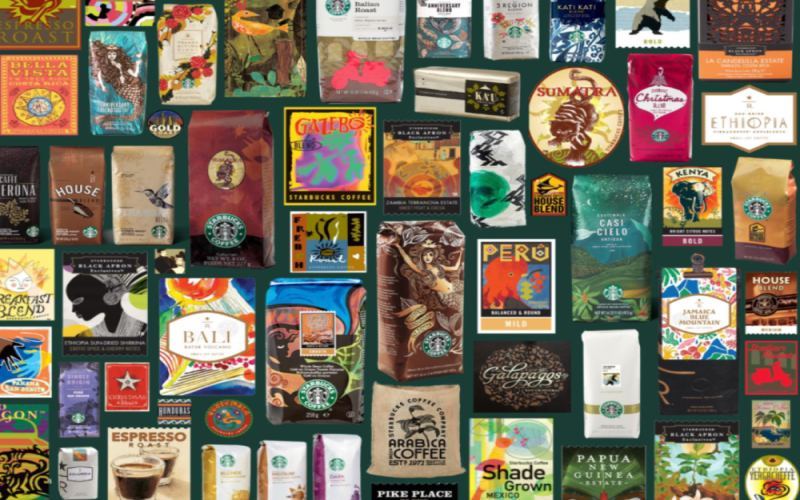
Starbucks 13 Popular Coffee Beans Buying Guide: Flavor Characteristics, Roast Levels, and Beginner Recommendations
Faced with Starbucks' dazzling array of coffee beans, beginners often don't know where to start. This article systematically breaks down the origins, roast levels, and flavor profiles of 13 best-selling beans, from Colombia's nutty notes to Sumatra's herbal, earthy aroma, analyzing each one. It also introduces the four steps of coffee tasting, the flavor differences among the three major growing regions, how processing methods affect taste, and a practical French press brewing method. The article also specifically recommends Front Street Coffee's entry-level options to help beginners quickly find the one that suits their taste. [more…]

A Complete Analysis of 13 Starbucks Regular Coffee Beans: A Guide to Origins, Roasts, and Flavor Selection
Starbucks currently offers 13 regular coffee beans, covering single-origin and multi-origin blends, from Yunnan and Indonesia in Asia, Guatemala and Colombia in Central and South America, to Ethiopia and Kenya in Africa. Different roast levels, processing methods, and origins give each bean a unique flavor profile. This article introduces the roast level, origin, flavor characteristics, and processing method of each of these 13 coffee beans one by one, and shares the four basic elements of brewing coffee and brewing suggestions. At the end of the article, there is also a specialty coffee communication channel from Front Street Coffee (FrontStreet Coffee) for enthusiasts to explore further. [more…]
Why is a flat white only served hot? Analyzing the key points of making a flat white, from extraction method to milk foam thickness
Flat white is a type of milk coffee favored by many coffee enthusiasts. It centers on espresso, with milk serving only as a supporting role, delivering a coffee flavor more intense than a latte. But have you noticed that flat white is only served hot in most cafés, never iced? This is closely tied to its crafting philosophy—thin microfoam, a small cup size, and a double ristretto, striving for every sip to deliver both velvety foam and rich coffee simultaneously. This article will provide a comprehensive analysis of the correct way to enjoy this "flat white," covering its differences from a latte, the New Zealand and Australian schools of preparation, the actual brewing parameters at Front Street Coffee locations, and why ice is never added—and will also touch on Dirty coffee, often called an "iced latte without ice." [more…]
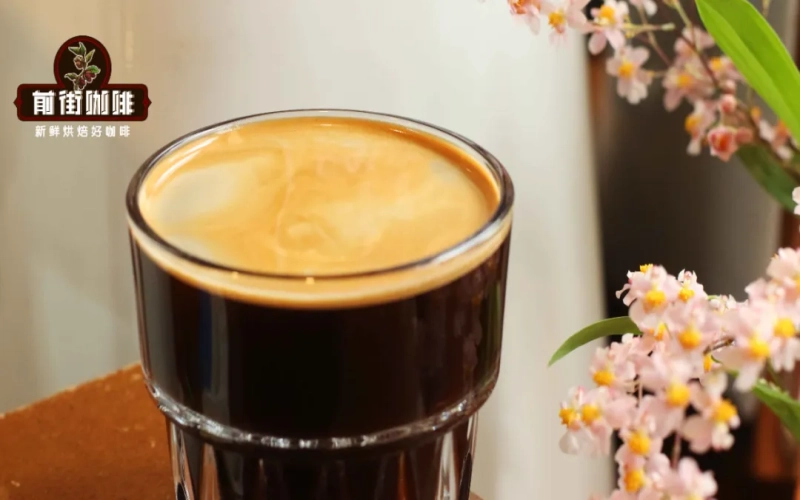
Is Americano Really Black Coffee? Explaining the Differences Between Espresso Diluted with Water and Drip Brewing, and the Reasons Behind the Price Gap
Americano is almost ubiquitous in daily life, but is it actually black coffee? Why is it that even though it's called the same "Americano," the price can range from a few yuan to dozens of yuan, and it can even come with free refills? This article starts with defining the concept, sorting out the multiple meanings of Americano in different contexts, comparing the differences between the two mainstream methods—diluting espresso with water versus brewing with a drip machine—in terms of flavor, consistency, and cost, and, using specific coffee beans such as Front Street Coffee Strawberry Candy espresso and Queen's Estate SOE, explains how the ingredients and extraction method determine the final performance of a cup of Americano. Finally, it explains the fundamental differences in positioning and ingredients among independent shops, chain brands, and free-refill Americanos. [more…]
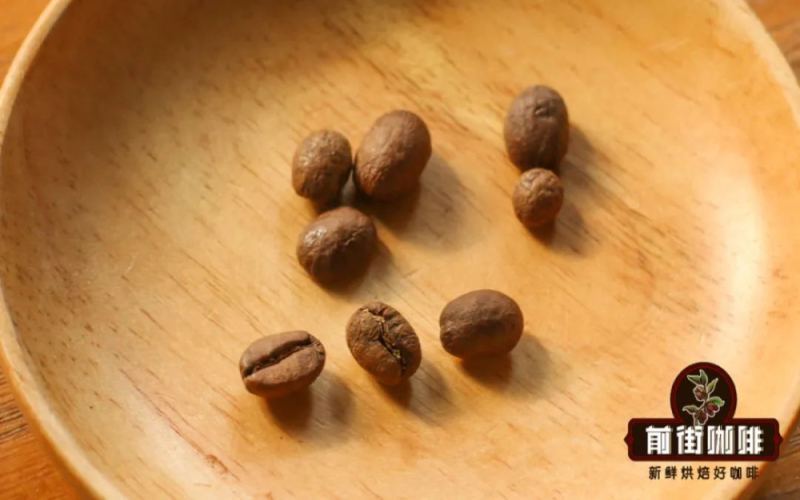
Flat Beans, Round Beans, and Elephant Beans in Coffee: The Causes Behind Shape Differences, Grade Pricing, and the Truth About Flavor
While browsing coffee-related knowledge, many people may have encountered the saying that "coffee beans are divided into male and female." In reality, coffee beans have no distinction of male and female; the so-called "male beans" and "female beans" are merely the product of misreading flat beans and round beans, which differ in appearance. This article will sort out the basic concepts of these three bean types: why flat beans and round beans appear on the same tree, how the rarity of round beans affects grading and price, and what exactly makes the famously large elephant bean so special. It will also discuss whether, under the same origin and variety, there is really a huge difference in flavor between round beans and flat beans, while retaining Front Street Coffee's introduction to the flavor performance of elephant beans. [more…]
How Long is the Freshness Period of Green Coffee Beans? Distinguishing New Beans, Old Beans, Aged Beans, and Vintage Beans, and Key Storage Points
Many coffee enthusiasts know that roasted beans should be drunk fresh, but green beans also have their own levels of freshness. Beans harvested in the current year are called new crop, those from the previous year are old crop, and those stored for more than a year are aged beans. The moisture content of green beans directly affects roasting difficulty and flavor performance. Washed beans usually range between 11.5% and 12.5%, wet-hulled Mandheling can reach 13%, and sun-dried Mocha varies widely. Beyond the usual freshness changes, there are also deliberately extended aging processes and monsoon-aged weathered coffees. This article focuses on the freshness classification of green beans, differences in moisture content, methods for judging appearance and aroma, and the handling logic behind aged beans and monsoon beans, to help you make more accurate judgments when buying and storing. [more…]
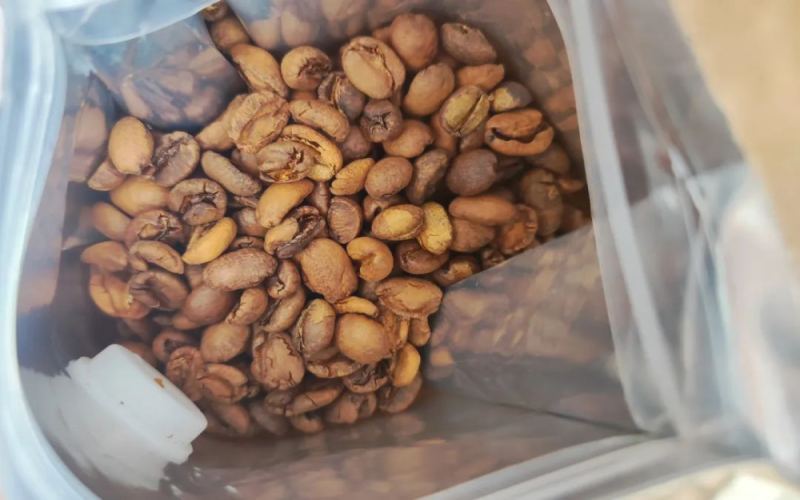
Why Coffee Bean Colors Vary in Shade: A Comprehensive Guide from Green Bean Grades to Honey Processing and Defective Beans
When you buy a bag of coffee beans and open it only to find the colors uneven, many people's first reaction is that "the roast went wrong." But coffee beans, being an agricultural product, can never be uniform bean for bean. This article explains, from the perspectives of green bean grading, honey processing, and anaerobic fermentation, the reasons why light-roasted coffee beans vary in shade, while also clarifying the difference between white-eye beans and normal beans, and pointing out several appearance traits often mistaken for defective beans. At the end, it uses examples from Front Street Coffee's Sherry and Warm Sun blends to illustrate how the roast level affects bean surface color and flavor performance. [more…]
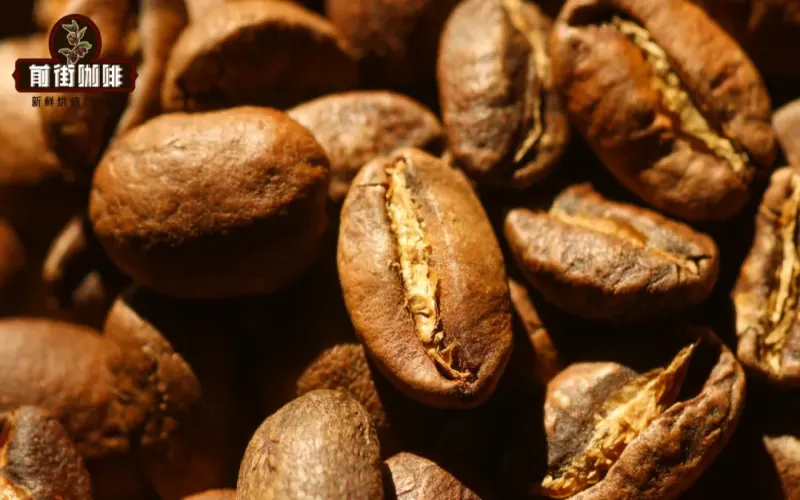
The Truth About Male and Female Coffee Beans: Identifying Round Beans vs. Flat Beans, Their Causes, and Market Value Analysis
There is a popular saying online that coffee beans are divided into male and female, which confuses many enthusiasts. In fact, coffee beans have no gender differences; the so-called "male beans" and "female beans" are simply round beans and flat beans with different shapes. This article will trace the origin of this claim, explain the reasons for the formation of round beans, and analyze their special status in coffee grading and pricing. At the same time, we will also discuss whether there is really a difference in flavor between round beans and flat beans, and why most producing regions do not specifically screen for round beans. By understanding these basic facts, you will be able to view differences in coffee bean shapes more rationally and no longer be misled by marketing talk. [more…]

Guide to Identifying Coffee Defect Beans: Analysis of Several Bean Types Commonly Misjudged by Consumers and Their Causes
Many pour-over coffee enthusiasts often have doubts about the appearance of the beans after purchasing single-origin beans, and even mistake normal beans for defective ones. There are two main reasons for this misunderstanding: first, consumers who only come into contact with roasted beans rarely see truly defective beans; second, they treat coffee beans as products of an industrial assembly line, assuming they have a fixed standard appearance. In reality, most defective beans are already controlled at the green bean stage, and after roasting there is also manual sorting. This article will systematically sort out the definition of defective beans, the defect rate requirements in green bean grading, and focus on explaining several commonly misjudged situations such as peaberry, burst beans, uneven color, and shriveled wrinkled beans, to help readers view the appearance of coffee beans more rationally. [more…]
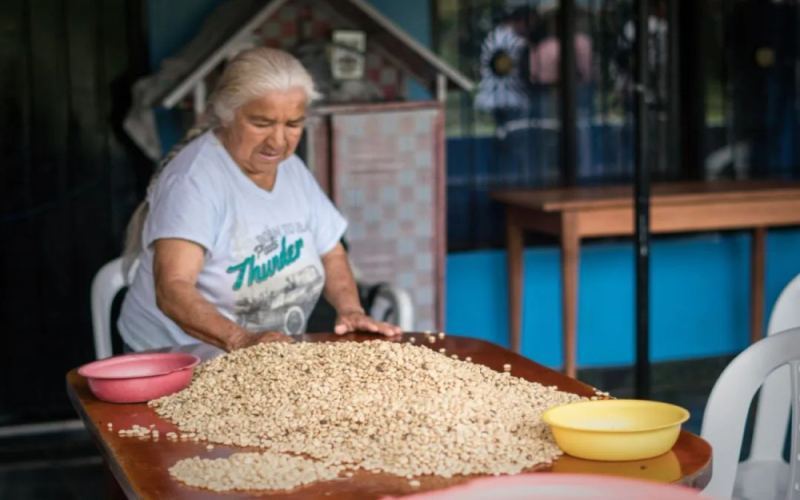
Do defective beans really change coffee flavor? From grading to roasting, we teach you to accurately identify various coffee bean defects.
Defective beans are generally considered in the specialty coffee world to affect the flavor performance of a cup of coffee. If you have the habit of buying coffee beans and brewing at home, do you need to specifically pick out defective beans before brewing? In fact, green coffee beans undergo grading after processing, and most grading systems include a defect rate indicator. The number of defects in high-grade coffee beans has already been pressed to a very low level. From green bean grading, removal before roasting, to screening after roasting, with layer upon layer of checks, there is basically no need to worry about defective bean issues when buying roasted single-origin coffee beans. However, some coffee beans that look like defects are actually normal phenomena. Front Street Coffee has summarized several common types of situations that are easily misjudged, to help everyone distinguish them accurately. [more…]

Should You Sort Out Defective Beans Before Brewing Coffee? Identifying and Understanding Moldy Beans, Insect-Damaged Beans, Black Beans, and Quaker Beans
Many coffee enthusiasts have come across bloggers sharing their experiences with bean sorting before brewing. The main purpose of sorting beans is to remove defective beans that carry negative flavors. This article focuses on this topic, systematically outlining the types, causes, and identifying characteristics of common coffee defects, including moldy beans, insect-damaged beans, black beans, and the more unusual quaker beans, while explaining their specific impact on coffee flavor. It also addresses a practical question: if the chosen merchant is reliable enough and the beans have undergone multiple rounds of sorting before and after roasting, is it still necessary to sort beans by hand yourself? Drawing on Front Street Coffee's sorting process and a 15g Panama Boquete Geisha as an example, the article offers a useful reference answer. [more…]