







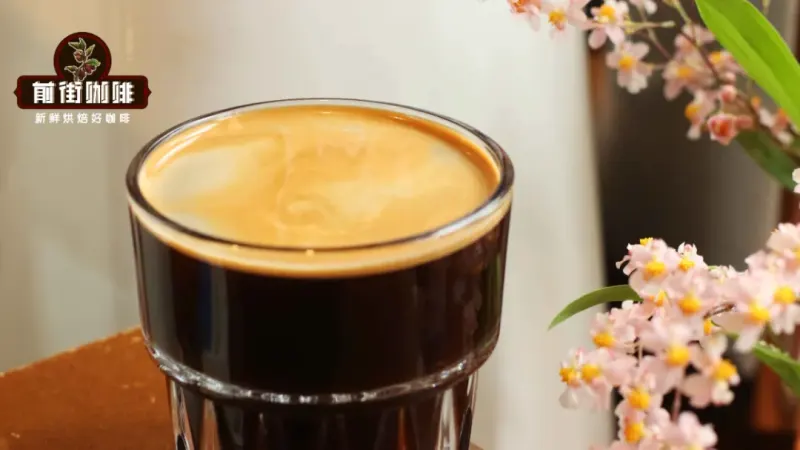
Americano is almost everywhere in daily life, but is it actually black coffee? Why is it that, despite all being called Americano, the price can range from a few yuan to dozens of yuan, and some places even offer free refills? This article starts with defining the concept, sorting out the multiple meanings of Americano in different contexts, comparing the two mainstream approaches—diluting espresso with water versus making it with a drip coffee maker—in terms of flavor, consistency, and cost, and, using specific coffee beans such as Front Street Strawberry Candy Espresso and Queen's Farm SOE, explains how the ingredients and extraction method determine the final performance of a cup of Americano. Finally, it explains the fundamental differences between independent shops, chain brands, and free-refill Americanos in terms of positioning and materials used.
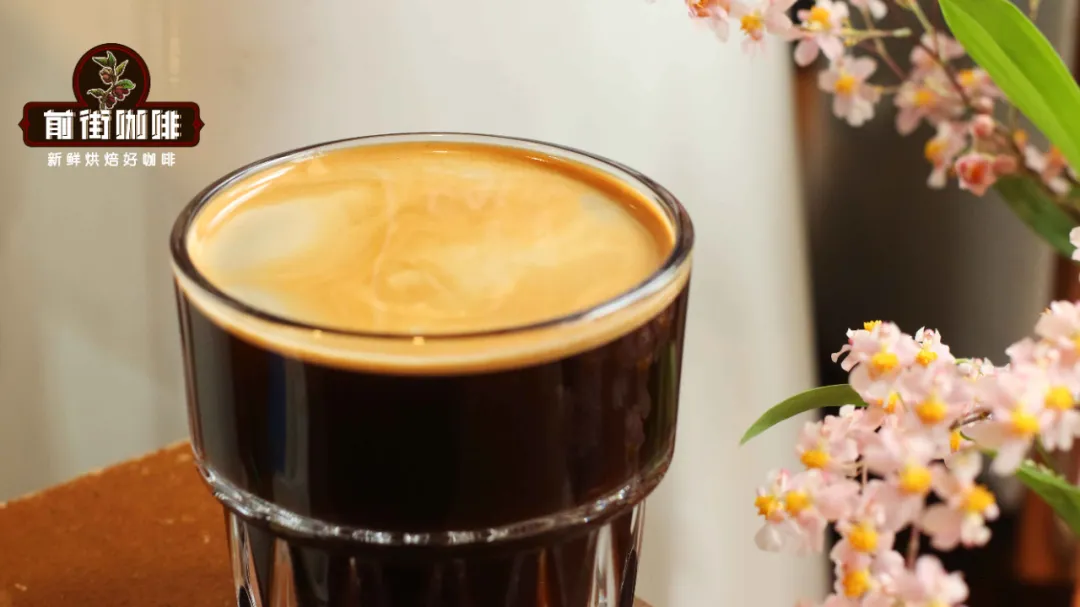
Every morning, many office workers are used to relying on a cup of coffee to pull themselves out of drowsiness—on the one hand to wake themselves up, and on the other to go with breakfast. Among the many choices, the one most often ordered is probably that dark-colored, “murky black”-looking Americano.
However, different coffee shops vary greatly in positioning, ingredients, and business approach, so their prices naturally range widely. If you pay a little attention, you’ll notice that a cup of Americano may cost only a single-digit amount, or it may cost dozens of yuan, and some shops are even willing to let you have unlimited refills. With such a huge price gap, what differences in method and taste are actually hidden behind them?
What exactly can Americano refer to?
Front Street has noticed that, compared with lattes, Americano is actually a rather broad concept, and its boundaries have always been quite blurry.
In many people’s understanding, Americano can be a low-concentration coffee made by diluting a large amount of espresso with water; it can also be a lighter version of any kind of black coffee. For example, some people call coffee made with a French press “Americano,” some think that coffee liquid made with a moka pot mixed with water also counts as “Americano,” and some friends are used to directly calling black coffee from a drip machine “Americano.” Precisely because the word “Americano” is used so broadly, whenever a customer comes to buy coffee beans, Front Street always first confirms one thing: which kind of Americano are you planning to make?
Recommendation for non-bitter Americano coffee beans — Front Street Strawberry Candy Espresso Blend
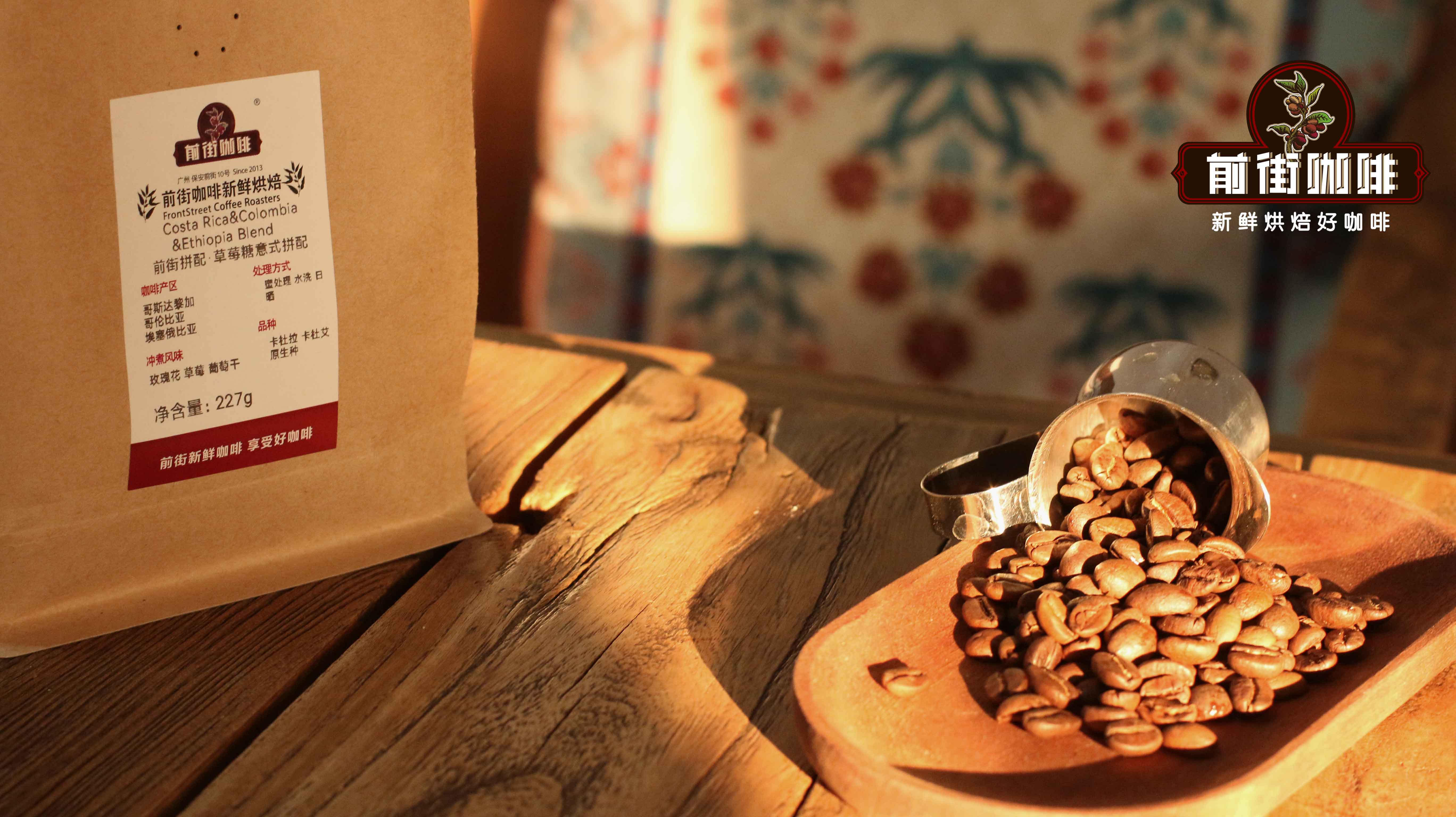
If you want to make an espresso with floral and fruity notes, you should mainly choose medium roast beans. Front Street Strawberry Candy Espresso coffee beans are worth a try and can be ordered directly from the Taobao or Tmall store. This bean is based on Front Street Costa Rica Tarrazu, which is famous for honey processing, plus two major producing regions in Ethiopia, the birthplace of coffee, and is then blended with Colombian coffee beans. The espresso it produces has low pungency, and after extraction through a coffee machine it has good crema and a dense texture, while also presenting a sweet-and-sour sensation similar to strawberry gummies. It is suitable for making Americano or latte.
Recommendation for non-bitter Americano coffee beans — Front Street Queen's Farm SOE
Front Street Brazil Queen's Farm belongs to the Yellow Bourbon variety. Bourbon itself is among the best in coffee, known for high yield and good quality, while Yellow Bourbon is a Bourbon mutation unique to São Paulo state in Brazil. When the fruit ripens, unlike Red Bourbon, it does not turn red but instead becomes orange-yellow, hence the name. Front Street Queen's Farm SOE has nutty and chocolate flavors, balanced and smooth acidity, very slight bitterness, a clean finish, and an overall thick yet soft mouthfeel.
Judging from the “Americano” currently sold on the market, it can roughly be grouped into two categories:
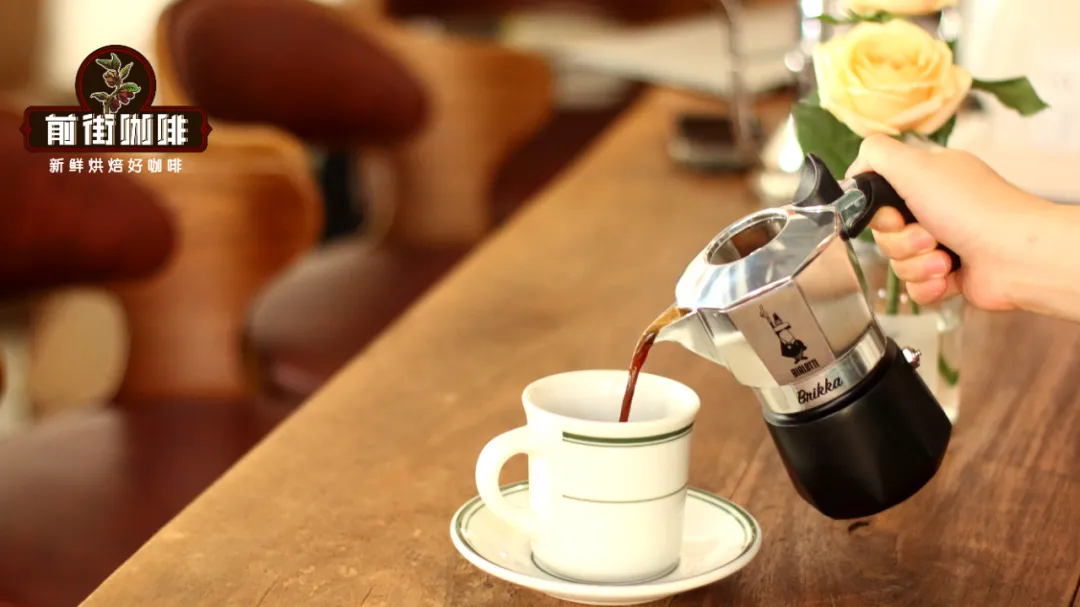
In most cafés in China, especially independent specialty coffee shops, Americano by default refers to black coffee made by extracting espresso with an espresso machine and then diluting it with water in an appropriate ratio. It is affordable, refreshing in taste, and highly accepted, and has almost become a standard item in every shop. However, limited by price, relatively few household users own an espresso machine, so this method usually appears in coffee shops.
The other category is black coffee made with an electric drip coffee maker, called drip coffee or brewed coffee in English. Its price is often only one-fifth or even one-tenth that of espresso-machine coffee, and it mainly appears in offices, homes, hotels, and similar places. Because this kind of brewer originated in the United States, it is also called an American coffee maker, and the black coffee it makes is naturally called “Americano.”
Compared with an espresso machine, a drip coffee maker is very convenient to use. No pressure is needed during extraction; the coffee grounds directly receive hot water through dripping and steeping, and then are filtered through filter paper and a mesh filter. The resulting coffee tastes relatively thin.
What is the difference between the two kinds of Americano?
It is not hard to see that these two “Americanos” are essentially both relatively light black coffees, but due to different production principles, their flavors differ quite a bit. To find out the differences, we once used Front Street Golden Mandheling coffee beans to make one cup of black coffee with an espresso machine and one with a drip machine, and then compared them.
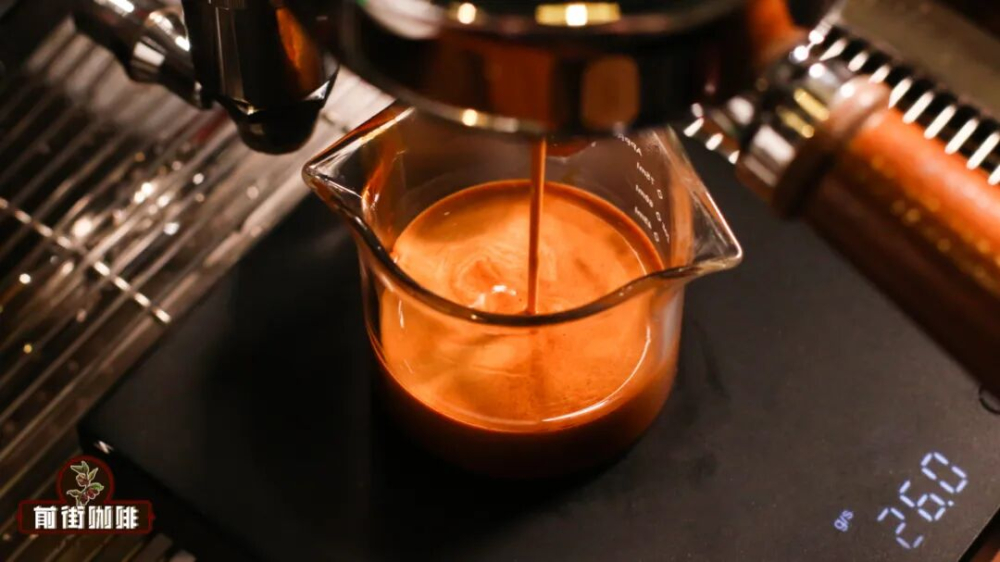
The parameters Front Street used to extract Golden Mandheling with an espresso machine were 20 g of coffee grounds, 26 seconds, and 38 g. The espresso was dark brown in color, with a thick layer of crema on top, and smelled of rich caramel. Then 250 ml of warm hot water was prepared, and all the espresso was poured in. The Golden Mandheling Americano tasted of rich dark cocoa, roasted nuts, and spices, with a sweet aftertaste in the finish.
By contrast, many parameters of a drip coffee maker are preset modes set by the manufacturer. We only need to add water, place a filter paper, pour in coffee grounds, turn on the switch, leave the rest to the machine, and finally wait for the coffee liquid to flow out. The whole process takes about a few minutes. In terms of taste, the drip-machine version of Golden Mandheling Americano was mainly caramel-flavored, with decent overall balance, but the taste was slightly lighter and the aroma insufficient.
If we are only talking about the taste of Americano, the espresso machine clearly wins; but when it comes to extraction consistency, convenience, and price, the drip coffee maker has the advantage. Coffee with free refills is often based on a comprehensive consideration of the above three points.
They are all Americanos, so why are some very expensive while others can offer free refills?
Front Street often mentions in articles that the taste of a cup of Americano mainly depends on the coffee beans themselves, followed by the quality of the espresso extraction, and finally the ratio of water added, so the ingredients are the most important.
Independent coffee shops are more particular about taste, and the coffee beans they use are generally not too dark, mostly medium-dark roasts oriented toward nuts and chocolate. Some specialty coffee shops that emphasize novel flavors will even deliberately choose better single-origin coffee beans to produce espresso, which naturally raises the cost. Front Street once had a cup of Americano made with Panama sun-dried Geisha, priced at 48 yuan, a full 30 yuan more expensive than the regular Americano on the menu.
Chain brands are different. Whether they use semi-automatic espresso machines, fully automatic coffee machines, or drip coffee makers, they usually use very dark-roasted coffee beans. First, this ensures that all stores can produce consistently, and even if a different person operates the machine, there won’t be too much variation; second, when made into different flavored coffee drinks, the taste can also fall within a roughly consistent range. However, due to different brand positioning, a cup of Americano in these chain stores may sell for anywhere from a few yuan to twenty or thirty yuan.
As for the “Americano” with free refills, its original intention is more to provide consumers with the benefit of “unlimited coffee drinking.” Front Street believes that, compared with taste, an affordable price and the ability to take in caffeine are what everyone cares about most. Therefore, in order to meet the above needs, this kind of “Americano” is made with a fast, convenient, and cheap drip coffee maker, and because there are not many requirements regarding taste, it is paired with specially made commercial coffee grounds, so the resulting coffee will not offer any “surprise” at all.
The above content is compiled by CoffeeHunters, a coffee news website.


