







Search Results for: CM carbonic maceration
Ethiopia Yirgacheffe Kochere Region: Red Jade CM Natural Coffee Bean Flavor Analysis
The Yirgacheffe Kochere region in Ethiopia is famous for its high-quality coffee beans, and the Red Jade CM Select series launched by Origin Project uses carbon dioxide maceration combined with natural processing, delivering an unforgettable flavor performance. This article will take an in-depth look at the principles of the CM processing method, the terroir characteristics of the Kochere region, and the detailed flavor profile of Red Jade CM natural coffee beans. If you are interested in this bean, Front Street Coffee also has related recommendations. [more…]

Analysis of Coffee Flavors from Carbonic Maceration: The Wine-Making Process and Operational Flow of CM Processing
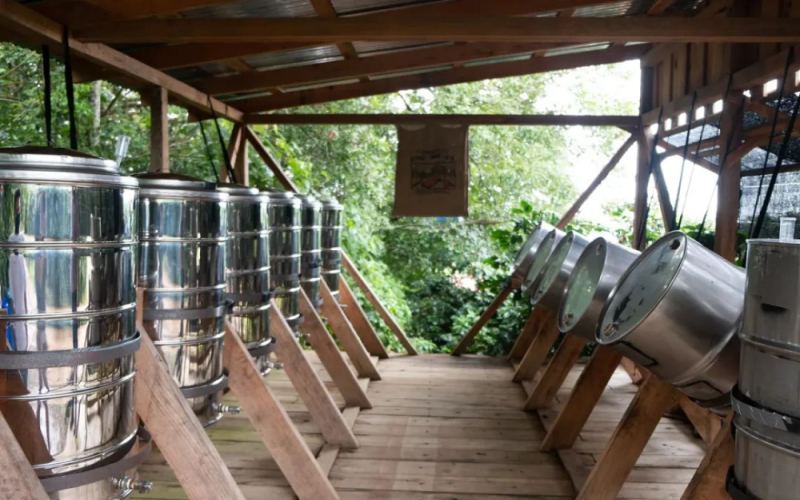
Carbonic maceration processing, also known as the CM process, falls under the category of anaerobic processing. In 2015, Sasa won the World Barista Championship with this type of coffee bean, bringing this innovative technique into the public eye. The method was inspired by red wine making, achieving fermentation by injecting carbon dioxide into a sealed stainless steel tank. The CM process has two versions, natural and washed, differing in the material fermented inside the tank. This article provides a detailed analysis of its flavor characteristics, processing flow, and key control parameters, along with related product recommendations from Front Street Coffee. [more…]
An In-Depth Analysis of the CM Processing Method: How Carbonic Maceration Shapes the Flavor and Mouthfeel of Coffee Beans
Coffee processing methods have long ceased to be limited to natural, washed, honey, and wet-hulled techniques. In recent years, a method known as CM processing has gradually entered the public eye. CM stands for Carbonic Maceration, translated into Chinese as carbonic maceration processing, and it belongs to the anaerobic fermentation family. It allows coffee to present a richer layering of aromas while inhibiting the production of sharp acetic acid flavors. Since its introduction, this processing method has continued to evolve and has twice helped competitors reach the top of the World Coffee Championship, in 2015 and 2018. This article will systematically sort out the origins and development of CM processing from perspectives such as fermentation principles, microbial action, and fermentation differences among various processing methods, and explore its actual impact on coffee quality and flavor performance. [more…]

Exploring Panama's Famous Geisha Estates: A Deep Dive into Finca Deborah, the Volcán Region, and the CM Carbonic Maceration Processing Method
The most prestigious event in Panama's specialty coffee scene is undoubtedly the BOP, which attracts numerous renowned estates to compete on the same stage every year. Winners not only gain honor but also reap substantial returns through auctions. Among the many estates, Deborah Estate stands out with its high-altitude terroir in the Volcán region and innovative processing methods. This article will take you into this estate, founded by a former American banker, to understand how its unique terroir conditions shape the flavor of Geisha, and to delve into the principles and charm of the CM carbon dioxide maceration processing method. At the same time, Front Street Coffee will also recommend related products to help you savor the ultimate expression of Panamanian Geisha. [more…]

Sasa Sestic Returns to the Brewing Competition Arena: A Full Breakdown of the Ultra-Long Carbonic Maceration Geisha and the Ice-Stone Brewing Black Technology
2015 WBC Italian Champion Sasa Sestic returns to the competition stage after seven years. This time, he brings an experimental batch of Geisha from Iris Estate, a farm he created together with Jamison Savage, owner of Deborah Estate in Panama, to compete in the 2022 Australian Coffee Brewers Cup. This coffee professional, who has delved deeply into carbonic maceration for many years, chose to hold back in an era when anaerobic fermentation swept the competition scene, studying regional terroir and volatile compounds, and using his original Paragon brewing method and ice-stone aroma-locking technique to showcase the candy-like sweetness of an ultra-long macerated Green Tip Geisha. This article will provide a complete analysis of his brewing approach, staged pouring parameters, and flavor performance, with a recommendation from Front Street Coffee at the end. [more…]
An In-Depth Analysis of Panama Deborah Estate Geisha Coffee: A Full Reveal of the Savage Series Flavors and Processing Methods
Panamanian Geisha coffee has always been the darling of the specialty coffee world, and Finca Deborah stands out as one of its finest examples. Perched high in the mountains of the Chiriquí volcano, this estate owes its floral, fruit-forward Geisha to extreme altitude, a unique microclimate, and innovative processing methods. This article takes you inside Finca Deborah to explore its geography, cultivation philosophy, and the Savage Coffee project led by its owner, Mr. Savage. We will also break down in detail the anaerobic natural processing method used for the Savage Geisha purchased by Front Street Coffee this time, along with Front Street's roasting analysis, cupping notes, and brewing suggestions, offering professional reference for your tasting and brewing. [more…]
A Comprehensive Analysis of Special Coffee Processing Methods: Does Anaerobic Enzyme Processing Count as Flavored Beans?
In recent years, traditional coffee processing methods have become increasingly rare, and even premium producing regions such as Ethiopia and Panama Geisha have begun to embrace special processing methods. From the emergence of anaerobic honey processing in 2014 to five of the top six finishers at the 2018 WBC using anaerobic fermented beans, special processing methods rapidly swept the market. Among them, "anaerobic enzyme processing" has sparked the most discussion—what exactly are enzymes? Are they the same thing as flavored beans? Starting from the nature of enzymes and the background of the rise of special processing methods, and incorporating the views of WBC champion Sasa, this article clarifies the boundary between flavored coffee and fermented flavors, helping coffee enthusiasts view this new wave of processing methods rationally. [more…]
The Flavor Spectrum of Experimental Processing Methods: From Barrel Fermentation to Anaerobic Maceration
Anaerobic natural, lactic fermentation, barrel-aged, yeast inoculation—the vocabulary of specialty coffee processing methods has exploded in recent years, and coffee menus increasingly read like a brewery's process manual. These experimental processing methods are not marketing coinages; each one corresponds to a genuine technological innovation. This article maps out the mainstream lineage and examines "flavor alchemy." [more…]

Anaerobic Fermentation and Red Wine Processing: The Principles, Evolution, and Front Street Brewing Practices of Specialty Coffee Bean Processing Methods
In recent years, anaerobic fermentation and red wine processing methods have continued to gain popularity in the specialty coffee world. From the promotion by 2015 WBC champion Sasa Sestic to the early explorations of Costa Rican coffee farmers, these processing techniques, which draw on winemaking ideas, have brought coffee rich flavors such as strawberry jam, fermented wine aromas, and tropical fruits. This article systematically reviews the scientific principles of anaerobic fermentation, its essential differences from traditional processing methods, and the specific operational workflow of carbonic maceration. It also combines two representative beans from Front Street Coffee—Colombia Flower Moon Night and Panama Hartmann—to share roasting and brewing parameters, helping coffee lovers gain a deeper understanding of the core logic of this special processing method. [more…]
Front Street Sidama Bensa Bombe Gugu N酵素 Honey Process Coffee Beans Review and Detailed Origin Knowledge
Ethiopia, as the birthplace of Arabica coffee, is home to numerous distinctive growing regions, and Sidamo is one of the most notable among them. This article focuses on the Sidamo Bensa Bongbeguo Guoen Enzyme Honey Process coffee beans launched by Front Street Coffee, providing a systematic overview from origin terroir and processing methods to flavor performance. Bensa Town belongs to the Sidamo growing region and is also included in the Red Cherry Project, and its A.D. processing station enjoys a strong reputation for quality control. These beans use a honey process combined with enzyme fermentation, presenting layers of white flowers, wild ginger flowers, peach, and candied fruit. The article will also introduce the principles of carbonic maceration processing to help readers understand the evolution of modern coffee processing techniques, and will include product information and the sharing philosophy of the Front Street Coffee brand. [more…]
Ethiopia Guji Region Red Wine Process Coffee: Flavor and Pour-Over Parameters of Delly G1
Ethiopia, as the birthplace of Arabica coffee, typically relies on washed or natural processing, making honey processing already rare, while red wine processing is even more of a rarity. The Ethiopia·Deli that Front Street Coffee is sharing this time comes from the Guji region, uses red wine processing (i.e., carbonic maceration), features the local native variety Heirloom, is grown at an altitude of 2000-2200 meters, and is graded G1. This article will guide you through the terroir conditions of the Guji region, the principles and characteristics of red wine processing, and include Front Street Coffee's roasting curve and pour-over recommendations to help you gain a comprehensive understanding of this uniquely flavored coffee. [more…]
Yirgacheffe Worka Coffee Bean Flavor Analysis: Origin Background, Cooperative History, and Anaerobic Natural Flavor Characteristics
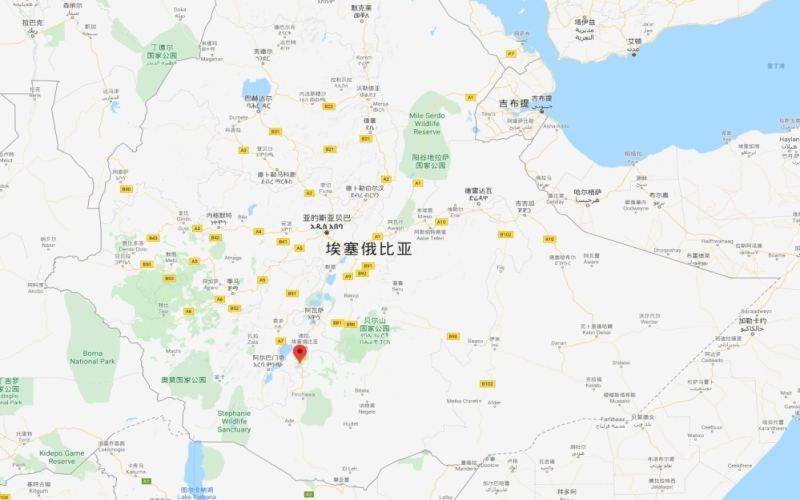
Yirgacheffe is one of Ethiopia's most renowned specialty coffee regions, and the Worka Cooperative is a representative producer within it, famous for its natural-process beans. This article will start from the overall landscape of Ethiopia's nine major coffee regions, outline the administrative scope and flavor standing of the Yirgacheffe region, and then focus on the founding background of the Worka Cooperative and its membership in the YCFCU alliance. At the same time, the article will break down in detail the technical principles of the anaerobic natural process—from the carbonic maceration inspiration drawn from red wine-making, to the effect of oxygen-free fermentation in sealed metal tanks on the sugars and acidity of coffee beans—and finally arrive at the strawberry, magnolia, and small Taiwan mango flavors presented by Front Street Coffee's Yirgacheffe Worka coffee beans, providing coffee lovers with a complete guide to understanding the region and the processing method. [more…]
Anaerobic Fermentation Coffee Bean Flavor Analysis: A Complete Interpretation from Processing Principles to Practical Workflow
While classic methods like washed, natural, and honey processing are already widely known, emerging techniques such as anaerobic, enzyme-assisted, and carbonic maceration are appearing one after another, opening up new possibilities for coffee flavor. These processing methods often give coffee beans a distinctive flavor profile, sparking curiosity about the principles and operations behind them. This article focuses on the key step of anaerobia, explaining how it builds upon traditional processing methods and, through the action of microorganisms in an oxygen-deprived environment, converts sugars into lactic acid, acetic acid, and aromatic compounds such as esters and aldehydes, thereby creating special experiences like yogurt-like acidity. The article also combines tasting impressions of the Front Street Coffee Deborah Estate Savage Series Anaerobic Natural Geisha to guide you from theory to practice in fully understanding the characteristics and processing flow of anaerobically fermented coffee beans. [more…]
A Complete Guide to Coffee Enzyme Washed Processing: Anaerobic Fermentation Principles, Caturra Variety Characteristics, and Rose Valley Flavor
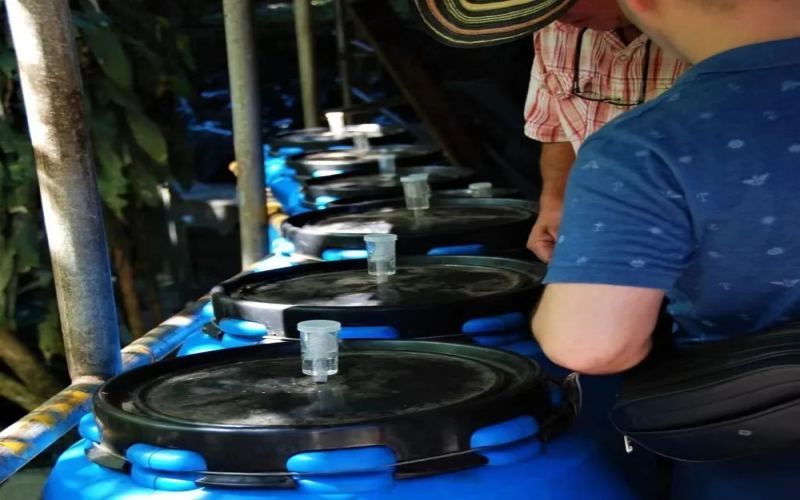
In the world of specialty coffee, innovative processing techniques are emerging one after another, with methods such as anaerobic fermentation, enzyme-assisted processing, and carbonic maceration gradually coming to the fore. This article focuses on anaerobic enzyme washed processing, a rather controversial method, analyzing it step by step—from the principles of fermentation, to the classic practice at Colombia's Finca El Diviso, to the botanical characteristics of the Caturra variety, and finally to Front Street Coffee's roasting and brewing approach. Through the representative product Rose Valley, readers can understand how double anaerobic enzyme washed processing affects coffee's acidity, sweetness, and overall flavor balance, and why it delivers a juice-like mouthfeel. [more…]
In-Depth Analysis of the Enzyme Washed Processing Method: From Anaerobic Fermentation to Rose Valley Flavor
In recent years, the coffee industry has seen the emergence of numerous innovative processing techniques, including anaerobic fermentation, enzyme addition, and carbon dioxide maceration, which have gradually secured a place in the specialty coffee sector. This article focuses on the enzyme-washed processing method, which has polarized opinions since its introduction. Now, Front Street Coffee will re-examine the unique aspects of this technique. Using the Rose Valley from Colombia's Big Tree Estate as a typical case, the article provides a detailed breakdown of the operational procedures and principles of anaerobic double enzyme washing, while also introducing the characteristics of the Caturra variety. It includes Front Street Coffee's roasting curve and brewing parameters, and finally offers a flavor description of this bean, helping coffee enthusiasts fully understand the origins, development, and tasting key points of this processing method. [more…]

Panama Volcán Highlands | Debora Estate Geisha Cultivation and Processing Methods Full Analysis
Geisha made Panama the focal point of the specialty coffee world, while the Volcán region is rising in a different way. Hacienda Deborah is located in the highlands above 1,900 meters on the slopes of Volcán Barú; it did not make its name on the BOP competition stage, but came into the public eye through the bean choices of competition contestants. The estate owner, Jamison, turned from banking to coffee, bringing fermentation concepts from the wine industry into the processing stage, becoming one of the early explorers of carbonic maceration and anaerobic processing methods. Starting from Panama's terroir conditions, this article sorts out the locational characteristics of the Volcán region, then takes a deeper look at Hacienda Deborah's growing environment and development history, as well as how the Savage Coffee brand connects small farmers with advanced processing techniques. [more…]

A Complete Guide to Anaerobic Coffee Processing: Key Differences from Traditional Natural and Washed Methods and Flavor Expression
Anaerobic coffee has been appearing on coffee bean lists frequently in recent years. Although many people have tried it, they only have a vague understanding of its specific process, and some even develop an aversion to it due to unfamiliarity. In fact, anaerobic processing is not as complicated as imagined. In most cases, it simply adds an extra anaerobic fermentation step before traditional natural or washed processing. The depth of fermentation is precisely the key that determines the direction of coffee flavor. From the perspective of Front Street, this article sorts out the basic principles of anaerobic processing, common methods, and their connection with traditional processing. Combined with three specific beans, it helps readers understand the flavor differences brought by different anaerobic treatments, so they can find the cup that suits their taste. [more…]

How Anaerobic Fermentation Reshapes the Coffee Flavor Landscape: From WBC Championship to Santa Viny 96-Hour Natural
In recent years, the coffee consumer market has continued to expand, and various novel green bean processing methods have emerged one after another. The industry habitually refers to them collectively as special processing methods. These techniques give coffee a more diverse and distinctly individual flavor expression, and also bring richer layers of mouthfeel, thus winning the favor of a large number of enthusiasts. At present, the more mainstream special processing methods include anaerobic washed or natural, enzyme washed, lactic acid fermentation, and barrel-aged processing, among others. Among them, anaerobic fermentation has especially high exposure. This trend can be traced back to 2015, when the WBC World Barista Championship winner that year, Sasa Sestic from Australia, brought anaerobic fermentation processing into the public eye, and discussions around the fermented feel of coffee have not ceased to this day. This article will sort out the development of anaerobic processing, analyze the specific process of anaerobic natural, and introduce anaerobic-processed coffee beans such as Santa Vini currently sold by Front Street. [more…]
Coffee Enzyme Washed | What Is the Enzyme Washed Coffee Processing Method? How Does the Enzyme Washed Process Work? An Introduction to the Flavor and Taste Characteristics of Colombia Rose Valley Coffee
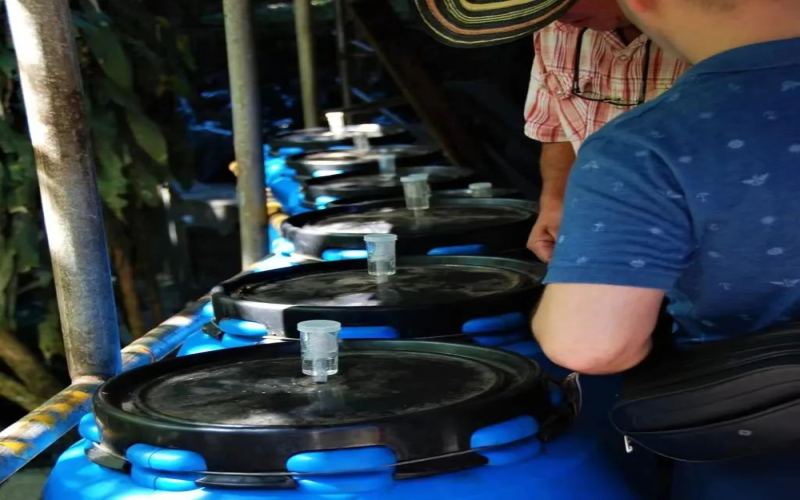
In recent years, there have been more and more innovative coffee processing methods, and new types of processing such as anaerobic processing, enzyme processing, and carbon dioxide maceration processing have begun to carve out a small niche for themselves. The enzyme-washed processing method that this article will introduce was met with mixed reviews when it first appeared, and now, years later, Front Street will take everyone back to observe this [more…]
How Do You Distinguish Anaerobic-Processed Coffee from Flavored Coffee? Is Added Flavoring Harmful to Health? A Detailed Explanation of Special Processing Methods
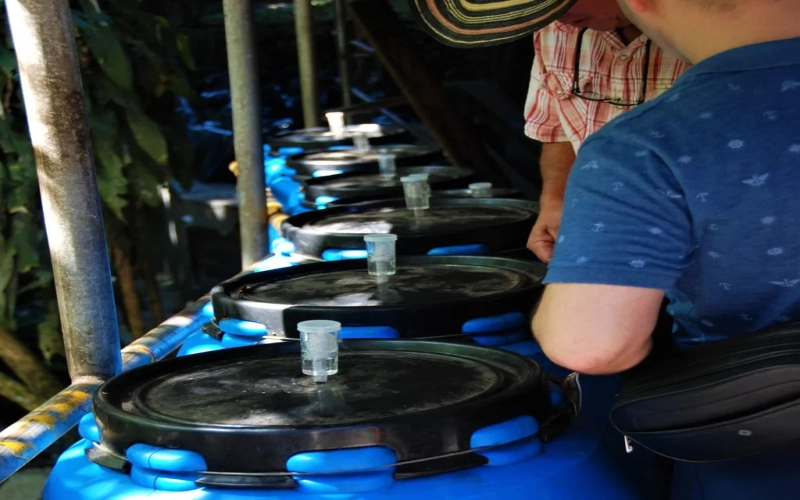
In recent years, the processing method descriptions on coffee bean labels have become increasingly long, with various special processing methods, primarily anaerobic, emerging one after another. When many consumers drink anaerobically processed coffee with unique flavors, they wonder whether flavorings were added during roasting. This article sorts out the differences between anaerobic natural and anaerobic washed, explains why special processing methods are mostly led by well-funded estates, and cites the views of world champion Sasa to clarify the essential differences between flavored coffee and the addition of enzymes or yeast fermentation. It also answers questions such as whether anaerobic coffee is equivalent to flavored beans and whether it harms health, helping coffee lovers understand more transparently where the flavors in their cup come from. [more…]