







What Does a Raw Coffee Bean Taste Like Before Roasting?
Enzyme washing differs from conventional washing in one key way: instead of relying on natural fermentation, it introduces specific enzymes to ferment the coffee in an oxygen-free environment and steer the flavor. Colombia's Finca El Arbol Rose Valley, grown by owner Vargas, is the case study, using Caturra variety cherries and a slow drying stage to avoid excessive heat.
Only fully ripe, bright red cherries are picked, and defective floating beans are removed by washing before two rounds of anaerobic fermentation with added enzyme groups. The technique arrived alongside anaerobic fermentation and carbon dioxide maceration and drew divided opinions when it appeared. Roast curves and brewing parameters decide how much of that fruit character reaches the cup.
In recent years, the coffee industry has seen the emergence of many innovative processing techniques, including anaerobic fermentation, enzyme addition, and carbon dioxide maceration, which have gradually carved out a place for themselves in the specialty coffee world. The enzyme-washed processing method focused on in this article has polarized opinions since its introduction, and now Front Street Coffee will re-examine the unique aspects of this technique. Using Colombia's Finca El Arbol Rose Valley as a typical case, the article breaks down in detail the operational process and principles of anaerobic double enzyme washing, while also introducing the characteristics of the Caturra variety, and includes Front Street Coffee's roasting curve and brewing parameters. Finally, it provides a flavor description of this bean, helping coffee enthusiasts fully understand the origins and tasting points of this processing method.
For more specialty coffee news, welcome to follow: Front Street Coffee (Frontsteet Coffee)
In recent years, various novel processing methods have continuously emerged in the coffee field, such as anaerobic fermentation, enzyme addition, carbon dioxide maceration, and other new techniques gradually gaining prominence in the industry. The enzyme-washed processing method discussed in this article sparked considerable controversy when it first appeared, and now, years later, Front Street plans to take everyone to re-examine what exactly makes this processing method unique.
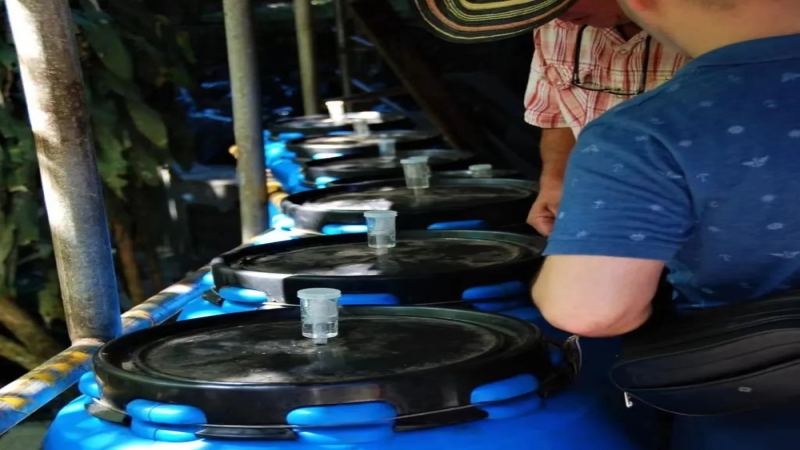
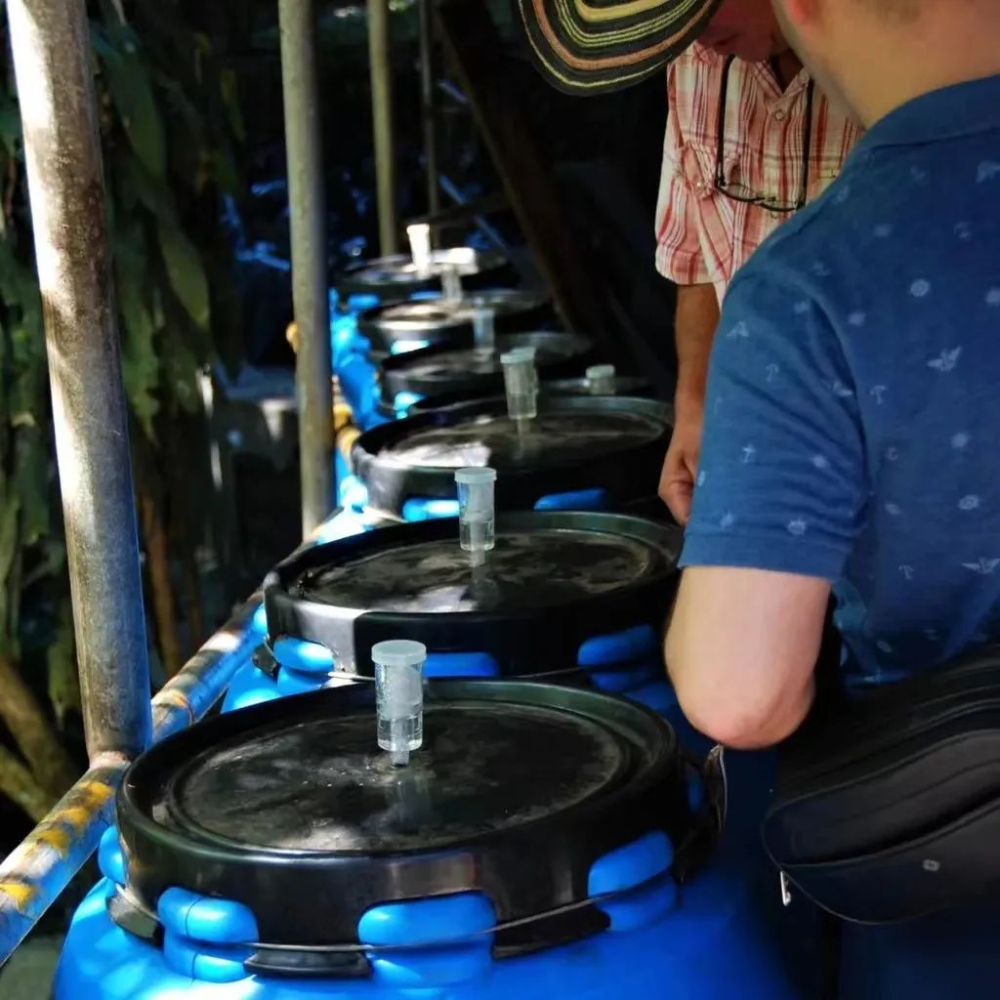
Innovative Technique — Anaerobic Enzyme Washing The difference between this processing method and conventional washing is that traditional washing relies on natural fermentation to complete the process, while anaerobic enzyme washing introduces enzymes to assist fermentation in an oxygen-free environment, thereby achieving the target flavor.
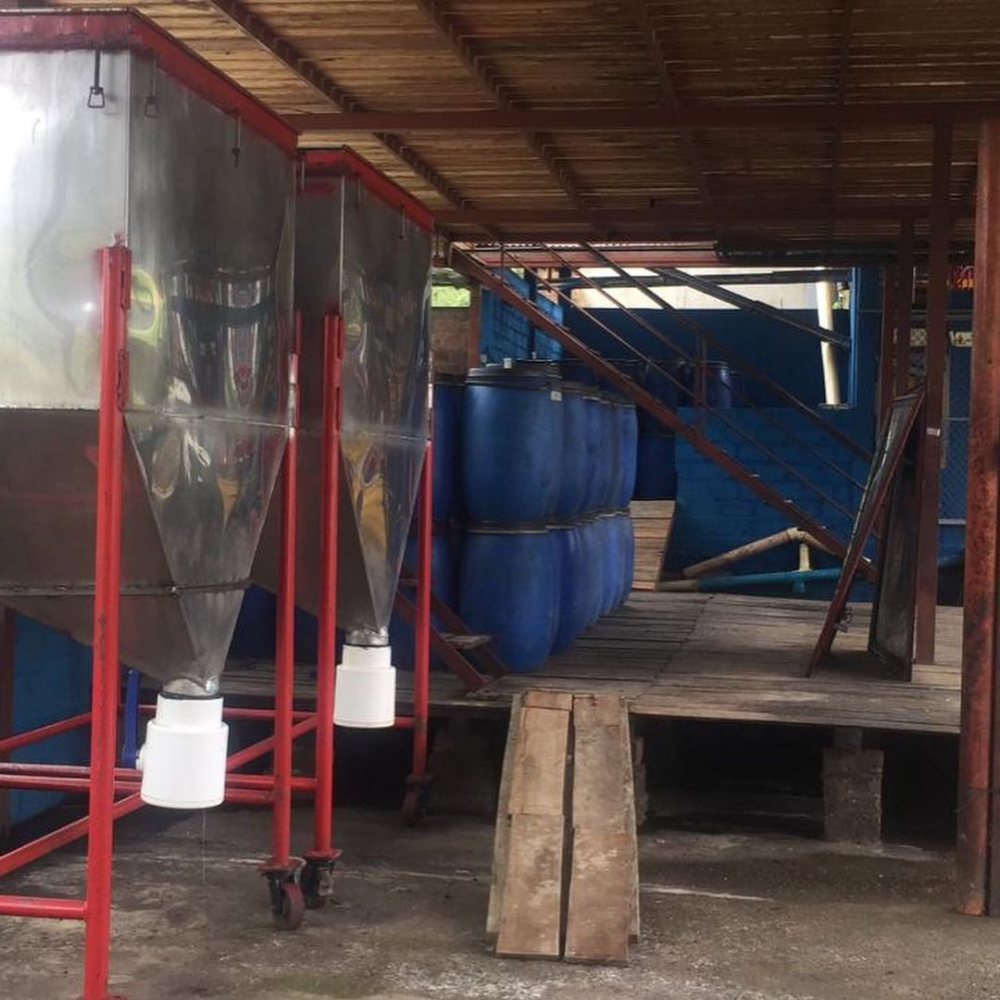
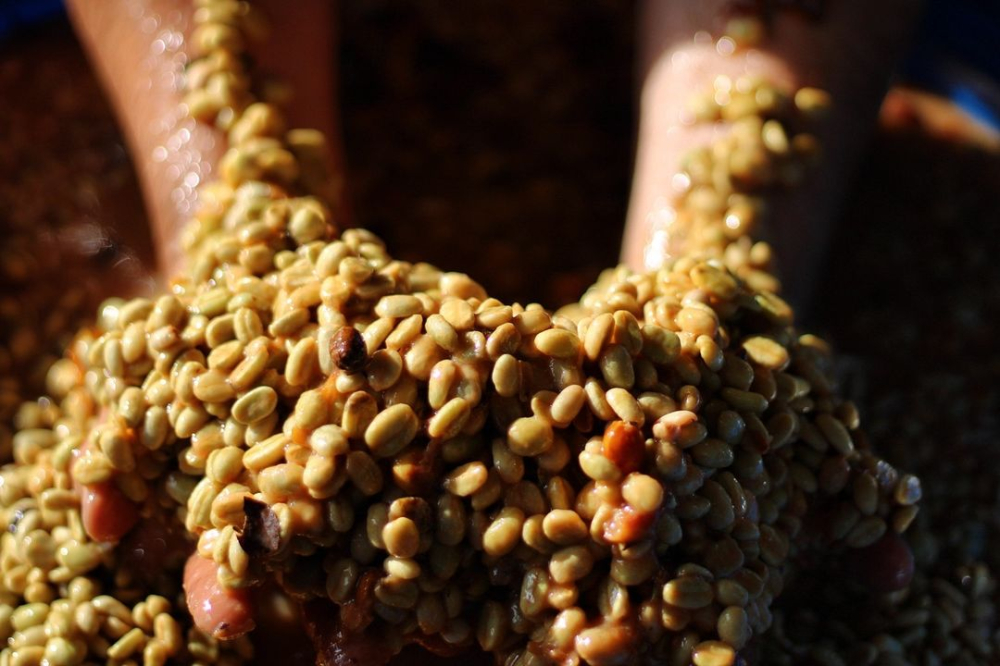
Among the many estates using this method, Colombia's Finca El Arbol is a model example, and its Rose Valley was stunning upon release. Estate owner Vargas has been running the estate and growing coffee for 20 years. The estate only picks fully ripe, bright red cherries, removes defective floating beans through washing, then carries out two rounds of anaerobic fermentation with added specific enzyme groups for fermentation, while strictly controlling the drying stage to avoid excessive temperatures, using a slow drying method.
Anaerobic enzyme washing first removes defective beans through washing, then places the processed coffee beans into sealed containers, injects carbon dioxide to expel oxygen, and under oxygen-free conditions slows the decomposition rate of sugars in the coffee mucilage. The pH value also drops more slowly, thereby extending fermentation time, which gives the coffee better sweetness and a more balanced flavor.
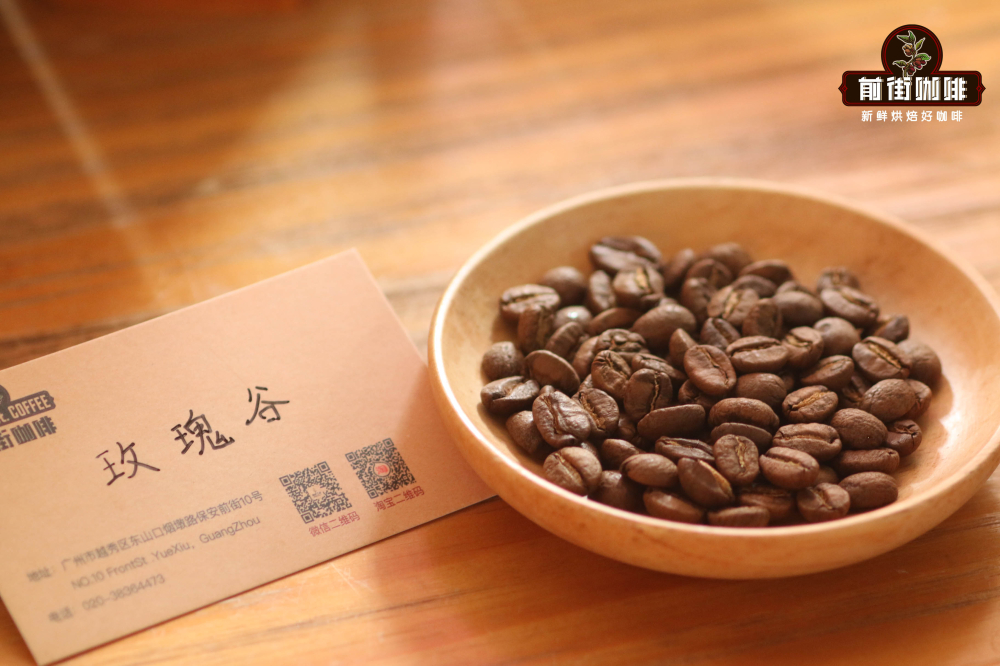
Front Street Coffee's Rose Valley comes from Finca El Arbol. This bean, processed with anaerobic enzyme washing, has a peach-like aroma and a faint rose floral fragrance.
Front Street Coffee: Colombia · Rose Valley Coffee Beans Region: Colombia, Santander Region Estate: Colombia Finca El Arbol Processing Method: Anaerobic Double Enzyme Washing Altitude: 1,700 meters Variety: Caturra
Coffee Variety Caturra is a natural mutation of the Bourbon variety, discovered between 1915 and 1918 on a plantation in Minas Gerais, Brazil. At that time, the Bourbon variety on the plantation underwent a genetic mutation that caused the plant to become smaller (similar to dwarfism). This coffee variety, appearing in a new form, was named Caturra by locals in the Guarani language, meaning "small." It is sometimes also called "Nanico."
The Caturra plant is short, so it can be planted more densely, and its secondary branches are closely spaced, allowing more fruit to grow in the same area and greatly increasing yield per unit area. Its small size also makes picking more convenient. In Colombia, Caturra accounts for nearly half of the country's total production. It combines quality acidity and aroma, is overall bright, and has quite good sweetness.
Front Street Coffee Roasting Analysis Considering that Colombia Rose Valley uses double anaerobic washing, in order to preserve the bean's fruity character and rich acidity while showcasing a clean mouthfeel and a sweet-acidic balance in flavor, Front Street's roaster chose a medium roast for this Rose Valley coffee bean.
Yangjia 800N, charge amount: 480g. When the furnace temperature rose to 180°C, the beans were added, the damper was adjusted to 3, and the heat was set to 130; turning point at 1'36"; when the furnace temperature reached 140°C, the damper was adjusted to 4; when the furnace temperature rose to 151.6°C, it entered the yellow point at 6'00", at which time the bean surface turned yellow, the grassy smell completely dissipated, and it entered the dehydration stage; at 8'17", wrinkles and dark spots appeared on the bean surface, and the toast smell clearly turned into coffee aroma, which can be regarded as the prelude to first crack. At this time, it was necessary to listen carefully for the sound of first crack. At 9'48", first crack began, the damper was fully opened, and at 188°C the heat was reduced to 80; at 192°C the heat was reduced to 50; after first crack, development lasted 2'10", and the beans were dropped at 197°C.
Front Street Coffee Brewing Sharing Dripper: Hario V60 #01 Water Temperature: 91°C Dose: 15g Coffee-to-Water Ratio: 1:15 Grind Size: Medium-fine grind (80% passing through a No. 20 sieve)
Front Street Coffee segmented extraction method: First, use 30g of water to fully wet the coffee bed into a "hamburger" shape and let it bloom for 30 seconds (if the "hamburger" shape does not appear, pay attention to insufficient bean freshness or overly coarse grinding); for the second pour, at 50 seconds on the timer, add water until the total reaches 125g, then wait until the water level drops to two-thirds of the coffee bed before pouring the third stage; for the third pour, at 1'40" on the timer, add water until the total reaches 225g, and after the coffee liquid has completely dripped through, the total extraction time is 1'50". After extraction is complete, gently swirl, and taste once the coffee liquid is uniform.
Flavor Description In terms of processing method, Rose Valley uses double anaerobic enzyme washing, so the acidity is more prominent. Overall, Rose Valley drinks more like a glass of fruit juice, with grape and strawberry notes mixed with floral aromas. Flower Moon Night is more balanced, with floral and strawberry notes followed by a black cocoa finish, creaminess, and fermented notes.
The above content is compiled by CoffeeHunters, a coffee news website.


