







Search Results for: Burnt taste
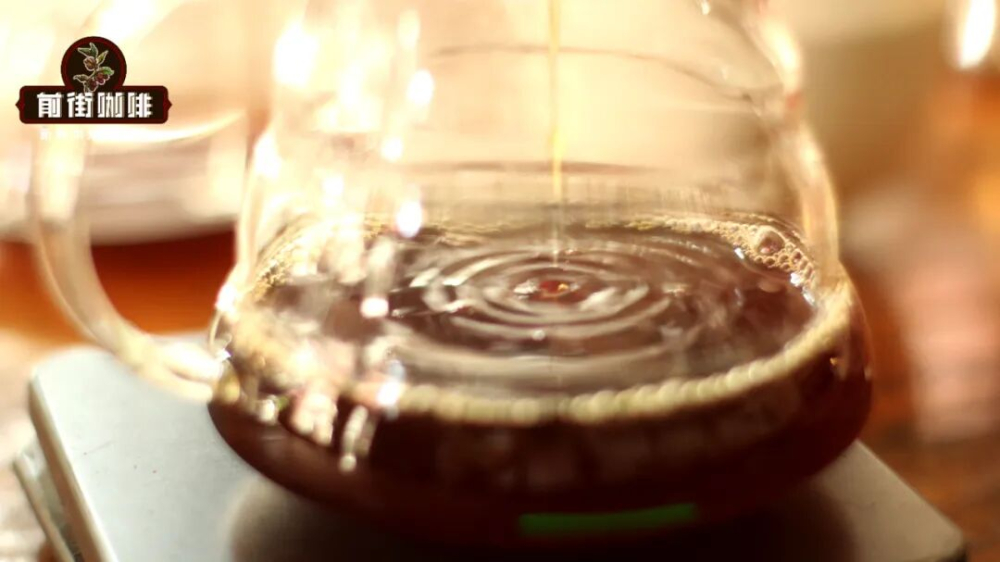
Dark Roast Coffee Beans Pour-Over Technique Tutorial | Why Does Pour-Over Coffee Have a Burnt, Bitter Taste? What Water Temperature Should Be Used to Brew Indonesian Mandheling, Brazilian, and Colombian Coffee?
Newcomers often say that brewing coffee feels like a mystic art, and whether it tastes good or not is purely a matter of luck. But in Front Street Coffee's view, as long as you find the logic and patterns behind brewing, you'll discover that it's actually not that complicated at all—it's simply about finding a few key parameters and using hot water to fully extract the coffee grounds, ultimately getting a cup that tastes good. [more…]
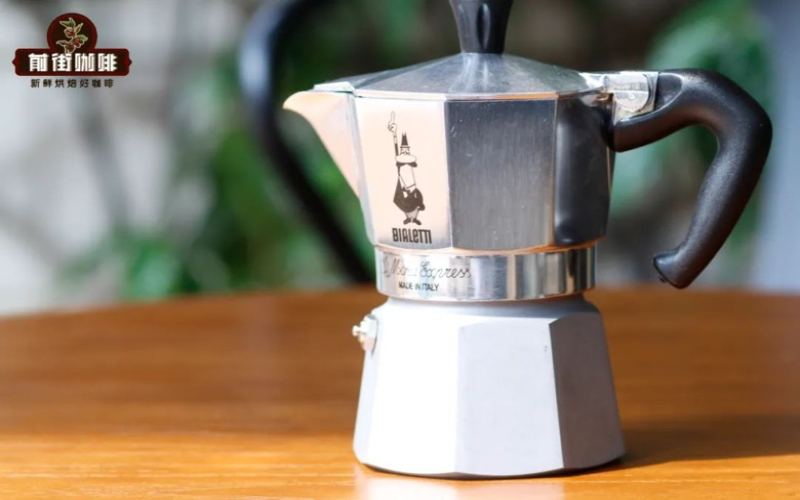
What to Do If Your Moka Pot Coffee Turns Out Too Bitter, Too Sour, or Burnt-Tasting?: Balancing Consistent Brews with Trying New Beans
The spectrum of flavor is far broader than just acidity and bitterness—aroma, sweetness, body, mouthfeel, and finish all lie along it. When choosing beans, it helps to first set a direction: floral and fruity, nutty and cocoa-like, or a balance of the two—then use origin, processing method, and roast level to find specific beans. The extraction principle of a moka pot is based on steam pressure, filling the filter with a layer of grounds. [more…]
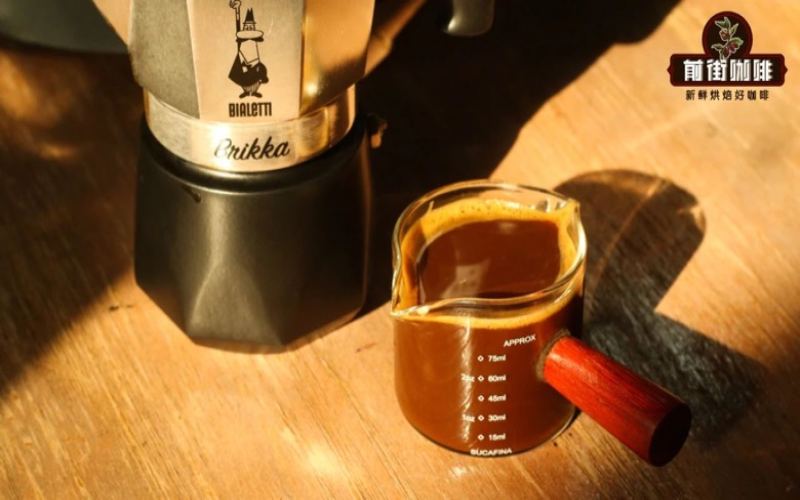
Moka Pot Bean Pitfall Guide: Where Do Sourness, Bitterness, Burnt and Muddy Flavors Come From?
Most people who brew with a moka pot have experienced that one cup of coffee that just "tastes off." You can't quite call it bad, but a sharp sourness, burnt bitterness, or astringent, muddled flavor lingers on your tongue and won't go away. Many people assume the heat wasn't controlled properly, but the problem usually lies with the beans. The moka pot's high-temperature extraction is quite sensitive to flaws in the beans, so choosing [more…]

Moka Pot Usage and Tips | Is Your Moka Pot Coffee Always Bitter and Burnt? Recommended Affordable, Great-Tasting, Non-Bitter Coffee Beans Worth Buying for Moka Pot Enthusiasts
As a recognized high-value home coffee gadget, the moka pot is actually far less complicated to use than you might imagine. There's no need to be bound by too many precise data and parameters; as long as you grasp the following key points, the rest can be freely adjusted to your taste preferences, letting you easily brew a delicious cup of coffee. No. [more…]
Coffee Flavor Descriptions | What Defects Can Be Found in Single-Origin Coffee Beans? How Can Coffee Beginners Identify Negative Flavors in Coffee?
When learning coffee tasting, most people focus their energy on describing positive flavors. For example, when describing a cup of coffee, they can rattle off "jasmine, lemon, strawberry, caramel, chocolate," but when they taste something unpleasant, they can only say "burnt bitter, muddy, green and astringent." In fact, to learn coffee tasting, [more…]
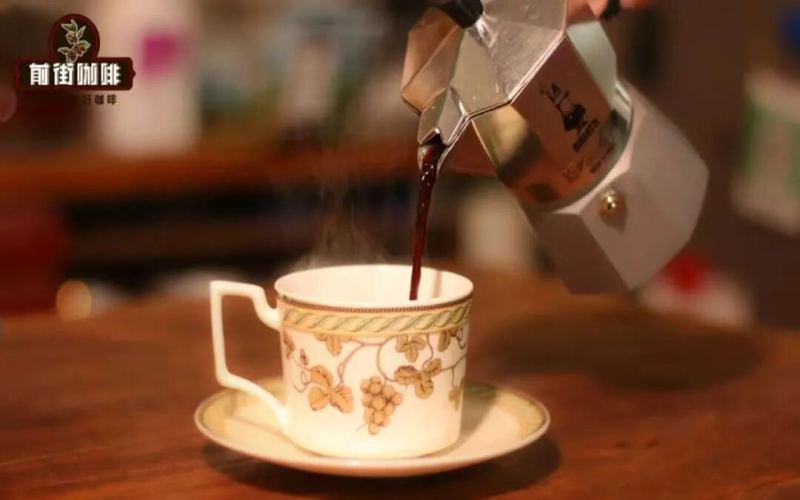
Moka Pot Coffee | Why does coffee brewed with a moka pot taste burnt and bitter? How can you avoid over-extraction in moka pot coffee?
Front Street Coffee has found that many friends are troubled by the problem of Moka pot coffee often being over-extracted. Every time Front Street Coffee shares a tweet related to the Moka pot, friends leave comments like: "How can I avoid over-extraction in Moka pot coffee?" or "Why is the extracted coffee so bitter?" Indeed, compared to its [more…]

Recommended Dark Roast Coffee Beans Without Burnt Bitterness: How to Choose for Black Coffee, Milk Coffee, and Iced Drinks
The requirements for beans are not the same for black coffee and milk coffee. Black coffee needs aroma and sweetness that can stand on their own, while milk coffee needs the coffee liquid to have enough concentration and body, so that the flavor remains clear after milk is added. Deciding first whether milk will be added to the cup and then choosing the style of beans will make it easier to find a suitable one. Deep [more…]

Specialty Coffee | Why Are Light and Medium Roast Coffee Beans So Popular? Is Dark Roast Coffee Good? What's the Difference Between Dark Roast and Medium Roast Coffee?
Mainstream Third Wave Specialty Coffee Nowadays, cafes often emphasize that they serve "specialty coffee." What exactly is "specialty coffee"? Why is it that among the home-roasting businesses blooming like wildflowers, over ninety percent choose the so-called light-to-medium roast to interpret the flavors of green coffee beans? Just pay a little attention to coffee-related articles. [more…]

Coffee Flavor Tasting | How Can Beginners Judge Coffee Extraction by Tasting? How Do You Describe the Flavor of Pour-Over Coffee?
If you want to learn how to brew coffee, you must first learn how to drink coffee. Of course, "learning to drink coffee" here does not mean being able to describe gorgeous flavor notes; it is more about being able to judge whether a cup of coffee is good or bad—that is, whether it tastes good or not. Whether a coffee tastes good or not, subjectively and objectively, depends to a fairly large extent on personal preference. [more…]
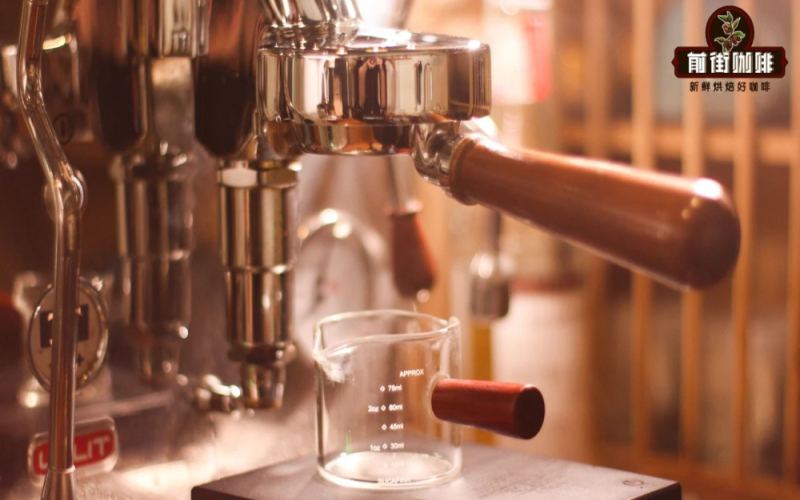
Americano Features | What Factors Affect Espresso Quality? What Is the Espresso Extraction Formula? Introduction to Iced Americano Ratio and Method
For more specialty coffee knowledge, please follow our WeChat official account: FrontStreet Coffee. Anyone who has made coffee knows that a standard Americano is made by combining espresso with water—meaning whether an Americano tastes good depends entirely on the quality of the espresso. Extracting espresso. [more…]
Moka Pot Coffee Brewing | How long does it take to brew coffee with a Moka pot? What is a normal extraction time for a Moka pot? What should you pay attention to when making Moka pot coffee at home?
The moka pot uses the steam pressure of boiling hot water to pass directly through the coffee grounds, extracting the essence of the coffee. The brewed coffee has a richer taste and aroma, with a thin layer of coffee oils on the surface—this is the charm of Italian coffee. The structure of the moka pot is not complicated; I believe anyone who has seen a moka pot [more…]
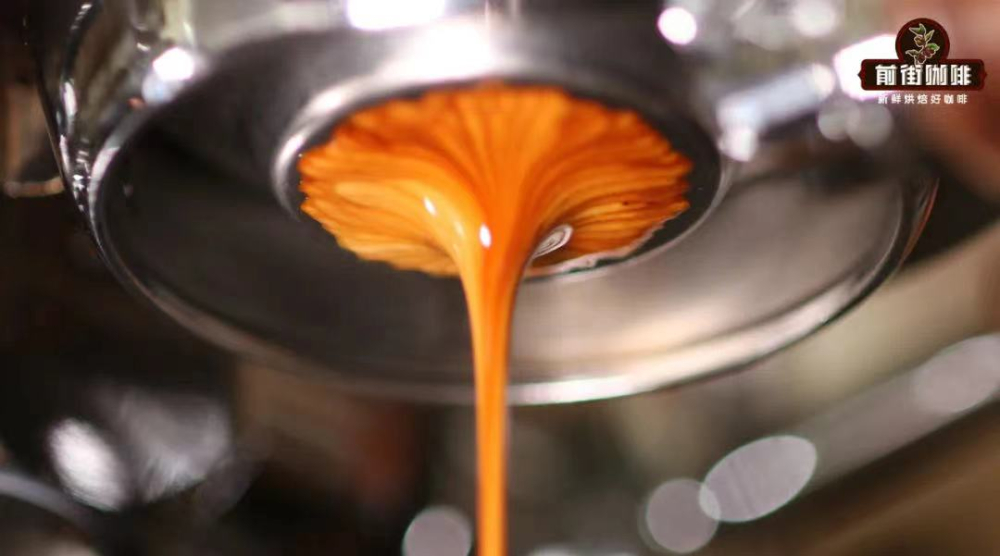
Espresso-Specific Coffee Bean Recommendations | Where Does Espresso Come From? What Coffee Products Can Be Made with Espresso? What Coffee Beans Are Suitable for Espresso?
Espresso is not just a beverage; it is a lifestyle shared by people around the world! We have almost lost count of how many espressos coffee lovers around the globe consume each day, but have you ever wondered where espresso actually comes from? Who exactly invented this magical drink? [more…]

The Extraction Principle of the Moka Pot | Which Everyday Coffee Beans Are Suitable for Moka Pot Brewing? What Recommendations Are There for High-Cost-Performance Specialty Coffee Beans That Are Neither Sour Nor Bitter?
The biggest advantage of a moka pot is how simple it is to use! It's great for beginners making coffee, and also for experts who want to experiment with the coffee-to-water ratio and extraction level. The pot consists of three parts, and it only takes three steps from start to finish: add water, add coffee grounds, and heat, and you can extract a shot of espresso. When we heat the moka pot, the water in the bottom chamber heats up first. [more…]
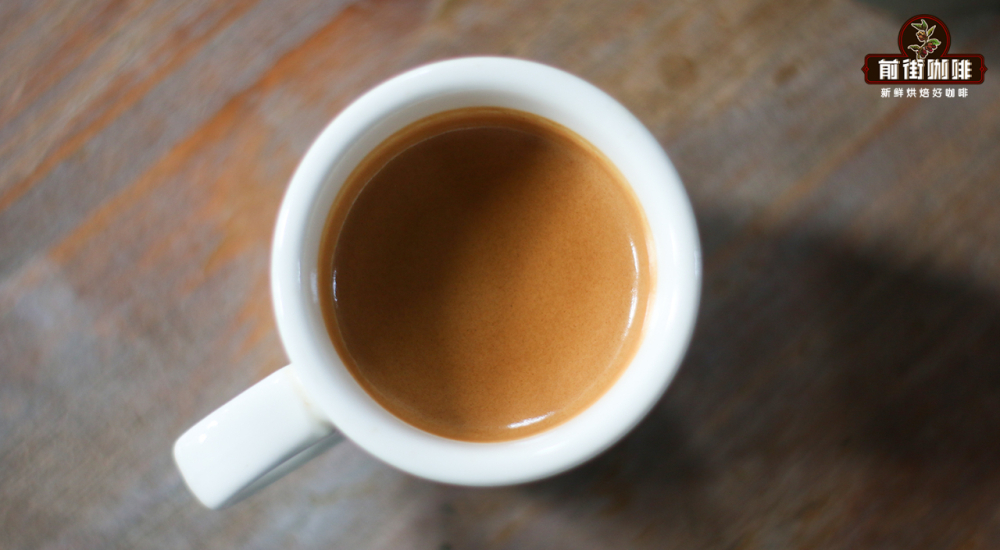
Espresso Making Steps | How Can Coffee Beginners Make Espresso at Home? What Factors Affect Espresso Flavor? Espresso Extraction Parameters Sharing
Although we rarely drink espresso on its own in daily life, making popular beverages like Americano, latte, or cappuccino would be impossible without a proper shot of espresso as the base. So in this article, Front Street Coffee will explain how to extract espresso well and what special features an espresso machine for making espresso has. [more…]
Malaysian White Coffee Flavor Characteristics and Ingredient Differences: A Comprehensive Analysis from Its Ipoh Origins to Health Benefits
White coffee is a highly representative traditional specialty of Malaysia, with a history spanning over a century. It is not white in color; rather, it is made from three types of coffee beans—Liberica, Arabica, and Robusta—subjected to medium-light low-temperature roasting and special processing that greatly reduces caffeine, burnt bitterness, and astringency, resulting in a pale milky-golden hue and a mellow, gentle flavor. Compared with black coffee, white coffee differs fundamentally in bean selection, roasting methods, and brewing techniques; it contains no trans fats, has lower caffeine and calories, is gentler on the stomach, and does not easily turn sour after cooling. This article will systematically outline the flavor components, processing characteristics, historical origins, health benefits, and brewing methods of white coffee, offering you a comprehensive understanding of this classic Nanyang coffee. [more…]
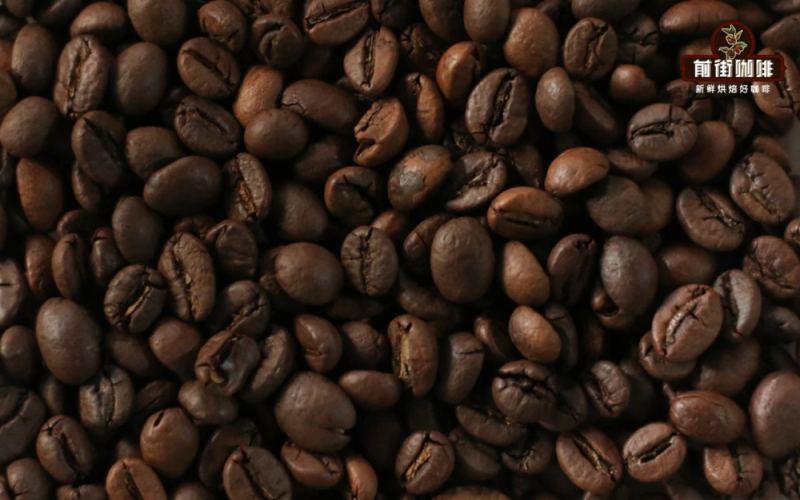
Introduction to Coffee Bean Roasting Stages | What Are the Differences and Characteristics of Dark, Medium, and Light Roasts? A Comparison of Flavor Changes in Coffee Beans at Different Roast Levels
In the past, most people's impression of coffee was that it was dark roasted, offering a burnt, rich, and bitter taste. Nowadays, with the introduction of the specialty coffee concept, dark-roasted coffee beans are no longer considered the best, and light-roasted and medium-roasted coffee beans have gradually become the mainstream of the third wave of coffee. Front Street Coffee (Fr [more…]
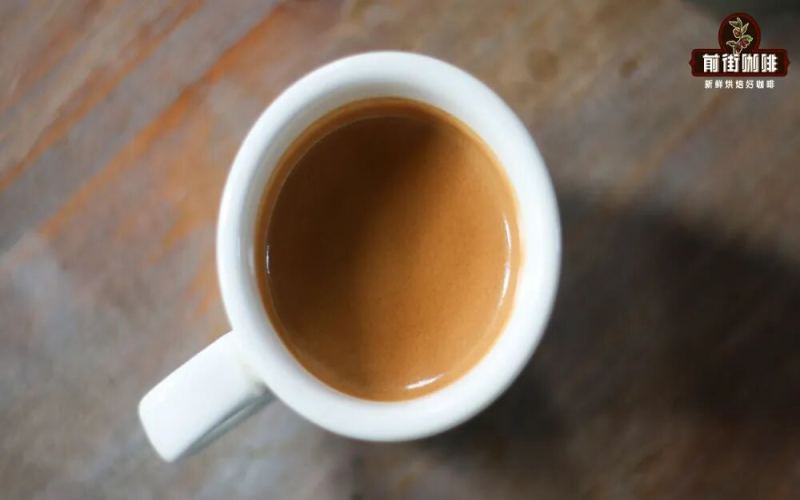
Espresso Extraction | What are the difficulties for coffee beginners in extracting espresso? What are the precautions for extracting espresso with pre-ground coffee powder?
Many people can't stand drinking espresso on its own; its highly concentrated bitter and burnt taste is often described as being like traditional Chinese medicine. Once diluted with milk or water, however, it becomes much easier for most people to accept. But reality is often cruel—you will inevitably come across coffee that is hard to swallow even after adding milk. In such cases, the coffee is usually [more…]
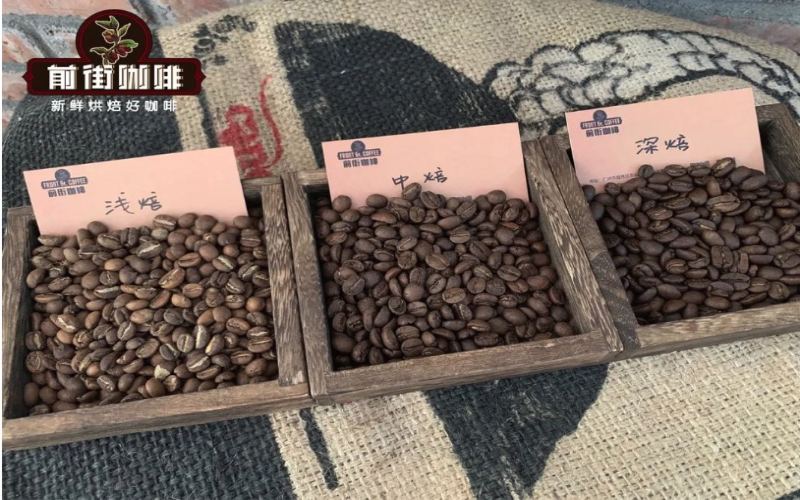
The degree of roasting of coffee beans is determined based on what?
The flavor of coffee, 60% comes from the raw beans, 30% comes from roasting, and 10% comes from brewing. It can be seen that there are many factors affecting the flavor of coffee. Then, as roasters, how to determine the degree of roasting of coffee b [more…]

Italian Coffee Culture | What are the steps to make espresso? What are the key factors that determine the taste of espresso?
For more specialty coffee knowledge, please follow our WeChat official account: FrontStreet Coffee. As an indispensable part of Italian life, every espresso tells a story of region, culture, and the rapid social development it has driven. At the very beginning, [more…]

Espresso Crema | Why does espresso have a layer of crema? Can the crema tell you if an espresso is good or bad?
You often hear people say, "To judge whether an espresso tastes good, just look at the crema. The best espresso has a crema that is fine, thick, and golden." But can you really judge whether an espresso tastes good by the state of its crema? To find out whether this method works, Front Street only needs to give everyone two questions. [more…]