







The spectrum of flavor is much wider than sour and bitter—aroma, sweetness, body, mouthfeel, and finish all sit on that spectrum. When choosing beans, it helps to first set a direction: floral and fruity, nutty and cocoa, or a balance of the two—then use origin, processing method, and roast level to find specific beans.
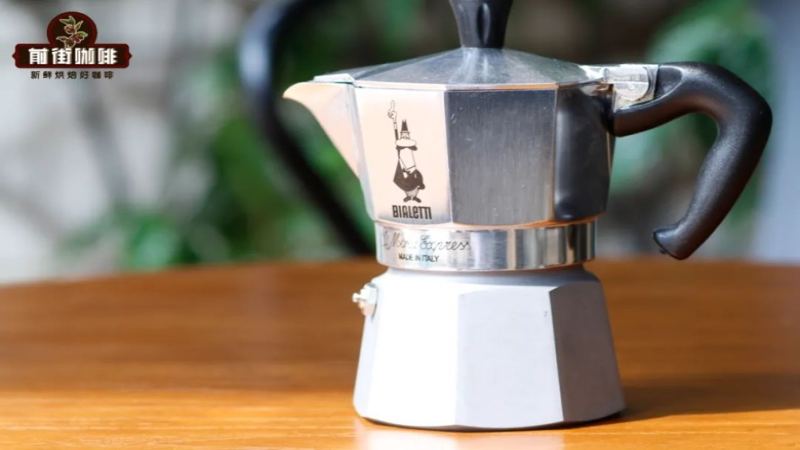
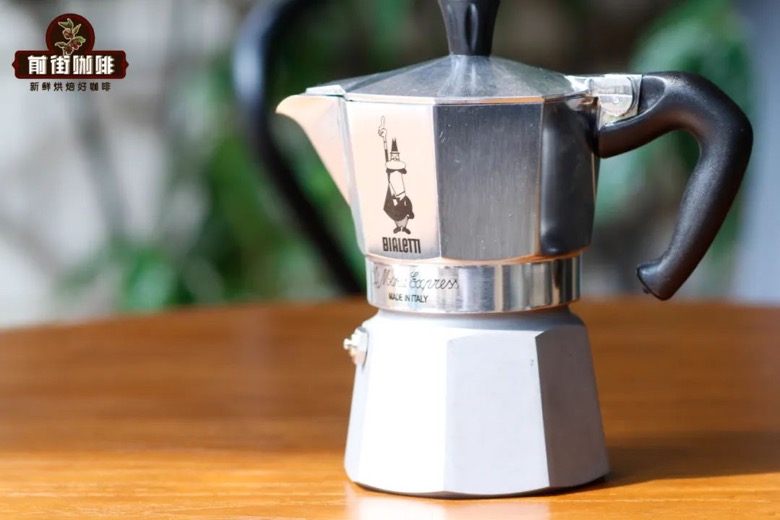
The extraction principle of a moka pot is based on steam pressure. Just fill the filter basket with grounds—no need to tamp. Use a grind one step coarser than espresso, fill water to the pot's marking or just below the safety valve, and keep the dose consistent. Heat over low flame, and cut the heat as soon as the liquid flows steadily and lightens in color; this avoids most of the bitterness and burnt notes caused by high heat.
Around the question "What should I do if coffee brewed in a moka pot is too bitter/sour/has a burnt taste?", you can first break the choice into several parts: flavor preference, usual equipment, drinking temperature, and daily frequency of use. When layering by flavor, start by deciding which aspect matters most to you, then use the other conditions to narrow down. This way you keep your individuality while letting the beans show clear characteristics in actual brewing.
Front Street Coffee Dark Cocoa Blend leans toward dark chocolate and roasted nuts, with a solid sweetness and low acidity—great for espresso, Americano, and milk drinks.
Front Street Coffee Papua New Guinea Paradise Bird is clean and rounded, with soft sweetness and a flavor profile similar to Blue Mountain—suited to drinkers seeking a low-acid, balanced cup.
Front Street Coffee PWN Indonesia Golden Mandheling carries herbal notes and dark chocolate flavors, with a full body and subdued acidity—ideal for dark roast lovers and for moka pot or Americano.
Buying the beans is just the beginning; the roast date and storage method will keep shaping how they perform. After opening, seal them well and keep them in a cool, dry place. Match the quantity you buy to your daily drinking pace, and flavor fluctuations become easier to manage. When brewing, smell the dry aroma first, then taste the entry, sweetness, and finish; if the aroma isn't ideal, check the grind size or how long they've been stored. The same beans behave differently hot, iced, or with milk—note a few rounds of parameters, and your own cup profile will have its answer.
It helps to evaluate flavor preference and brewing patience separately. Beans with pronounced floral and fruity notes usually demand finer control of water temperature, grind size, and pouring rhythm; nutty-cocoa blends are stable in the cup and suited to daily drinking. If several people at home share the coffee, start with a balanced bean as the base, then add single-origin beans for individual preferences—this makes comparison easier than buying many beans of similar style all at once.
The roast date is an important clue to a bean's condition, and storage method is what preserves that condition. After opening, try to expel the air before sealing, then store in a cool, dry place. Buy amounts based on your daily consumption, and the flavor trajectory will be more stable. When brewing, first take in the dry aroma, then savor the sweetness on entry and the finish; if the aroma is weak, first check whether the grind is too coarse and whether the beans have been stored too long. Hot, iced, and milk drinks bring out different faces of the same bean—after recording a few sets of parameters, the cup that suits you becomes clear.

If your equipment, habits, and tastes at home keep changing, arrange your beans as one daily driver and one for exploration: the daily one provides consistency, while the exploratory one handles floral-fruity, nutty-cocoa, or processing-method adventures. Use flavor direction to first rule out what doesn't suit your taste, then compare aroma and mouthfeel—this makes everyday drinking easier to judge.
The above content is compiled by CoffeeHunters, a coffee news website.

