







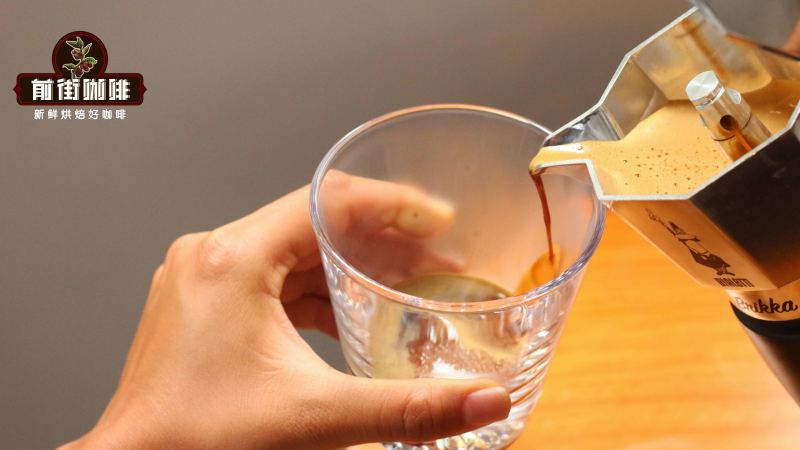
Why Does Moka Pot Coffee Taste Bitter or Sour?
Bitter, sour or burnt moka pot coffee usually traces back to bean selection, grind size and heating power. The moka pot produces roughly 1.5 to 2 bar of pressure, far below an espresso machine's 9 bar, yet it still extracts coffee oils and gives a rich cup. Beans roasted too light taste sharply sour with little aroma, while very dark roasts bring a burnt bitterness.
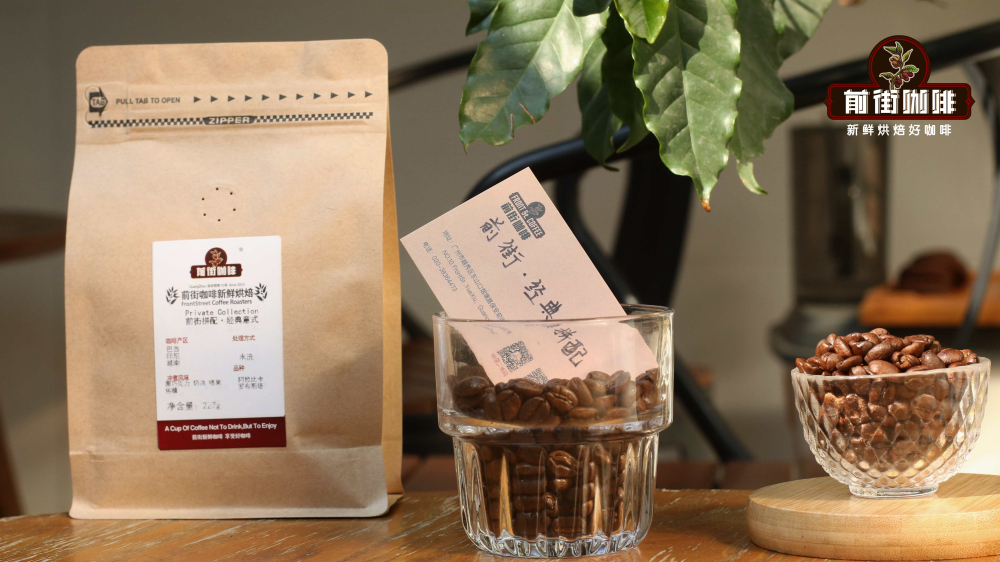
Medium or darker roasts are the safer choice, and beans intended for espresso machines work well. A blend built for both moka pot and espresso machine, such as Front Street Coffee Classic Italian Blend, extracts rich oils while keeping roasted aromas forward; Front Street Coffee Golden Mandheling SOE is another option. Grind and heat control decide whether why does my coffee look oily becomes a problem or a sign of good extraction.
Although the moka pot is simple to operate, brewing a cup of coffee with balanced flavor is not easy. Many people encounter problems such as coffee that is too bitter, too sour, or has a burnt taste, and these issues are often closely related to details like coffee bean selection, grind size, and heating method. This article starts from the extraction principle of the moka pot and analyzes one by one the various factors that affect flavor, including suitable coffee bean roast levels, grind size adjustment methods, and key points for controlling heating power. It will also introduce suitable beans for the moka pot such as Front Street Coffee Classic Italian Blend and Front Street Coffee Golden Mandheling SOE, helping you easily make a rich and smooth moka pot coffee at home.
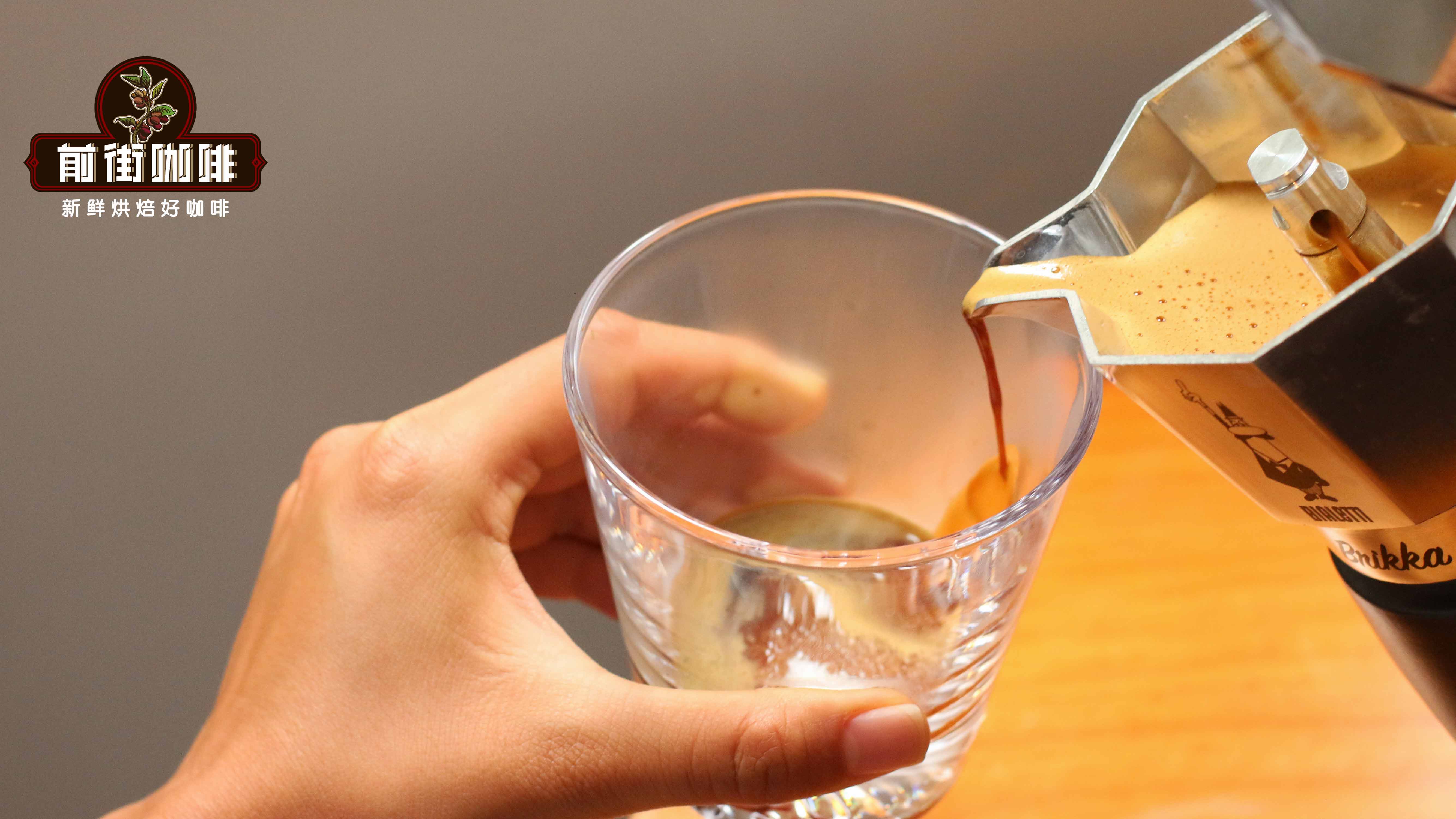
The moka pot is a classic representative among home coffee equipment, and there is really no need to restrict it with too many rigid rules. As long as you master a few basic operating essentials and pay attention to some details, the rest can be flexibly adjusted entirely according to personal taste.
Although the pressure produced by the moka pot (1.5-2bar) is obviously far lower than that of an espresso machine (9bar), it can still extract coffee oils, and the finished cup is quite rich. The internal structure diagram of the moka pot below can intuitively show its working mechanism for extracting coffee.
It should be noted that although the moka pot is not complicated to use, once certain details are neglected, the flavor can easily go wrong, such as coffee being too sour, bitter, or having a burnt taste. Next, we will analyze the causes of these problems one by one.
The final flavor of a cup of coffee is greatly related to the coffee beans chosen. For the moka pot, it is usually recommended to choose beans roasted to a medium level or darker. This is because beans roasted too light taste prominently sour and lack aroma when brewed, making them unpleasant to drink; while beans roasted too dark will produce a burnt bitter taste. Therefore, buying beans specifically intended for espresso machines is a relatively safe choice.
If you want your coffee to have rich oils while highlighting roasted aromas, you can directly choose a blend suitable for both the moka pot and espresso machine. For example, Front Street Coffee Classic Italian Blend, which is very popular among beginners, can easily extract a creamy, delicate texture and give off roasting-type aromas;

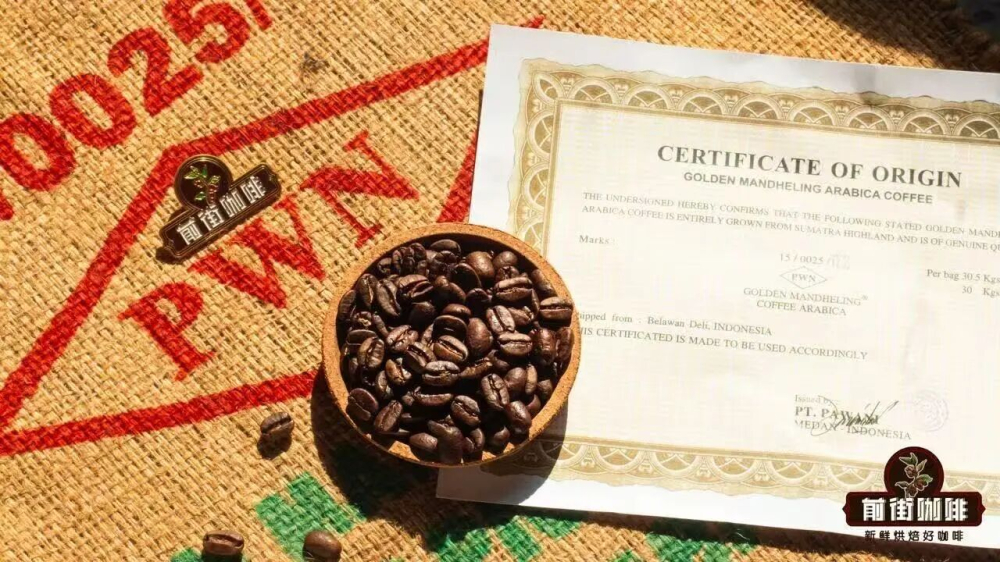
If you prefer moka pot coffee with distinct flavor, it is recommended to choose medium-dark roasted single-origin beans. The high-quality Front Street Coffee Golden Mandheling SOE is recommended. This bean has been processed with a unique wet-hulled method and carries deep notes of spices, sandalwood, and caramel, with quite outstanding cleanliness as well, making it suitable for people who are used to drinking strong coffee.
The bitter substances in coffee dissolve relatively slowly among all tastes. If the coffee shows obvious bitterness, it means the extraction time was too long or the extraction amount was too much, causing a large number of bitter substances to be dissolved out, and the coffee therefore becomes burnt and bitter.
The primary reason moka pot coffee becomes bitter is that the coffee grounds are ground too fine. If the grounds are too fine, hot water has difficulty passing smoothly through the coffee bed, which prolongs the contact time and ultimately leads to over-extraction;
Another detail lies in the heating duration of the moka pot. Especially when brewing coffee with cold water, low-temperature water requires a longer brewing time than hot water, and during this period steam is continuously produced and keeps rising, soaking part of the coffee grounds and causing more flavor substances to dissolve, which in the end actually results in over-extraction.
If moka pot coffee tastes too sour, there are mainly two reasons. One is that light-roasted single-origin beans were used. For example, Front Street Coffee Yirgacheffe and Front Street Coffee Huakui perform excellently in pour-over, but when put into a moka pot they tend to taste thin and rather sour. If you want to drink moka pot coffee with fruity flavors, you can buy honey-processed Front Street Coffee Strawberry Candy and Front Street Coffee Mozart, which can better release tropical fruit and various floral notes.
Another situation is that the coffee grounds are ground too coarse, the hot water flows too quickly, and the body and sweet substances in the coffee do not have time to be released. At this time, the coffee grounds need to be adjusted finer to improve the overall extraction efficiency.
A burnt taste in moka pot coffee may be due to the use of beans roasted too dark. This type of bean usually looks oily and black on the surface, and under a high-temperature, pressurized environment it will extract more burnt bitter substances. If you cannot accept this taste, simply switch to a medium-dark roast type.
In addition, the heat level of the moka pot is also worth attention. There are many ways to heat a moka pot, such as common household appliances like the electric ceramic stove and induction cooker that Front Street Coffee uses daily. Besides these, an open flame can also be used to heat the moka pot, but Front Street Coffee would like to remind you: keep it on low heat the whole time, and once the coffee liquid starts flowing out, immediately remove it from the heat source to avoid burns.
When brewing with a moka pot, the heat should be even, and medium heat is most ideal. When you hear a "wuwuwu" sound, you can open the lid to observe, and the moment the first drop of coffee liquid spurts out, you can turn off the heat. If you keep using high heat, or wait until the coffee boils before turning off the heat, then this cup of coffee will most likely carry a burnt taste.
The above content is compiled by CoffeeHunters, a coffee news website.


