







Search Results for: Brewing Coffee at 100°C: High-Temperature Extraction
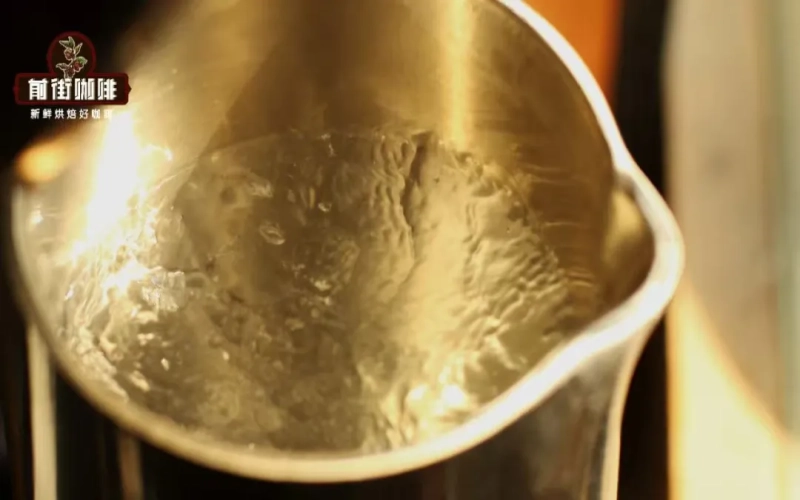
Guide to Brewing Coffee with 100°C Boiling Water: High-Temperature Extraction Principles, Parameter Adjustments, and Stirring Method Practice Sharing
Is it actually feasible to brew coffee with boiling water? Front Street Coffee previously pointed out in a tweet discussing water temperature that water temperature is not the only factor determining whether coffee is good or bad. This article further verifies: 100°C boiling water can absolutely brew good coffee, the key lies in adjusting the extraction plan. The article analyzes the risks brought by excessively high extraction efficiency at high temperatures, introduces response strategies such as shortening time, coarsening the grind, and adopting immersion extraction, and shares in detail the entire process and parameters of using the stirring method combined with 100°C water temperature to brew Sidamo·ALO beans. In the end, this cup of coffee had an extraction yield close to 21%, presenting a full-bodied juicy feel with mango, pineapple, and citrus flavors, and a finish with oolong tea aroma, receiving unanimous praise. [more…]

How to Choose the Water Temperature for Pour-Over Coffee? A Detailed Explanation from Dissolution Principles to Brewing Practice of Temperature's Influence on Flavor
What water temperature is actually suitable for pour-over coffee? Does a higher temperature always mean better extraction? Starting from everyday dissolution phenomena, this article explains how water temperature affects coffee extraction efficiency, and uses cupping immersion experiments and pour-over comparison data to show how coffee flavor actually performs at different temperatures. The article also explores competition brewers' high-temperature brewing strategies, and why Front Street Coffee recommends a relatively narrow brewing temperature range, helping enthusiasts understand the key role of water temperature in brewing and avoid common misconceptions. [more…]
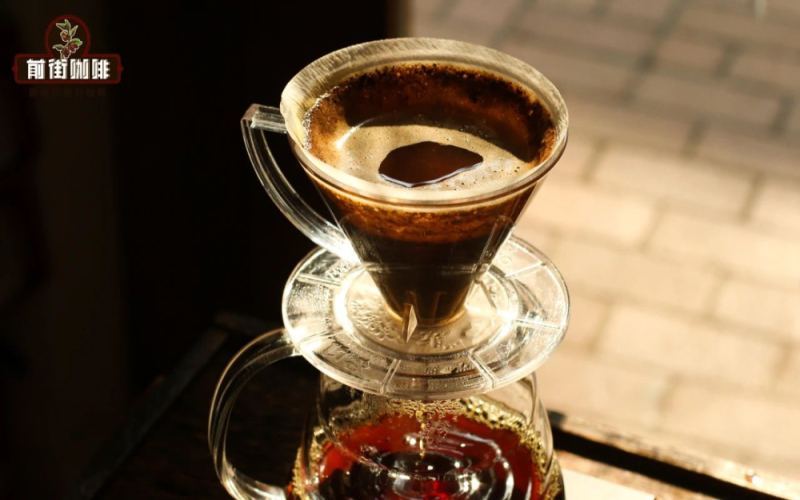
How to Calculate the Pour-Over Coffee Grounds-to-Water Ratio? A Three-Pour Water Distribution and Step-by-Step Tutorial
The flavor of pour-over coffee depends on every detail from bean selection to extraction, and the coffee-to-water ratio is one of the most critical foundational parameters. This article will systematically explain the calculation logic behind the coffee-to-water ratio, the principles of staged pouring, and a three-stage pour-over workflow suitable for beginners. At the same time, drawing on the brewing experience of Front Street Coffee, from equipment preparation and coffee bean selection to the specific allocation of water for each pour, we will break down step by step the complete process of making a delicious pour-over, helping you build a stable and reproducible brewing framework. [more…]
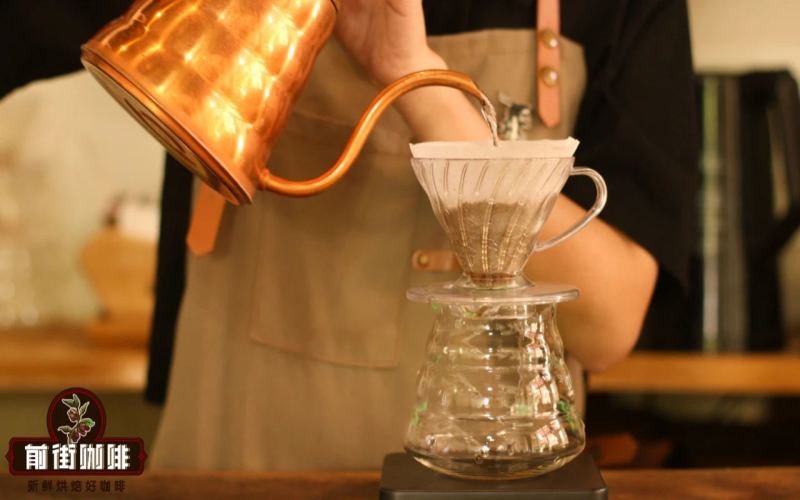
Definition of Pour-Over Coffee | What Coffee Equipment Is Needed to Make Pour-Over Coffee? How Does the Coffee-to-Water Ratio Differ Between Pour-Over Coffee and Iced Pour-Over Coffee?
What is "pour-over coffee"? Coffee beans undergo a series of chemical reactions during high-temperature roasting, generating various aromatic compounds. When we brew coffee, we use water and equipment to release these aromatic components. Pour-over coffee involves first grinding the coffee beans into powder, then pouring hot water to contact the coffee bed, "dissolving" the substances in the coffee. [more…]

Is red wine process coffee soaked in red wine? Analyzing the winy natural process at Hartmann Estate and its flavor profile
Front Street Coffee was recently asked: Does the red wine process mean soaking coffee beans in red wine? Will the finished product contain alcohol? In fact, the red wine process simply borrows the idea of wine fermentation to process coffee cherries; it does not involve soaking in red wine. During fermentation with the mucilage, a trace amount of alcohol is indeed produced, but after high-temperature roasting it has long since evaporated completely, so there is no need to worry about residue. In this article, Front Street Coffee takes the red wine process coffee beans from Panama's Hartmann Estate as an example, from the estate's background, the characteristics of the Catuai variety, and the operational details of controlled fermentation, to the roasting curve, cupping report, and V60 brewing parameters, to fully break down how this coffee with vinous notes is born. [more…]
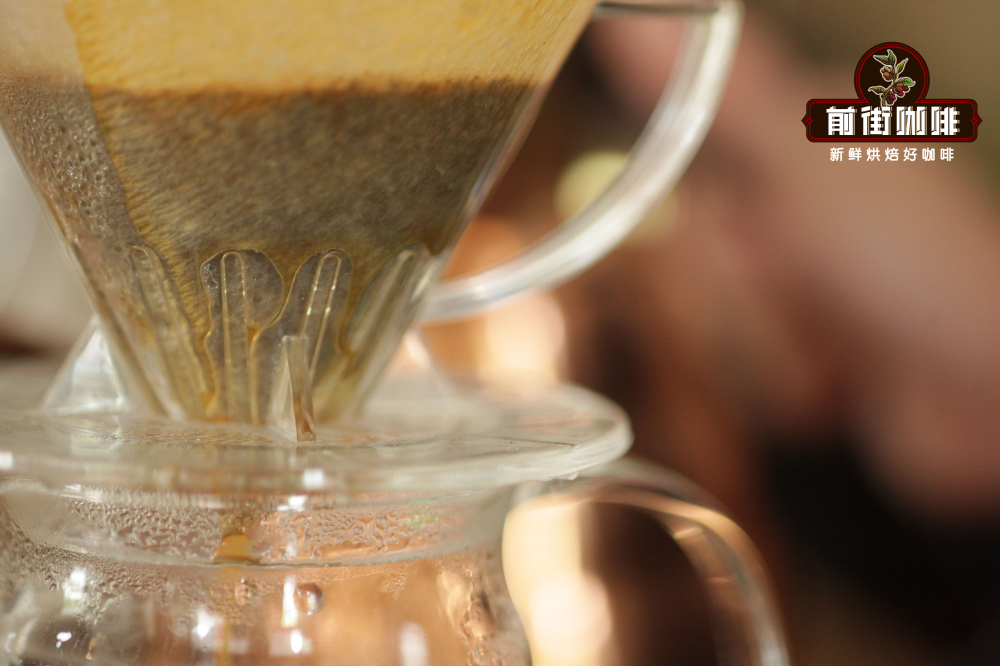
Pour-over coffee method step-by-step guide | What is the best golden coffee-to-water ratio for pour-over? How to adjust water temperature and brewing time parameters?
The charm of pour-over coffee lies in the ability to adjust various subtle parameters and tweak the extraction variables at different stages to achieve a cup with the flavor and mouthfeel you enjoy. Front Street Coffee believes that the coffee-to-water ratio is a very important parameter affecting pour-over coffee. Mastering the coffee-to-water ratio not only makes the extraction more stable but also allows the flavor to present more [more…]
Pour-Over Coffee Three-Stage Pouring Technique: A Detailed Guide to Water Distribution and Calculation for Each Stage
The charm of pour-over coffee lies in precisely controlling the extraction process through staged pouring, allowing each cup to present rich layers of flavor. This article will guide you through the basic principles of pour-over coffee, essential equipment, how to calculate the coffee-to-water ratio, and a detailed breakdown of the three-stage pouring method's specific operations and water distribution. At the same time, we'll share Front Street Coffee's brewing experience, including how to adjust parameters based on coffee bean characteristics, as well as the calculation logic and practical tips for each stage of water in the three-stage pour. Whether you're a beginner just starting out or an enthusiast looking to refine your skills, you'll find practical guidance here. [more…]
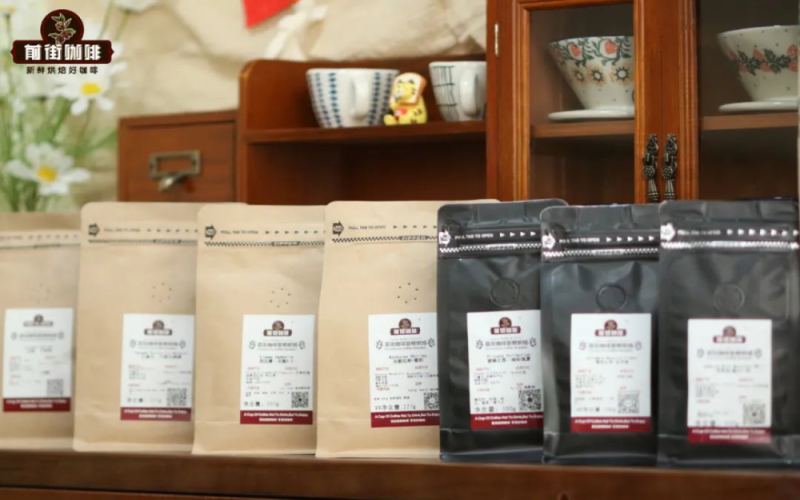
Step-by-step pour-over three-stage tutorial | What is pour-over coffee and how to calculate the water-to-coffee ratio? Three-stage pour-over coffee guide with water volume and pouring ratio for each stage
I don't know under what circumstances everyone first learned about pour-over coffee. For Front Street, it was one day when I walked into a café and saw the barista pouring water in circles over the coffee grounds in the dripper, and then getting a cup of rich, aromatic black coffee. I found it absolutely fascinating, and so I fell under the spell of pour-over coffee. What does pour-over coffee mean? [more…]

How Is Decaf Coffee Decaffeinated? Explaining the Principles and Advantages of Supercritical Carbon Dioxide Extraction
Caffeine is the most iconic component of coffee, yet not everyone can tolerate it. It is both the primary source of bitterness and a neurostimulant that affects sleep. Thus, decaffeinated coffee was created to remove caffeine. However, the challenge of decaffeination lies in how to remove only the caffeine while preserving the aroma and flavor of coffee as much as possible. Early methods using organic solvents were effective, but left consumers concerned about residues. It was not until the advent of supercritical carbon dioxide extraction technology that a truly efficient and highly selective decaffeination process was achieved. This article will guide you through the principles of this technology, its development history, and its unique advantages in coffee decaffeination, while also introducing Front Street Coffee's attention to and practice of this process. [more…]

Why Is Milk Unsuitable for Pour-Over Coffee? Analyzing the Truth of Milk-Brewed Coffee Through Temperature, Concentration, and Flow Rate
Using milk instead of water to brew pour-over coffee sounds like an interesting experiment, but once you actually try it, you'll find that getting a delicious cup of milk coffee is nearly impossible. Front Street Coffee has shared related experiments many times, and the conclusion is always the same: milk is not suitable for brewing coffee. Three core limitations lie behind this—temperature, concentration, and flow rate. Milk can neither maintain a good mouthfeel at high temperatures, nor avoid severely slowing down extraction due to its own high concentration, and it can even turn drip extraction into immersion extraction. This article will break down these limitations one by one and explain why, if you want to extract coffee with milk, immersion is the more viable direction. [more…]
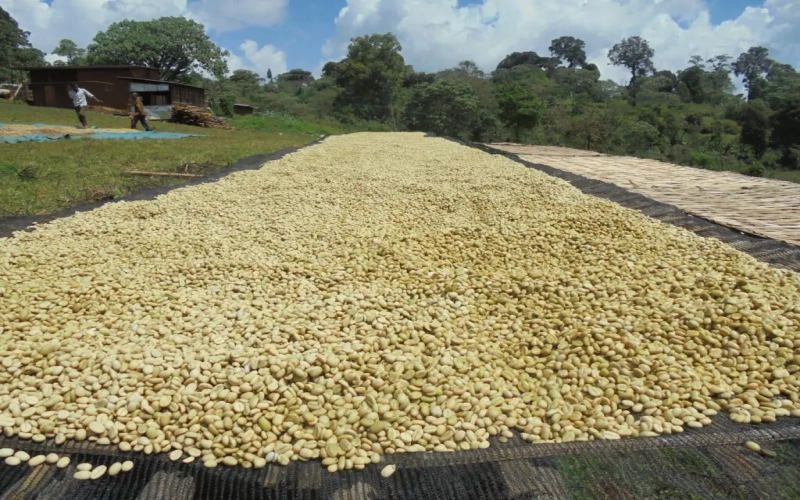
How Beginners Can Hand-Brew Specialty Yirgacheffe G1: A Complete Guide to Washed Processing Flavors and Three-Pour Extraction
Yirgacheffe is one of Ethiopia's most iconic specialty coffee regions, and the Gedeb Cooperative in the Worka area is even hailed as "the last pure land of Yirgacheffe." Starting from the region's background, washed processing methods, and flavor characteristics, this article breaks down in detail the complete three-stage pouring process and key parameters for beginners just getting into pour-over. Front Street's washed Gedeb uses a medium-light roast, presenting citrus, citric acidity, and jasmine floral notes, and is suitable for extraction with a V60 dripper at a water temperature of 92°C-93°C, with a coffee-to-water ratio of 1:15 to 1:16. The full text covers grind size selection, blooming rhythm, staged pouring amounts, and time control, helping entry-level enthusiasts consistently brew a clean, bright, and richly layered Yirgacheffe flavor. [more…]
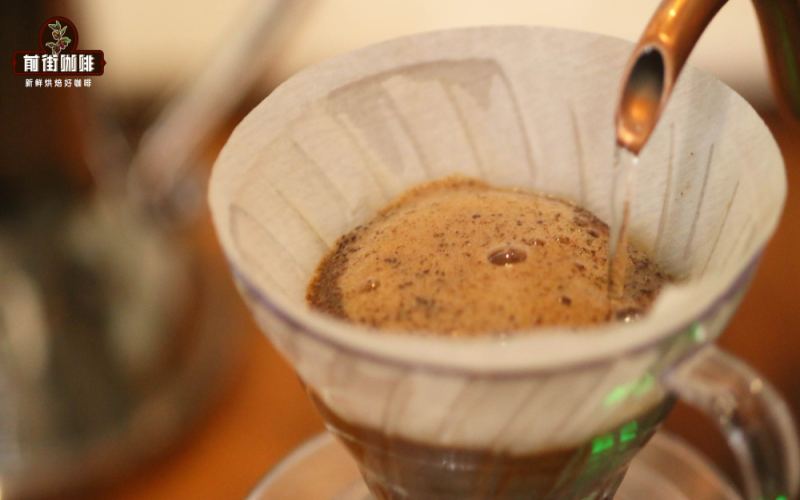
Pour-over Coffee Strength | Is the Golden Ratio of Water to Coffee for Pour-over 1:15? When brewing pour-over coffee, is more water always better?
When making coffee, the coffee-to-water ratio is the first brewing factor we need to determine. So what is the standard coffee-to-water ratio? The answer is: the golden ratio is 1:18, meaning every 1g of coffee corresponds to 18ml of water. This ratio was derived by the American Coffee Association through surveys and extensive practice. But [more…]
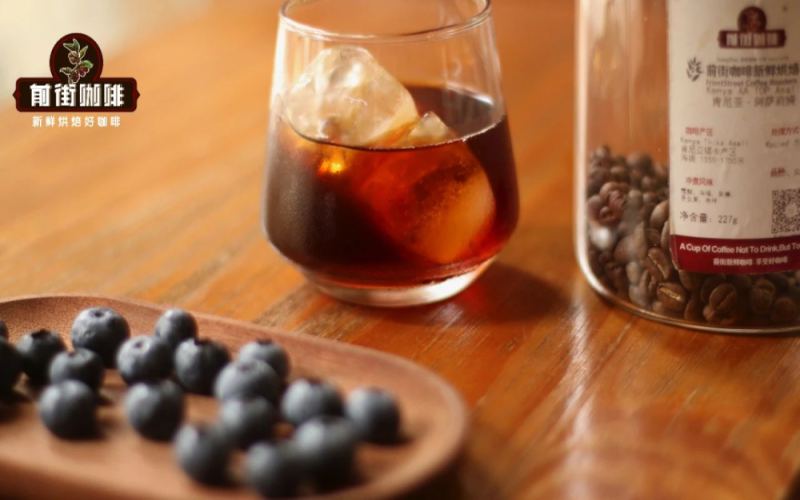
Berry Tea-Like Flavor Coffee Bean Recommendations | How to Brew Ethiopian Washed Gedingding for the Best Taste? Which Coffee Varieties Have Distinct Berry Flavors?
The term "berry" does not refer to a single specific fruit, but rather broadly denotes a category—all small, juicy fruits. However, unlike tropical fruits, berries have their own separate category in the new coffee flavor wheel released by the SCA in 2016. The berry category in the flavor wheel includes strawberry (Strawberry [more…]
How to Determine the Coffee-to-Water Ratio for Pour-Over Coffee? A Practical Guide from Calculation to Three-Stage Pouring
The coffee-to-water ratio in pour-over coffee directly determines the strength and extraction yield of the final cup, and it is the first core parameter beginners need to master. Drawing on Front Street Coffee's brewing experience, this article first explains what the coffee-to-water ratio means and how to calculate it, then explains why water should be poured in stages, and provides a universal three-stage method suitable for beginners: 15 grams of coffee, a 1:15 ratio, 225 milliliters of total water, completed in three pours of 30, 95, and 100. The article also includes a list of equipment, bean selection advice, reference water temperature and grind size, and specific steps for using Front Street washed Yirgacheffe with a Hario V60, helping readers build a stable brewing framework. [more…]
Flavor Characteristics of Light Roast Coffee Beans and Pour-Over Parameters Explained: From Roast Curve to Extraction in Practice
Green coffee beans go through multiple stages during roasting, including dehydration, yellowing, first crack, and second crack. Light roast beans are usually dropped between the middle of first crack and before first crack ends, retaining more organic acids and therefore presenting bright acidity and delicate aromas. This article begins with the differences between light and dark roasts, then details the flavor characteristics of light roast coffee beans, and recommends five Front Street light roast beans suitable for beginners, covering origins such as Ethiopia, Kenya, and Panama. In addition, the article shares Front Street's three-stage pour-over recommendations, including coffee-to-water ratio, water temperature, grind size, and pouring rhythm, to help you better extract the floral and fruity notes of light roast coffee. [more…]
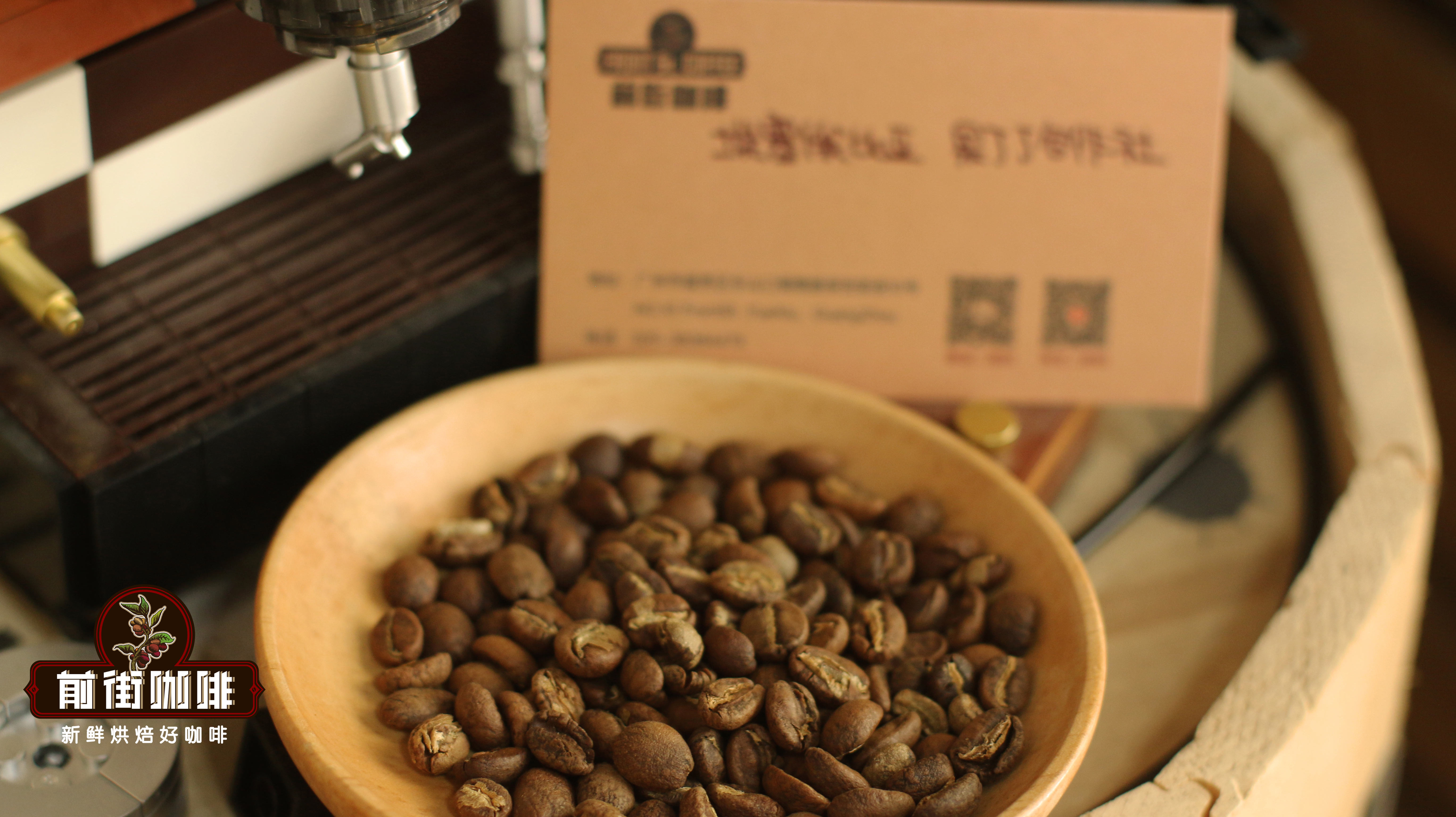
Exploring the Yirgacheffe Gedeb Cooperative: A Comprehensive Analysis of Washed Processing and Pour-Over Parameters
Yirgacheffe, as Ethiopia's most representative specialty coffee region, is deeply favored by coffee enthusiasts for its unique citrus and floral flavors. Front Street Coffee has ventured deep into the Yirgacheffe region to bring you the washed Yirgacheffe from the Gedingding Cooperative, a bean renowned for its highly distinctive fruity profile. This article provides a comprehensive introduction to the Gedingding Cooperative's background, the terroir characteristics of the Yirgacheffe region, the detailed process of the washed processing method, and Front Street Coffee's roasting and pour-over extraction parameters, helping you gain a deeper understanding of this coffee's allure. [more…]
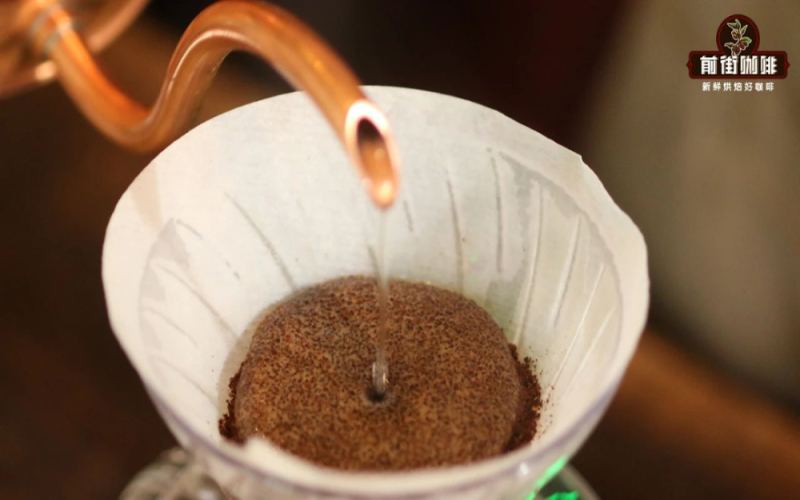
A Complete Guide to Three-Pour Hand-Brewed Coffee: Blooming Techniques, Water Distribution, and V60 Practical Guide
The three-pour method is one of the most classic and highly regarded extraction techniques in pour-over coffee. By splitting the total water volume into three pours and including two interruptions in between, it adjusts the proportion of flavors from the front, middle, and back ends of the coffee. Starting from the principles of staged pouring, this article breaks down the blooming step in detail and the logic behind water distribution for each stage. Using 15 grams of Front Street washed Yirgacheffe with a Hario V60 dripper as an example, it provides a complete demonstration of the three-pour pour-over process and parameter settings, helping coffee enthusiasts master this brewing method that balances harmony and complexity. [more…]
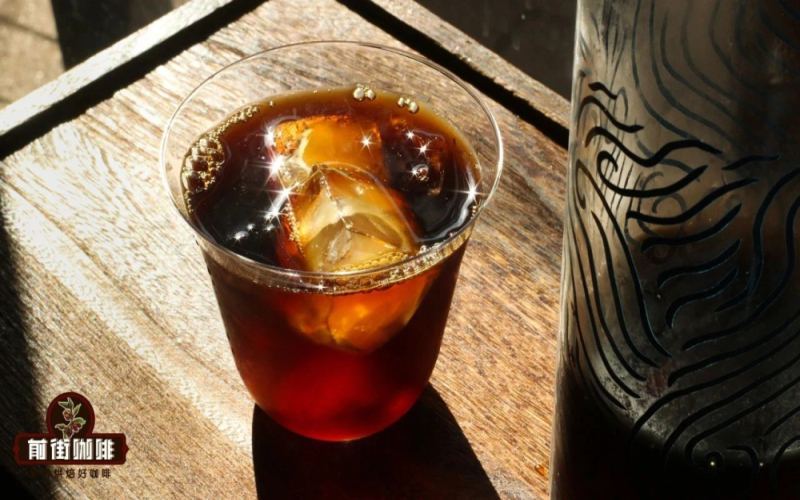
How do you make Japanese-style iced pour-over coffee that actually tastes good? A complete step-by-step guide and parameter breakdown using Golden Mandheling as an example
On a midsummer afternoon, the high temperature makes people drowsy, and a glass of iced black coffee is often the most direct antidote. But when making iced pour-over with dark-roasted beans, the lack of the final stage and dilution from ice often make it bitter and watery. This article uses Front Street PWN Golden Mandheling as an example to share an improved iced brewing method: by lowering the water temperature, coarsening the grind, reducing the total pouring volume, and using a five-stage low-flow pour to extend the extraction time, the result is a cup of iced coffee that is neither bitter nor astringent, with deep aroma and a sweet, smooth body. The article details the coffee dose, water volume, ice amount, water temperature, grind size, and pouring rhythm, making it suitable for coffee enthusiasts who want to replicate professional-level iced pour-over at home. [more…]
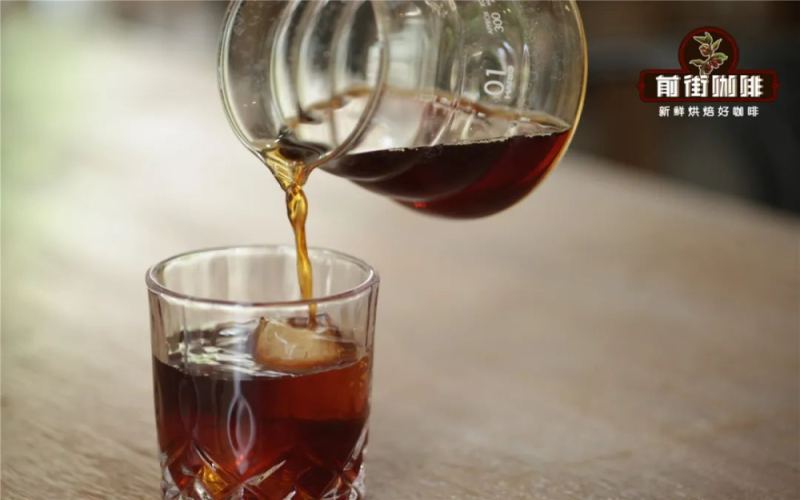
Brazil Queen's Estate Natural Process Iced Pour-Over Coffee Method: A Detailed Guide to Ratios, Flavor Profile, and Brewing Key Points
Brazilian coffee is known for its rich, mellow bitterness, forming a stark contrast with the floral and fruity acidity of African beans. If Brazilian beans are used for iced pour-over, what kind of flavor profile would they present? This article takes Front Street Coffee's Queen's Farm sun-dried coffee beans as an example, systematically sorting through the grinding size, water temperature, dripper selection, and coffee-to-water ratio for iced pour-over, from the growing region background and processing method to the roasting approach, and provides a complete brewing procedure. Queen's Farm is located in the Mogiana region and has won multiple Brazil COE awards since 1999. The sun-dried processing preserves the sweetness of the fruit pulp, while the medium-dark roast highlights nutty, chocolatey notes and sugarcane sweetness. By mastering key points such as grinding finer, lowering the water temperature, and slow extraction with a KONO dripper, you can brew a clean and refreshing iced Brazilian coffee at home. [more…]
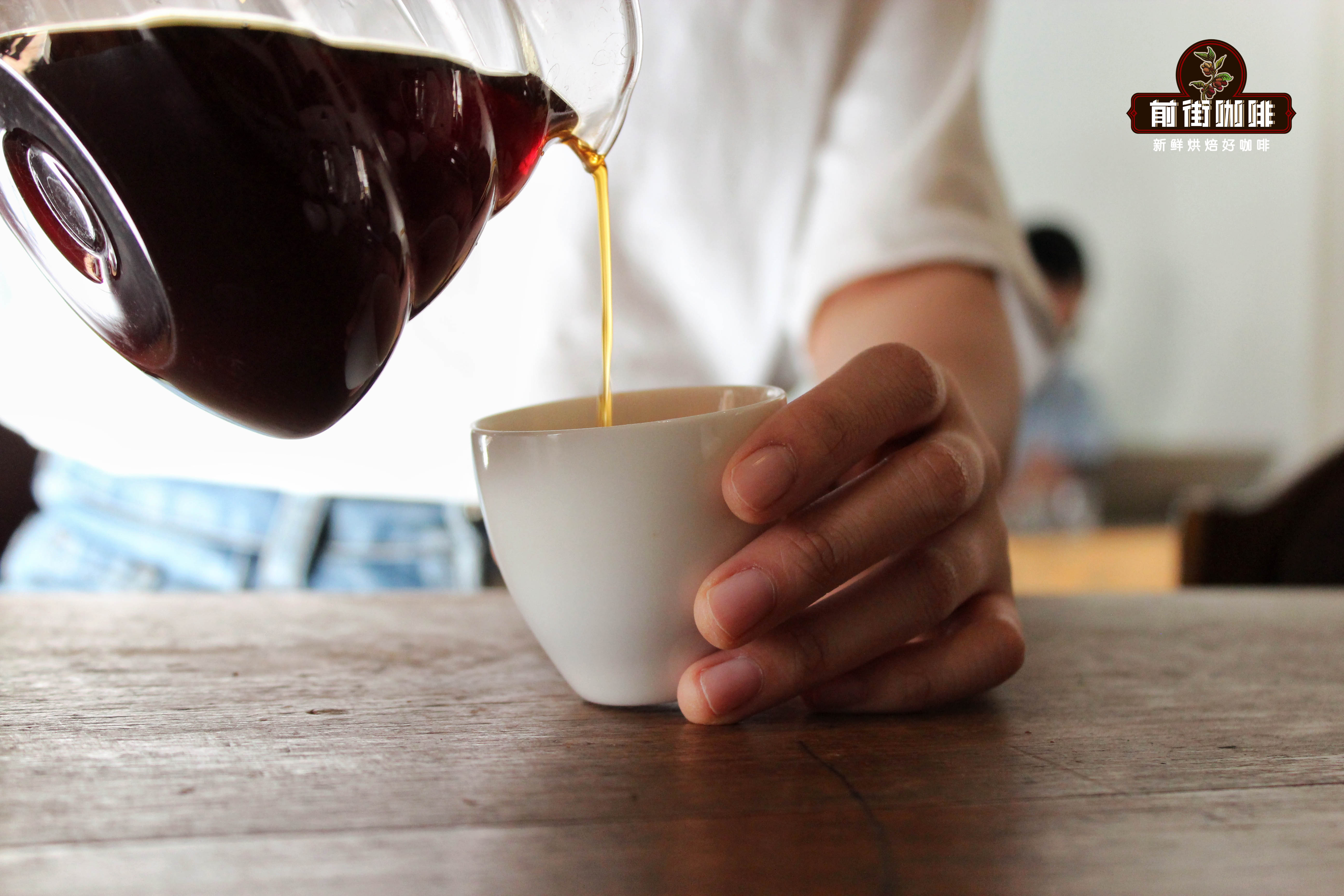
How should you drink light-to-medium roast Yirgacheffe? Front Street explains the flavor source and pour-over parameters in detail
Yirgacheffe is renowned for its bright and delicate floral and fruity aromas, making it the go-to choice for many coffee enthusiasts just getting started, and it suits brewing methods such as pour-over and cold drip. But many people find that when brewing at home, the aroma never seems as fragrant as in the shop, and the acidity isn't crisp enough either. This article, from the perspective of Front Street, explores the flavor development of medium-light roasted Yirgacheffe, the characteristics of the washed processing method, and the specific parameters and techniques of the V60 three-pour brewing method, helping readers understand how to consistently bring out the classic Yirgacheffe cup profile—an interweaving of citrus, lemon, berry, and floral notes—through water temperature, grind size, coffee-to-water ratio, and pouring rhythm. [more…]