







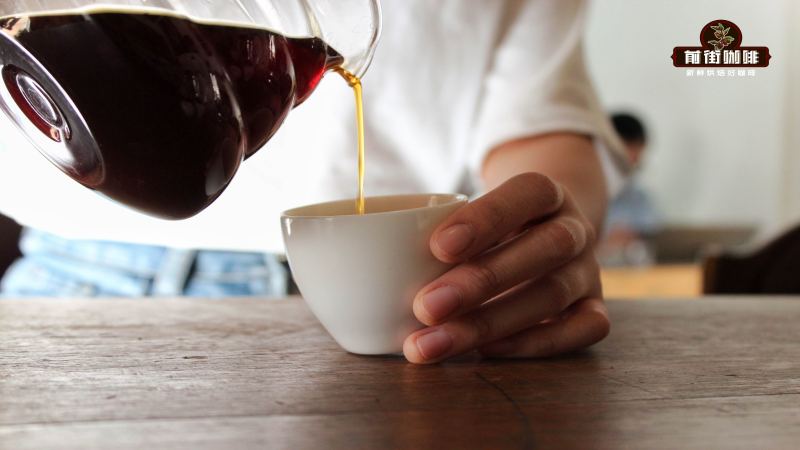
Understanding Yirgacheffe and Brewing It Well
Yirgacheffe is a medium-light roast known for citrus, lemon, berry, and floral notes with a tea-like clarity. To enjoy it, start with a washed bean and a pour-over method like the V60. Use a 1:15 coffee-to-water ratio, a medium-fine grind, and water around 200°F. A three-pour rhythm helps even extraction. If your cup tastes sour, the fix is simple: grind finer or raise the water temperature slightly.
Ethiopia traditionally used the natural dry method, but in 1972 introduced washed processing to improve quality. Yirgacheffe's wetland conditions suit washed processing, which highlights the bright acidity and floral character. For consistent results, keep your grinder calibrated and pour slowly. Cold brew can turn sour if under-extracted; adjust the ratio and steep time rather than adding sugar. These steps help you get the cafe-style cup at home.
Yirgacheffe is known for its bright and delicate floral and fruity aroma, making it the go-to entry choice for many coffee enthusiasts, and it is suitable for pour-over, cold drip, and other extraction methods. However, many people find that when brewing at home, the aroma never seems as fragrant as it is in the café, and the acidity isn't crisp enough either. This article, from Front Street's perspective, covers the flavor formation of medium-light roasted Yirgacheffe, the characteristics of the washed processing method, and the specific parameters and techniques of the V60 three-pour brewing method, helping readers understand how to consistently bring out the classic Yirgacheffe profile of interwoven citrus, lemon, berry, and floral notes through water temperature, grind size, coffee-to-water ratio, and pouring rhythm.
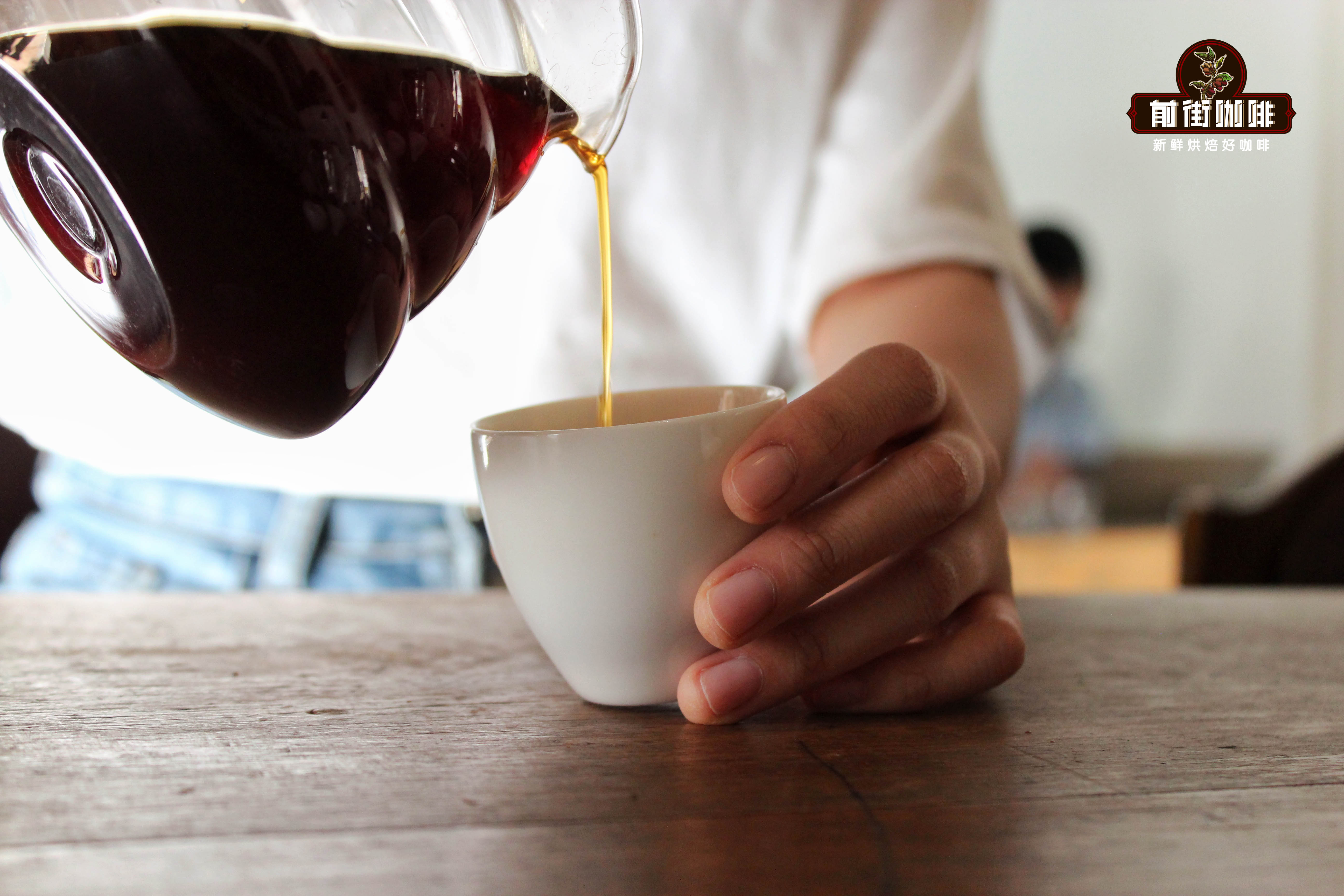
Yirgacheffe coffee has a bright and delicate, richly aromatic floral and fruity flavor. It is the entry choice for many coffee lovers getting into specialty coffee, and it is also very suitable for pour-over or cold drip extraction. However, some friends have reported that no matter how they brew at home, they just can't get that fragrant aroma from the café, and the acidity isn't crisp enough either, so they came to ask Front Street what the reason is. In the article below, Front Street will answer this friend's question.
First, let's be clear about one thing: Yirgacheffe belongs to the medium-light roast category of coffee beans.
What everyone commonly refers to as the Yirgacheffe flavor means an elegant citrus, lemon, and berry profile, plus intense floral notes, with a touch of clear tea-like quality — once you've tasted it, it's hard to forget. To present such a refined flavor and mouthfeel, the coffee's growing environment, variety, processing method, as well as the roasting and brewing stages, are all indispensable.
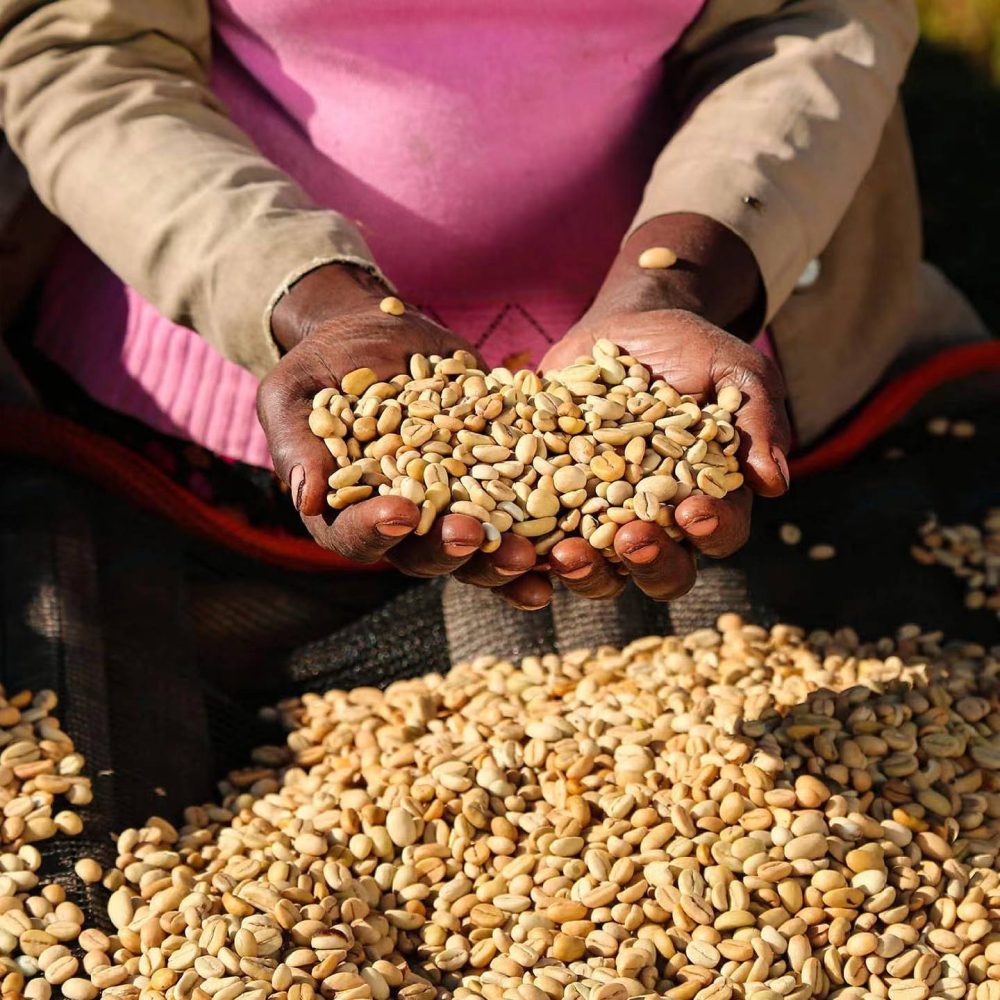
Ethiopia is located on the African continent, and water resources are not abundant, so traditionally it has always used the ancient natural (dry) method to process green beans — that is, directly drying the fruit under the sun. Because the method was relatively rough, coffee quality was generally on the lower side. It wasn't until 1972 that Ethiopia, in order to improve coffee bean quality, introduced washed processing technology and equipment from Central and South America. Unlike other producing regions, Yirgacheffe itself is a wetland, making it more suitable for the washed processing method.
What is the washed method?
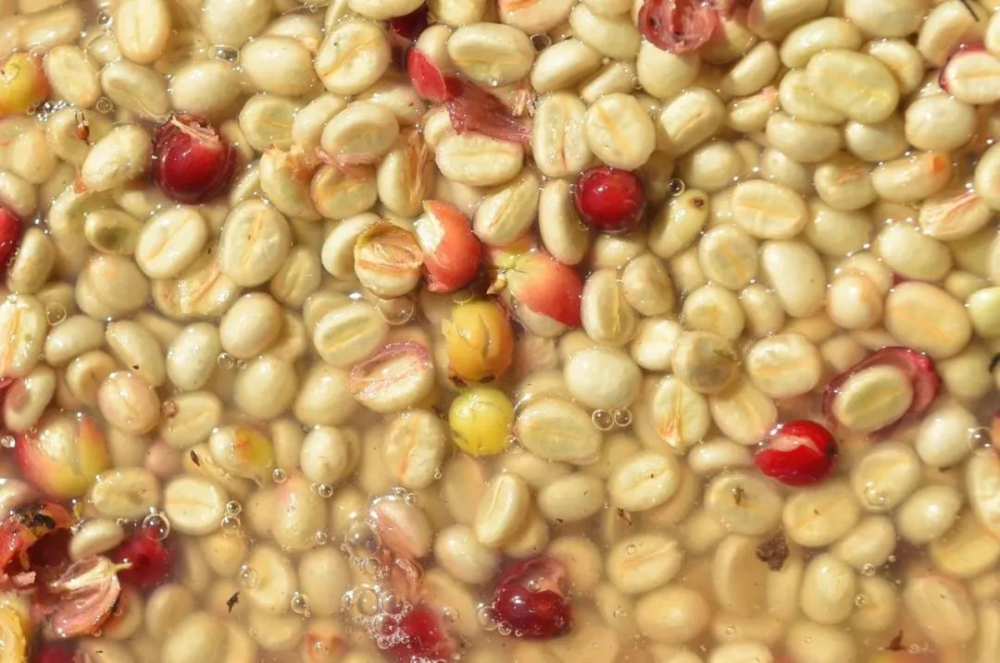
Producing regions that adopt the washed method must build washing channels and must be able to channel a continuous supply of fresh water, making production costs higher. During processing, the fermented beans are placed into the channel and pushed back and forth; through the friction between the beans and the force of the water flow, the coffee beans are washed until smooth and clean. Multiple steps in the washed process remove defective beans, greatly reducing the defect rate of the coffee, resulting in higher cleanliness and increasingly clear and transparent aroma. This measure also amplified the citrus and lemon notes inherent in Yirgacheffe coffee beans, making the mouthfeel fresher and brighter.
In the past, most of the coffee we drank was dominated by burnt bitterness. The reason coffee was so strong and bitter was mainly because roasters roasted the beans very dark, with the flavor profile leaning toward nuts and dark chocolate. Yirgacheffe coffee beans are small in size, and if deep roasting is used, they easily heat unevenly or even scorch, so roasters tend to favor medium-light roasting. Unexpectedly, they discovered that medium-light roasted Yirgacheffe not only presents elevated acidity but also has highly recognizable fruit flavors — one could say it opened a "new era of fruity-acid coffee." A preference for sweetness and an aversion to bitterness happens to be the general public's taste, which is also why Yirgacheffe is so popular around the world.
Front Street hopes everyone can taste the classic Yirgacheffe profile, so all Yirgacheffe coffee beans on the bean list are medium-light roast. Here, Front Street uses the washed Gedeb Gededin Cooperative as an example to show everyone how to brew the classic Yirgacheffe flavor.
Yirgacheffe Brewing Parameters
Dripper: V60 Water temperature: 92-93°C Dose: 15g Coffee-to-water ratio: 1:15 Grind size: fine granulated sugar (78% passing through a No. 20 sieve)
Pouring method: three-pour
Front Street. Yirgacheffe coffee beans grow at high altitude and have a relatively hard texture. In order to bring out more floral and fruity notes from the coffee, Front Street uses high-temperature water of 92°C-93°C for extraction. For grind size, Front Street recommends a medium-fine grind (78% passing rate through a Chinese standard No. 20 sieve). Too coarse and the rich, full-bodied substances cannot be extracted, making the brewed coffee taste thin. Too fine and over-extraction easily occurs at high water temperatures, making the brewed coffee prone to bitterness.
Additionally, many people report that their Yirgacheffe has no aroma and only tastes sour, sometimes even with a slight woody flavor. This indicates that the coffee's roast date is too old. When purchasing Yirgacheffe coffee, we must make sure the date is within 10 days, as this ensures a longer peak flavor window. Front Street Yirgacheffe coffee beans are all freshly roasted within 5 days and support shipping within 24 hours, ensuring the best condition.
During the cupping process, Front Street noticed that this bean exhibits different flavors at different temperatures, so the brewing technique uses three-pour extraction, allowing different flavor compounds to present their best selves as the coffee bed rises in temperature in stages. To highlight the fresh and captivating aroma of washed Yirgacheffe, Front Street uses the V60 dripper for brewing. The dripper's spiral rib design allows the coffee grounds to degas better, maximizing the volatilization and dissolution of aromatic acid compounds.
Regarding the brewing ratio, Front Street believes 1:15 to 1:16 are both acceptable. If you want a richer mouthfeel, use 1:15; if you want to more clearly perceive the floral sweetness, you can use 1:16, letting the flavors spread out more.
Reference Brewing Technique from Front Street Coffee's Barista
Based on past brewing experience, Front Street recommends that beginners just starting out use the three-pour method. Three-pour extraction helps more fully dissolve flavor compounds during extraction, adding layers to the mouthfeel, while also avoiding over-extraction from soaking for too long.
For 15 grams of coffee grounds, a 1:15 coffee-to-water ratio, and 225ml total water, the three pours are divided into: 30ml, 95ml, 100ml. The weight shown on the scale is: 30g, 125g, 225g.
First, place the folded filter paper into the dripper and fit it snugly, then wet it with water so it adheres better to the dripper. Prepare hot water and a thermometer for measuring temperature, and at the same time pour 15 grams of ground coffee into the dripper, then tare the scale to zero.
For the first pour, pour 30g of water to bloom for 30 seconds, starting the timer as you pour. Use a slow, small stream, starting from the center point and spiraling outward, making sure to saturate the entire coffee bed.
After 30 seconds, begin pouring the second pour of 95g with a slightly stronger but steady stream, with the goal of raising the entire coffee bed. The water stream should be poured vertically and evenly. At this point the scale timer shows 125g, and the pour is completed in about 55 seconds.
When the liquid level drops to about halfway, begin pouring the third pour of 100g using a slow, small stream in a small spiral, trying to control the stream from circling too widely, as that can easily disturb the coffee bed and cause under-extraction. The total pour amount is 225g, and the drip completes in about 2 minutes. After removing the dripper, swirl the coffee in the server to mix evenly and it's ready to taste.
The amount of water for each pour is not fixed and unchanging. We can adjust based on our accumulated pour-over experience and our understanding of the coffee beans. Front Street understands coffee brewing as an experiment with a scientific foundation. To learn pour-over well, we need to deeply investigate and understand the true meaning of each brewing parameter. Only then can we easily find experimental methods and build a brewing framework that suits us.
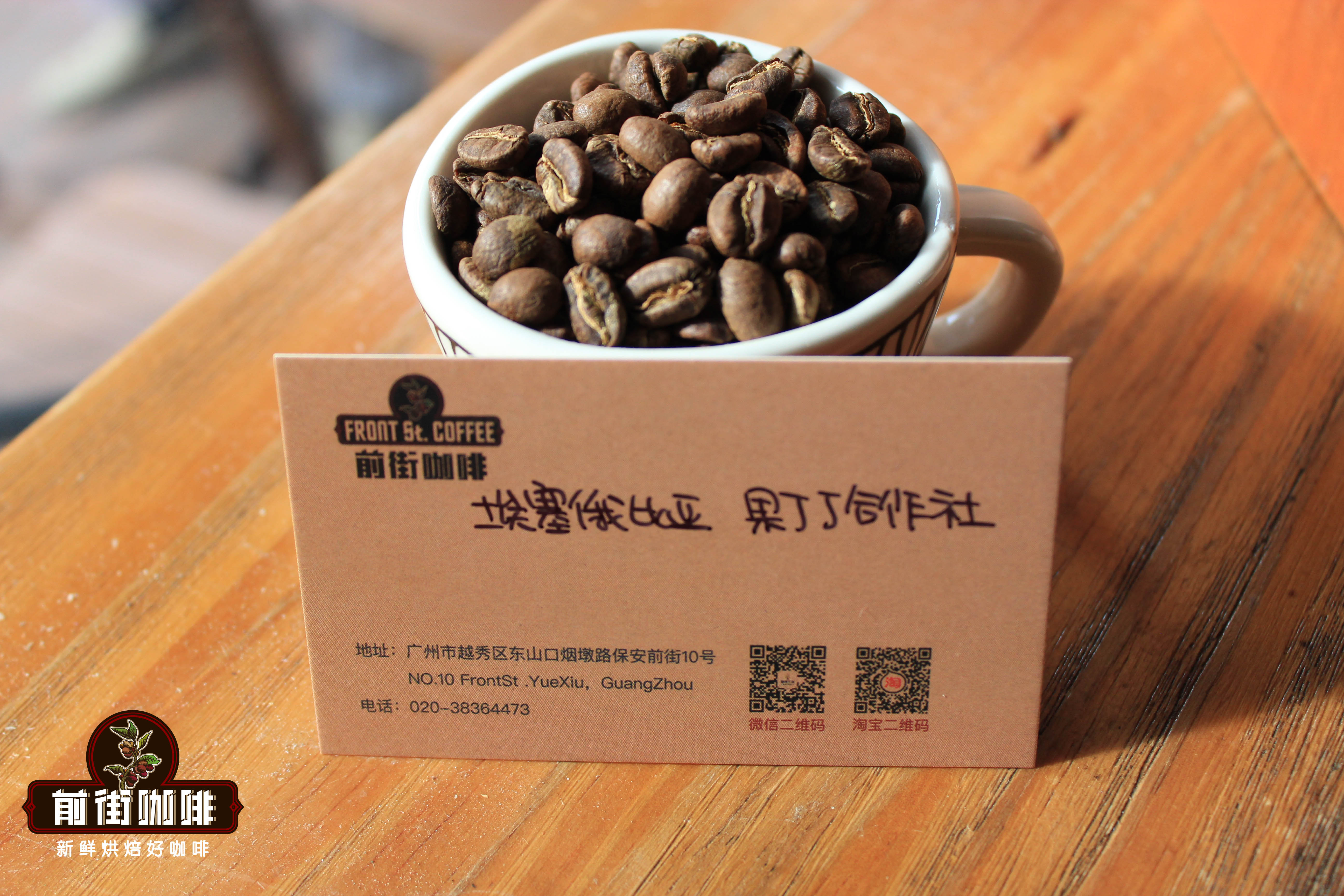
Brewed this way, Front Street. Washed Yirgacheffe Gedeb Gededin is bright lemon, citrus, and green tea, with berry, cream, and sugarcane notes in the finish as the temperature changes, with a notably sweet aftertaste and a clean, refreshing sweetness.
The above content is compiled by CoffeeHunters, a coffee news website.


