







Search Results for: Brewing Coffee Over an Open Flame

What is a Moka pot? A detailed explanation of usage steps, key points for open-flame heating, and coffee bean selection recommendations
As a classic home coffee device, the moka pot is favored by many coffee enthusiasts for its rich extraction flavor. But many people still have questions about grind size, coffee-to-water ratio, heating method, and other issues during use. This article will start from the basic structure and extraction principle of the moka pot, systematically introduce the differences between single-valve and double-valve models, the selection of capacity specifications, suitable types of coffee beans, and practical details such as grind coarseness, coffee-to-water ratio, when to turn off the heat, and whether to keep the lid open. It will also answer the common question of whether a moka pot can be heated over an open flame, and include several Front Street coffee bean recommendations to help you easily brew a rich and delicious moka pot coffee at home. [more…]
Moka Pot Safety Analysis and Correct Usage: A Complete Guide to Open-Flame Heating, Grind Size, Coffee-to-Water Ratio, and When to Turn Off the Heat
The moka pot is a staple piece of equipment in many coffee lovers' homes, but there are also plenty of questions surrounding it: Are there safety hazards? Can it be heated directly over an open flame? And how should it be operated correctly to brew a rich cup of coffee? Starting from the actual confusion of Front Street fans, this article systematically sorts out the moka pot's structural principles, the differences between single-valve and double-valve models, and capacity selection, and explains in detail the key points of coffee bean selection, grind size control, coffee-to-water ratio, heating method, and timing for turning off the heat. The article also recommends three coffees suitable for the moka pot—Front Street Coffee's specialty blend, Queen's Estate Yellow Bourbon, and Indonesian PWN Golden Mandheling—for readers to consider when purchasing. [more…]

What heat should you use for a moka pot? Can you use an open flame/induction cooker/electric ceramic stove?: The bean selection order for tasting layered flavors
Beyond sourness and bitterness, aroma, sweetness, body, mouthfeel, and finish also make up the flavor experience. The order for choosing beans: first determine the orientation—floral and fruity, nutty and cocoa, or balanced—then match it across the three dimensions of origin, processing method, and roast level. Moka pot extraction is driven by steam pressure, so just fill the filter basket with grounds and [more…]

The Complete Guide to Brewing Espresso with a Moka Pot: Bean Selection, Grind Settings, and Open-Flame Tips
Want to enjoy a rich espresso at home but haven't gotten an espresso machine yet? A moka pot may be the most economical and practical alternative. This article starts with the structure and extraction principle of the moka pot, then explains one by one the suitable roasting direction of coffee beans for the moka pot, how to judge the grind size, the clever use of filter paper, and safety precautions during use, and it also includes Front Street's recommended bean list and complete brewing steps. Whether you are a beginner just getting to know the moka pot or an enthusiast looking to refine your extraction, you will find practical references here. [more…]
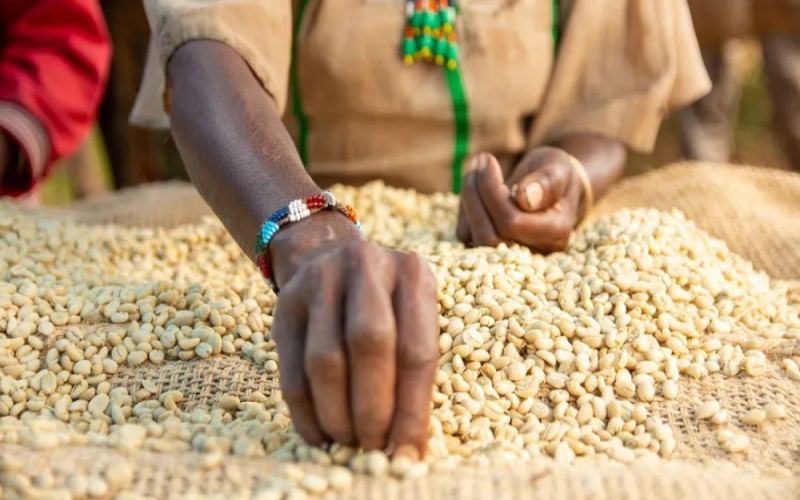
What's the difference between natural and washed Yirgacheffe? A full breakdown of flavor differences, buying tips, and pour-over parameters
Yirgacheffe is a classic region that almost every specialty coffee enthusiast cannot avoid. It offers both the bright citrus acidity and jasmine floral notes brought by the washed process, and the rich fruity aromas and fermented sweetness bestowed by the natural process. The two processing methods differ noticeably in green bean appearance, grade classification, and flavor expression, and the brewing methods they suit also have their own emphases. This article will systematically sort out the differences between natural and washed Yirgacheffe, from the principles of the processing methods, bean appearance characteristics, and taste comparison to roasting approaches and V60 practical parameters, and will also include specific product recommendations from the Front Street brand to help you make a more suitable choice based on your taste preferences. [more…]
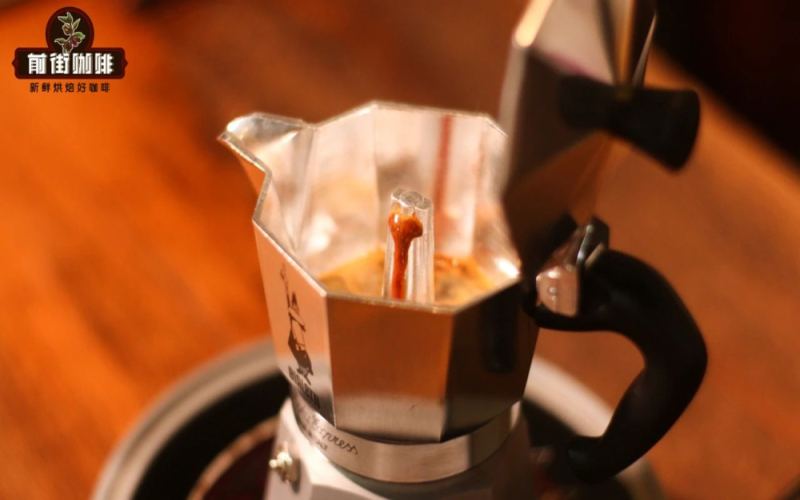
A Complete Guide to Moka Pot Heat Adjustment and Timing: Grind, Water Temperature, Cleaning, and Front Street Coffee Bean Recommendations
The moka pot, a traditional Italian coffee device, seems simple to use, but in reality, the flame intensity and timing of removal from heat greatly affect the flavor. This article provides a detailed breakdown of the moka pot's extraction principles, the differences between single-valve and double-valve models, key points on grind size and tamping, and focuses on answering practical questions such as whether to use high or low heat and when to remove it from the heat. It also offers recommendations for coffee bean selection, suggesting beans suitable for moka pots such as Front Street Black Cocoa Blend, Queen's Farm Brazil, and PWN Golden Mandheling, helping enthusiasts consistently brew rich and full-bodied coffee at home. [more…]
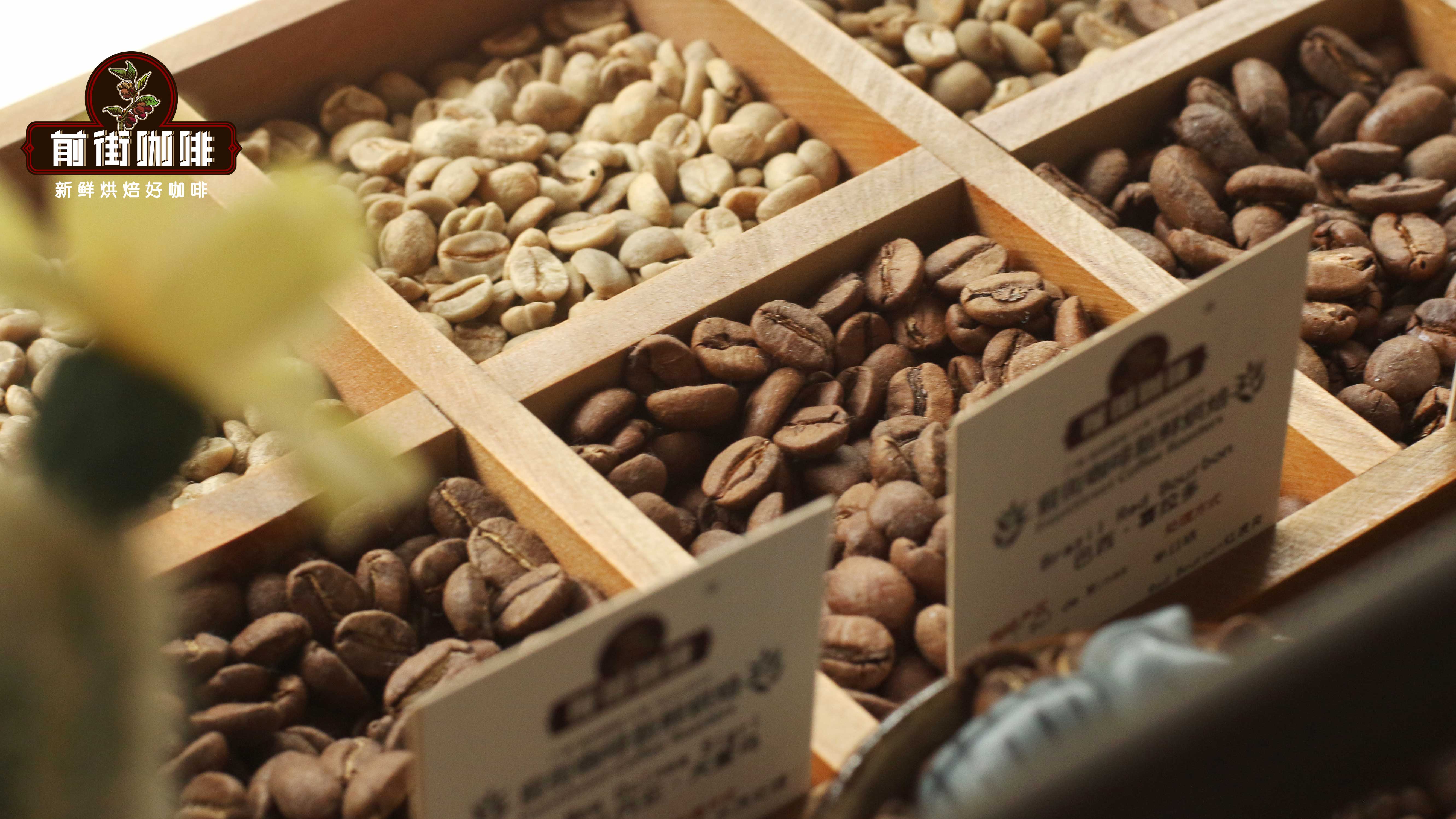
Brazilian Red Bourbon Coffee Flavor Characteristics and Pour-Over Parameters: A Complete Brewing Guide to Front Street Coffee's Everyday Beans
In Front Street Coffee's everyday bean series, the Red Bourbon from Brazil's South Minas region has always had a steady following. The term "everyday bean" refers to a daily choice that clearly expresses the typical flavors of a region while balancing price and quality. This article will explore the background of Brazilian coffee origins, variety composition, and mainstream processing methods, with a focus on explaining the specific cup profile of the Red Bourbon variety. Using Front Street Coffee's Brazil Red Bourbon as an example, it will fully disclose the roasting approach, brewing parameters, and staged extraction techniques to help coffee enthusiasts recreate at home a Brazilian single origin with prominent sweetness and full-bodied nutty notes. [more…]
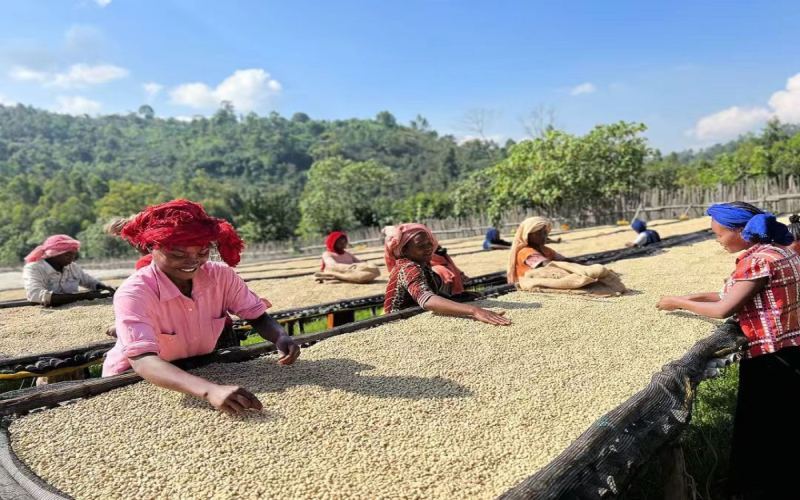
Yirgacheffe Washed Gutingding vs. Natural Red Cherry: A Comparative Analysis of Flavor Differences Under Different Processing Methods
Yirgacheffe is renowned worldwide for its clear citrus-lemon acidity, and the washed processing method has played an indispensable role in this. However, the natural (sun-dried) method also radiates a unique charm in the Yirgacheffe region. Front Street Coffee will begin with the region's background and the principles and procedures of processing methods, systematically sorting out the core differences between the washed and natural methods, and further comparing two representative beans in the Front Street shop—Ethiopia washed Gutingding and Ethiopia Yirgacheffe natural Red Cherry—in terms of their specific performance in roasting curves and cupping flavors, providing coffee lovers with a clear tasting reference. [more…]
Bolivia Waliki Estate Java Coffee Beans: The Rodriguez Family's Cultivation Story and Roast Flavor Analysis
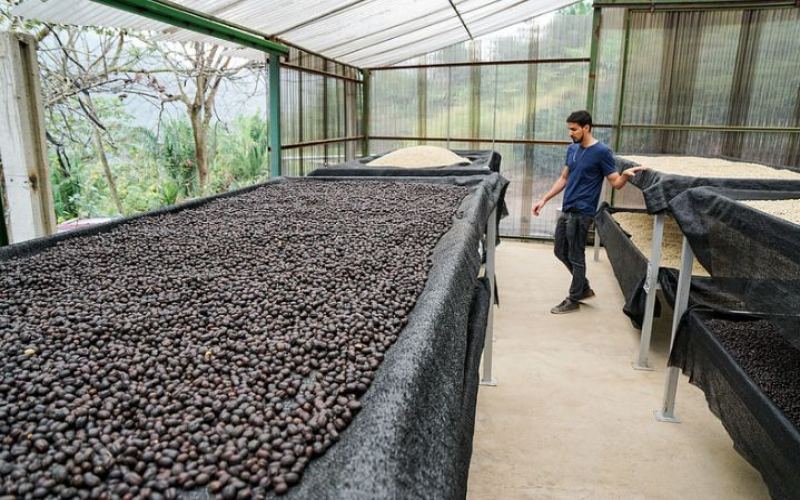
Although Bolivia is landlocked and produces scarce amounts of coffee, its superior natural conditions give rise to distinctive specialty coffee. The Rodríguez family has cultivated deep expertise over many years through Agricafe, growing special varieties such as Geisha and Java at the Huari Estate in the Caranavi region. Among these, the Java variety originated in Ethiopia and made its way to Bolivia via Indonesia and Central America, and is known for its elongated bean shape and outstanding flavor. Front Street Coffee is pleased to present this natural-process lot of Java beans from the Huari Estate, roasted on a Yangjia 800N semi-direct-fire roaster, with a cupping profile of hazelnut, cream, citrus, and fermented wine aromas. This article provides a comprehensive analysis of its origin background, variety lineage, processing method, and brewing recommendations. [more…]
Ethiopian Natural Yirgacheffe Aricha: Flavor Analysis and Brewing Guide for a Classic Fruit Bomb
Yirgacheffe Aricha is a highly representative natural-process lot among Ethiopian specialty coffees, renowned for its intense tropical fruit flavors and extremely high sweetness, and hailed by coffee lovers as a "fruit bomb." This article provides a comprehensive analysis of the unique charm of this Front Street natural Yirgacheffe Aricha G1, covering everything from the terroir of the producing region, the background of the processing station, the refined natural process, green bean characteristics, roasting curves, to cupping and brewing parameters. Whether you are a beginner just getting into single-origin coffee or a seasoned enthusiast seeking bright acidity and pronounced berry notes, you will find practical tasting and brewing references here. [more…]
A Complete Guide to Moka Pot Brewing: Principles, Single vs. Double Valve Differences, and Practical Tips on Coffee, Water, and Heat
The moka pot is a common simple espresso-style coffee device in Italian households. It is easier to operate than an espresso machine, yet it can deliver a rich and full-bodied taste. From the perspective of Front Street, this article systematically explains the moka pot's invention background, the differences between single-valve and double-valve models, and the principles of heating and extraction, while also detailing key steps such as grind size, tamping, water temperature, heat adjustment, and cleaning. At the same time, it offers recommendations for coffee bean selection, recommending three beans suitable for the moka pot: Front Street Dark Cocoa Blend, Brazil Queen's Estate, and Front Street PWN Golden Mandheling, helping enthusiasts consistently make coffee with rich crema and balanced flavor. [more…]
From 40% to 70% Geisha in Butterfly, Does It Really Count as a Blend? An Analysis of the Definition of Single-Origin Coffee
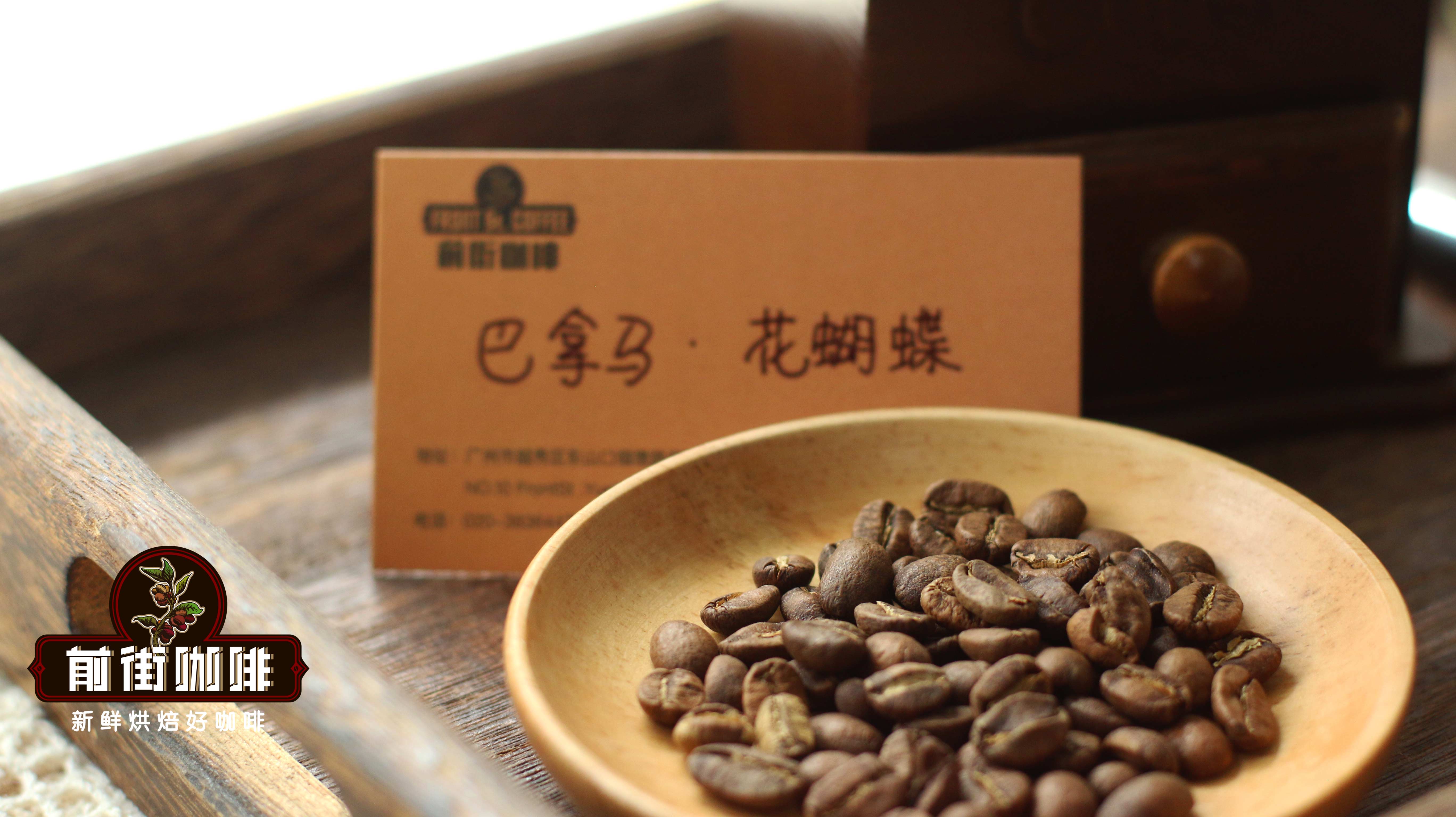
Front Street Coffee currently sells two Geisha blends—Panama Butterfly and Costa Rica Mirazu Strawberry Candy. Although their names contain the word "blend," they are essentially single-origin coffees. This article traces Geisha's journey from the forests of Ethiopia to its rise to fame in Panama, analyzes the varietal composition and terroir conditions behind Butterfly's 70% Geisha ratio, and compares the blending logic of multiple varieties at Mirazu Estate. It also explains the differences between washed and raisin honey processing, and includes Front Street's roasting curve and brewing parameters, helping readers understand why Geisha blend beans still qualify as single-origin. [more…]
How Does Moka Pot Coffee Taste? Which Coffee Beans Are Best? Plus Brewing Steps and Bean Recommendations
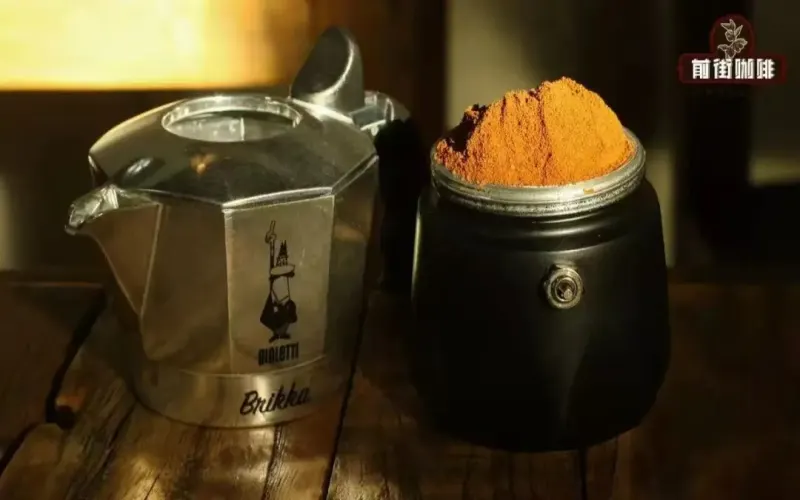
The Moka pot can complete extraction simply by being heated over an open flame or an induction cooker, so the barrier to operation is not high, but if you want to brew a delicious flavor, the choice of coffee beans is often more critical than adjusting parameters. This article will start from the extraction principle of the Moka pot, explain why medium to medium-dark roasted beans are more suitable for it, and share the performance of Front Street Coffee's three espresso blends in actual brewing. At the same time, a complete Moka pot operation process is included, from the lower chamber water temperature, coffee bed preparation, to heat control and the timing of the outflow, explaining step by step how to avoid bitterness and sharp acidity, so that Moka pot coffee can also present a rich and mellow Italian style. [more…]
Costa Rican Honey-Processed Coffee Flavor Analysis: A Brewing and Tasting Guide to the Mirazu Estate Geisha Blend
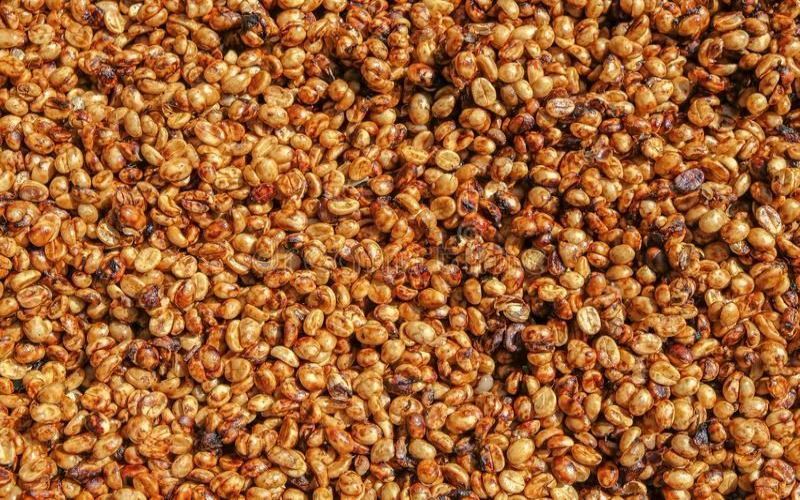
Costa Rican coffee has always been known for its balanced and smooth character, chocolatey notes, and honey-like sweetness. The Strawberry Candy Geisha blend from Mirazu Estate, newly launched by Front Street Coffee, uses the raisin honey processing method to cleverly combine the floral aroma of Geisha with the berry sweetness of ET47, SL28, and MAICO, presenting jasmine floral notes, strawberry, raisin, and a creamy mouthfeel. This article, from Front Street's origin perspective, will outline the main coffee-producing regions of Costa Rica and the terroir characteristics of Tarrazú, explain in detail Mirazu Estate's cultivation philosophy, the varietal composition of the Geisha blend, and the key points of the raisin honey processing method, and include Front Street roasters' medium-light roast profile, cupping report, and pour-over parameters, so you can fully understand and enjoy this Costa Rican honey-processed coffee with its standout sweetness. [more…]
A Detailed Guide to the Kenyan Coffee Bean Grading System and AA-Grade Coffee Tasting and Brewing
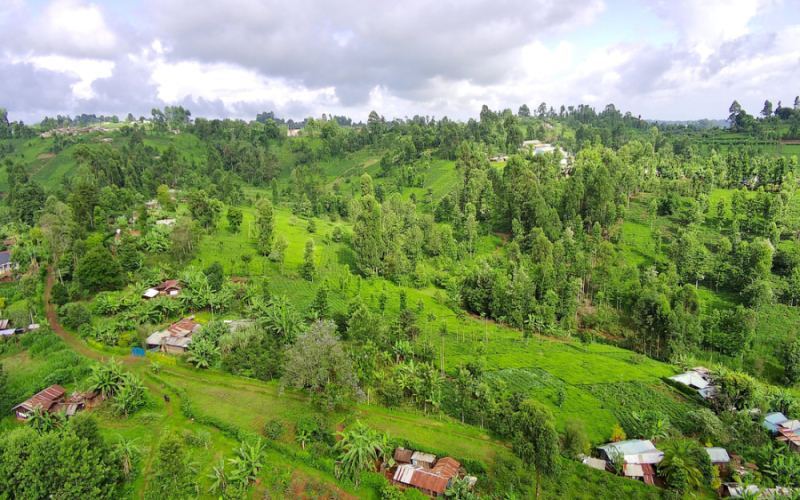
In the landscape of African specialty coffee, Kenya has always held a pivotal position. Unlike Ethiopia's bright acidity, Kenyan coffee is renowned for its full-bodied berry juice character, the acidity of smoked plums, and solid sweetness. Many coffee enthusiasts often hear the term "Kenya AA," but what exactly does it represent? How does Kenya's coffee grading system work? This article will start with Kenya's seven major producing regions, trace the origins of the two classic varieties SL28 and SL34, analyze the famous K72 washed processing method, and provide a detailed introduction to the AA grade classification standards. At the same time, Front Street Coffee will share the roasting curve, cupping report, and brewing parameters for this Kenya Thika Asali Honey Processing Station AA TOP, taking you through the complete journey of Kenyan coffee from origin to cup. [more…]
Why is Golden Mandheling roasted to a medium-dark level? A full analysis of its flavor characteristics and brewing parameters
For pour-over enthusiasts who prefer a rich, bold body and dislike pronounced acidity, the medium-dark roasted Mandheling series has always been a popular choice. As a representative of this series, Front Street Coffee PWN Golden Mandheling owes its flavor appeal largely to its roasting method. This article will start with the chemical principles of roasting, analyzing how caramelization and the Maillard reaction shape coffee flavor, explaining why a medium-dark roast can fully bring out the herbal, caramel, and pine notes of Golden Mandheling, and providing a specific roasting curve along with two brewing methods to help readers fully understand the flavor sources and extraction key points of this bean. [more…]
A Complete Guide to Brazilian Coffee Varieties and Major Producing Regions: A Guide to Natural Processing and Bourbon Coffee Brewing
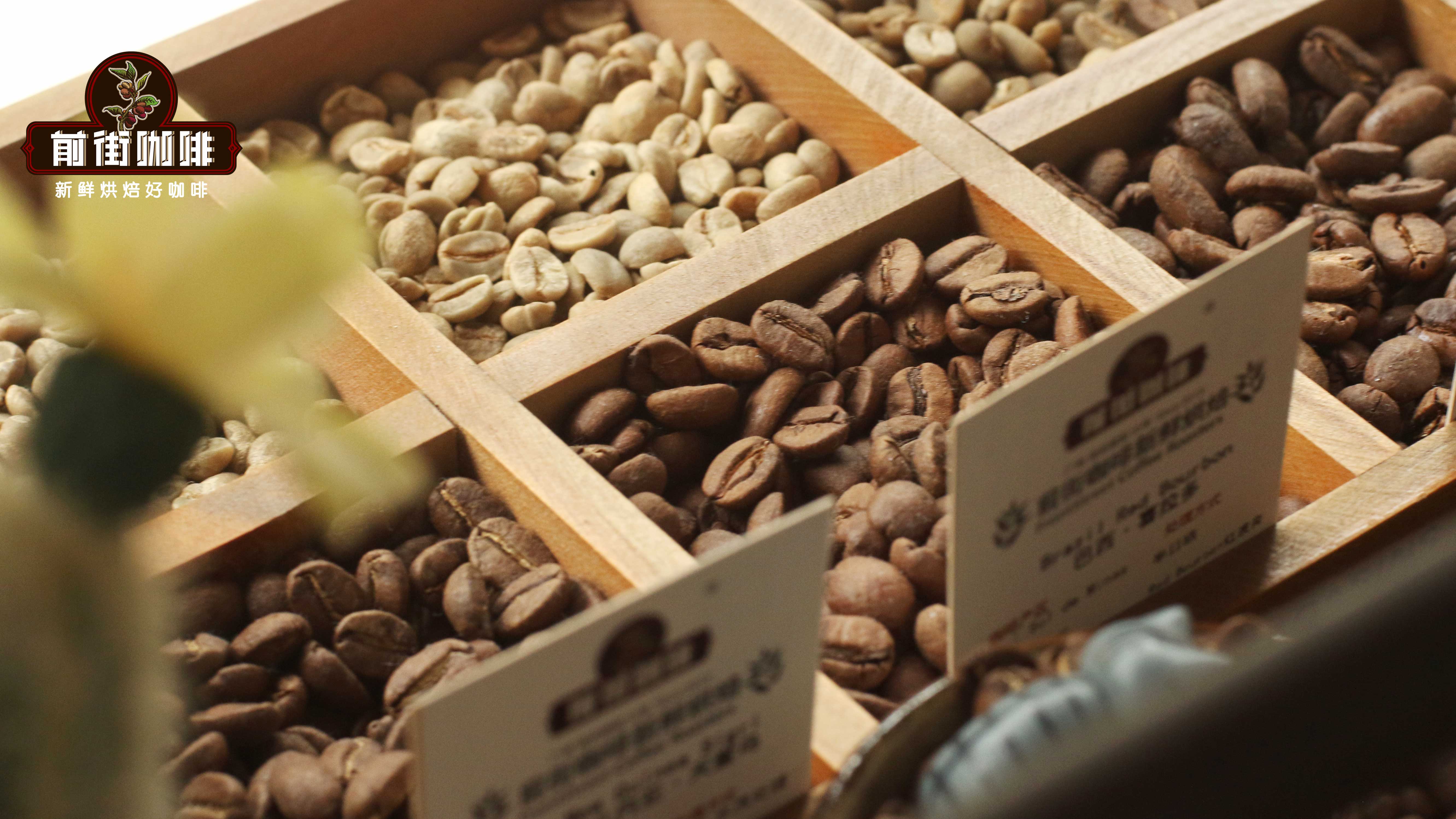
As the world's largest coffee producer, Brazil's coffee-growing history and variety evolution have profoundly shaped the global coffee landscape. From the introduction of Typica in the 18th century to the successive emergence of Bourbon, Caturra, Catuai, Mundo Novo, and other varieties, Brazil has not only nurtured many classic coffee varieties but also invented the pulped natural processing method to cope with climate and water resource challenges. This article will systematically sort out the variety lineage and main producing regions of Brazilian coffee, with a focus on Front Street Coffee's Red Bourbon and Queen's Farm Yellow Bourbon, along with detailed roasting analysis and pour-over brewing suggestions. [more…]

Moka Pot Extraction Principles and Operation Guide: How to Make Rich and Full-Bodied Espresso-Style Black Coffee with a Moka Pot
The moka pot is a brewing tool kept in the homes of many coffee lovers. It uses steam pressure to push hot water through a bed of coffee grounds, producing a concentrated, intensely flavored cup of coffee. But if you want to consistently make a delicious espresso-style black coffee with a moka pot, every step matters—from grind size and how you load the grounds to the heat level. This article starts with the working principle, then breaks down the moka pot's usage steps and precautions in detail, and offers recommendations for choosing coffee beans suited to the moka pot, including the flavor characteristics and suitable scenarios of several Front Street Coffee espresso blends, helping you easily brew a fragrant, golden-crema espresso at home. [more…]

A Complete Guide to Moka Pot Brewing Questions: Cleaning and Maintenance Methods and a Comparison of Aluminum vs. Stainless Steel Materials
As a traditional Italian coffee apparatus, the Moka pot is favored by enthusiasts for its simple operation and rich flavor. This article systematically organizes common questions about the Moka pot's brewing principles, grind size and tamping key points, water temperature control, and heat adjustment, and explains cleaning and maintenance methods in detail. At the same time, it compares the advantages and disadvantages of aluminum and stainless steel materials, and answers various questions that arise during use. The article also combines recommendations from the Front Street Coffee brand to provide coffee bean selection suggestions for readers pursuing a full-bodied or balanced flavor, helping you easily master Moka pot extraction techniques. [more…]
A Complete Guide to Brewing Coffee with a Moka Pot: Principles, Techniques, Pros and Cons, and Recommended Medium-Dark Roast Beans
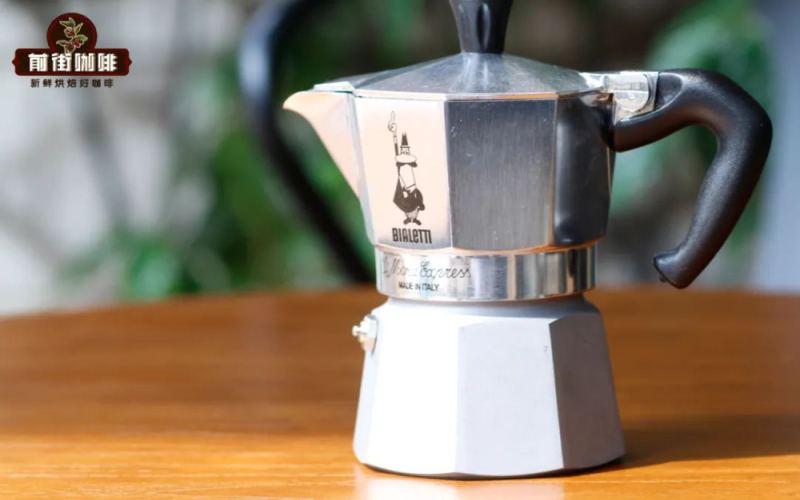
As a convenient household coffee brewing tool, the moka pot is favored by many coffee enthusiasts thanks to its compact size and affordable price. Using the Bialetti moka pot as an example, this article systematically introduces its extraction principle, operating steps, advantages and disadvantages, as well as the types of coffee beans suitable for moka pot brewing. At the same time, the article will also explain why it is difficult to brew a true espresso with a moka pot, and share several medium-to-dark roasted espresso blends and single-origin beans from the Front Street brand that are suitable for moka pots, helping you easily make a rich and aromatic cup of coffee at home. [more…]