







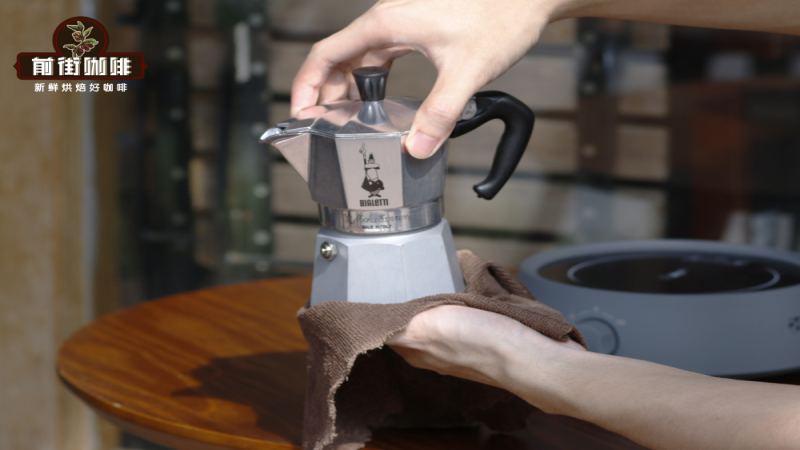
How Does a Moka Pot Brew Coffee, and What Grind Should You Use?
A moka pot brews by steam pressure: the base holds water, the filter basket holds finely ground coffee, and the upper chamber collects the liquid. Heating the base builds 1.5-2 bar of pressure, pushing hot water up through the coffee bed. That is far below the 9 bar of an espresso machine, yet enough to extract oils and produce a rich, concentrated cup.
For moka pot coffee grind, keep the particles fine and consistent, closer to espresso than to drip, and fill the basket level without tamping. Common ratios start around 1:10 coffee to water, and the pot can sit on an open flame. Turn off the heat once the flow turns pale and sputters, and leave the lid closed to keep the brew even.
The moka pot, as a classic household coffee device, is favored by many coffee enthusiasts for its rich extraction taste. However, many people still have doubts about grinding degree, coffee-to-water ratio, heating methods, and other issues during use. This article will start from the basic structure and extraction principle of the moka pot, systematically introduce the differences between single-valve and double-valve, the choice of capacity specifications, suitable coffee bean types, as well as practical details such as grind size, coffee-to-water ratio, when to turn off the heat, and whether to open the lid. It will also answer the common question of whether a moka pot can be heated over an open flame, and include several coffee bean recommendations from Front Street to help you easily brew a rich and delicious moka pot coffee at home.
Recently, a fan of Front Street became obsessed with brewing coffee using a moka pot, especially enjoying a rich moka pot brew in the early morning. However, this fan was unsure whether their method of using the moka pot was correct, so they specifically came to ask Front Street for advice.
Front Street's view is that the moka pot is a typical household coffee device, and there is no need to be restricted by too many rules. As long as you grasp a few key operating points, the rest can be flexibly adjusted entirely according to personal taste.
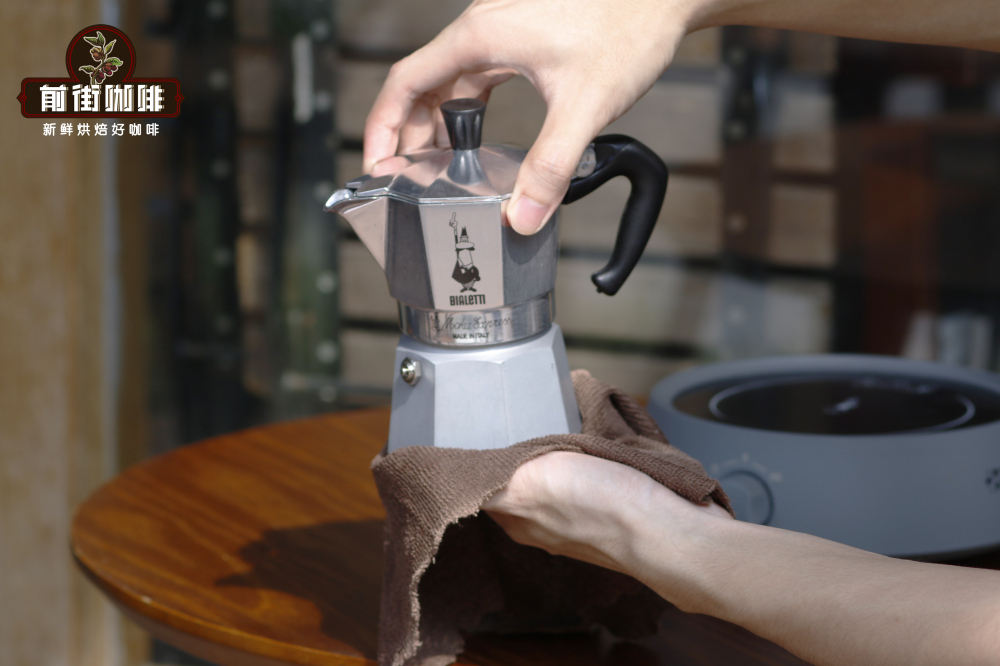
What is a moka pot?
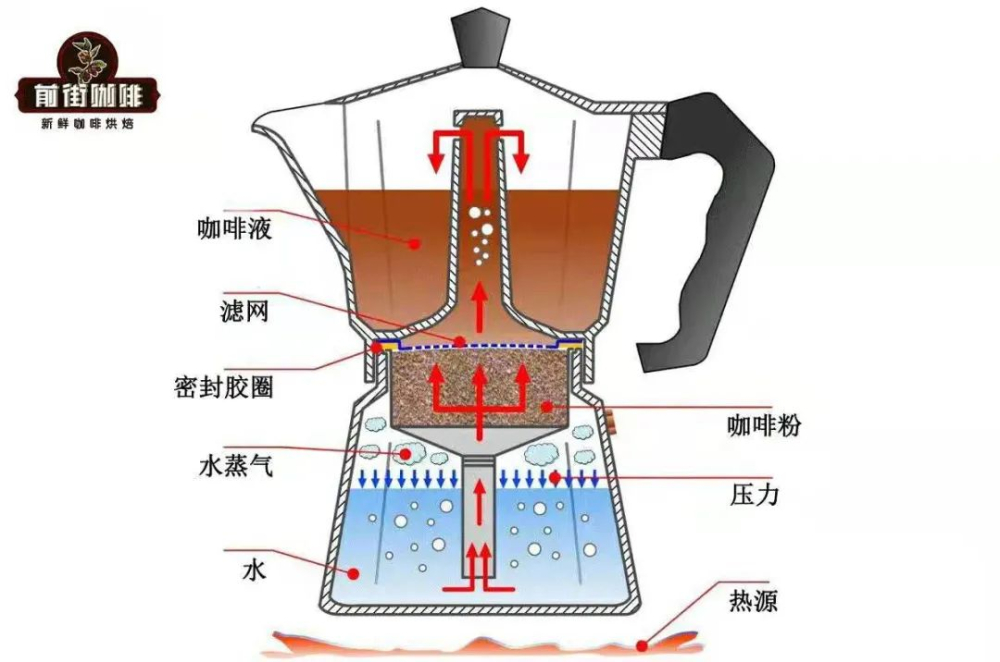
A moka pot consists of three parts: the upper chamber, the filter basket, and the base. The base is responsible for holding water, the filter basket is used to hold finely ground coffee, and the upper chamber receives the extracted coffee liquid. The working principle of the moka pot is not complicated—it relies on the steam pressure generated after the lower chamber is heated. When the pressure is sufficient to penetrate the coffee powder layer, the hot water is pushed up into the upper chamber, thereby brewing aromatic and rich coffee.
Although the pressure produced by a moka pot (1.5-2bar) is significantly lower than that of an espresso machine (9bar), it can still extract coffee oils, and the taste is quite rich. Through the image of FrontStreet Coffee below, you can intuitively see its internal structure and extraction process.
Moka pots are also divided into single-valve and double-valve types, and the double-valve version can produce more coffee oils than the single-valve. The so-called single valve means that the coffee liquid flows out directly from the two small holes at the top of the hollow tube; while the double valve adds a pressure-regulating valve on the basis of the hollow tube. This valve normally blocks the liquid outlet, and only when the steam pressure reaches a certain level can it be pushed open, allowing the coffee liquid to spray out. The coffee flavor brewed by the two structures also differs: single-valve moka pot coffee has lower concentration and less oil, while the double-valve has higher concentration and richer oil.
The capacity of a moka pot is generally labeled in "cups" or "servings." Common specifications on the market include 1, 2, 3, 6, 9, 12, and 18 servings, etc. One cup of coffee requires about 30–40 milliliters of espresso liquid. If it is for single or double use, choose the smallest size of 1–2 cups; if you usually like to share with friends, 3 servings is more suitable; if a family needs to brew more than three cups at a time daily, you can choose a larger multi-serving model, though the price will be correspondingly higher.
Point one: What coffee beans to use
The final flavor of the brewed coffee is closely related to what coffee beans you choose. Front Street usually recommends choosing beans with a medium roast level or above, because coffee beans roasted too light tend to have a prominent sour taste when brewed, making them less comfortable to drink. Below, Front Street recommends several coffee beans that we have tried and found good for reference. You can place orders at the Front Street Tmall flagship store or the Front Street Taobao store.
The first one, Front Street Specialty Blend Coffee Beans, is composed of Front Street Brazil Pulped Natural Coffee and Front Street Colombia Washed Coffee, belonging to an espresso blend, with a cup profile featuring obvious notes of nuts, roasted peanuts, cocoa, cream, and caramel.
The second one, Brazil Queen Estate Yellow Bourbon, uses a medium roast, highlighting a very sweet sucrose-like quality. Whether drunk directly or made into milk coffee, its performance is remarkable.
The third one, Indonesia PWN Golden Mandheling. Pawani's Golden Mandheling is one of the highest-quality coffee beans in Indonesia, combining Mandheling's mellow, full-bodied, and strongly aromatic characteristics, with quite good cleanliness as well, suitable for people accustomed to drinking bitter coffee.
Point two: Moka pot coffee grind size
When making moka pot coffee, grind size is a very critical factor. If ground too coarse, the coffee liquid easily splatters out—the lid of the moka pot also serves to prevent splashing and burns; if ground too fine, the coffee liquid does not easily penetrate the powder layer and rise up, and the brewed coffee will have an obvious burnt bitter taste.
The powder diameter is about 0.3-0.55mm, which looks similar to the grind size of an espresso machine to the naked eye, but is actually slightly coarser than the powder used for espresso.
Point three: Coffee-to-water ratio
Many friends ask Front Street how much water to put in a moka pot and how much coffee powder to add. Actually, this question should not be asked to Front Street, but depends on how much water your pot can hold and how much powder it can hold. When making moka pot coffee abroad, it is rarely precise enough to use a scale for weighing. Because the lower chamber has a pressure relief valve, as long as the water level does not exceed that valve, it is fine; usually you can just pour directly to below the pressure relief valve. The amount of powder is likewise determined by the capacity of the filter basket. Be sure to fill the filter basket completely, and do not leave gaps without pressing.
When making moka pot coffee, there is no need to tamp the coffee powder, which is quite different from an espresso machine.
Point four: When to turn off the heat
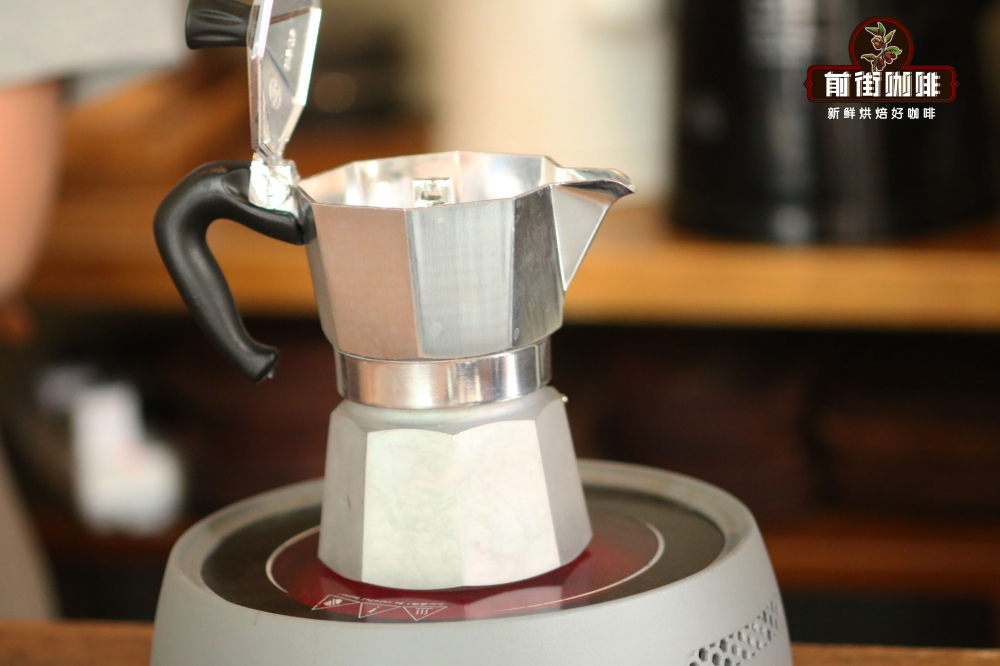
There are many choices for heating a moka pot. Common household appliances such as the electric ceramic stove and induction cooker that Front Street usually uses can all be put to use. In addition, an open flame can also heat a moka pot, but Front Street would like to remind you: keep it on low heat throughout, and once the coffee liquid starts to flow out, immediately remove it from the heat source to prevent burns.
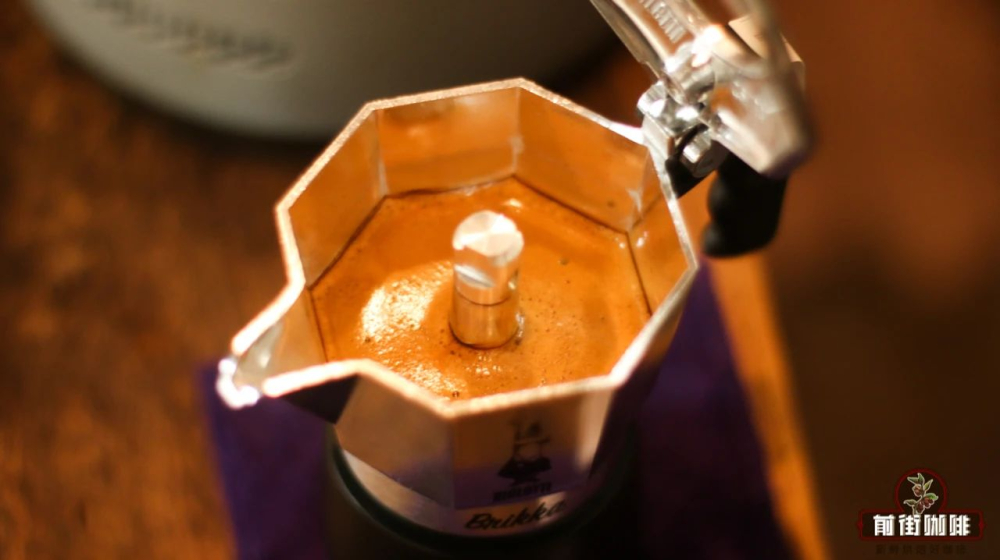
When brewing a moka pot, the heat should be even, and medium heat is ideal. When you hear a "wuu wuu wuu" sound, you can open the lid to observe, and at the moment the first drop of coffee liquid sprays out, you can turn off the heat. If you keep heating over high heat, or wait until the coffee boils before turning off the heat, this cup of coffee will most likely carry a burnt taste.
Point five: Do you need to open the lid when brewing a moka pot?
Some friends see in videos that people like to keep the lid open when brewing a moka pot, but that is actually to let the audience see the scene of coffee liquid gushing out. Under normal circumstances, there is no need to open it. But if you are unsure when to turn off the heat, you need to open the lid to observe the gushing state of the coffee liquid. Of course, if the lid is kept open throughout, the coffee liquid may splash out and burn the skin, so this needs attention.
The above content is compiled by CoffeeHunters, a coffee news website.


