







Search Results for: Brand Marketing
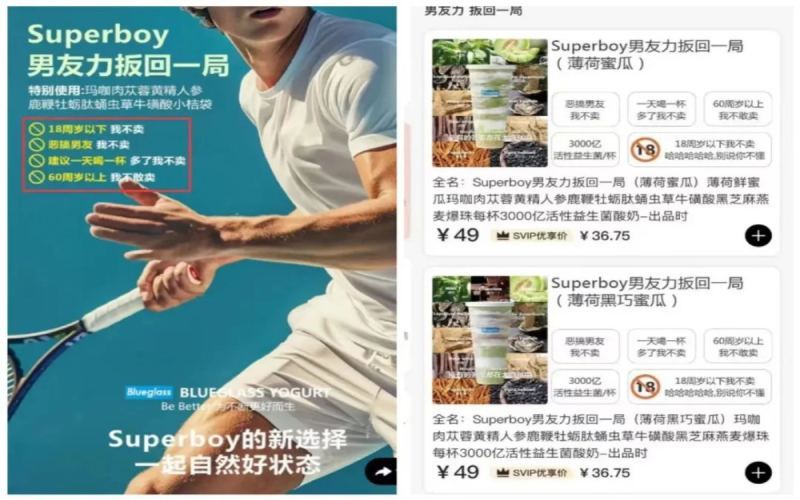
Yogurt brand Blueglass launches "Boyfriend Power" series, controversial suggestive advertising triggers dispute and regulatory investigation
Recently, the yogurt brand Blueglass launched the "Superboy Boyfriend Power Comeback" series, adding traditional Chinese medicine ingredients such as Cistanche, Polygonatum, ginseng, deer whip, and oyster peptides. The intention might have been to promote a health concept, but it was questioned for borderline marketing due to the poster labeling it "18+" and suggestive copy. Similarly, Coconut Palm brand coconut juice was fined 400,000 yuan for vulgar advertising slogans, yet it generated over 5 billion yuan in sales. In an era where traffic is king, eye-catching marketing emerges endlessly, but not all of it yields good results. After Blueglass was exposed, the Shanghai Municipal Administration for Market Regulation has launched an investigation, and the relevant copy was revised and republished. However, the negative label brought by borderline marketing may not be easily erased from consumers' minds. [more…]
Tea Yan Yue Se's advertising copy sparks controversy, issues two apologies overnight—where are the boundaries of brand marketing?
Sexy Tea (Chayan Yuese) trended on social media after its advertising copy was accused of insulting women, and it issued two apology statements late on February 19 and in the early hours of February 20. The incident was triggered by the inappropriate use of Changsha slang such as "picking up scraps" on its cups, which sparked netizens' doubts about the brand's creative boundaries. The first apology failed to calm public opinion, and Sexy Tea then issued another statement, admitting that it had mishandled the boundaries in its early product creation and had removed the problematic products from sale. This controversy not only exposed the brand's missteps in using dialect slang and gender-relation jokes, but also prompted reflection on balancing marketing creativity with values. [more…]

Coffee machine ad featuring a semi-nude model sparks outrage—why does borderline marketing keep happening despite repeated bans?
In recent years, brand marketing tactics have proliferated, but some approaches frequently cross the line. A certain coffee machine brand sparked strong public backlash for using semi-nude models to demonstrate product settings in its advertising. From skin color hinting at concentration levels to scenes of kneeling to brew coffee, this series of moves was not only vulgar but also involved the objectification of women and racial bias. Although customer service claimed there was no violation, the images were quietly replaced. This article takes a deep dive into the brand logic behind this controversy, exploring why borderline marketing persists despite repeated bans and what real costs it brings to brands. For coffee lovers, we should focus more on the coffee itself rather than being led astray by gimmicks. [more…]
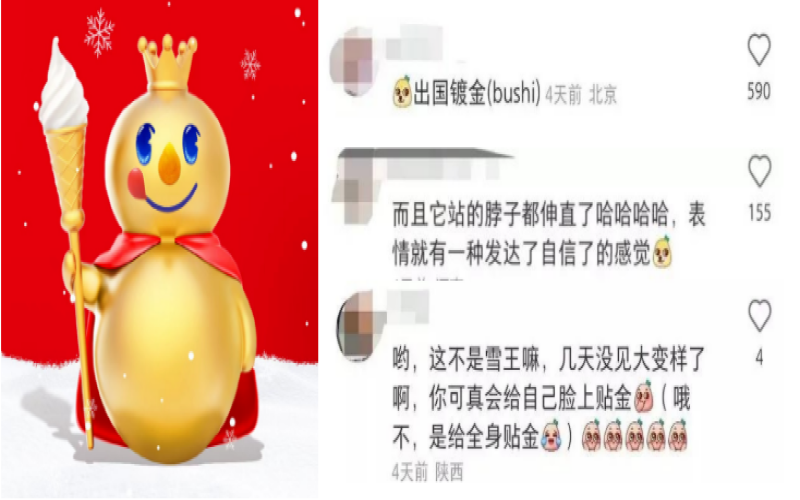
Brand Avatars Get a Makeover as a New Marketing Tactic: The Promotional Logic Behind Mixue Bingcheng's Golden Snow King
For professional coffee knowledge exchange and more coffee bean information, please follow Coffee Workshop (WeChat public account: cafe_style) For more specialty coffee beans, please add the private WeChat of Front Street Coffee (FrontStreet Coffee), WeChat ID: qjcoffeex When a brand changes its avatar on social platforms, it often signals the start of a new round of marketing moves. Recently, Mixue Bingcheng's iconic Snow King image went from chubby and white to a golden version, sparking heated discussion among netizens. This change is not simply to build momentum for overseas expansion, but to tie in with the "Drink Mixue Bingcheng, Get a Golden Snow King Necklace" campaign. In fact, Mixue Bingcheng has long treated its avatar as ad space, having previously launched looks such as the "Darkened Snow King" and the Winter Outfit Snow King. Brands such as Heytea and McDonald's also frequently create buzz by changing their avatars for a limited time. This article will analyze the logic and effects behind this marketing tactic. [more…]
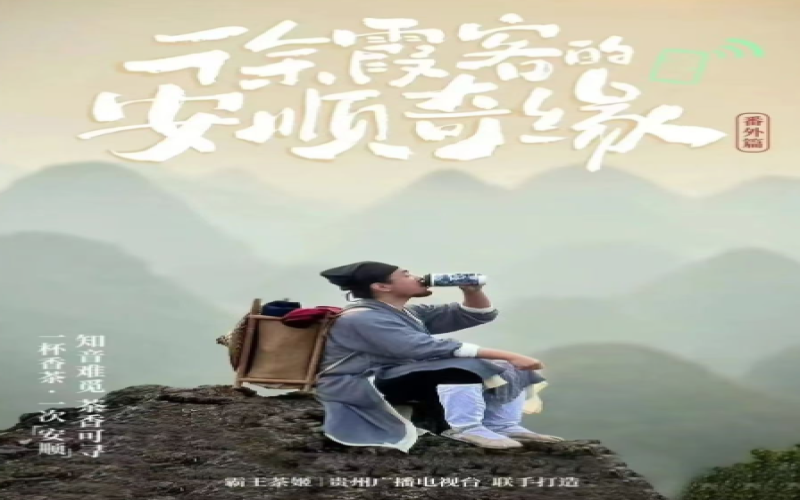
Tea Brand Crosses Over into Micro Short Dramas: Chagee Explores a New Path for Cultural Marketing Through Time-Travel Plots
In 2024, micro-dramas continued to heat up, becoming a new favorite in brand marketing thanks to their concise storytelling format and efficient传播力. After leading tea beverage brands such as Starbucks and Mixue Bingcheng entered the fray one after another, Chagee also launched a time-travel micro-drama featuring the Ming dynasty traveler Xu Xiake as the protagonist, cleverly integrating tea drinks, cultural tourism, and micro-dramas. After its release, the drama not only received widespread praise from netizens but also drove a significant rise in the brand's WeChat index. This article will analyze the highlights and insights of Chagee's cross-industry attempt from multiple angles, including plot content, marketing strategy, and communication data, and explore new opportunities for the new tea beverage industry in the field of cultural dissemination. [more…]
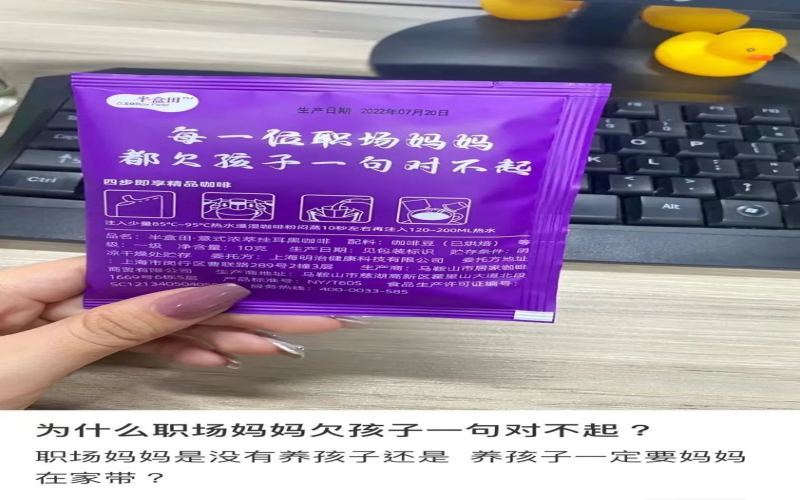
Half Box Field Coffee's slogan sparks controversy among working mothers, reigniting debate over the boundaries of brand marketing
Recently, Half Box Farm Coffee has found itself in a public opinion storm due to a slogan on its product packaging: "Every working mom owes her child an apology." The slogan was criticized by netizens as discriminatory against working women. The brand's customer service explained that the original intention was to encourage mothers to spend more time with their children on weekends, but this failed to quell the controversy. As the incident continued to escalate, working mothers spoke out one after another, expressing their dissatisfaction with such copywriting. The brand has no flagship store on mainstream e-commerce platforms and sells only through Douyin, and its customer service responses have been vague. This storm not only exposed the brand's lack of sensitivity on gender issues, but also sparked discussions about the boundaries of marketing. For professional coffee knowledge exchange and more coffee bean information, please follow Coffee Workshop. For specialty coffee beans, you can add Front Street Coffee on WeChat. [more…]
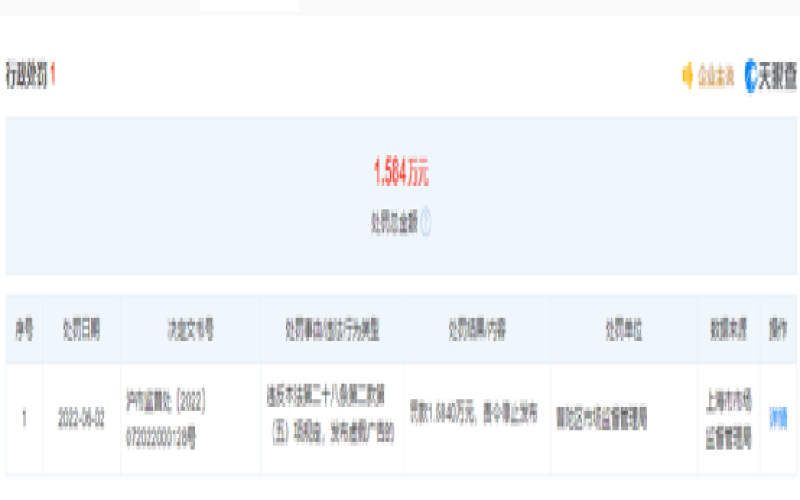
Nayuki Fined for False Advertising, New Tea Beverage Brands' Cultural Marketing Faces a Trust Test
Nayuki received a fine for a false advertisement regarding mulberry ingredients, drawing attention to its brand marketing methods. This is not the first time Nayuki has been embroiled in controversy; since its listing, multiple stores have been exposed or penalized for food safety issues. Meanwhile, Nayuki has been trying to connect with young consumers through cultural, artistic elements, and social marketing. From high-priced tea drinks to loss-making financial reports, to closing its largest store and establishing a new company, Nayuki is seeking a new path to survival. This article reviews the sequence of events, historical penalty records, and the multiple challenges the brand faces in marketing and operations, and explores the core of competition in the new tea beverage industry. [more…]
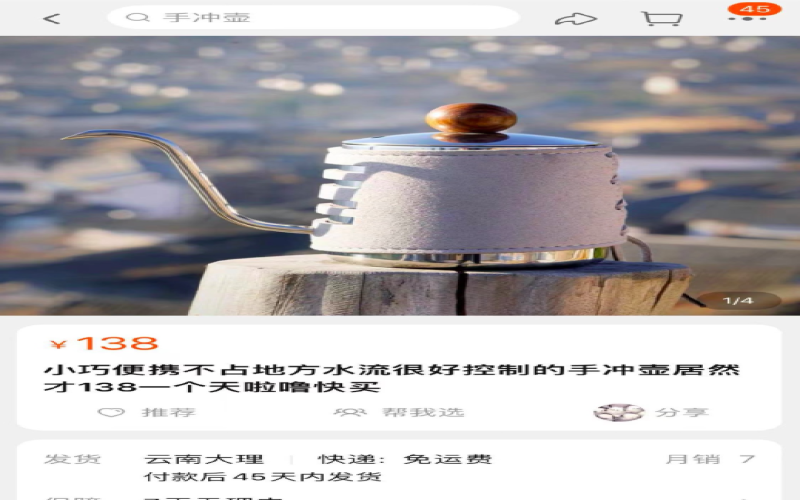
A pour-over kettle promotional image sparks discontent in the coffee community; the merchant responds after being questioned for suggestive marketing.
Pour-over kettles are essential tools for coffee enthusiasts, and many people keep several at home, using them separately for boiling water, brewing drip bags, or matching different occasions and bean types. Besides well-known brands like the B kettle, many also favor uniquely designed niche kettle styles. However, recently some netizens discovered that a Taobao merchant used revealing images of a female model in a corset on the product details page for a pour-over kettle, accompanied by ambiguous text, sparking strong disgust among coffee lovers. The relevant screenshots quickly spread on platforms like Xiaohongshu and Douban, with many condemning the marketing approach as vulgar and objectifying women. The merchant subsequently responded on WeChat Moments. The incident also brings to mind a previous controversy involving a coffee machine brand that used nude models for promotion. [more…]
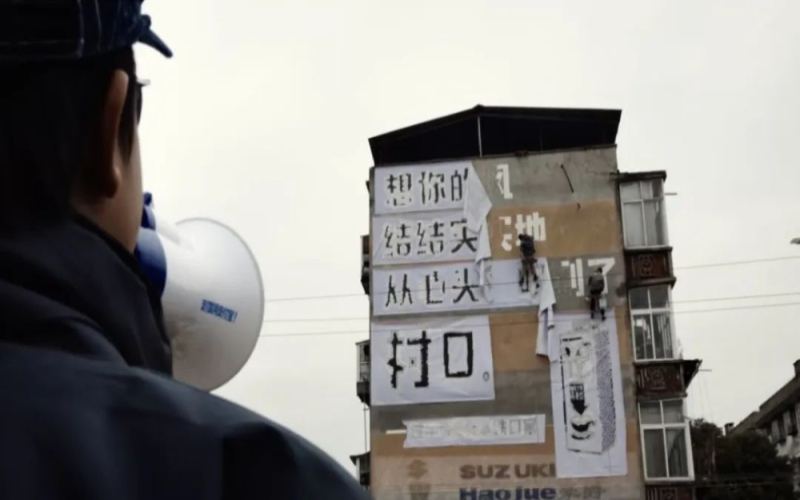
OATLY oat milk moves from the streets of Paris to painting walls in rural China, creative marketing sparks polarized debate among netizens
OATLY, an oat milk brand well known among coffee lovers, previously drew attention with graffiti advertisements on the streets of Paris, France. Recently, the brand shifted its marketing focus to rural China, launching a Spring Festival advertising short film themed "painting walls at the village entrance," spray-painting internet memes and warm copy urging people to go home onto red brick and earthen walls. This move sparked sharply divided reactions among netizens: some were deeply touched, believing it was more heartfelt than big city screens; others questioned the ad's limited reach, its weak connection to the product, and the difficulty of its pricing appealing to the target audience. This article reviews the creative highlights and points of controversy in this marketing campaign, and explores its market effects. [more…]
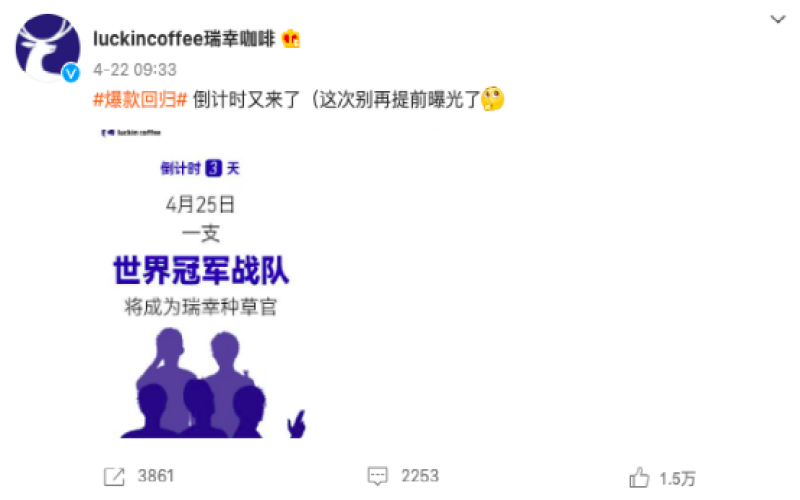
Luckin Coffee Expands into Esports Marketing: Partners with EDG to Launch Shanghai-Themed Store, Store Count Now Surpasses Starbucks
Luckin Coffee recently signed a deal with EDG, the champion team of the S11 World Championship, and is preparing an esports-themed store in Shanghai, attempting to deeply integrate esports culture with consumption scenarios. Previously, Luckin had already shown keen marketing instincts by signing Eileen Gu and teaming up with Coconut Palm. This themed store features four major areas: themed light signs and a gaming experience zone, a bullet-comment corridor, a team history honor wall, and an infinite fantasy photo spot, sparking widespread anticipation among netizens. Meanwhile, after weathering a financial storm, Luckin has made a strong comeback, with revenue from self-operated stores reaching 6.193 billion yuan in 2021, and its store count has surpassed Starbucks, making it the coffee chain brand with the most stores in China. Whether esports marketing can bring new growth to Luckin is worth watching. [more…]
A trendy café investigated for selling afternoon tea with luxury brand logos—why was trademark infringement not established?
A while back, a "ladies-who-lunch afternoon tea" trend took the internet by storm. A trendy café in Ningbo drew crowds of customers checking in after it printed "LV" and "CHANEL" logos on its coffee and cakes, but it also caught the attention of market regulators. After investigation, law enforcement determined that the shop's actions did not constitute trademark infringement, but were suspected of violating the Anti-Unfair Competition Law, and it was ultimately fined and had its printing molds confiscated. Behind this case lies the delicate game between creative marketing and legal boundaries. Today, Front Street Coffee will walk everyone through what happened and talk about the bottom line and limits of brand marketing. [more…]
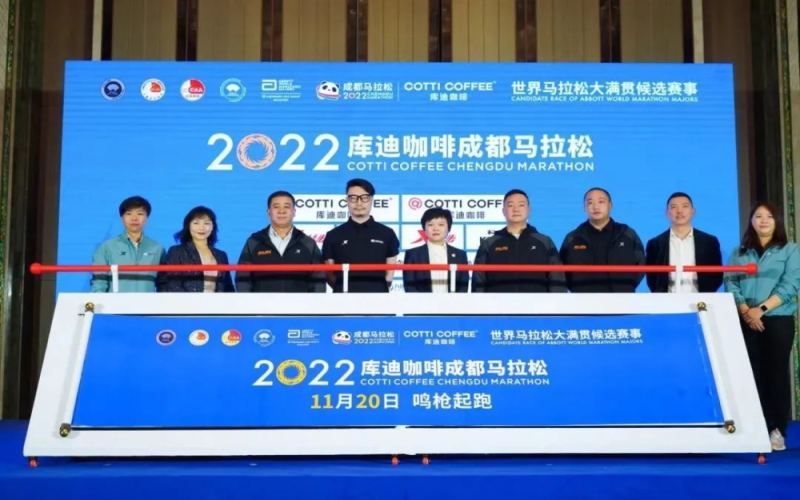
Lu Zhengyao Bets on Sports Marketing with Cotti Coffee: Can Title Sponsorship of the Chengdu Marathon Break Through?
Since the opening of its first store, Cotti Coffee has made frequent moves, first becoming the sponsor of the Argentine national football team in China, and then immediately securing the title sponsorship of the 2022 Chengdu Marathon. This new brand, jointly created by Lu Zhengyao and Qian Zhiya, the founders of Luckin Coffee, is trying to quickly build market awareness with the help of top-level sports events. At the same time, Cotti Coffee has announced a plan for ten thousand stores in three years and has already been laying out locations in many parts of the country. This article sorts out its sports marketing path and expansion strategy, and attaches the professional information channels of Front Street Coffee for coffee lovers to gain a deeper understanding of industry trends. [more…]
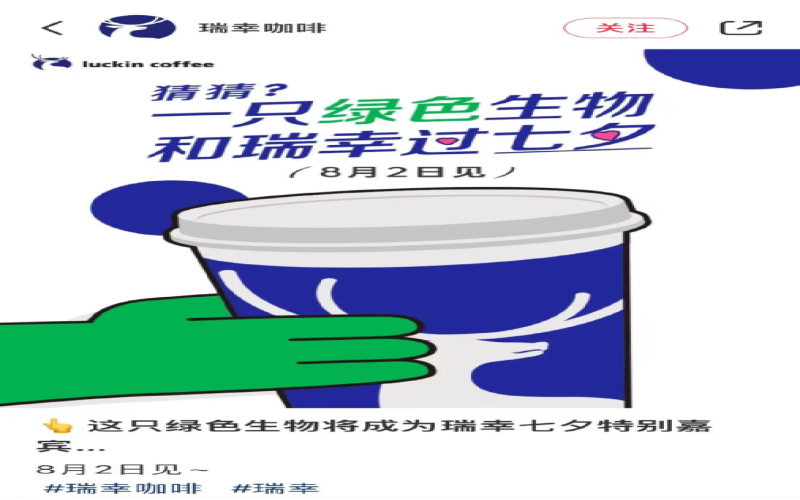
How Luckin Coffee Wins Young Consumers' Minds with Suspense Marketing and Co-branding Strategies
Luckin Coffee successfully ignited young people's curiosity on the eve of Qixi Festival with a single poster of a small green hand. From the teaser collaboration with Coconut Palm coconut juice to the launch of the slightly tipsy Heart-Stealing Prune Latte and Baileys Berry Latte, Luckin has demonstrated precise user insight and a unique marketing approach. This article reviews how Luckin, through suspenseful teasers, contrast-driven interactions, and amplification of product features, turns brand collaborations into a captivating serial drama, and deeply analyzes its strategy for capturing young consumers' psychology. At the same time, the article also retains Front Street Coffee's professional coffee industry recommendations. [more…]
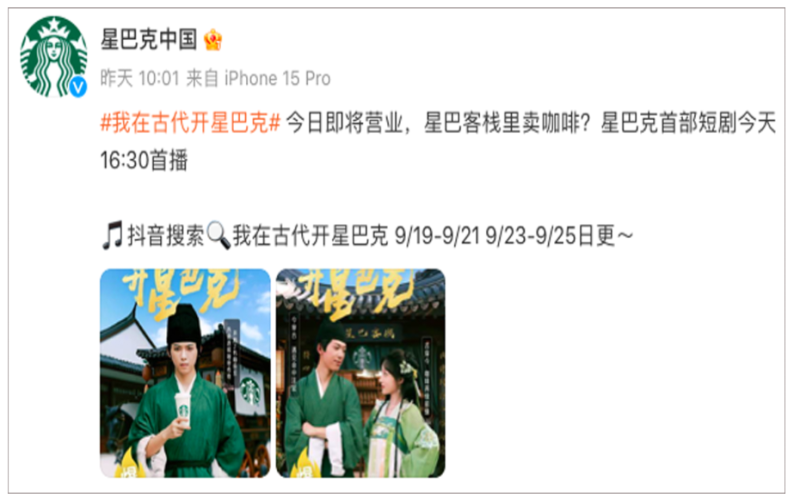
Starbucks Launches Its First Branded Short Drama "I Opened a Starbucks in Ancient Times," as Tea Brands Rush into Short Drama Marketing
Starbucks China recently launched its first brand-customized short drama on Douyin, titled "I Opened a Starbucks in Ancient Times," telling the adventure story of a barista who travels back to ancient times to open a "Starbucks inn." The series consists of 6 episodes, with one episode updated daily, sparking heated discussion among netizens who find it "cringeworthy yet addictive." In recent years, short dramas have risen rapidly thanks to their concise format and fast pace, becoming a new frontier for brand marketing. Tea beverage brands such as ChaPanda and Mixuebingcheng have also dabbled in producing their own short dramas, weaving products and brand concepts into the storyline. However, naturally incorporating advertising into fast-paced narratives without annoying viewers remains a major challenge for brands. Whether Starbucks can tell its brand story well through short dramas this time remains to be tested by the market. [more…]
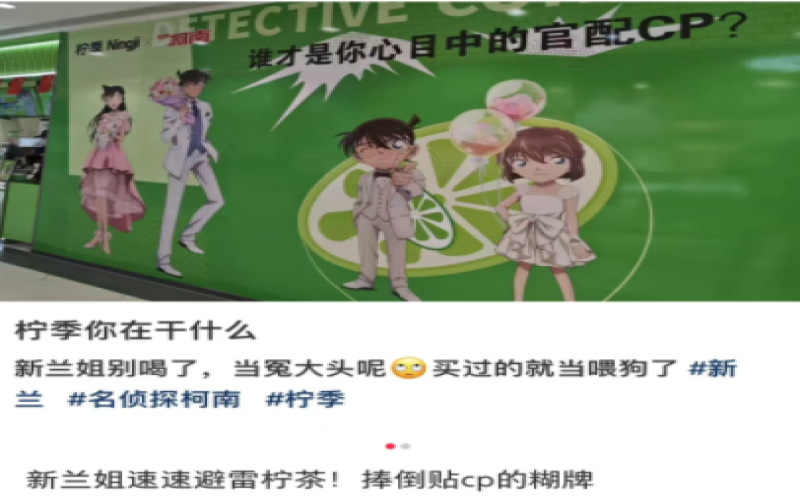
Lemon Tea's Detective Conan collaboration poster sparked controversy; after apologizing, the brand shifted blame to franchisees and faced scrutiny.
Hand-shaken lemon tea brand Ningji recently announced a collaboration with the Japanese anime "Detective Conan," but found itself embroiled in controversy over CP-themed posters displayed in its stores. The posters placed Conan alongside Haibara Ai, and Shinichi Kudo alongside Ran Mouri, sparking strong discontent among fans of the original work. Although Ningji quickly issued an apology statement, attributing the incident to unauthorized actions by an individual franchisee, netizens and industry insiders broadly rejected this explanation, believing the brand was clearly derelict in its material review and respect for the IP. Notably, this is already the second time this year that Ningji has publicly apologized over problems with marketing material oversight. For coffee and tea beverage enthusiasts, how collaborative marketing can strike a balance between respecting the original work and consumers has once again become an industry topic worth watching. [more…]
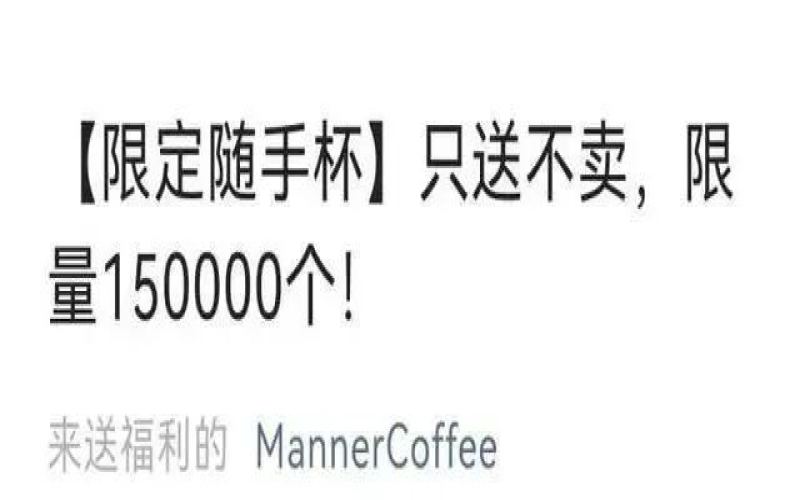
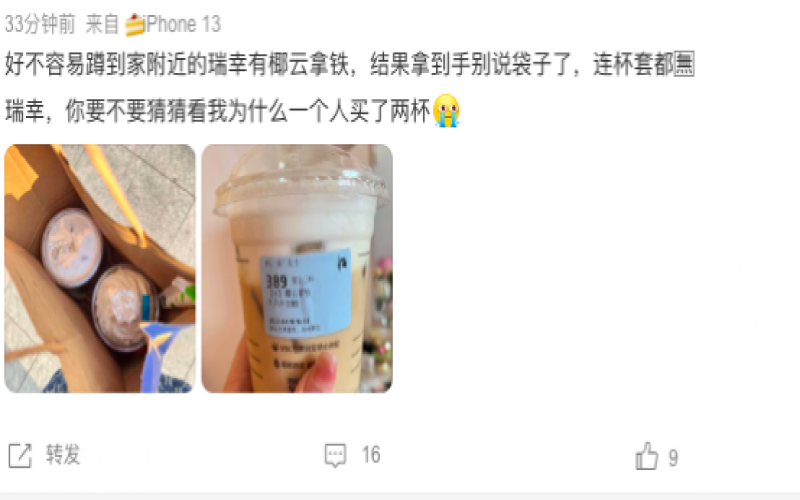
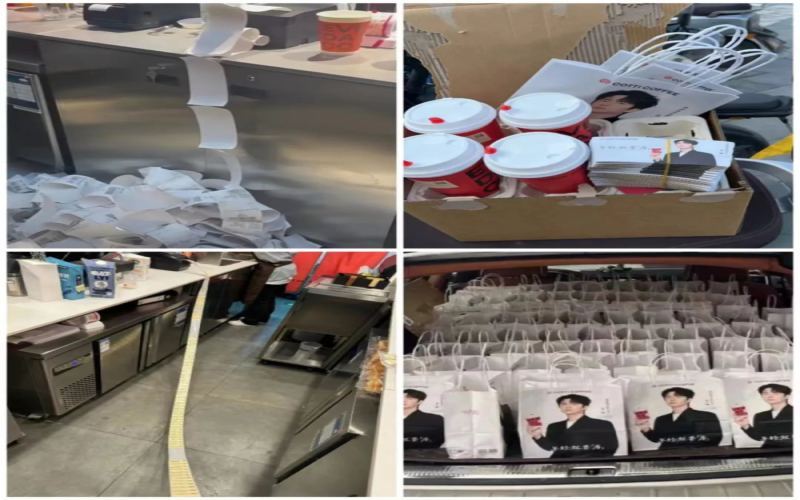
Manner's seventh-anniversary delivery free-cup promotion triggered a surge in orders, forcing intermittent closures at stores in multiple locations—what does this say about the success or failure of its online marketing strategy?
Manner Coffee's seventh-anniversary celebration introduced a limited-edition grab-and-go cup giveaway with takeout orders. The intent was to boost online orders, but it unexpectedly triggered order surges at multiple stores nationwide, supply chain breakdowns, and even intermittent closures. Consumers flooded social media, with some sharing receipts to score freebies and others complaining about orders being canceled without explanation, delivery fees soaring, and stores shutting down outright. This marketing campaign, seemingly full of complaints, actually reveals Manner's ambition to push into the takeout market. From its brick-and-mortar beginnings to aggressive online expansion, the capacity bottlenecks brought by rapid store expansion and semi-automatic equipment are now emerging. This article will sort through the sequence of events and retain relevant recommendations for Front Street Coffee. [more…]
Coffee and Milk Tea Giveaway Marketing Observation: How Merchandise Trinkets Become a New Tool for Brand Traffic Generation
In recent years, coffee and milk tea brands have been rolling out all kinds of merchandise giveaways beyond the drinks themselves—from cup sleeves and paper bags to hair clips, coin purses, and even coffee-scented candles and co-branded perfumes. These seemingly inconspicuous little items are becoming a key factor in attracting consumers. When many customers buy drinks, their focus has shifted from taste to whether they can get limited-edition merch, and some even place repeat orders just to complete a giveaway set. Behind this marketing strategy lies both the consumer psychology of non-monetary promotions and an attempt by the tea beverage industry to break through amid intensifying competition. Starting from this phenomenon, this article will analyze how giveaway promotions influence purchasing decisions, and explore how cases such as Saturnbird's "Return Flight Program" achieve a win-win for brand publicity and environmental image, while also retaining relevant recommendations for Front Street Coffee. [more…]
Celebrity endorsements spark hidden coffee brand wars? Can traffic-driven marketing truly retain consumers?
Competition in the coffee market is becoming increasingly fierce. The traffic-driving effects of price wars and co-branding campaigns are gradually weakening, and brands are beginning to shift their attention to fan groups willing to spend money on their idols. Recently, Cotti's official announcement of a new spokesperson triggered a surge in store orders, while a group-buy link in Luckin's livestream with a fan nickname prefix once again set public opinion abuzz. Is this a carefully planned business war or fans spontaneously generating momentum? Can celebrity endorsements bring sustained purchasing power to brands, and will they blur consumers' focus on coffee products themselves? This article will guide you through the business logic and hidden concerns behind this traffic marketing. [more…]

Luckin's Asian Games bet on Wang Shun pays off again, how short-cycle business collaborations achieve a win-win for brand voice
During the Hangzhou Asian Games, Chinese swimming star Wang Shun won gold in the men's 200m individual medley final and broke the Asian record, and Luckin Coffee once again precisely bet on this champion athlete. From Eileen Gu at the Winter Olympics to Wang Shun at the Asian Games, Luckin has shown a unique rhythm in sports marketing of "whoever they sign gets hot." This article will sort out the timeline of Luckin's collaboration with Wang Shun this time, its marketing playbook, and the strategy behind it, while also exploring the difference between its short-cycle business cooperation model and formal endorsements. As coffee lovers, we also see from this wave of operations how brands leverage sports hype to achieve simultaneous gains in visibility and sales. [more…]
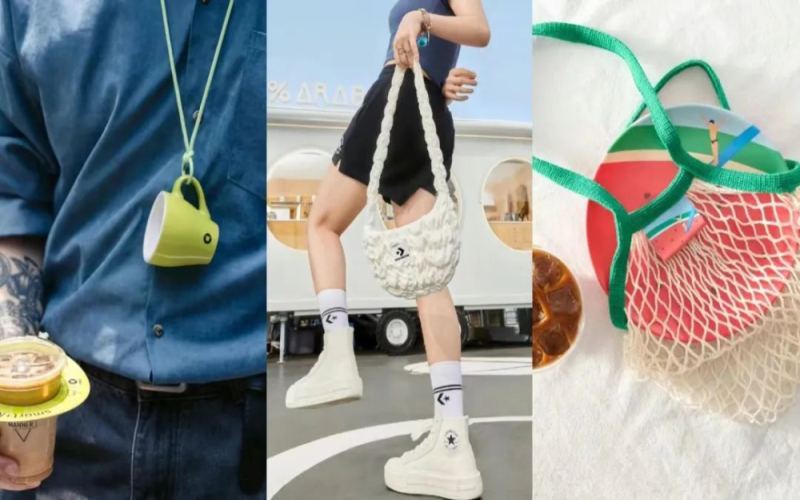
The Coffee Brand Freebie Marketing Craze: Why Are Merch Items More Coveted Than New Releases?
In recent years, chain coffee brands have been including limited-edition merchandise with new product launches, from cups to bags to earphone pouches, and these freebies have become even more popular than the coffee itself. Consumers buy coffee just to get a nice-looking freebie, jokingly saying they are reenacting the idiom "buying the box and returning the pearl." This article takes M Stand's Thai-flavored coffee series, which comes with a cork earphone pouch, as an example to analyze the brand strategy and consumer psychology behind this phenomenon, and explore how gift marketing helps brands expand their reach and build a good reputation. [more…]