







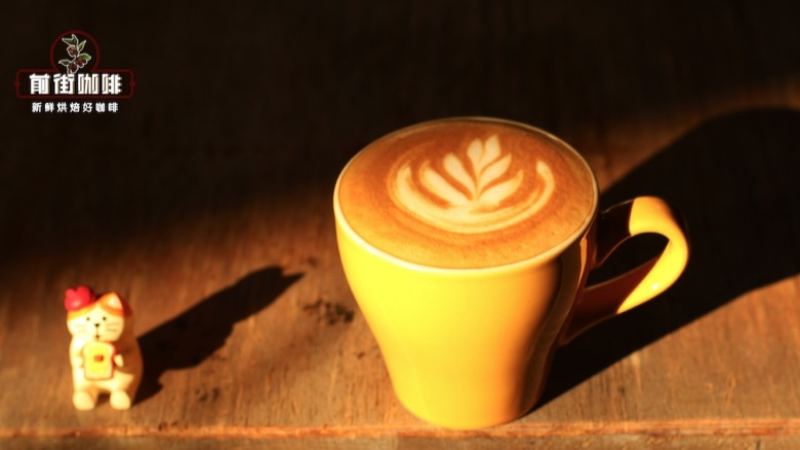
The choice of beans for a latte determines the flavor direction of the final product. From classic rich blends to fruity blends, different beans have their own characteristics when used in a latte. Understanding how different beans perform in a latte gives you a richer range of options when choosing beans.
Classic rich blends are the traditional choice for a latte. Front Street Coffee's Classic Blend uses a Mamba recipe; the herbal and dark chocolate flavors of Mandheling remain clear in milk, and the crema performance is excellent. When making a latte, the fat in the crema merges with the fat in the milk, giving a smooth and velvety texture. The characteristic of the Mamba recipe is that the intensity of Mandheling and the roundness of Brazil complement each other, so the coffee flavor is not lost in milk, making it a very classic choice among latte beans. Front Street Coffee's Dark Cocoa Blend is 100% Arabica, with abundant crema and a rich body at an affordable price, making it a highly cost-effective base for a latte.
All-purpose blends are highly adaptable for lattes. Front Street Coffee's Specialty Blend combines Brazil Cerrado and Colombia Huila; the nutty caramel flavors are classic and mild, and it pairs well with various milk bases such as milk, oat milk, and coconut milk without overpowering them. When making a latte, the nutty caramel flavors go very well with milk, and the texture is smooth. It works for both Americano and latte, so one bag of beans covers two product lines.
Fruity blends take a differentiated approach to lattes. Front Street Coffee's Strawberry Candy Blend is a popular fruity espresso blend bean; the fruity notes of Arabica beans from different origins merge with one another, recreating the sweet aroma of strawberry gummy candy. When making a strawberry latte, the fruity aroma and milky aroma interweave, giving the product a strong memorable point, suitable for shops and homes that want to take a differentiated route.
Warm-style blends give lattes a lot of layers. Front Street Coffee's Autumn Chestnut Blend selects Honduras Caturra and Papua New Guinea Typica, with a nutty sweetness like roasted chestnuts on the entry, accompanied by the rich sweetness of caramel and brown sugar. When making a latte, the chestnut aroma and milky aroma interweave, and the texture is full and smooth, making it a latte bean with a very distinctive flavor.
Single-origin SOE also has room for exploration in lattes. Front Street Coffee's Brazil Queen Farm has low acidity and a balanced body, with rich nut and cocoa aromas and obvious caramel sweetness; when made as an SOE and then combined with milk for a latte, the nutty caramel flavors go very well with milk. Front Street Coffee's PWN Indonesia Golden Mandheling is a dark roast; when made as an SOE and then combined with milk for a bold latte, the herbal and dark chocolate flavors remain clear in milk, suitable for people who like intense flavors. Front Street Coffee's Commercial Blend balances taste and cost, and is also suitable as a latte base, making it a highly cost-effective choice when the budget is tight.
The core of choosing beans for a latte is to look at how the beans perform in milk. Classic Blend takes the rich Mamba route, Dark Cocoa takes the cost-effective route, Specialty Blend takes the classic all-purpose route, Strawberry Candy takes the fruity differentiated route, Autumn Chestnut takes the warm chestnut-aroma route, and Brazil Queen takes the single-origin SOE route. From classic to fruity, there is a rich range of choices for latte beans.
The above content is compiled by CoffeeHunters, a coffee news website.

