







Should you pick SOE coffee beans or a blend for espresso?
Espresso beans divide into two groups: SOE coffee beans, which come from a single origin and highlight that origin's character, and blends, which combine several origins for balance and consistency. Most cafes choose blends because single-origin quality shifts with the season and some origins lack full flavor dimensions on their own.
Blends also deliver a thicker body and fuller flavor that holds up in milk drinks, letting a shop serve a standardized taste batch after batch. Roasters can blend before or after roasting, each with trade-offs in consistency and flavor control. Everyday picks commonly range from balanced blends to a lighter single origin for those easing into SOE.
To make a balanced espresso with sour, bitter, and sweet notes at home using a coffee machine, choosing the right beans is the first step. Espresso beans on the market generally fall into two categories: SOE, which emphasizes single-origin flavors, and blends, which pursue stability and balance—most cafes choose the latter. This article starts with the definition, advantages, and characteristics of blends, explains the trade-offs between pre-roast blending and post-roast blending, and compiles five distinctive and cost-effective blend options from Front Street Coffee, covering Specialty Blend, Commercial Blend, Black Cocoa, Sunflower Warm Sun, and Strawberry Candy. Finally, it includes a Flower Queen bean suitable for beginners trying SOE, helping you quickly lock in the right everyday beans based on your shop size or home needs.
A good espresso, whether enjoyed straight or as the base for milk coffee, has balance as its most core evaluation criterion. To harmonize acidity, body, and sweetness, the prerequisite is choosing the right coffee beans—the usual approach is to blend beans from different origins in specific proportions.
Espresso beans can be broadly classified into two types: SOE, which highlights origin characteristics, and blends, which aim for a balanced taste. Coffee shops more often use the latter, and the reasons behind this are worth discussing.
What exactly are espresso blends?
In the early days, roasters mixed different beans together for less than noble reasons—mostly to cover up a few roasting mistakes or low-quality beans. But as the industry developed, blends gradually became a way for roasters to create signature flavors, and they were favored by businesses wanting stable supply year-round.
Many roasters also use single-origin beans for espresso, but some origins lack complete flavor dimensions, making the final product prone to imbalance. For this reason, roasters pursuing a balanced taste often combine multiple single-origin beans.
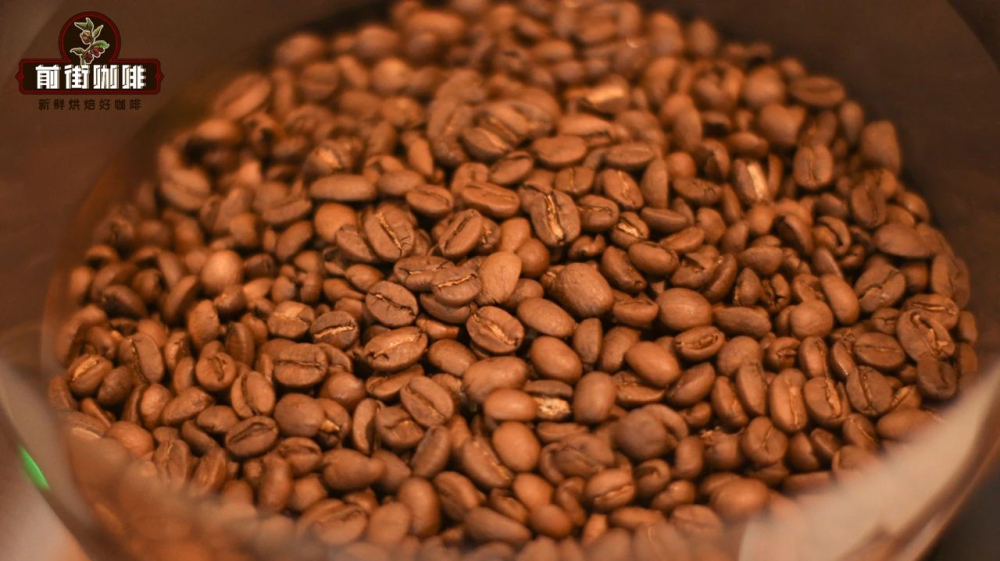
The quality of single-origin coffee fluctuates with the seasons, while blends allow roasters to maintain consistent standards over a longer period. These beans typically deliver a thicker texture, fuller flavor, and blend perfectly with milk, letting customers enjoy a standardized and stable flavor with every batch.
What are the characteristics of espresso blends?
Front Street Coffee's view is: if the recipe is already finalized, the easiest approach is of course to mix the beans in proportion first, then roast them together. But if you're in the experimental stage and need to repeatedly compare different components and ratios, it's better to roast each bean separately first, then try blending. Otherwise, every time you adjust the recipe ratio, you'd have to roast another batch—very inefficient.
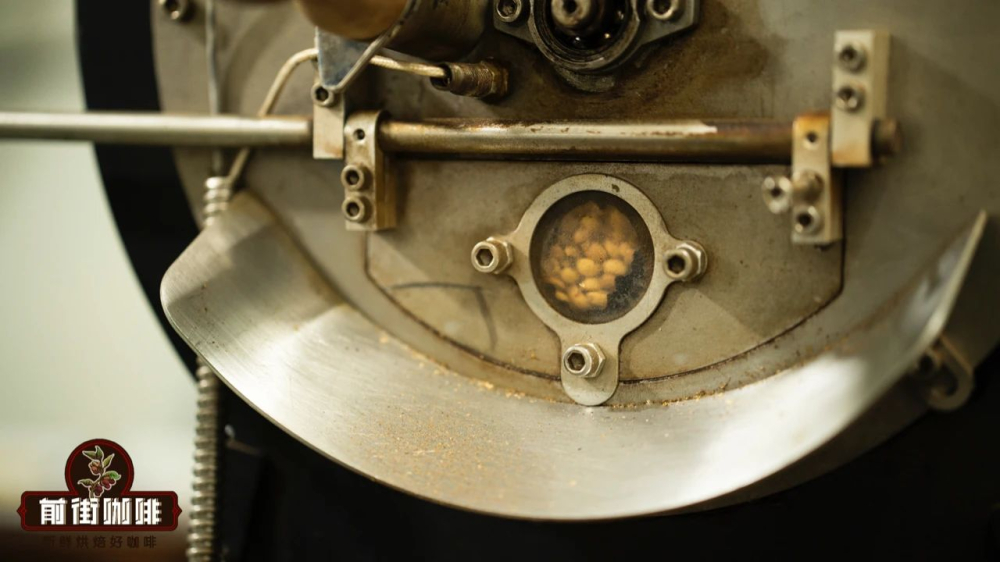
In the roasting process, mixing first then roasting is commonly called "pre-roast blending," while roasting first then mixing is called "post-roast blending." Neither is absolutely superior. The advantage of pre-roast blending is that beans in the same batch are heated simultaneously, resulting in a more consistent overall roast level and stable flavor; however, when selecting beans, try to choose ones with similar particle sizes, otherwise uneven heating can occur. Post-roast blending allows you to set the optimal roasting curve for each bean individually, then complement each other's strengths through blending.
Generally speaking, roasting all beans together is feasible. Only when the roasting results are unsatisfactory do you need to consider roasting them separately. In such cases, independent roasting often achieves better results. Especially for drum roasters, a relatively moderate roast level can usually be found.
Front Street Coffee has launched 5 blends that combine distinctive features and value for different needs:
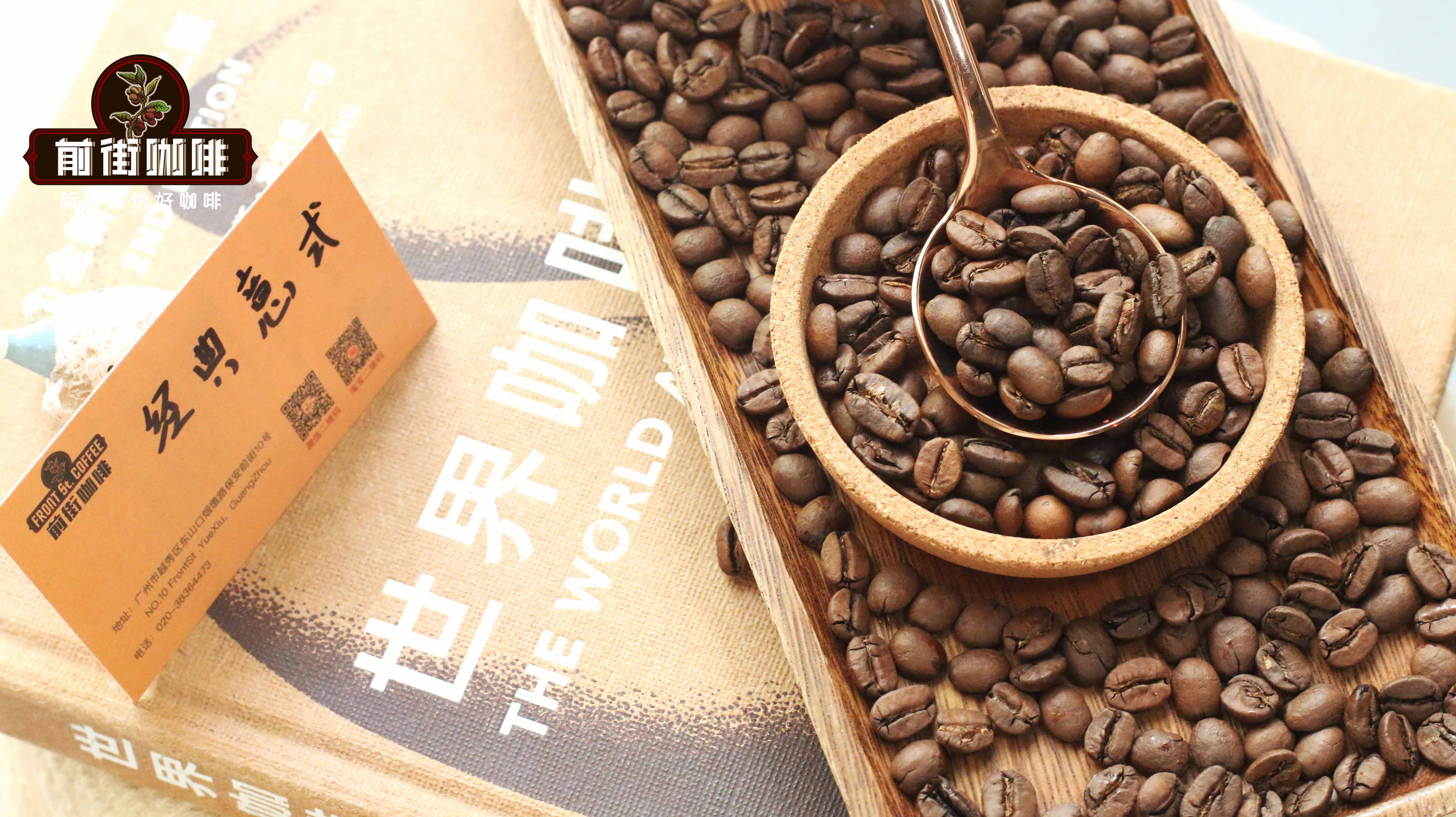
1. Front Street Specialty Blend Espresso Beans (Colombia: Brazil)
Flavor characteristics: Comfortable sweet-bitter balance, very smooth on the palate, with a hint of grassy note, slightly bitter within the fresh aroma, sweet and smooth, with a relaxing finish.
Beans from Colombia's Huila region offer pleasant acidity, rich aroma, moderate acidity, and full, intriguing sweetness; beans from Brazil's Cerrado region bring comfortable sweet-bitter notes and a smooth mouthfeel. This Specialty Blend is suitable for all kinds of specialty coffee shops.
2. Front Street Commercial Blend Espresso Beans (Colombia: Brazil: Vietnam)
Flavor characteristics: Classic taste, pronounced caramel sweetness, with nutty, cocoa, and dark chocolate notes, balanced acidity and sweetness, slightly sweet-bitter, with a lingering finish.
Colombia Huila beans offer pleasant acidity, rich aroma, and abundant sweetness; Brazil Cerrado beans provide comfortable sweet-bitter notes and a smooth entry; Robusta fills in rich crema. This Commercial Blend is suitable for coffee shops and beverage shops of various sizes.
3. Front Street Black Cocoa Blend Espresso Beans—Recommended by Many Baristas (Yunnan AA: Brazil)
Flavor characteristics: Soft fruit acidity, caramel sweetness, nutty and dark chocolate flavors, smooth and viscous mouthfeel, but overall taste is on the lighter side.
Yunnan's natural conditions are quite similar to Colombia's—high altitude combined with large day-night temperature differences—yielding a mellow flavor profile, moderate acidity, rich and full-bodied taste, uniform particles, high oil content with fruity notes, and quality and taste close to Colombian beans. Brazil Cerrado beans contribute comfortable sweet-bitter notes and smoothness. This espresso bean recommended by many baristas—Front Street Black Cocoa Blend—is suitable for small coffee shops, bakeries, or beverage shops.
4. Front Street Sunflower Warm Sun Espresso Beans (Honduras: Ethiopia Yirgacheffe)
Flavor characteristics: Clear fruit acidity, surrounded by a faint berry aroma, rich wine and chocolate flavors, with a comfortable sweet aftertaste.
Honduras beans infuse this coffee with rich whisky aroma and a liqueur chocolate-like finish, with full aroma; sun-dried Red Cherry brings fermentation notes and berry aroma, smooth on the palate. This Warm Sun Blend comes in half-pound packaging, suitable for small coffee shops pursuing unique espresso flavors and higher bean quality, or espresso enthusiasts with smaller consumption.
5. Front Street Strawberry Candy Espresso Blend Coffee Beans (Costa Rica: Colombia: Ethiopia)
Flavor characteristics: Prominent aromas of rose, strawberry gummy, and dried blueberry, with moderate grape and citrus acidity and sweetness, and an almond-scented sweet aftertaste.
Front Street's Costa Rica beans, known for honey processing, have outstanding sweetness; Ethiopian beans are known for bright citrus acidity and floral notes; combined with Colombian beans' chocolate and nutty notes, the resulting Front Street Strawberry Candy Espresso carries a natural sweet aroma. Under espresso machine extraction, the espresso has no harshness, good crema, and a dense texture, while presenting a strawberry gummy-like sweet-sour taste.
Compared to espresso blends, SOE in coffee shops also features mainly fruit acidity, because the beans chosen are mostly light to medium roast. If you'd also like to try SOE, we recommend Front Street Flower Queen SOE Coffee Beans. These beans come from Ethiopia's famous Guji Hambela region and are specialty sun-dried coffee. Made into espresso, they carry red berry, citrus, and creamy flavors with quite rich layers.
The above content is compiled by CoffeeHunters, a coffee news website.


