







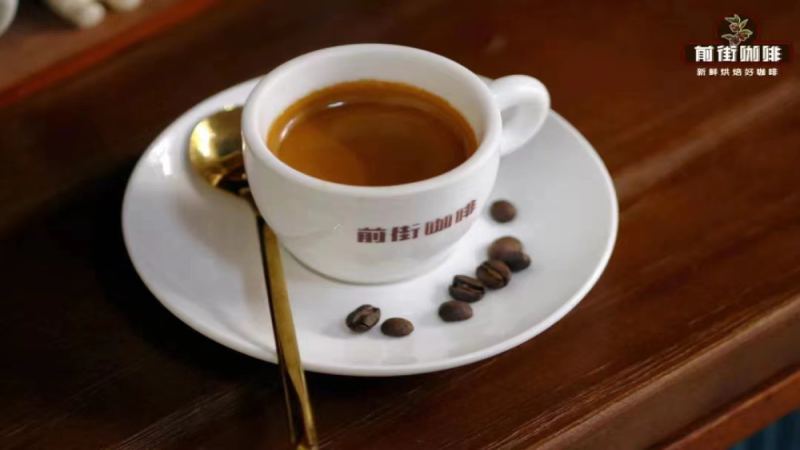
How should you choose espresso coffee beans?
Espresso coffee beans can be a blend or a single origin; both work, and the choice comes down to what you want in the cup. Blends combine origins for balance and consistency, while single origins show one region's character. Roast matters more for pressurized brewing: espresso mostly uses medium-dark roasts, and light roasts extract poorly under pressure and often taste sharp.
Freshness drives the result more than anything else. Coffee beans ordered online ship within five days of roasting, because fresh roasting, fresh grinding and fresh extraction give the full-bodied, aromatic coffee extraction process beverage people expect. Store beans sealed in the original bag with its one-way valve or in an airtight jar kept dry and cool, and grind whole beans right before brewing.
Espresso is both an extraction method and the name of a coffee beverage. It is the type of coffee the public encounters most often and also the one most likely to raise questions. Many beginners often wonder: should espresso be made with a blend or single-origin beans? How should the roast level be chosen? Do espresso beans count as specialty coffee? Is sourness normal? This article addresses these frequently asked questions, starting with Front Street's fresh-roasting philosophy and storage recommendations, then analyzing the pros and cons of blends versus single-origin beans, introducing the flavor characteristics of Front Street's four espresso blends, and explaining why espresso coffee mostly uses medium-dark roasts and why light roasts are unsuitable for pressurized extraction. Finally, it answers whether espresso blends belong to specialty coffee and where sourness comes from.
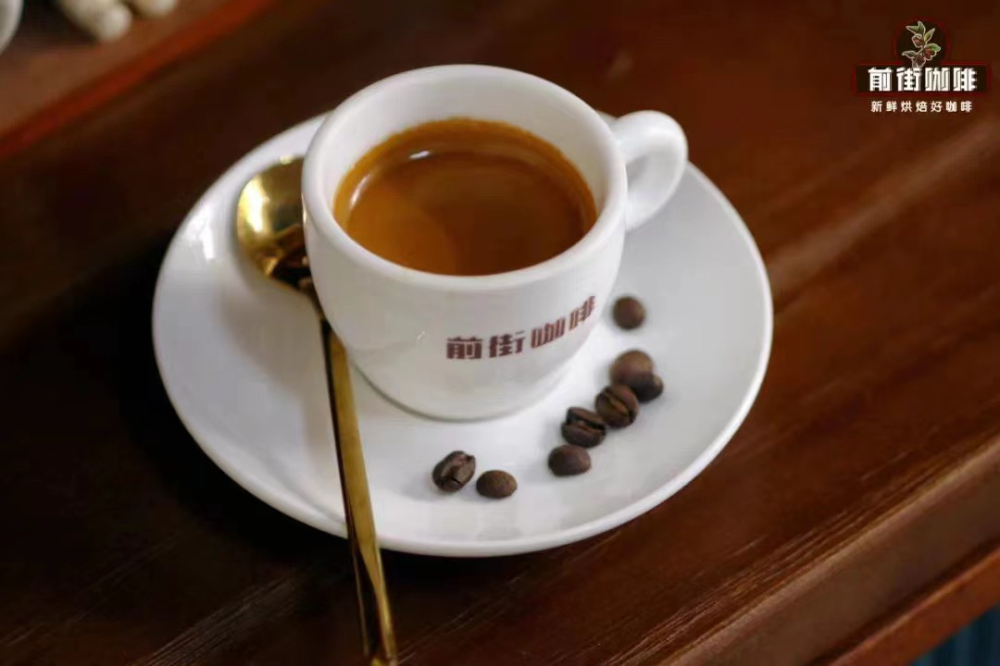
Espresso can refer both to an extraction method and to the name of a coffee beverage. As an extraction method, it is the most frequently encountered and most familiar approach among the public. Perhaps precisely because it is so familiar, it has given rise to quite a few questions.
Many friends who are just getting into coffee often ask questions like these: "How should I choose and store espresso coffee beans?"; "Should espresso be made with blend beans or single-origin beans?"; "How dark should espresso coffee beans be roasted?"; "Do espresso blends count as specialty coffee?"; "Is it normal for espresso to taste sour?"
How to choose and store espresso coffee beans?
Front Street always insists on selling coffee beans on the principle of fresh roasting, because only fresh roasting, fresh grinding, and fresh extraction can allow espresso to present a rich, full-bodied, and deeply aromatic taste. To let every customer experience the charm of freshly roasted coffee, coffee beans ordered online are shipped within 5 days after roasting is completed.
When storing espresso coffee beans, you can seal them in the original packaging (with a one-way degassing valve), or transfer them to an airtight jar and place them in a dry, cool place. After coffee beans are ground into powder, aroma molecules dissipate noticeably faster, so Front Street recommends buying whole beans and grinding them fresh with a grinder right before brewing.
Should espresso be made with blend beans or single-origin beans?
Both blend beans and single-origin beans can be used to make espresso, and each has its advantages and disadvantages.
The advantage of blend beans is that they make it easier to stabilize the quality and flavor of each cup of coffee, and the cost is also lower; the disadvantage is that the flavor is relatively one-dimensional, and most blends produce coffee that shows only a rich and intense side. The advantage of single-origin beans is that they allow espresso to express a unique flavor personality; the disadvantage is poorer extraction stability and higher cost.
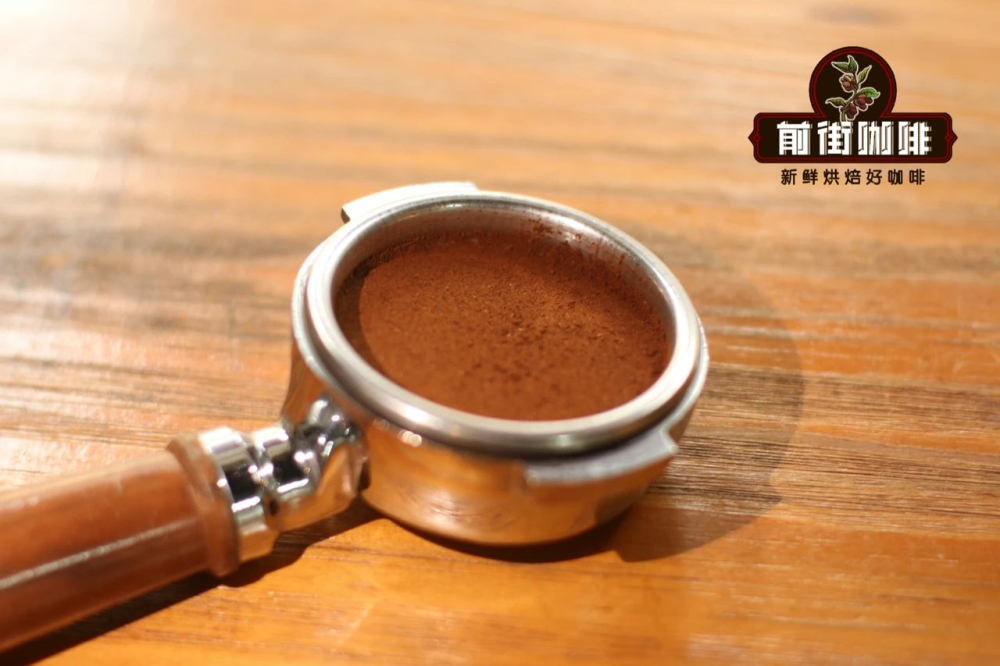
For daily service, Front Street stores choose blend beans to extract espresso, because compared with single-origin beans, blends can better stabilize the taste and quality of every cup of espresso. Front Street has also developed four blend beans specifically for making espresso based on the taste preferences of general consumers.
"Front Street Strawberry Candy Espresso Blend" is a bean with fruit aromas as its main theme, composed of single-origin coffees from three major producing regions: Ethiopia, Colombia, and Costa Rica. It combines the characteristics of honey processing, washed processing, and natural processing, and uses a medium roast. When extracted as espresso, it carries rich aromas of dried fruit and rose; as an Americano it has a grape-juice-like sweet-and-sour sensation, and as a latte it presents the flavor of strawberry-flavored milk.
"Front Street Specialty Blend": Colombian washed coffee beans plus Brazilian semi-washed coffee beans, presenting flavors of nuts, dark chocolate, and caramel, suitable for those who prefer nutty aromas.
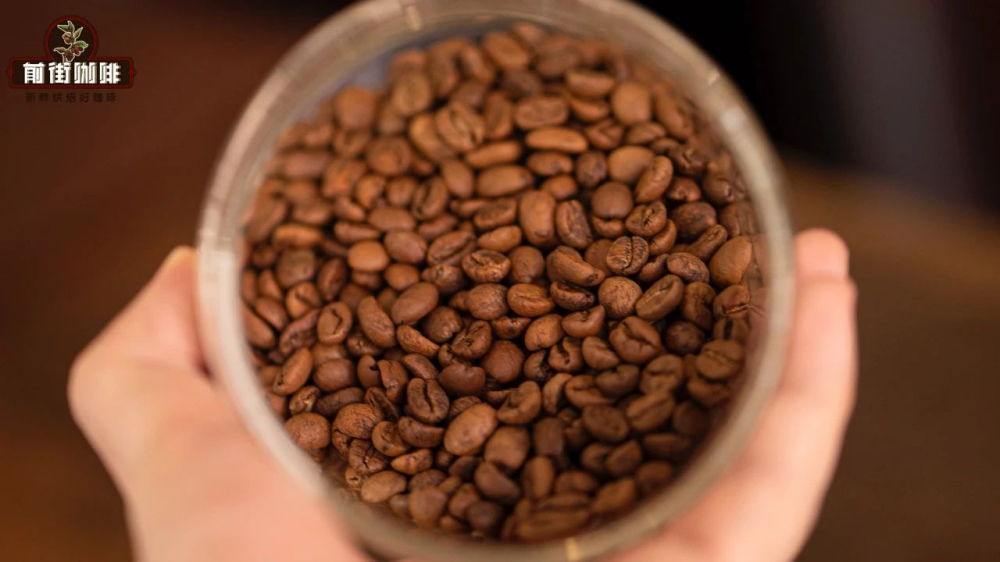
"Front Street Commercial Blend": Robusta washed coffee beans plus Colombian washed coffee beans plus Brazilian semi-washed coffee, presenting flavors of nuts, cocoa, and caramel, suitable for friends who run coffee shops and pursue rich crema.
"The espresso moka pot coffee beans recommended by many baristas - Front Street Dark Cocoa Blend": Yunnan washed small-bean coffee plus Brazilian semi-washed coffee beans, presenting soft fruit acidity, caramel, and nutty flavors, suitable for businesses or home users who seek value for money and stable taste.
"Front Street Classic Blend": Brazilian semi-washed coffee beans plus Indonesian Mandheling coffee beans plus Vietnamese coffee beans, rich in crema and full-bodied in taste, suitable for beginners who are just starting out and are not yet familiar with parameters, allowing them to easily make richly flavored espresso.
The roast level of espresso coffee beans
In order to make the coffee liquid extracted from espresso coffee beans present a rich and full-bodied taste, Front Street uniformly uses a medium-dark roast level. The longer the roasting time, the more carbon dioxide remains in the coffee beans after roasting is completed.
Carbon dioxide helps preserve coffee flavor, but too much can also interfere with espresso extraction. Therefore, after receiving espresso coffee beans, you can first let them rest in the original packaging until 5 to 6 days after the roast date, allowing the beans to release carbon dioxide on their own through the one-way degassing valve on the packaging, making extraction more stable.
Light-roasted coffee beans are often used for pour-over coffee, with the aim of extracting a richer sweet-and-sour sensation in an appropriate ratio under pressure-free drip extraction. But espresso is pressurized extraction, and many sweet-and-sour substances that perform well in pour-over present an unpleasant sharp acidity under pressure and extremely high concentration.
At the same time, because light-roasted coffee beans have a short roasting time, they do not have enough time to produce more caramelization reactions, making it difficult to bring out rich flavor substances. So using light-roasted beans to make espresso often results in a thin body and a lack of richness.
Do espresso blends count as specialty coffee?
Of course they do! As long as the coffee beans used in the blend meet the specialty coffee standards required by the place of origin and by the SCA, then whether it is single-origin coffee or blended coffee, it all belongs to specialty coffee beans.
Is it normal for espresso coffee beans to taste sour?
Totally normal~ The flavor expression of espresso mainly comes from the coffee beans themselves. If espresso has sourness, it may be that the merchant used beans with fruity acidity to make it, whether single-origin beans or blend beans.
The above content is compiled by CoffeeHunters, a coffee news website.


