







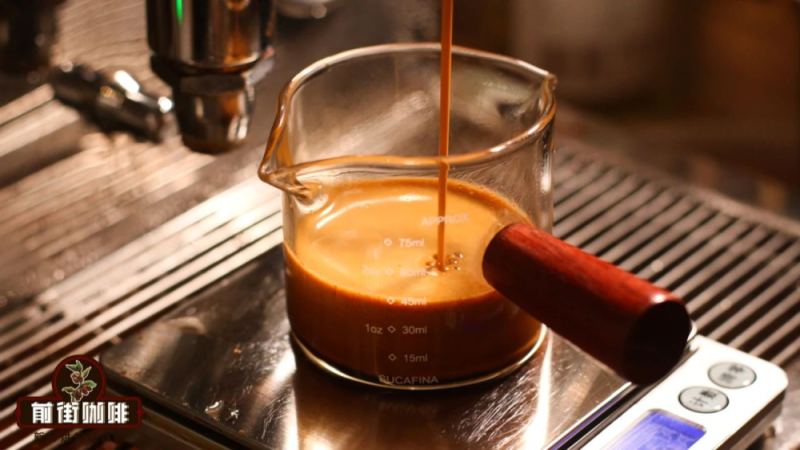
What Does Coffee Blending Aim to Achieve?
Coffee blending mixes two or more beans in set proportions to reach flavors a single variety cannot deliver. Blended coffee beans are not simple addition; the craft relies on repeated testing. Blends serve two purposes: keeping flavor stable from year to year, since coffee is an agricultural product, and balancing mouthfeel, because espresso machines amplify whatever flavor dominates a bean.
Blending also explains why espresso blends differ from single-origin blends. Yunnan coffee blending follows the same logic, using local high-grown beans as a base and adjusting proportions for body and sweetness. The Mamba recipe is one documented example. Common misconceptions include treating blends as low grade or expecting an identical cup every season.
The debate between blends and single-origin coffee has a long history. Each has its strengths, and there is no absolute superiority. So-called blended coffee beans are a mix of multiple coffee beans in different proportions, achieving flavor expressions that a single bean variety struggles to present. It serves both the stable extraction of espresso and the possibility of flavor exploration. From the perspective of Front Street Coffee, this article outlines the core purposes, four major principles, and common misconceptions of blending, explains the differences between espresso blends and single-origin blends, and introduces the Mamba recipe, Yunnan coffee blending ideas, as well as the flavor positioning and applicable scenarios of several Front Street espresso blend beans.
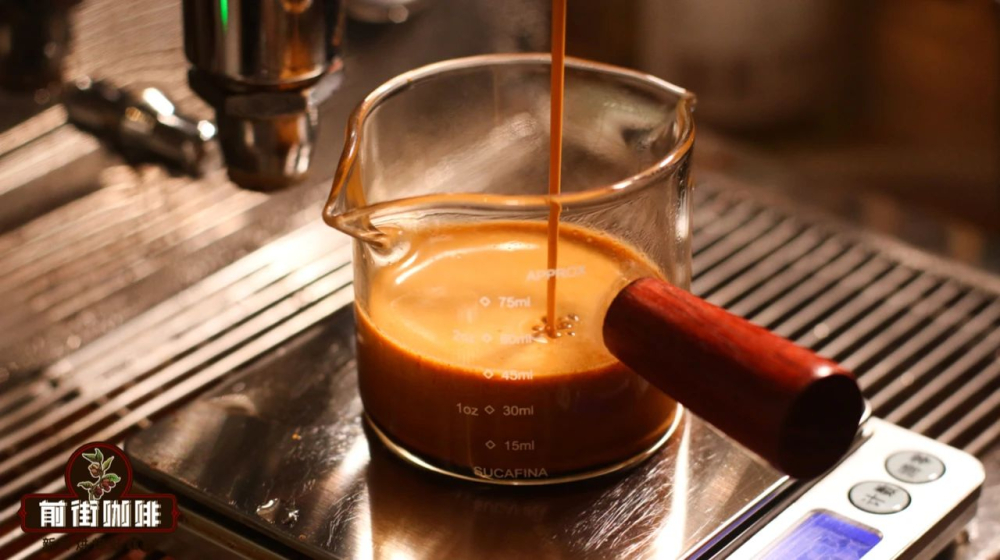
In the coffee world, the discussion between blends and single-origin has never ceased. Where exactly do the strengths of each lie? Front Street Coffee (FrontStreet Coffee) will chat about this topic today.
What exactly are espresso blend beans ?
Blended coffee beans refer to mixing two or more coffee beans in a certain proportion. The chosen beans can have similar flavors or be completely different. After blending, they often impart a unique character that the original single-origin beans do not possess. Blending is a meticulous craft that requires repeated experimentation and continuous search for inspiration to possibly create an ideal bag of beans. These well-balanced blend beans are mostly used for espresso, extracting rich espresso liquid under high temperature and pressure.
Combining different coffee beans into a blend usually has the following starting points:
1. Flavor stability
Coffee beans are agricultural products. Even for the same variety, performance can vary from year to year. Mixing several beans in proportion can effectively mitigate this fluctuation, keeping the taste at a relatively consistent level each year.
2. Balanced mouthfeel
Espresso machines have a notable characteristic: they amplify the most prominent flavor of the coffee beans. Because of this, we almost never use a single variety to make Espresso. Otherwise, if the beans are too bitter, the espresso will be overly bitter; if the beans are too acidic, the final product will be sharply sour. Blending is needed to bring various tastes back into balance.
Mixing coffee is by no means simple addition. Instead, it hopes the blender, with a unique understanding of flavors, can let different beans complement each other and harmonize into an excellent blend. SOE is not necessarily tastier than a blend. Unlike single-origin coffee, which is usually named after its origin, blended coffee beans are generally named after the brand.
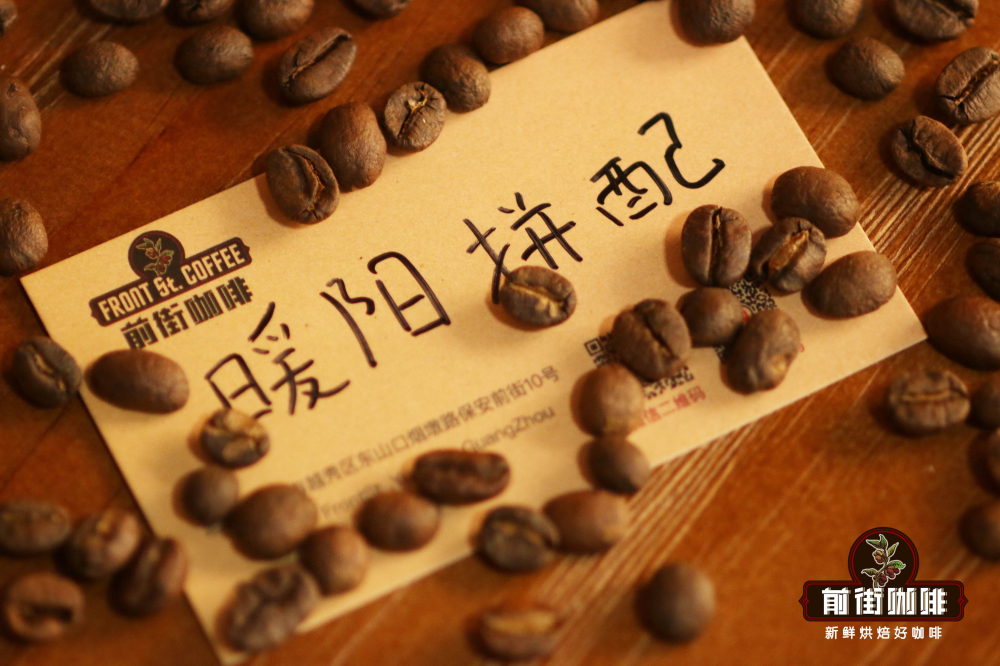
The four major principles of blending coffee beans:
1. The raw beans selected should each have distinct characteristics. Try to avoid using beans with similar flavors, such as those with the same processing method, same origin, or consistent flavor direction.
2. Regarding blending proportions, each coffee shop will blend different ratios according to its positioning. A 1:1 ratio is generally not used because equal proportions will suppress each other's unique flavors. In blending, there should be a primary and secondary distinction to create a taste more outstanding than single-origin.
3. The roasting methods for blends are divided into raw blending and roasted blending. Raw blending is mixing green beans in proportion, while roasted blending is mixing after roasting. The choice depends on flavor requirements.
4. The flavor principle of blending is a balance of acidity and sweetness. Typically, 2 to 6 types of coffee beans are used. Regardless of the beans chosen or the roast level, too many types will prevent the coffee's unique flavor from being clearly presented.
5. Blending coffee requires continuous experimentation.
The purpose of blending coffee is mostly to stabilize flavor. Before blending, a blending plan should be drafted using mathematical combinations, and then the optimal solution determined through a blending cupping process.
Many people think blended coffee equals cheapness and represents bad taste, but that is not the case. The reason for using espresso blends is not just to save money, but also to pursue stable extraction performance and continuous flavor exploration. Coffee beans are agricultural products that vary more or less each year, and their taste is easily left to chance. In the long run, blending can fully leverage the strengths of various single-origin beans, create a more balanced and complex mouthfeel, and adjust the amount of beans from different origins according to different needs, thereby highlighting a certain characteristic.
Recommended blend beans for those who like a rich, mellow flavor: Front Street Classic Espresso Blend Coffee Beans
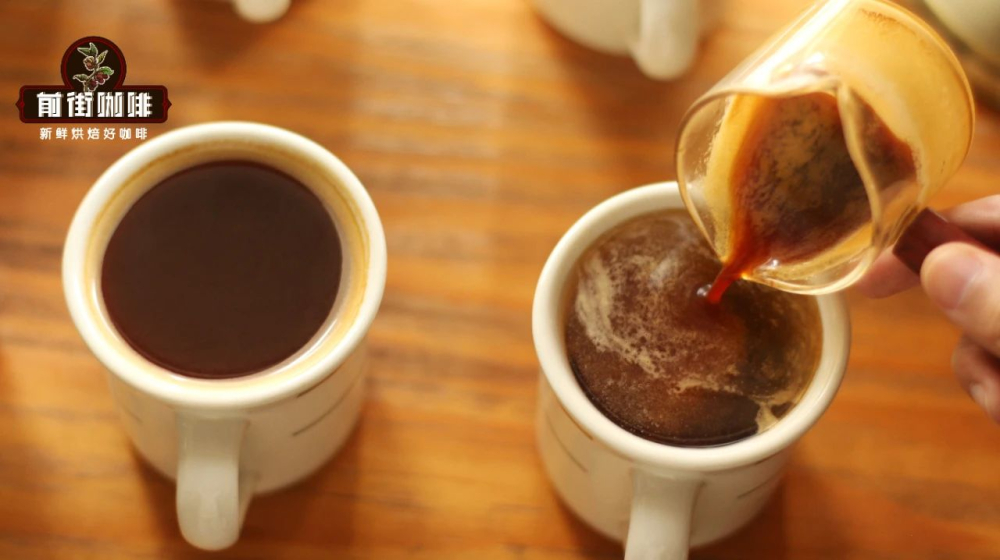
Most coffee enthusiasts have only heard of Mamba coffee but are unclear about the recipe and origin of "Mamba." In fact, Mamba is Indonesian Mandheling beans plus Brazilian coffee beans. The two flavors complement and harmonize with each other. Mamba blends were very popular in early Taiwanese coffee shops, considered an old-school coffee taste. Front Street Classic Espresso Blend adds Robusta to the Mamba recipe, fully enhancing the coffee's crema, making the espresso body stronger. It is suitable for home preparation and for latte art.
Recommended blend beans for those who like obvious fruity notes: Front Street Strawberry Candy espresso blend coffee beans
If you want to make an espresso with floral and fruity notes, you should mainly use medium-roast coffee beans. We recommend Front Street Strawberry Candy espresso coffee beans, which can be ordered directly on Taobao or Tmall stores. This is a blend known for honey processing from Front Street Costa Rica Tarrazu and Ethiopia, the birthplace of coffee. On this basis, Colombian coffee beans are added. The resulting espresso is not only not pungent but, under the coffee machine's extraction, carries good crema and a dense texture, while also having a sweet-and-sour taste like strawberry gummy candy.
Recommended blend beans for those who like a rich nutty profile: Front Street Specialty Espresso Blend Coffee Beans

As one of the world's top coffee-producing countries, Brazilian coffee and Colombian coffee have long been renowned. Front Street combines coffee beans from the two regions. The nutty aroma and balanced mouthfeel of Brazilian coffee plus the chocolate tonality of Colombian coffee perfectly achieve an effect greater than the sum of their parts. The extracted espresso has flavors of cream cookies, cocoa, and roasted nuts.
Recommended blend beans for those who want rich crema: Front Street Commercial Espresso Blend Coffee Beans
If you want to replicate the same Americano or latte from a coffee shop, you can buy Front Street Commercial Blend Coffee Beans. It is a blend of three major origins: Brazil, Colombia, and Vietnam. After medium-dark roasting, it has rich coffee crema and roasted aromas. The Americano is sweet and mellow, very easy to drink, while the latte is rich and smooth, leaving a lingering fragrance after drinking. Moreover, the price is affordable, making it a daily staple bean for home preparation.
Recommended blend beans for those seeking high cost-effectiveness: Front Street Basic Espresso Blend Coffee Beans
For beginners, we of course first consider cost-effectiveness, and this coffee can meet the needs of the vast majority of home users. It has soft fruit acidity, caramel sweetness, nutty and dark chocolate flavors, smooth and viscous, and at the same time is affordably priced. It is suitable for shop owners and home users who prioritize cost and have general flavor requirements.
The above content is compiled by CoffeeHunters, a coffee news website.


