







What makes a good blend coffee for espresso?
Espresso blends aim for balance: no sharp acidity, no harsh bitterness or astringency in the cup. Combining beans from different origins and processing methods builds layers of flavor that single-origin coffees rarely match. Five espresso blends are covered, spanning classic rich aroma, nutty balance, floral and fruity sweetness, commercial use and high cost-effectiveness.
Beans from different regions, altitudes and climates carry distinct characters. Green beans taste grassy, and after roasting they show fruity and caramel notes. One classic blend pairs Brazil Red Bourbon, Indonesia Mandheling and robusta coffee beans from Vietnam under a deep roast, giving rich crema and a mellow, aromatic shot.
Espresso blend coffee beans pursue a balanced flavor, and the resulting brew should not have sharp acidity, bitterness, astringency, or other unpleasant tastes. By combining coffee beans from different origins and processing methods, blends can often create layers of flavor that single-origin beans cannot match, even achieving a 1+1>2 effect. Different origins, altitudes, and climate conditions give coffee beans distinct personalities. Unroasted, they carry a grassy note, while after proper roasting, they release fruity and caramel tones. Front Street Coffee has launched five espresso blends based on the taste preferences of most coffee lovers, covering different positioning such as classic rich aroma, nutty balance, floral and fruity sweetness, commercial applicability, and high cost-effectiveness. This article will introduce their characteristics and suitable scenarios one by one for reference when purchasing.
Espresso blends are very common in coffee shops. The core of these coffee beans lies in balanced flavor, and the resulting brew should not have sharp acidity, bitterness, astringency, or other unpleasant experiences. Blend beans can present complex flavors that single-origin beans lack, which is precisely their charm—coffees with different flavors may bring unexpected surprises when combined, in other words, achieving a 1+1>2 effect.
Coffee beans produced in different regions, at different cultivation altitudes, and under different climate conditions each possess distinctly different characteristic flavors. Unroasted green beans carry a fresh, grassy note, while after proper roasting by Front Street Coffee, the coffee beans display fruity and caramel flavors, making them quite suitable whether as single-origin or for blending.
When formulating espresso coffee beans, Front Street Coffee combined the taste needs of most enthusiasts and developed a total of four espresso blends:
1. Rich and Delicious: Front Street Coffee Classic Espresso Blend
This espresso blend is composed of Brazil Red Bourbon, Indonesia Mandheling, and Vietnam coffee. In order to bring out a richer caramelized aroma, Front Street Coffee Classic Blend uses a deep roast, allowing the three distinctly styled beans to harmonize with each other. The extracted espresso has a rich crema and a mellow, aromatic profile.
2. Nutty Flavor: Front Street Coffee Specialty Blend
Front Street Coffee Specialty Blend is made from a combination of Brazilian coffee beans and Colombian coffee beans, and is 100% Arabica. Its flavor carries clear nutty and baked bread aromas, with a smooth and gentle mouthfeel, slight acidity within its clean sweetness, and a nutty aftertaste. Overall, it feels comfortable, with medium crema performance, suitable for daily home use or coffee shop operation.
3. Charming Floral and Fruity Aroma: Front Street Coffee Strawberry Candy Espresso Blend
If you want to make an espresso with floral and fruity aromas, you should prioritize medium-roast coffee beans. Front Street Coffee Strawberry Candy espresso coffee beans are recommended and can be ordered directly from the Taobao or Tmall store. This bean uses Front Street Coffee Costa Rica Tarrazu, known for its honey processing, paired with two major producing regions of Ethiopia, the birthplace of coffee, and supplemented with Colombian coffee beans. The resulting espresso is not overly stimulating; after extraction by the coffee machine, it has good crema and a velvety texture, while presenting a sweet-and-sour taste like strawberry gummy candy.
4. Coffee Shop Staple: Front Street Coffee Commercial Blend
Front Street Coffee Commercial Blend uses three batches: Brazilian coffee beans, Colombian coffee beans, and Vietnamese Robusta coffee beans. In terms of flavor, the aroma of Front Street Coffee Commercial Blend is relatively simple and slightly inferior to the specialty series, but after careful blending, the coffee produced is equally excellent. From the extraction perspective, the espresso made with Front Street Coffee Commercial Blend contains rich coffee crema, which can provide a fuller, richer aroma and mouthfeel for drinks such as Americano and latte. When tasting, it has rich nutty and cocoa-like flavors, a caramel aftertaste, a long finish, and a slight bittersweet note.
5. King of Cost-Effectiveness: The Espresso Coffee Bean Recommended by Many Baristas - Front Street Coffee Black Cocoa Blend
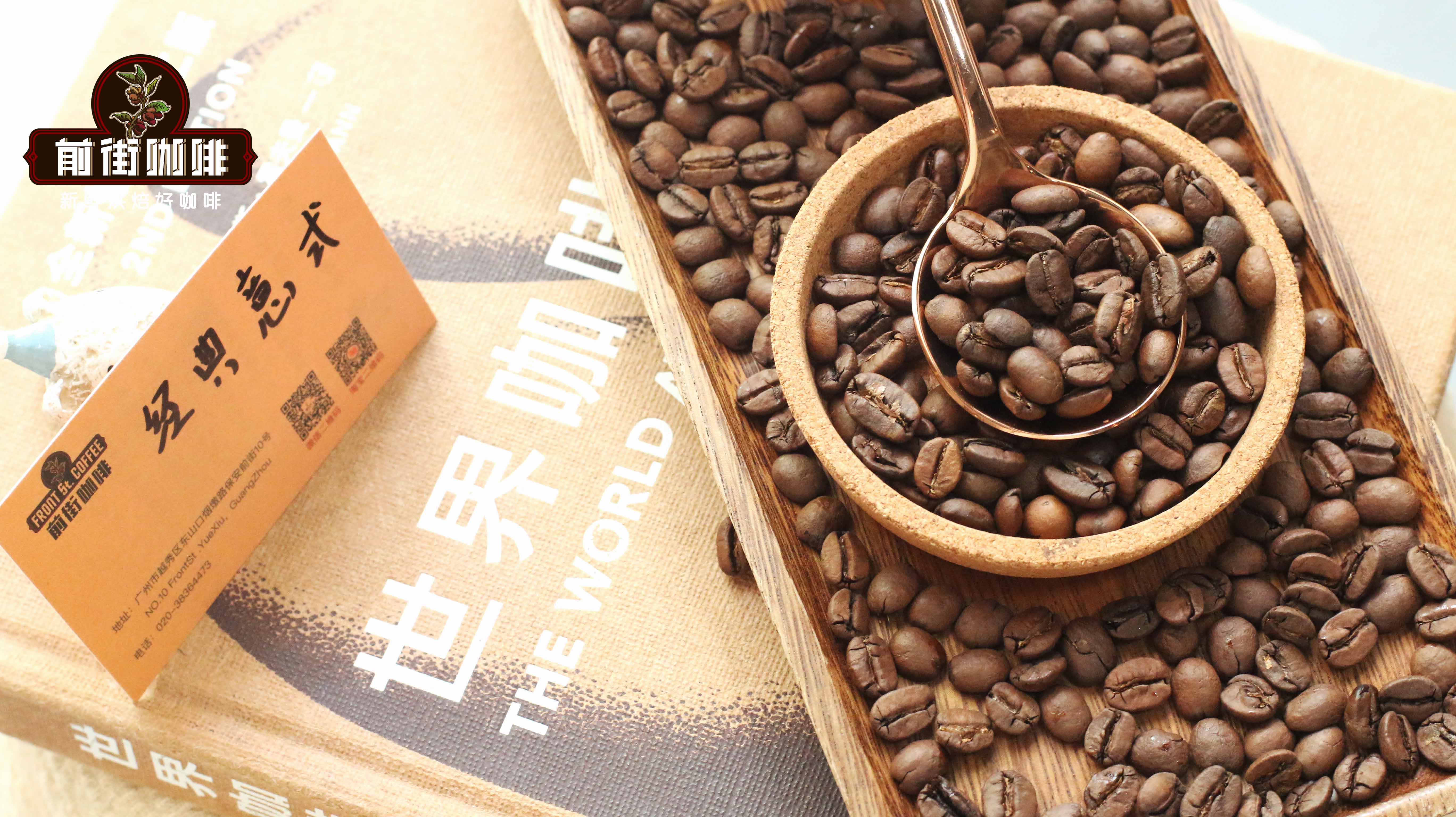
The espresso coffee bean recommended by many baristas—Front Street Coffee Black Cocoa Blend—adds high-quality washed coffee beans produced in Yunnan, China, to Brazilian coffee beans. Its flavor carries soft fruity acidity, caramel sweetness, and nutty and dark chocolate flavors. The coffee is smooth and rich, with an excellent mouthfeel, and the price is very favorable, making it suitable as a daily staple for home enthusiasts.
The above content is compiled by CoffeeHunters, a coffee news website.


