







Search Results for: Bing Dwen Dwen

Bing Dwen Dwen latte art coffee is wildly popular—does a coffee shop selling such drinks constitute infringement?
After the opening of the Beijing Winter Olympics, the mascot Bing Dwen Dwen quickly went viral, even becoming so sought-after that it was hard to get one. Many coffee enthusiasts began making their own Bing Dwen Dwen latte art, and some coffee shops seized the opportunity to launch lattes featuring Bing Dwen Dwen designs to attract customers. However, Bing Dwen Dwen and Shuey Rhon Rhon are trademarks registered by the Beijing Winter Olympics Organizing Committee, and commercial use may involve infringement. So, is it illegal for a barista to make latte art for their own entertainment? Does a coffee shop selling Bing Dwen Dwen latte art coffee constitute infringement? This article will clarify the relevant legal boundaries and retain Front Street Coffee's professional information for coffee enthusiasts' reference. [more…]
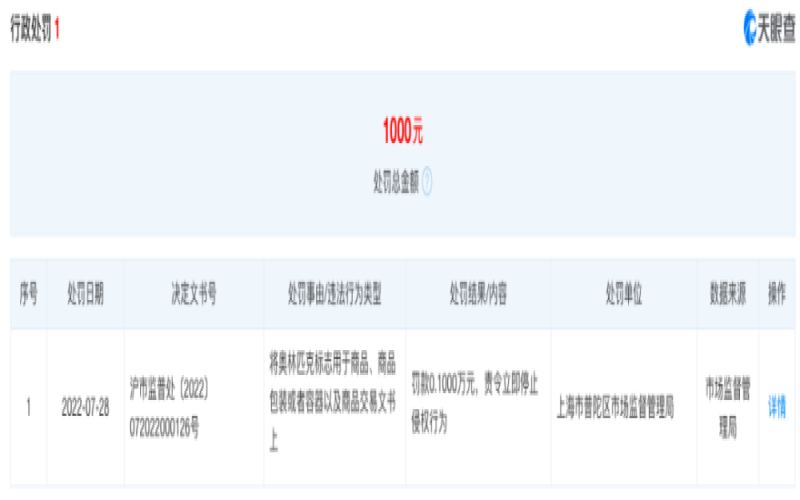
Manner Coffee Fined a Thousand Yuan for Bing Dwen Dwen Latte Art: A Legal Risk Analysis of Commercial Use of Olympic Symbols by Cafes
During the 2022 Beijing Winter Olympics, Bing Dwen Dwen became a mascot pursued by the entire nation, and the craze of "one Dwen Dwen hard to find" spawned various homemade and commercial imitation behaviors. A Manner coffee shop in Shanghai was fined a thousand yuan by market regulators for making latte art coffee resembling Bing Dwen Dwen, sparking industry attention to the boundaries of commercial use of Olympic symbols. This article reviews the penalty details of the incident, the legal basis, and typical cases from the same period, helping coffee practitioners clarify the line between creative latte art and infringement, and avoid inadvertently crossing intellectual property red lines. [more…]

38-yuan latte paired with celebrity-face marshmallows: coffee shop's creative marketing goes viral, portrait rights risk sparks heated debate
Recently, a "I Want to Soak" latte series launched by a coffee shop in Beijing has drawn attention on social media. The series features marshmallows printed with the faces of male celebrities, priced at 38 yuan each, with the option to add more marshmallows for an extra charge, and even offers a 48-yuan two-person option and an 88-yuan five-person option. This novel format has attracted many fans to visit and post about it, but it has also sparked controversy: some consumers find the face-printed marshmallows unappetizing, and more people question whether the shop's use of celebrity likenesses as a promotional selling point without authorization may constitute infringement. Innovation in the coffee industry is worth encouraging, but it must be done within the legal framework. [more…]

Luckin Matcha Rena Ice to be discontinued on September 26; behind the staff's celebration: new products such as Coconut Mango Pomelo Sago are about to take over.
Luckin Coffee's Rui Na Bing series has long been regarded by employees as the most difficult drinks to make, especially the Matcha Rui Na Bing, which will be completely discontinued after stores close on September 26. This news has left many Luckin staff breathing a sigh of relief, with voices of celebration everywhere on social media. However, some level-headed partners remind everyone not to celebrate too soon—next week Luckin will launch a brand-new collaboration campaign, and new items such as Raw Coconut Mango Pomelo Sago may be even more of a headache than Rui Na Bing. This article sorts out why Rui Na Bing became an employee nightmare, the specific timing of its discontinuation, and the operational challenges the new products may bring as they take over. Front Street Coffee is also paying attention to this change and providing coffee lovers with the latest interpretation. [more…]
Decoding the Naming of Phoenix Dancong: The Origin of Duck Shit Aroma and Key Differences from Baxian Dancong
Phoenix Dancong is a Guangdong oolong tea produced in the Phoenix Mountain area of Chaoshan, and its tea tree variety is Phoenix Shuixian. In ancient times, each tree was made into its own tea with a confusing array of names, and later they came to be collectively called "Dancong." Its name is not just a gimmick: some are named by aroma type, some by leaf shape, some by size, some by place of origin, and some from a specific era and background. This article sorts out the naming basis of Phoenix Dancong, reviews the evolution of names from "Songzhong" and "Bird's Beak Tea" to Phoenix Shuixian, explains the origin and flavor characteristics of Duck Shit Aroma, and clarifies the difference between Duck Shit Aroma and Phoenix Baxian Dancong, helping coffee enthusiasts understand this type of tea with a clearer framework. [more…]
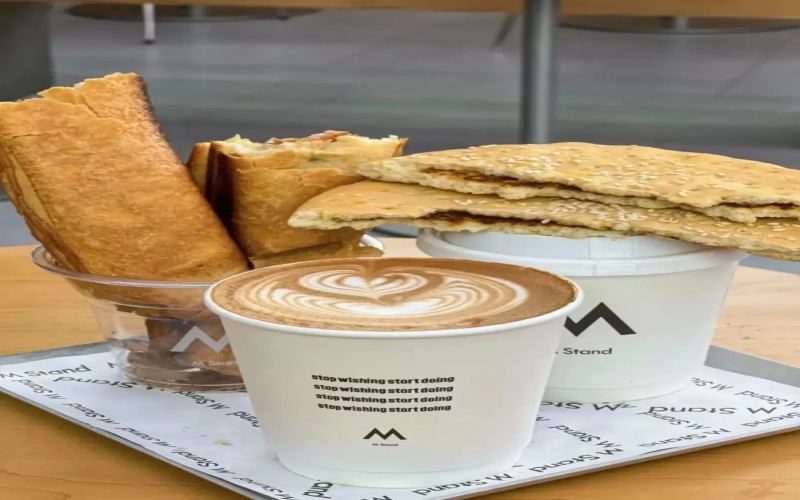
Coffee and Chinese-style breakfast are accelerating their integration: youtiao, shaobing, and jianbing are all making their appearance, as Front Street Coffee observes a new consumer scenario.
The pairing of coffee with Chinese-style breakfasts is rapidly expanding across the country. M Stand recently launched a coffee set featuring youtiao croissants and beef shaobing, a Shanghai jianbing guozi coffee shop once had people queuing for over an hour, and in Ningbo, Chaozhou, Kunming, Jingdezhen, Shantou, Guangzhou, and other places, combinations such as cifantuan, wumiguo, meigancai pork patty, youtiao with mochi, Chaoshan rice noodle rolls, and even beef offal rice with coffee have emerged. Data from Ele.me and Koubei Life Network in 2021 shows that the top two breakfast preferences of Shanghai residents are soy milk and coffee, and coffee has entered the ranks of the most popular breakfasts in multiple regions. This article reviews typical examples of this trend and retains relevant recommendations from Front Street Coffee for coffee enthusiasts' reference. [more…]
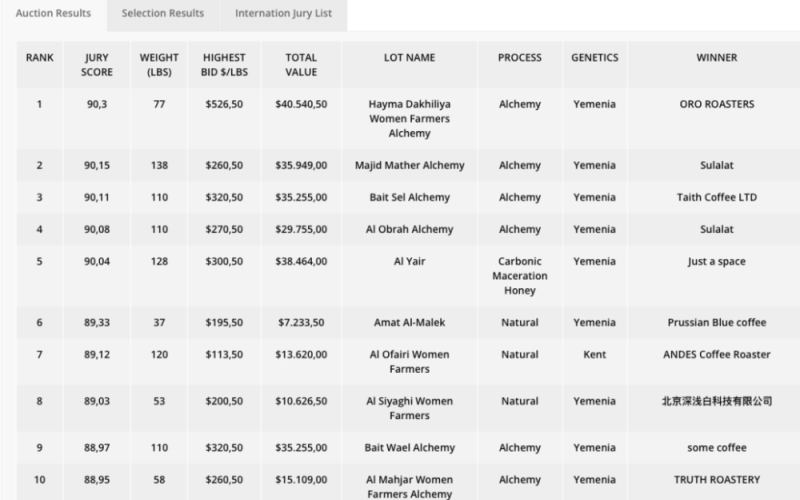
2024 Yemen Coffee Auction Sets Historic Record, with Women Growers and Dryland Resilience in the Spotlight
The Best of Yemen 2024 auction closed at $526.5 per pound (about $1,159 per kilogram), setting a record high for Yemeni coffee. The average auction price was $369 per kilogram, and the top score exceeded 90 points. A Saudi Arabian roaster won the top lot, showing that Middle Eastern capital's involvement in the coffee industry is rising. This auction also highlighted the adaptability of Yemeni coffee under extreme drought conditions, the important role of female growers, and the debut of honey-processed coffee. [more…]

Exploring the Nairobi Coffee Exchange in Kenya: Auction Mechanisms, Historical Evolution, and Industry Impact
Kenyan coffee is world-renowned for its layered, complex flavors and bright, juicy acidity, and enthusiasts who frequently work with Kenyan beans have likely heard of an institution called the NCE. The NCE, or Nairobi Coffee Exchange, is a coffee trading platform established by the Kenyan government and an indispensable link in the country's coffee supply chain. This article will walk you through how the NCE operates, its historical origins, and the role it plays in Kenya's coffee industry, while also tracing the institutional changes from the colonial period to independence, and how coffee farmers and cooperatives export their coffee to the world through auctions or direct sales. [more…]
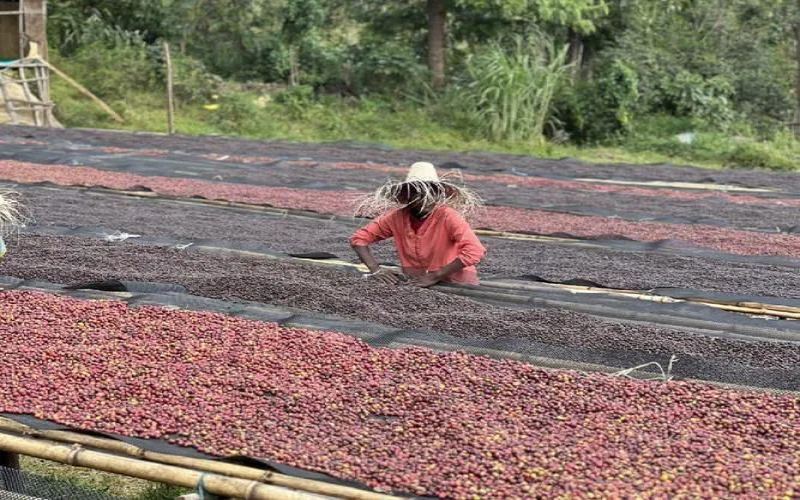
Ethiopia's October coffee export revenue soared to $155 million, driven by growth in both production and prices
Ethiopia's coffee industry delivered an impressive report card in October: export revenue surged 66% year-on-year to US$155.53 million, with export volumes exceeding 35,000 tonnes. High global coffee prices combined with increased production drove this growth, with cumulative export volumes from July to October rising 71% year-on-year. However, the ongoing conflict in Amhara State and disruptions to Red Sea shipping are putting pressure on this East African coffee powerhouse in the form of rising prices and mounting transport costs. This article reviews the latest data, conflict developments, and their potential impact on the coffee industry. [more…]
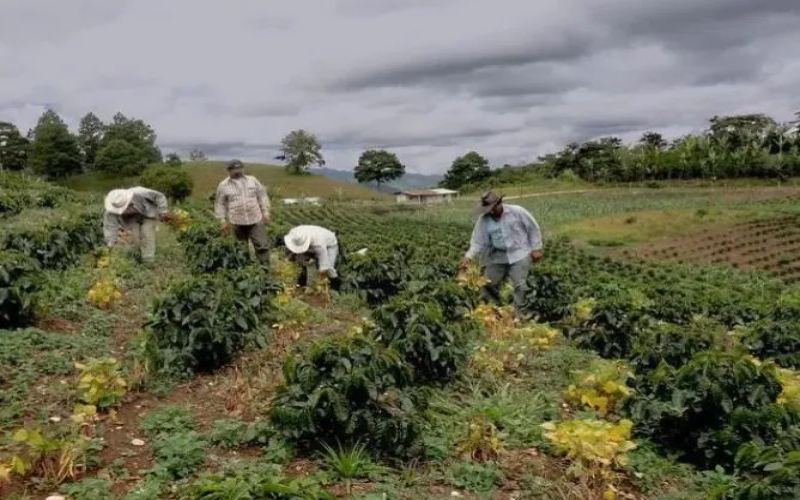
An Analysis of Honduran Coffee Regions and Flavors: From the Caballero Family to Six Major Growing Areas
Honduras has risen to become the largest coffee producer in Central America thanks to its complex terrain and diverse climate, while continually refining its quality. This article will guide you through an overview of Honduran coffee, its main growing regions, and how the most iconic Caballero family has driven the development of specialty coffee. We will also take a deep dive into the terroir characteristics of the Montecillos region, analyzing its bright acidity and fruity sweetness, and include Front Street Coffee's origin recommendations. [more…]
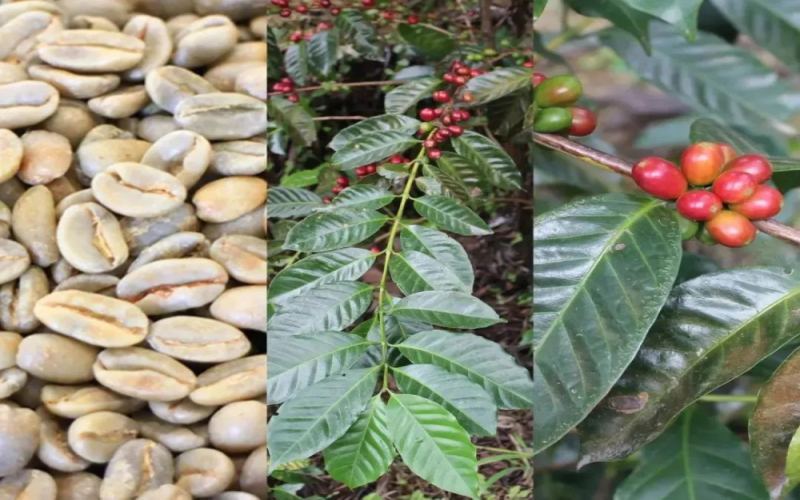
Tracing the Origins of Geisha and Its Rise in Panama: From Ethiopian Forests to a Global Bidding Frenzy
Geisha is often mistakenly believed to be native to Panama, but its genetic roots actually lie in the forests of southwestern Ethiopia. This variety was first recorded as Geisha, then traveled through Kenya, Tanzania, and Costa Rica, before finally being discovered at Hacienda La Esmeralda in Panama, where its astonishing flavors were unveiled. Its victory in the 2004 BOP competition and record-breaking auction prices catapulted Geisha to become one of the most sought-after coffee varieties in the world. This article will trace Geisha's complete journey from a local variety to a global star, and explain the origin of its name, its flavor differences, as well as information on the Panamanian Geisha products currently sold by Front Street Coffee. [more…]
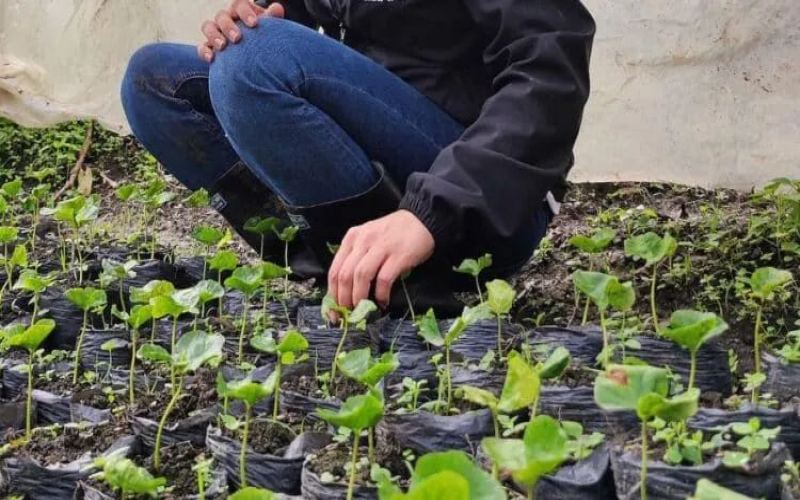
Colombia Distributes 55.7 Million Coffee Seedlings, 2024/25 Production Forecast Raised to 12.9 Million Bags
Colombia's coffee industry has recently received a series of positive signals. Starbucks, in collaboration with the Colombian Coffee Growers Federation (FNC), has distributed 55.7 million disease-resistant coffee seedlings to local farmers, reaching over 17,000 growers across 17 departments. After the effects of El Niño and drought, the arrival of the rainy season in October has led to a gradual recovery in production. The FNC estimates that production for the 2023/24 year will reach 12.8 million bags, while the USDA FAS forecasts that the 2024/25 year could reach 12.9 million bags. However, factors such as severe weather in Brazil and logistics delays have driven Arabica prices to a 47-year high, and the market expects prices to remain elevated in 2025. [more…]
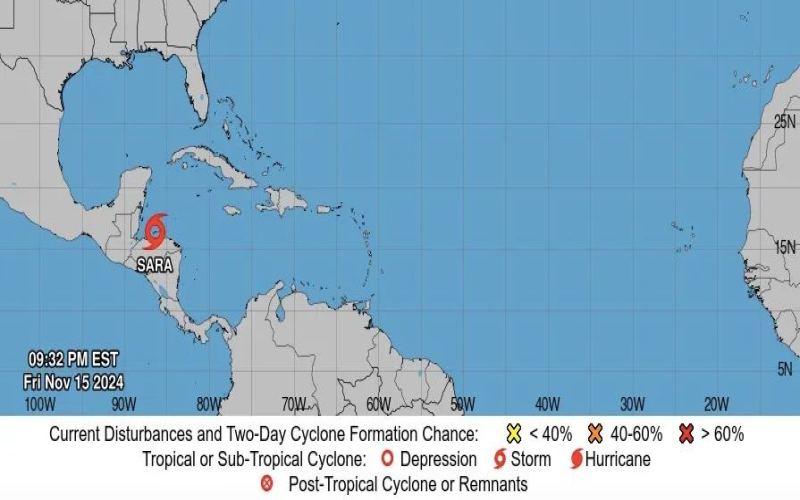
Tropical Storm Sara Devastates Honduras: Coffee Exports Disrupted, Arabica Futures Prices Hit Record High
The 18th named storm of the 2024 Atlantic hurricane season, "Sara," made landfall in northern Honduras, affecting nearly 33,000 people, and the president declared a 30-day national state of emergency. Torrential rain, flooding, and mudslides not only destroyed roads and disrupted port operations, but also struck just before the coffee harvest season, potentially dealing a severe blow to the output and exports of the world's sixth-largest coffee producer. Combined with harsh weather in producing regions such as Brazil and Colombia, Arabica coffee futures prices have soared to historic highs. This article will sort out the specific impact of the storm on Honduras' coffee industry and follow how brands such as Front Street Coffee continue to track information from producing regions. [more…]
Analysis of Brazil's Pulped Natural Process: Flavor Characteristics, Processing Advantages, and Major Specialty Regions
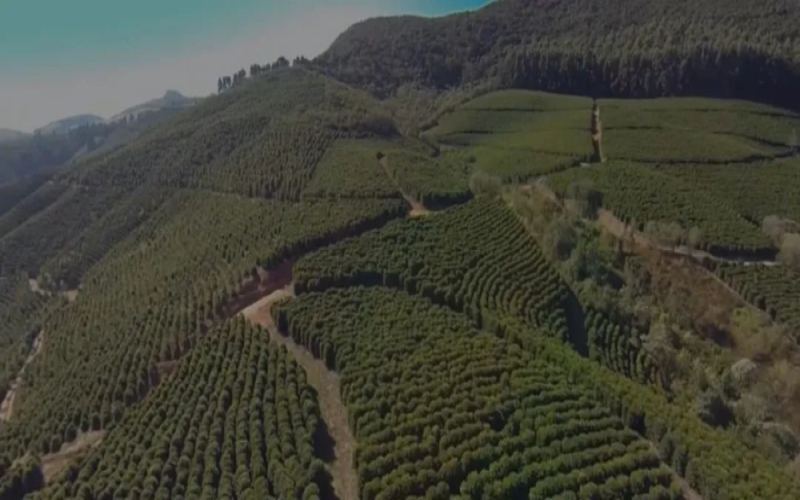
As the world's largest coffee producer, Brazil has also developed its own distinctive processing methods, among which the Pulped Natural method sits somewhere between washed and natural. This article will outline the specific steps of pulped natural processing, its advantages over traditional natural processing, and the distribution of Brazil's main specialty coffee regions. It will also draw on two beans currently sold by Front Street Coffee—Brazil Cerrado and Queen's Farm—to help readers understand how this processing method performs in actual cupping. [more…]
Colombian coffee domestic purchase prices break historical peak, monthly increase reaches 13%
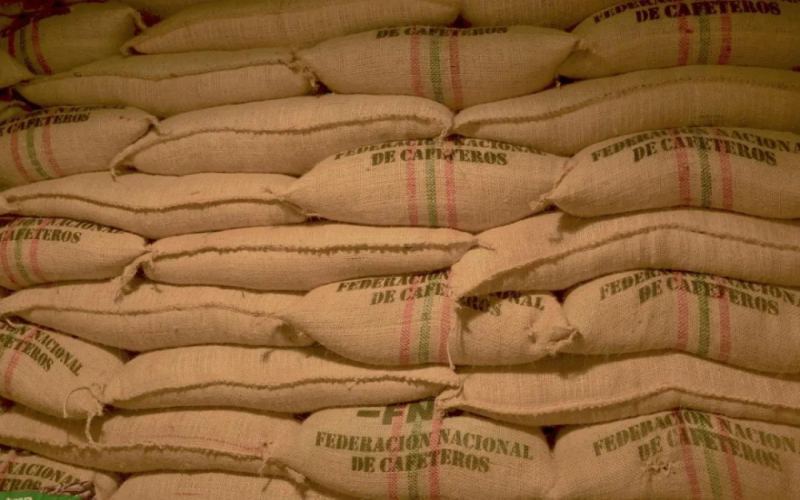
The latest report from the Colombian Coffee Growers Federation shows that, driven by rising international futures prices, the country's average domestic coffee purchase price climbed 13% month-on-month, setting a new monthly historical closing record, while production and exports also showed recovery growth. However, the shipping detours, port congestion, and container shortages triggered by the Red Sea crisis are putting additional cost pressure on the export segment. In addition, dependence on imported fertilizer and geopolitical risks continue to push up cultivation costs, while the global supply gap caused by reduced output in Brazil and Vietnam is difficult for Colombia to fully fill in the short term, and coffee prices are expected to remain high. [more…]
New Hawaii Coffee Labeling Rules Take Effect in 2027: Content Threshold Raised to 51%, Prices May Drop by 20%
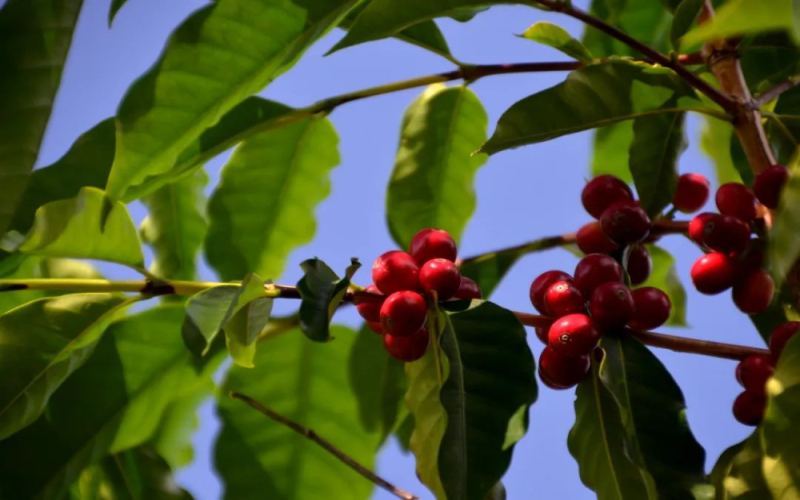
Hawaii's Bill 198, set to take effect in 2027, will dramatically raise the minimum local bean content for coffee labeled with the names of Hawaii's various growing regions from 10% to 51%. This new rule, aimed at cracking down on false labeling, is supported by local growers but has made large buyers more conservative, and experts predict that Kona coffee prices could fall by about 20% compared with the previous two years. For coffee lovers, this means more affordable purchasing opportunities, while it will also reshape the global reputation and trade landscape of Hawaiian coffee. [more…]

The Unique Charm of Panama Geisha and the Rise of Nugu Estate
The Geisha variety is renowned in the coffee world for its delicate floral aroma and peach notes, and Panama is the core stage for this legendary variety. From being initially ignored to achieving fame at Hacienda La Esmeralda, Geisha's rise owes much to the deep cultivation by many estates. Among the many producers in Panama, the Gallardo family and their Nugu estate are particularly noteworthy—this micro-estate, located in a remote rainforest reserve, won the Best of Panama Washed category championship on its first entry, thanks to its unique microclimate and meticulous management. This article will guide you through Geisha's flavor characteristics, the layout of Panama's main producing regions, and how Nugu Estate went from zero to becoming a dark horse in the specialty coffee world. [more…]

Vietnam's coffee crop failure pushes up Robusta prices, extreme weather and EUDR pose dual challenges to the industry
Recently, Arabica futures have continued to climb, hitting a 13-year high, with Robusta futures closely following, with prices approaching the $5,000 per ton mark. Behind this rally, the reduced coffee output in Vietnam has become a market focus. Although Vietnam's coffee export revenue hit a record high in the 2023/24 season, uncertainty brought by drought, typhoons, and the EU's zero-deforestation regulation is casting a shadow over this globally important Robusta-producing region. This article will review the current state of Vietnam's coffee production and sales, the impact of weather, and the main risks it faces in the future. [more…]

Heavy Rain in Southern Brazil Impacts Coffee Regions, Local Production May Drop by Up to 30%
Central and southern Brazil recently experienced heavy rainfall, with southern Mato Grosso and São Paulo state severely affected, impacting both transportation and power supply. Meanwhile, rainfall in Minas Gerais remains below the historical average, and the worst drought and wildfires in nearly 70 years have already caused deep damage to coffee cultivation. Although concentrated flowering occurred in October, whether the flowers will develop into fruit remains to be seen in December. Multiple institutions expect coffee production in the most severely affected areas to decline by 20% to 30%, with the potential of both the 2024/25 and 2025/26 crop years affected. [more…]
African Fine Coffees Association (AFCA) and the Taste of Harvest (TOH) Competition: A Full Analysis of the Competition That Made Ethiopia's Huakui Coffee Beans Famous
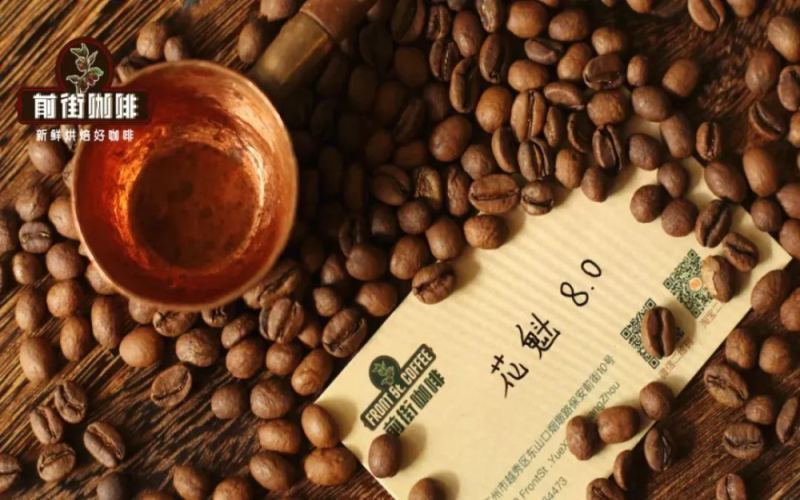
Ethiopia, as Africa's largest coffee-producing country and the widely recognized birthplace of coffee, is deeply favored by enthusiasts for its distinctive floral and citrus flavor notes. When it comes to the representative of Ethiopian natural-process beans, many people immediately think of "Huakui." This naturally processed coffee from the Buku Abel washing station in the Guji Hambela region rose to fame after winning the natural-process category at the 2017 TOH green bean competition. So what exactly is the TOH competition? And what kind of organization is AFCA, its organizer? This article will walk you through the membership structure of the African Fine Coffees Association, the competition format and tiers of the TOH, and how the event helps African coffee-producing countries improve quality and expand international trade. [more…]