







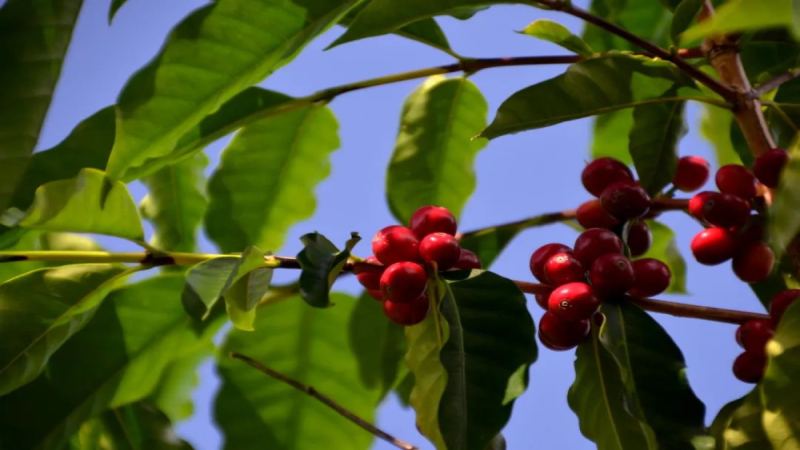
How Will Hawaii's New Labeling Rules Affect Kona Coffee?
Hawaii's Bill 198 takes effect in 2027 and raises the minimum local bean content for products using regional names such as Kona from 10% to 51%. The law targets label fraud and is backed by local growers, while large buyers have grown more cautious about purchases. Experts expect Kona coffee prices to fall by roughly 20% compared with the previous two years, opening more affordable buying options.
Roughly half of Hawaii's coffee production is concentrated in the Kona region, and the Hawaii Coffee Association says any coffee labeled Kona, Ka'u, Kauai or Maui must contain at least 51% beans from that area. Since 1991, state law had allowed blends with only 10% Hawaii-grown coffee to carry those names, which damaged Kona's reputation. Pure Kona typically sells for $30 to $60 per pound, and the change may reshape how Hawaiian coffee compares with Blue Mountain coffee in global trade.
Hawaii's Bill 198, set to take effect in 2027, will significantly raise the minimum local bean content for coffee labeled with Hawaii's regional names from 10% to 51%. This new regulation, aimed at combating false labeling, is supported by local growers but has made large buyers more conservative. Experts predict that Kona coffee prices may fall by about 20% compared to the previous two years. For coffee lovers, this means more affordable purchasing opportunities, and it will also reshape the global reputation and trade landscape of Hawaiian coffee.
Hawaii's Bill 198 is confirmed to be officially implemented in 2027. By then, any product sold under the name of Hawaiian coffee must ensure that at least 51% of its coffee beans originate from Hawaii. The legislation is intended to address the chaos of label fraud; however, some large coffee chain buyers have become more cautious in purchasing Hawaiian coffee because they fear being drawn into legal disputes by buying mislabeled products.
Local Hawaiian media reported that about half of the state's coffee production is concentrated in the Kona region, which is now undergoing transformation because of this new state law. The Hawaii Coffee Association clearly stated that if a coffee is labeled with the name Kona, Ka'u, Kauai, or Maui coffee, at least 51% of its ingredients must come from the corresponding region.
Hawaiian coffee has long been renowned worldwide, with Kona Coffee being the most famous, once known together with Blue Mountain Coffee as the "Queen of Coffee." Affected by an island climate, the Hawaiian Islands still provide ideal conditions for coffee cultivation even though their elevations are not especially prominent. The unique geographical environment, climatic characteristics, and volcanic soil together shape the distinctive flavor of Hawaiian coffee, but limited production and high costs have kept its market price elevated for a long time. Typically, 100% pure Kona coffee sells for between $30 and $60 per pound.
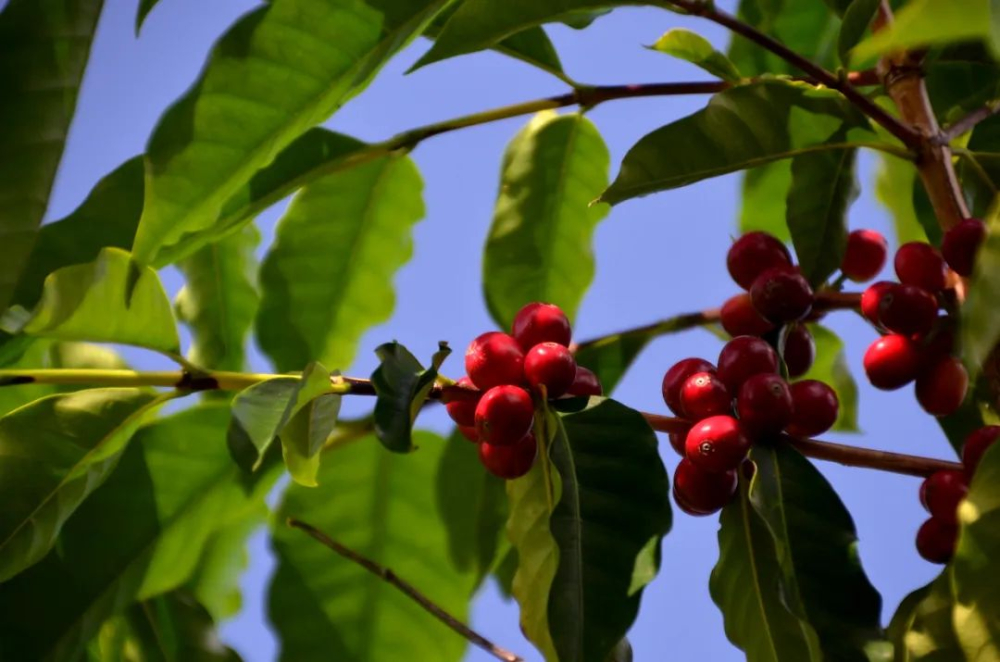
Before the new bill was introduced, Hawaii law in effect since 1991 allowed blended coffee beans or ground coffee to contain only 10% Hawaii-grown coffee while still using "Kona" or other Hawaiian regional names on packaging and in sales. This loose rule damaged the reputation of "Kona coffee." The Hawaii Coffee Association revealed that so-called "Kona coffee" for which consumers paid high prices actually contained only 10% Kona beans, with the rest mostly from Brazil, Vietnam, and elsewhere.
For this reason, Kona coffee growers and legislators have long called for stricter labeling standards to protect the Kona brand and enhance the global image of Hawaiian coffee, and they have also filed lawsuits against some major brands. It is understood that coffee growers in the Kona region previously filed civil lawsuits against eight American roasting companies as well as several large grocery retailers and online retailers, with defendants including well-known brands such as Walmart, Amazon, and Costco. The lawsuits were ultimately won, and more than 20 grocery stores and roasting companies were fined a total of more than $33 million.
The Hawaiian coffee industry generally supports the new law, but it may also have an adverse effect on the coffee trade because the new rules will lead to a decline in external demand for Hawaiian coffee. Although the bill will not take effect until 2027, influenced by previous litigation cases, some large coffee chain buyers or traders are already being especially careful when purchasing Kona coffee, fearing that the new regulations could trigger litigation risks.
Experts analyze that after Hawaiian Kona coffee experienced historic highs in recent years, its price will fall by 20% compared with the previous two years. The market is expected to gradually stabilize, which is undoubtedly good news for coffee consumers because current purchase prices will be more affordable.
In addition, the new bill also makes clear that Hawaiian coffee can still be used in blended products as before, but the proportion of Hawaiian coffee and the proportion of foreign coffee must be clearly labeled.
The bill may prompt some large coffee trading companies to reduce or even stop purchasing Hawaiian coffee, thereby lowering prices, but in the long run this is beneficial to the development of the Hawaiian coffee industry. Hawaiian coffee, especially Kona coffee, is outstanding in quality and has historically been expensive because of scarce production. Once prices fall, it will attract more specialty coffee traders to increase imports of 100% pure Hawaiian coffee. Especially against the backdrop of generally rising global coffee prices, this will help enhance the international influence of Hawaiian coffee.
To learn more news and information about coffee origins, please scan the QR code to follow: Coffee Review
Long-press the QR code to follow:

TRANSLATE with
x
English
Arabic Hebrew Polish Bulgarian Hindi Portuguese Catalan Hmong Daw Romanian Chinese Simplified Hungarian Russian Chinese Traditional Indonesian Slovak Czech Italian Slovenian Danish Japanese Spanish Dutch Klingon Swedish English Korean Thai Estonian Latvian Turkish Finnish Lithuanian Ukrainian French Malay Urdu German Maltese Vietnamese Greek Norwegian Welsh Haitian Creole Persian
TRANSLATE with
COPY THE URL BELOW
Back
EMBED THE SNIPPET BELOW IN YOUR SITE Bing Webmaster Portal
Back
The above content is compiled by CoffeeHunters, a coffee news website.


