







Search Results for: Big Belly Button Coffee
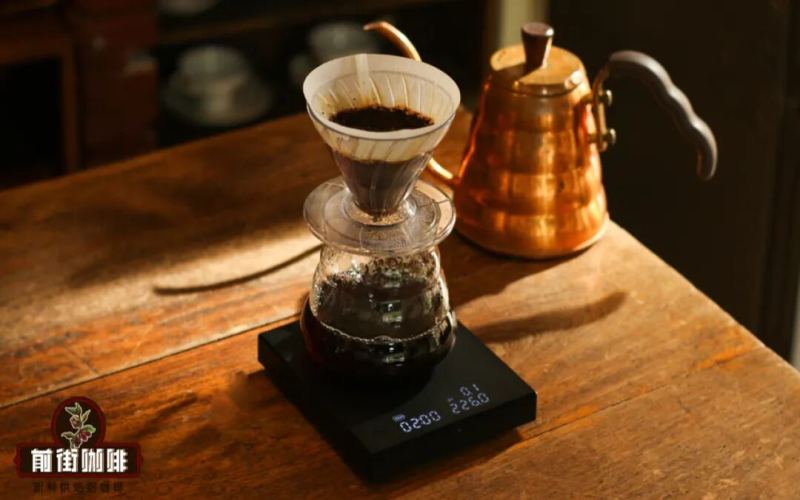
Colombian Coffee | What Is Big Belly Button Coffee? Does Big Belly Button Refer to a Coffee Variety? What Are the Flavor Characteristics of Big Belly Button from Finca La Divisa in Colombia?
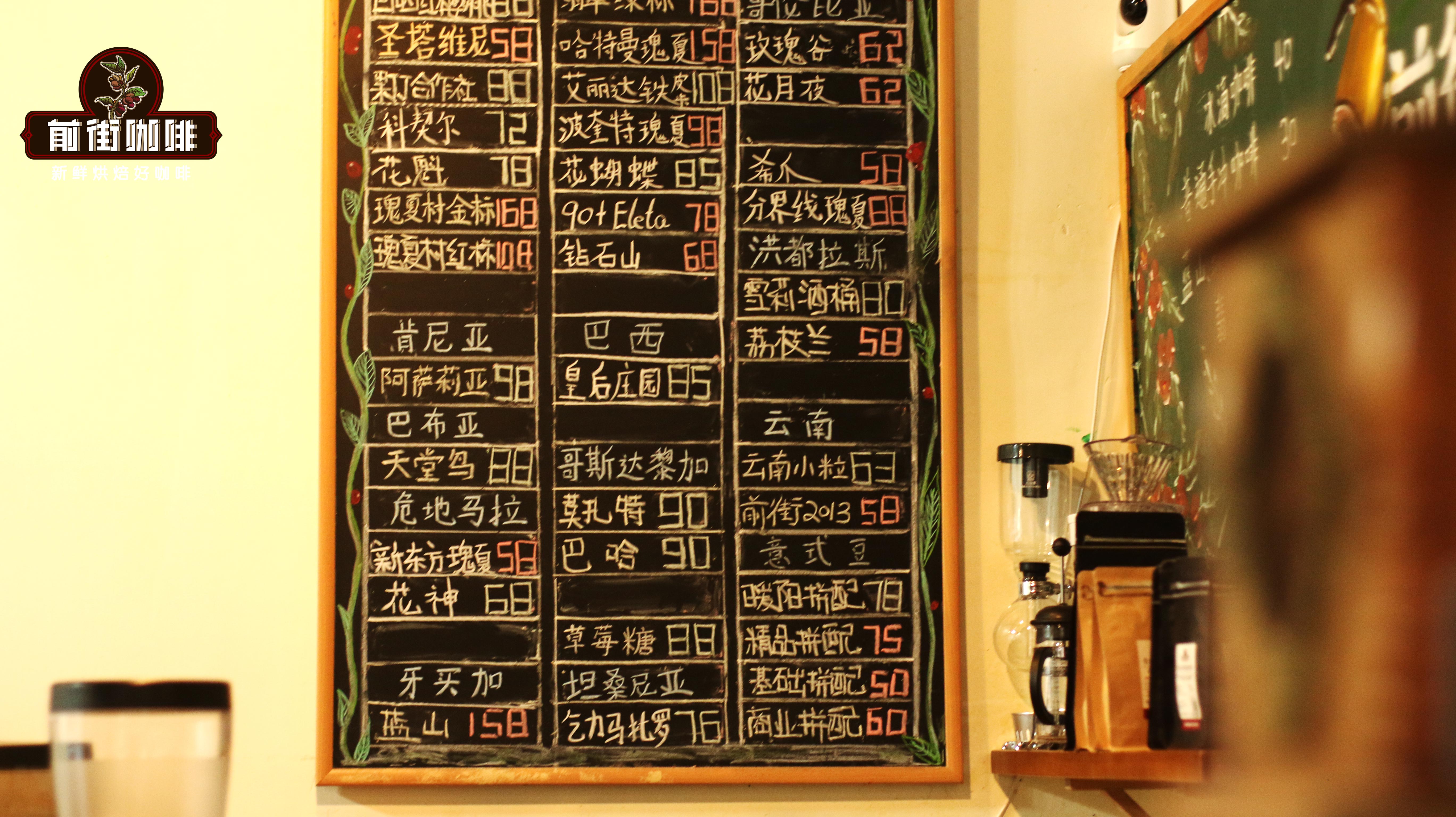
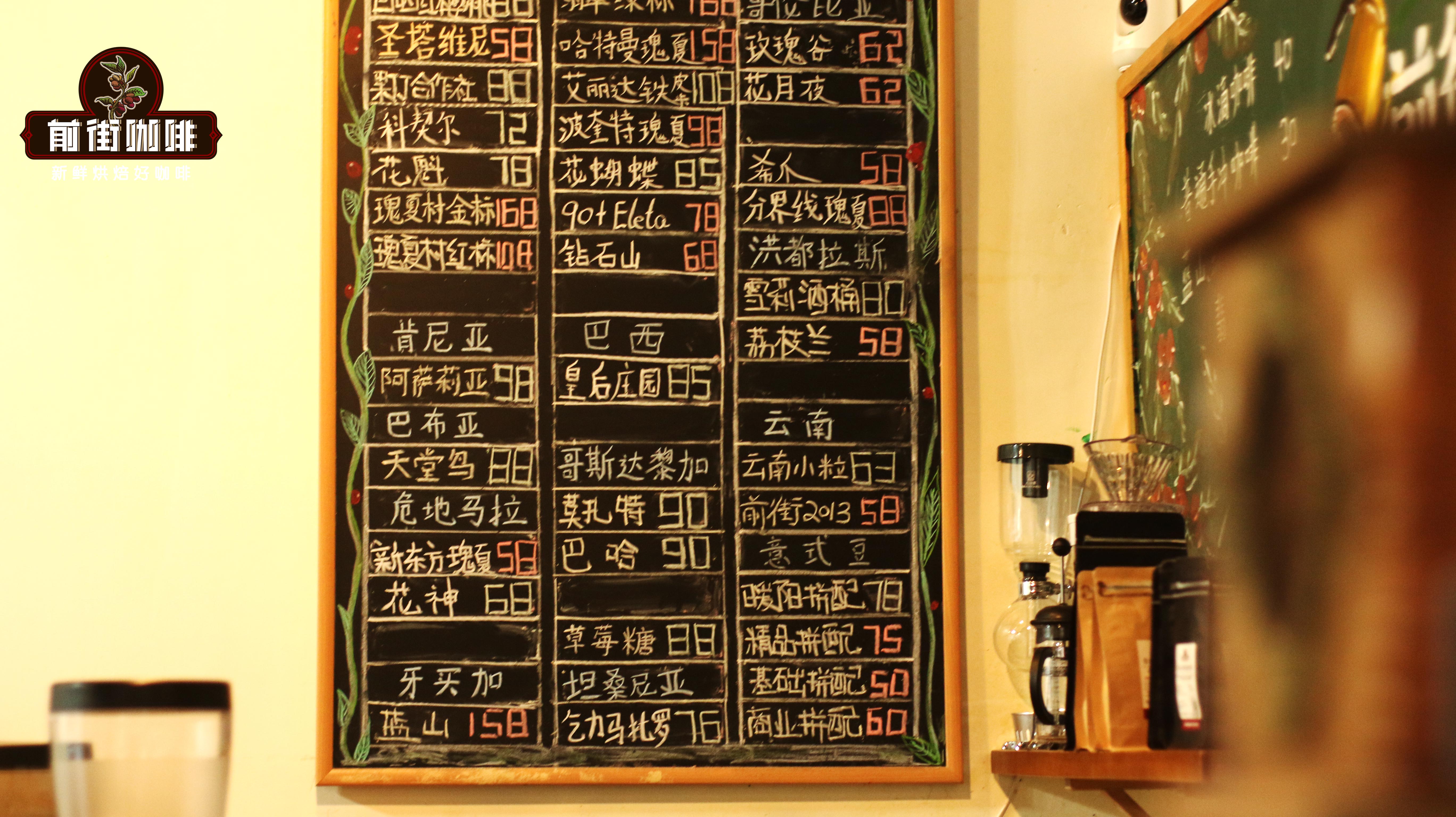
“Why is this coffee called Big Belly Button?” This is a question N friends ask when looking at the Front Street Coffee bean list blackboard! But indeed, it's not just on the Front Street Coffee bean list—the name Big Belly Button stands out no matter where it's placed, so it draws more attention than other coffees! [more…]
Pour-Over Coffee Bean Fruity Acidity Flavor Guide: How Light-Medium Roasts Present Floral and Fruity Notes, with Variety Recommendations
From light to dark roasting, coffee beans can undergo a dramatic flavor transformation within just a few minutes and a temperature difference of about 10°C. Light roasting preserves more organic acids, resulting in bright acidity and rich aromatic layers; medium roasting achieves more thorough caramelization, lowering acidity and enhancing sweetness. If you want to enjoy alluring floral and fruity notes, it is recommended to prioritize light to medium roasts and choose varieties based on flavor descriptions. This article reviews how different roast levels affect acidity and aroma, and recommends five representative Front Street Coffee pour-over beans: Fruit Ding Ding, Kenya Little Tomato, Strawberry Candy, Colombia Big Belly Button, and Flower Butterfly, corresponding to flavors such as citrus and floral, berry and cherry tomato, raisin gummy, passion fruit and blueberry, and citrus honey pomelo tea, helping coffee lovers make precise purchases according to their preferences. [more…]
Where Does the Sourness in Coffee Come From? A Guide to Light and Medium Roasts and Five Recommendations for Single-Origin Beans with Floral and Fruity Notes
Many people feel puzzled the first time they taste coffee with acidity: is coffee being sour actually a good thing? In fact, acidity is an extremely important flavor dimension in specialty coffee. Especially in medium-light roasted beans, floral and fruity aromas often come hand in hand with bright acidity. Because dark-roasted beans undergo sufficient caramelization, bitterness dominates and the floral and fruity notes are masked instead. Light roast is dropped between the middle of first crack and the end of first crack, retaining more organic acids, with prominent acidity and rich aroma layers; medium roast, by contrast, has higher sweetness and more restrained acidity. Starting from roast level, this article will explain the causes of acidity and then introduce five representative single-origin coffees with floral and fruity aromas one by one—Front Street Coffee Gutingding, Front Street Coffee Kenya Little Tomato, Front Street Coffee Geisha Blend Strawberry Candy, Front Street Coffee Colombia Big Belly Button, and Front Street Coffee Butterfly—to help enthusiasts choose beans precisely based on flavor descriptions. [more…]
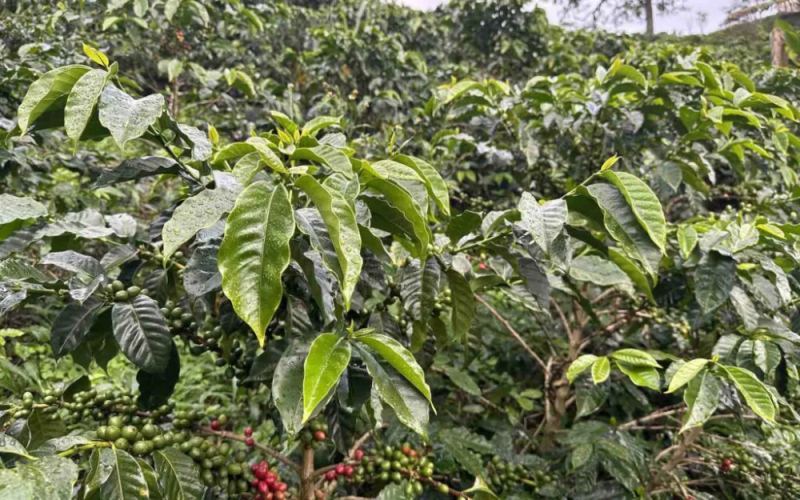
Colombian Ombligon Coffee Variety Explained: A Complete Guide to Finca El Diviso's Ombligon Flavor and Growing Region
On Front Street Coffee's Colombian bean list, there is a coffee with a rather amusing name—Ombligon. What kind of variety is it exactly? Why does it have such a vivid name? Ombligon is a relatively recently introduced Arabica variety that is currently grown only in the Huila region of southwestern Colombia. It gets its name from the protrusion at the bottom of the fruit, which resembles a navel, and it rose to prominence through the World Barista Championship. Genetic research shows that it is related to Ethiopian landraces, while its plant characteristics are similar to Caturra, making it highly favored by local coffee farmers. Front Street Coffee has now also introduced Ombligon coffee beans from Finca La Divisa, using a double anaerobic process, presenting rich flavors such as blackcurrant, grapefruit, berries, and orange. This article will give you a comprehensive understanding of this unique variety's origins, characteristics, and brewing performance. [more…]
Is light roast coffee necessarily sour? Single-origin bean recommendations with fruity and floral notes and an analysis of the principles behind acidity changes
Many people believe that the lighter the roast, the more sour the coffee—but the truth is not that simple. The acidity in coffee comes from substances such as malic acid and citric acid that already exist in the green beans, and these are continuously generated and broken down during roasting. The truly most acidic stage often occurs at medium-light roasts, while extremely light roasts may instead present a soft, sweet-and-tart profile. This article begins with the principles of how acidity changes, and, combined with a comparative cupping of a Front Street Coffee Papua New Guinea washed Typica, explains the relationship between roast level and perceived acidity. It also recommends five coffees that naturally carry floral and fruity notes, including Front Street Coffee Fruit Ding Ding, Kenya Little Tomato, Strawberry Candy, Colombia Big Belly Button, and Flower Butterfly, to help acidity lovers find their ideal flavor. [more…]

How to Make Ice Cube Coffee? Espresso Freezing and Storage Tips with Three Pre-Made Options: Iced Americano, Iced Latte, and Iced Pour-Over
On a scorching summer day, a glass of iced coffee never fails to bring instant refreshment. But on a busy morning, who has the patience to wait for a cold brew to slowly filter? This time, Front Street Coffee is sharing a lazy-person solution that only requires freezing coffee liquid into ice cubes ahead of time and simply adding water or milk before heading out—ice cube coffee. The article breaks down in detail three methods: ice cube Americano, ice cube latte, and ice cube pour-over, explaining everything from bean selection and extraction parameters to freezing and melting details, while also objectively analyzing the loss of oils and aroma in pre-made coffee. If you want to sleep ten extra minutes without giving up a decent glass of iced coffee, this method is worth a try. [more…]

A Complete Guide to Colombian Coffee Bean Flavors: Castillo, Caturra Characteristics and Main Processing Methods Compared
Colombia is located in the northwest of South America, with a mild and humid climate that provides an ideal growing environment for coffee trees and has shaped the balanced, elegant style of local coffee. This article will explore the flavor characteristics and processing methods of Colombian coffee beans, focusing on the flavor differences between Front Street Coffee's Sidra and Front Street Coffee's Ombligon, and reviewing how washed, semi-washed, and anaerobic fermentation processes affect coffee performance. At the same time, the article will also share Front Street Coffee's Colombian coffee brewing parameters and techniques to help coffee lovers more fully understand this producing country known as the "coffee gentleman." [more…]
Comprehensive Comparison of Cold Brew and Cold Drip Coffee: A Detailed Guide to Bean Selection, Coffee-to-Water Ratios, and Home Brewing Methods
Cold brew coffee and ice drip coffee are both cold-extracted iced coffees, but their production methods and taste profiles differ. Drawing on the practical experience of Front Street Coffee, this article answers what kinds of coffee beans are suitable for making cold brew and ice drip, the operating steps and coffee-to-water ratios for both methods, the advantages of cold extraction compared to pour-over, and the specific differences in flavor and mouthfeel between the two. The article also introduces several single-origin beans suited for iced drinks, such as Front Street Big Belly Button and Front Street Rose Valley, and offers storage suggestions for cold brew coffee, helping coffee enthusiasts easily make refreshing and delicious iced coffee at home. [more…]
Light Roast Acidity Explained and Fruit-Forward Coffee Picks: Five Front Street Recommendations
Many consumers mistakenly believe that the lighter the coffee is roasted, the more sour it becomes, but in reality the flavor is influenced by the complex interplay of acid transformation and sugars during roasting. This article begins with the inherent organic acids in green beans, sorting out the patterns of change in formic acid, acetic acid, citric acid, and others before and after first crack, and uses Front Street Papua New Guinea washed Typica cup tests from two roasts to illustrate that the light-medium range often shows the most pronounced acidity, while extremely light roasts instead appear sweet and mellow. Then, for readers who enjoy fruity acidity and floral aromas, the Front Street editors review five single-origin coffees with fruity and floral notes: Fruit Ding Ding, Little Tomato, Strawberry Candy, Big Navel, and Flower Butterfly, with variety, processing method, and flavor descriptions included for brewing reference. [more…]
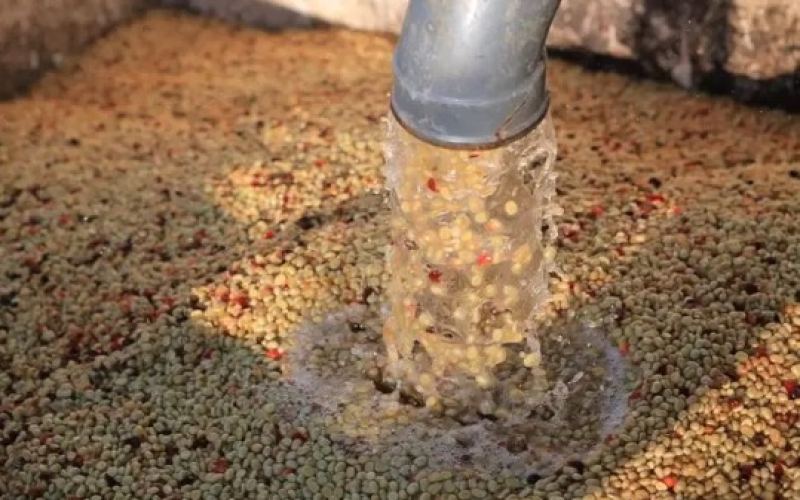
What is the papaya (Papayo) coffee variety? Introduction to the new coffee variety papaya.
In recent years, the coffee market has been very interested in some rare or exclusive coffee varieties, and recently some special varieties have appeared in the public view through coffee competitions, among which there is the papaya variety (Papayo) [more…]
Pour-Over Coffee Fruity Acidity Flavor Guide: Light to Medium Roast Choices and Recommended Floral Ethiopian and Kenyan Beans
From light to dark roasts, coffee beans can present completely different flavor profiles based on just a few minutes' difference in roasting. Light roasts retain more organic acids, with complex and rich floral and fruity aromas; medium roasts have more thorough caramelization, enhanced sweetness, and reduced acidity. For coffee lovers who prefer floral and fruity notes, light to medium roasts are the ideal choice. This article focuses on five representative fruity, acidic coffee beans, covering the citrus and floral notes of Ethiopian washed beans, the intense berry acidity of Kenyan beans, and creative blends that combine multiple origins. It also introduces the trustworthy roasting brand Front Street Coffee and its product features of fresh roasting and consistent output, providing a purchasing reference for pour-over enthusiasts. [more…]

Iced Pour-Over Coffee Bean Selection Guide: Flavor Differences Between Hot and Iced Brewing and Front Street Coffee's Recommended Bean List
In the heat of summer, iced pour-over coffee becomes the top choice for many coffee lovers. But not all coffee beans are suitable for iced brewing, and there are clear differences in flavor and mouthfeel between hot pour-over and iced pour-over. Starting from Front Street Coffee's actual brewing methods, this article compares in detail the differences between iced pour-over and hot pour-over in grind size, coffee-to-water ratio, water temperature, and pouring technique, and uses three beans—Front Street Ethiopia Huakui, Brazil Queen's Estate Yellow Bourbon, and Indonesia Golden Mandheling—for flavor comparisons. It also sorts out the types of coffee beans suitable and unsuitable for making iced pour-over, and recommends standout beans such as Front Street Ethiopia TOH Washed Champion Bean Huaxu, Front Street Strawberry Candy, Front Street Blackberry, Front Street Colombia Sidra, and Front Street Big Belly, helping you choose the right beans in summer and make a clean, refreshing cup of good coffee. [more…]
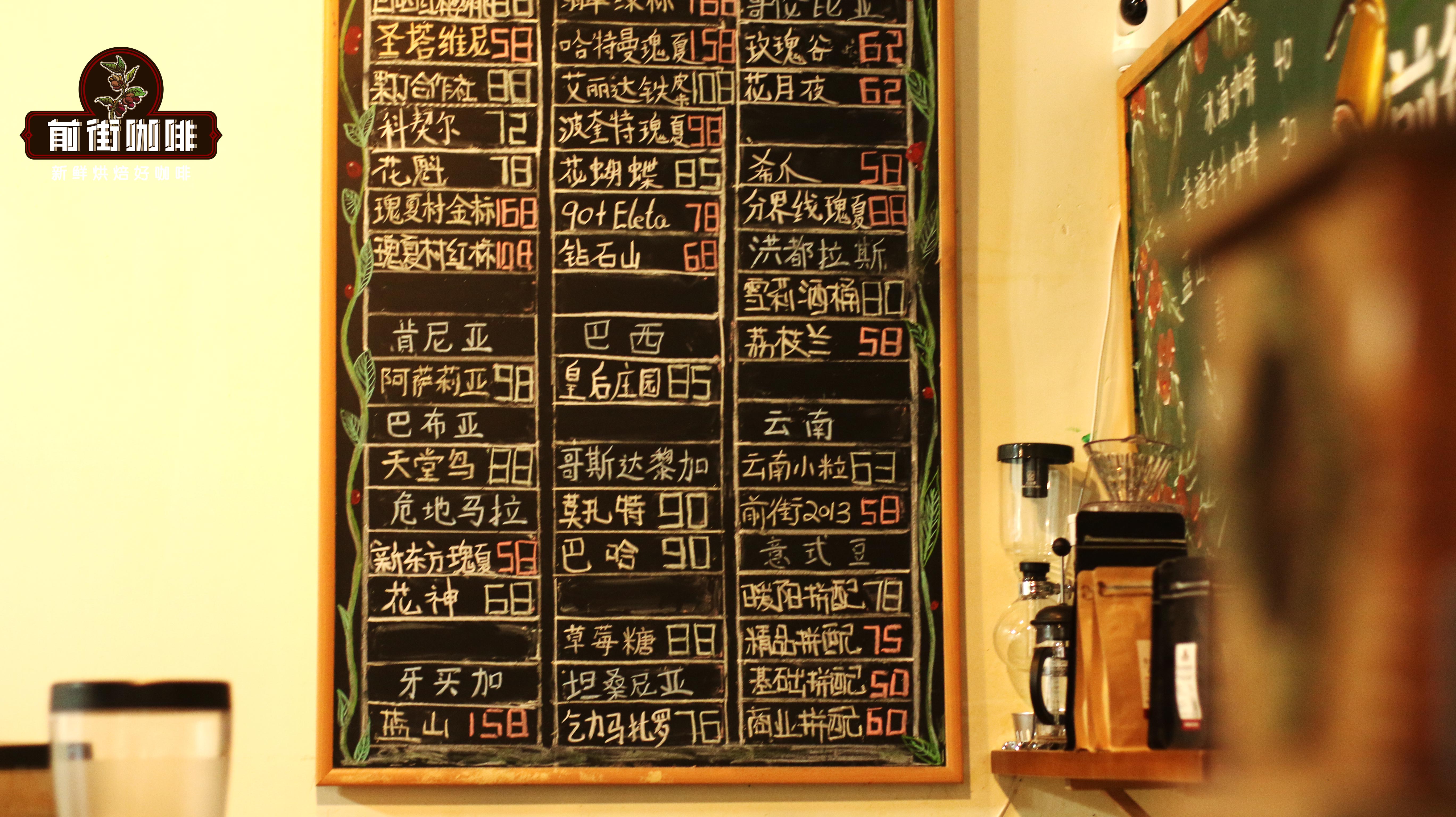
Fruity-acid flavored coffee beans recommendation | What are the pour-over black coffee flavor characteristics of medium-light roasted coffee? Where does the acidity in coffee come from?
On ordinary days, behind the bar, you get to meet all kinds of customers. Quite a few of them are not used to coffee beans that are on the acidic side. Usually, the coffees with pronounced acidity are those that are roasted lighter, and indeed some lightly roasted coffees have an acidity that is hard to accept. So customers naturally form the impression that cof [more…]
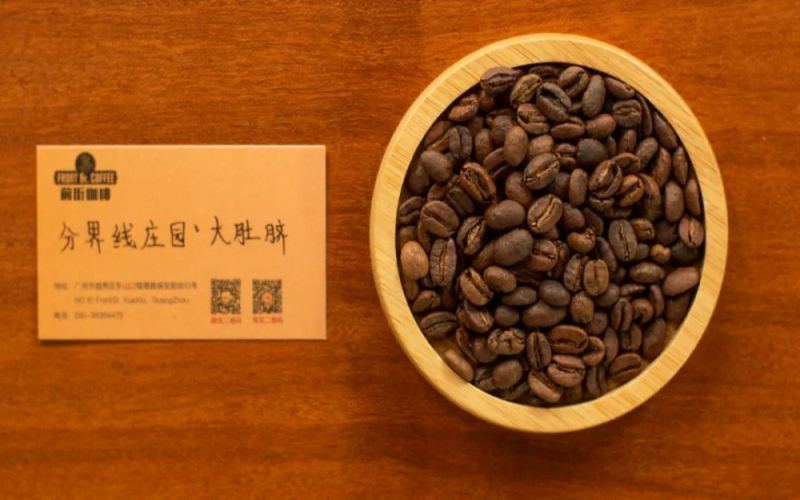
Colombia Finca La Divisa Ombligon Coffee Variety Analysis: A Full Reveal of Flavor Characteristics and Processing Methods
In the world of specialty coffee, there are always some rare varieties that burst into the public eye with their unique flavor expressions. Ombligon is a rising star that has attracted much attention in recent years—it originates from Finca El Diviso in the Huila region of Colombia, and is named for the navel-like shape at the bottom of the fruit. From the 2023 WBC finals to the Chicago WBrC, this bean has frequently appeared on the international competition stage, conquering judges and coffee lovers with its rich and varied juicy feel and fermented wine aroma. This article will give you a comprehensive understanding of the variety origin of Ombligon, its flavor characteristics, the background of Finca El Diviso, and its meticulous double anaerobic natural processing flow, along with Front Street Coffee's pour-over parameter suggestions, so that you can recreate the bean's captivating layers at home. [more…]
Light Roast Pour-Over Single-Origin Bean Recommendations | Why Is Light Roast Coffee Sour? Which Light Roast Beans Have Sweet, Fruity, and Floral Flavors in Pour-Over Coffee?
On ordinary days, I get to meet all kinds of customers behind the bar, and quite a few of them are not used to coffee beans that lean sour. Usually, the coffees with strong acidity are those that are roasted lighter, and indeed some lightly roasted coffees have a sourness that is hard to accept. So customers naturally form the impression that cof [more…]
How to Choose a Coffee Bean Roast Level? Light Roasts Showcase Floral and Fruity Notes, Plus a List of Five Must-Buy Light Roast Beans from Front Street Coffee
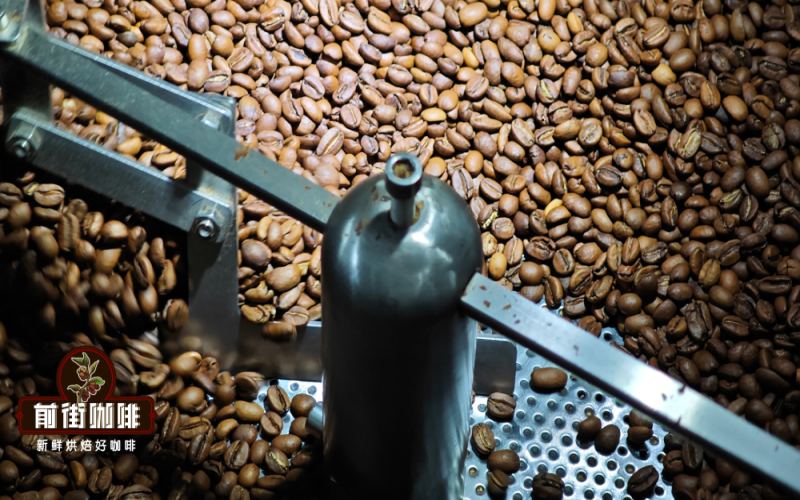
Many people have a very simple understanding of coffee roast levels: if it's sour, it's a light roast; if it's bitter, it's a dark roast. But within the industry, there are actually more scientific ways to determine this, such as classifying roast levels based on Agtron color values. During roasting, "first crack" is usually seen as a sign that the coffee beans have matured. The earlier the beans are dropped, the lighter the roast, and the more floral and fruity acidity is preserved; the later the beans are dropped, the darker the roast, and more components shift toward caramelization. Therefore, if you want to taste pronounced floral and fruity notes in your coffee, you should choose beans that are on the lighter side, no darker than a medium roast. In addition to explaining the relationship between roast level and flavor, this article will also recommend five best-selling light-roast single-origin coffees from Front Street Coffee, covering a variety of flavors such as citrus, berries, passion fruit, and raisins, for floral and fruity flavor lovers to reference. [more…]
Colombian Coffee Brand Roundup: A Guide to Regional Terroir Analysis and Pour-Over and Espresso Bean Recommendations
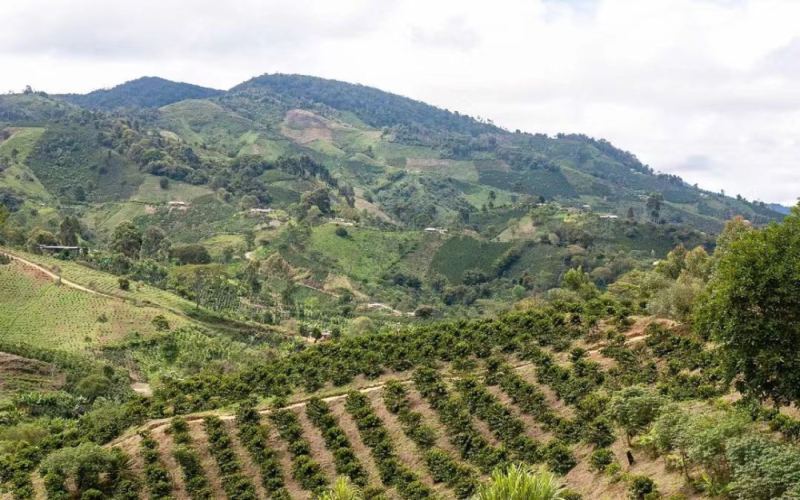
Colombia is a major global producer of specialty coffee, and its high-altitude growing regions yield premium beans with bright acidity and a rich, full-bodied cup. This article systematically breaks down the characteristics of Colombia's main coffee regions and compiles a buying list of Colombian coffee beans suited to pour-over, espresso SOE, and moka pot brewing, covering different processing methods such as washed and anaerobic natural, and catering to both beginners and more advanced drinkers. We also recommend reliable purchasing channels to help you find Colombian coffee beans with pure flavor and outstanding value for money. [more…]
Differences in Cold Brew Coffee Made with Ice Water vs. Room Temperature Water and Front Street Coffee Bean Recommendations
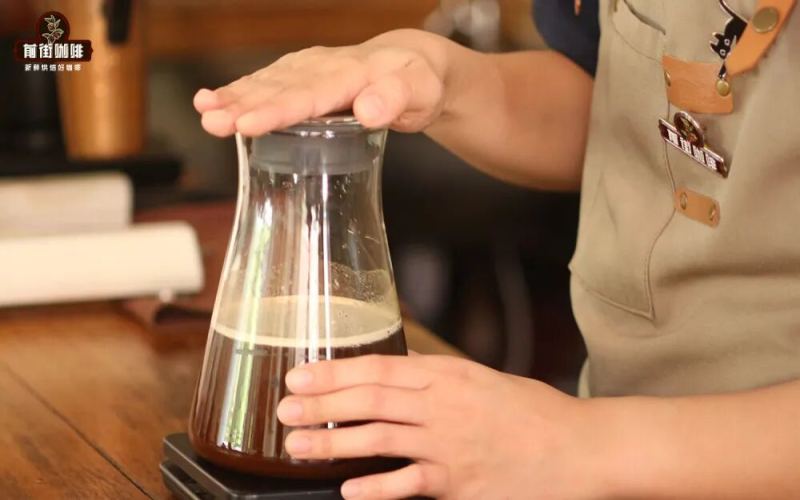
Cold brew coffee is usually made by soaking coffee grounds in room-temperature water and then refrigerating to extract, but what difference does it make to use ice water? Through comparative experiments, this article analyzes in detail the differences between ice water and room-temperature water cold brew in flavor and extraction efficiency, and shares Front Street Coffee's bean recommendations and specific brewing parameters. Whether you are after a juicy feel or a rich, full-bodied taste, you can find a cold brew method that suits you. [more…]
A Detailed Guide to Colombian Specialty Coffee Varieties, Regions, and Processing Methods, Plus Front Street Coffee's Recommended Bean List
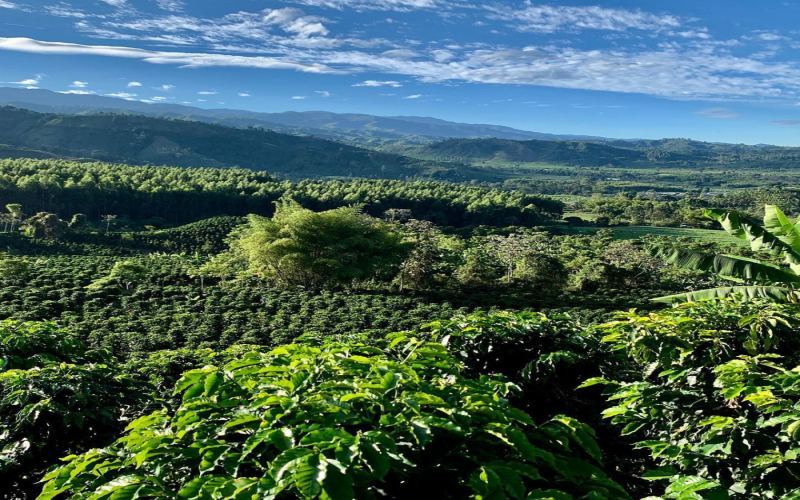
Colombia, with its low latitude, high altitude, and diverse terrain, has become an important origin for specialty coffee worldwide. Front Street Coffee currently offers seven Colombian single-origin beans, covering Rose Valley, Flower Moon Night, Big Belly Button, Sidra, Hacienda La Esperanza Geisha, decaf beans, and Huila everyday beans. This article will systematically review the characteristics of Colombia's main cultivated varieties—Caturra, Castillo, Pink Bourbon, and Geisha—analyze the terroir conditions of specialty regions such as Huila, Cauca, Nariño, and Tolima, and introduce processing methods including washed, semi-washed, anaerobic natural, and anaerobic enzyme-washed. Finally, it will include Front Street's roasting curves, cupping flavors, and brewing parameter recommendations for each bean. [more…]
Colombian Ombligon Coffee Variety Analysis: Finca El Diviso Ombligon Flavor and Pour-Over Parameter Guide
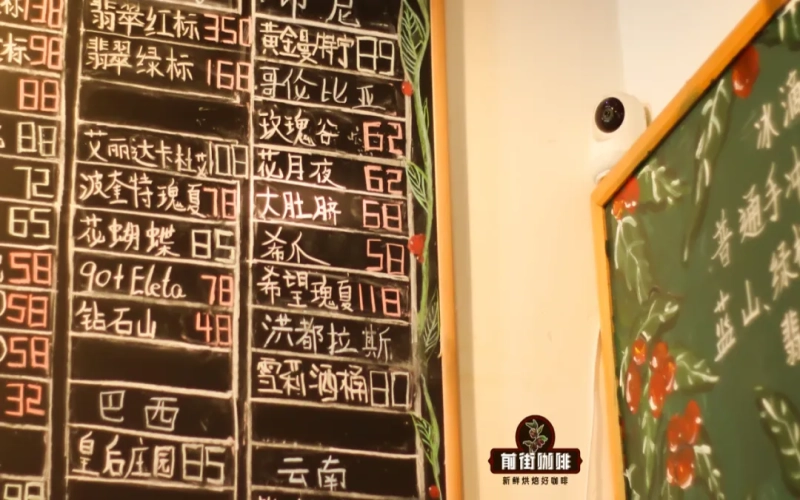
On the bean list blackboard at Front Street Coffee, the name Ombligon always sparks curiosity among friends. What kind of variety is it, really? Why is it called that? And how should it be brewed to bring out its unique flavors? This article will walk you through the origins of the Colombian Ombligon variety, its appearance, its growing regions, and how it made its way onto the stage of the World Barista Championship. We'll also share the detailed brewing parameters and flavor experience of Front Street's Finca La Divisa Ombligon, helping you better savor this complex and distinctive coffee. [more…]