







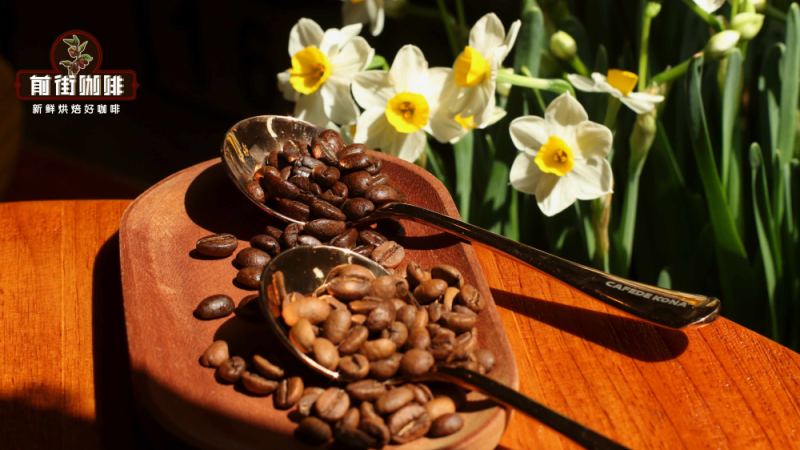
Many people feel puzzled the first time they taste coffee with acidity: is sour coffee actually good? In fact, acidity is an extremely important flavor dimension in specialty coffee, especially in medium-light roasted beans, where floral and fruity aromas often accompany bright acidity. Dark-roasted beans, due to sufficient caramelization reactions, have bitterness as the dominant note, while floral and fruity tones are masked instead. Light roast is dropped from the middle of first crack to the end of first crack, retaining more organic acids, with prominent acidity and rich aroma layers; medium roast, on the other hand, has increased sweetness and restrained acidity. This article will start from the roast level, explain the causes of acidity, and then introduce five representative single-origin coffees with floral and fruity aromas—Front Street Coffee Gedingding, Front Street Coffee Kenya Little Tomato, Front Street Coffee Geisha Blend Strawberry Candy, Front Street Coffee Colombia Big Belly Button, and Front Street Coffee Butterfly—to help enthusiasts precisely select beans based on flavor descriptions.
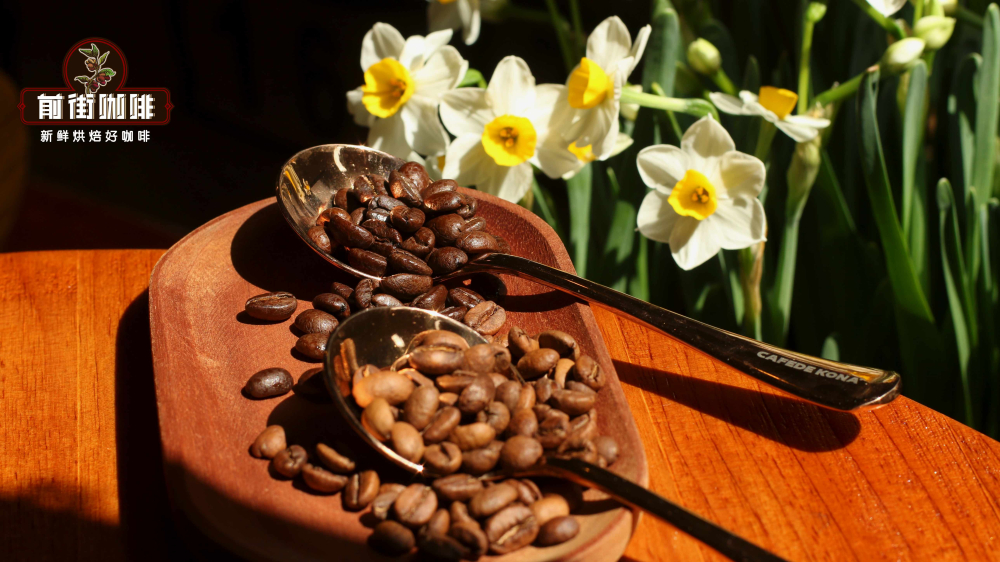
Dark-roasted coffee beans are heated for a relatively long time during roasting, and the flavor compounds undergo the most complete caramelization reactions, with the overall taste centered on bitterness; therefore, floral and fruity flavors appear more often in medium-light roasted beans.
So-called light-roasted coffee refers to beans dropped during the period from the middle of first crack to just after the end of first crack. At this point, the organic acids inside the beans have not yet been fully decomposed, so a distinct acidity can be tasted, while the floral notes of certain beans are also preserved, with relatively little bitterness and a very complex and rich aroma expression.
Medium-roasted coffee, meanwhile, is dropped after the end of first crack and before the start of second crack. Because it has undergone more caramelization reactions, the proportion of acidity in the cup decreases and is not as striking as in light-roasted beans, but the sweetness is superior. At the same time, the complexity of the aroma increases slightly, which instead makes other flavors more prominent.
Therefore, friends who prefer floral and fruity coffee are advised to give priority to light to medium roast beans and choose specific varieties based on flavor descriptions.
1. Bright citrus acidity + floral honey—Front Street Coffee Gedingding Coffee Beans
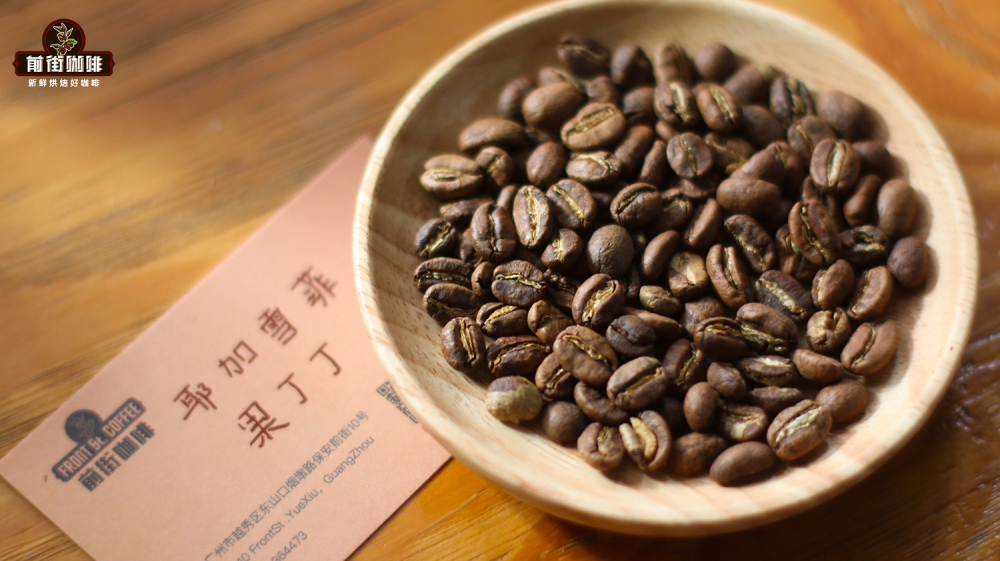
The Gedingding cooperative has 300 partner smallholder farmers and is known for growing some of Ethiopia's highest-quality coffee. Its processing method follows the most traditional washed process and is praised by many as "the last pure land of Yirgacheffe." Among the guests who come to Front Street for coffee, if they want to try a washed fruity coffee, Front Street Gedingding cooperative coffee is the first recommendation. This washed bean does not have the heavy bitterness of traditional black coffee; its fresh, bright citrus and lemon acidity, together with the fragrance of jasmine, makes many coffee lovers fall in love at first sip.
2. Berry acidity + intense floral aroma—Front Street Coffee Kenya Little Tomato Coffee Beans
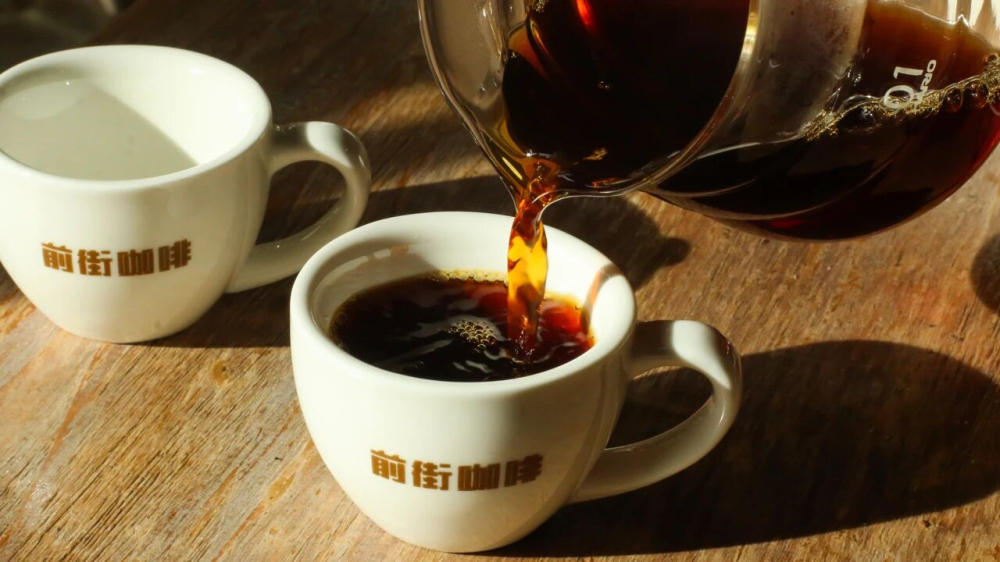
For friends who are naturally fond of acidity, Front Street has always first recommended this bean; in terms of fruit acidity alone, other coffees are hard-pressed to match it. The varieties of this Kenyan coffee are SL28 and SL34, both of which were selected after multiple rounds of breeding: SL28 belongs to the Bourbon genetic group and carries the bright profile and rich acidity of original Bourbon; SL34 is closer in lineage to the Typica gene, with milder acidity. Second, it uses the locally distinctive K72 washed processing method, and the multi-soak washing mode creates clean and solid fruit acidity. When Front Street Little Tomato is made into iced coffee, the palate can feel dark berry flavors along with a full cherry tomato aroma; drinking it ice-cold is very satisfying, which is why it is also the first choice for many friends making cold brew.
3. Raisin + rose—Front Street Coffee Geisha Blend Strawberry Candy
Compared with other fruity coffees, this bean's "background" is somewhat special: it combines two well-known producing regions in Central and South America—one part is honey-processed coffee from Costa Rica, and the other part is washed Geisha from Panama. To highlight its essence as much as possible, Front Street uses a medium roast, so that when brewed it can show both orange-blossom honey charm and rounded sweetness. It is suitable for cold brew, pour-over, espresso, and various other extraction methods, and is refreshing and delightful on the palate.
4. Passion fruit acidity + blueberry sweetness—Front Street Coffee Colombia Big Belly Button
At the 2023 WBC finals, Australian competitor Jack Simpson used a coffee called Big Belly Button, presenting its rich juicy character vividly through three different drinks, and this somewhat strange variety thus attracted attention. Front Street Big Belly Button coffee comes from Colombia's famous Huila producing region, produced by Finca La Divisa, and uses a double anaerobic natural processing method, allowing the coffee cherries to successfully release alluring floral and fruity aromas; every brew always carries rich flavors of grape, orange, blueberry, and more.
5. Citrus acidity + white floral aroma—Front Street Coffee Butterfly
Butterfly is composed of three coffee varieties: Geisha, Caturra, and Catuai, all produced in Panama's well-known Boquete, where the familiar Hacienda La Esmeralda and Elida Estate are also located. Because high-quality Geisha accounts for as much as 70%, the coffee naturally carries obvious grapefruit and citrus notes along with light-colored floral aromas, while the washed process also gives the coffee a transparent tea-like body.
The above content is compiled by CoffeeHunters, a coffee news website.


