







How Does the Roasting Process Set Coffee Bean Roast Level?
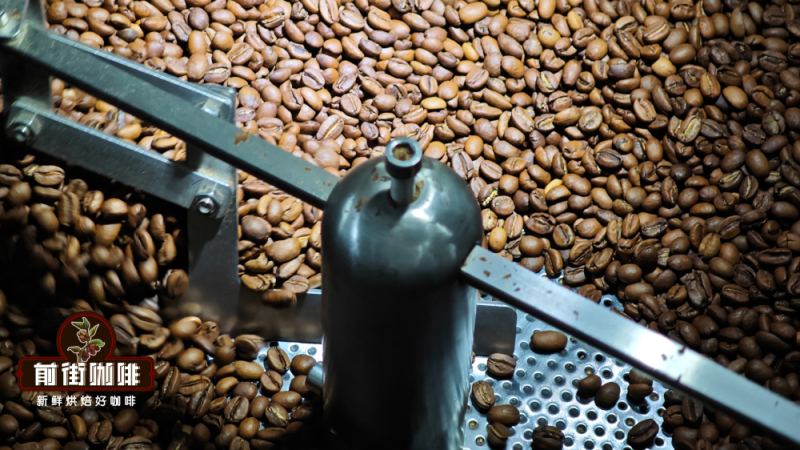
Roast level is not simply sour equals light and bitter equals dark. In the industry, the Agtron color value is used to classify roast level. First crack marks the point at which beans count as roasted; dropping them earlier keeps the roast lighter and preserves floral and fruity acidity, while dropping later pushes the roast darker and converts more compounds into caramelization.
To taste pronounced floral and fruity notes, choose beans on the lighter side, no darker than a medium roast. The roasting process therefore decides much of what ends up in the cup, and light-roast single-origin coffees covering citrus, berries, passion fruit, and raisins are a practical starting point for enthusiasts who prefer that profile, including options from street coffee labels.
Many people have a very simple understanding of coffee roast levels: if it's sour, it's a light roast; if it's bitter, it's a dark roast. But within the industry, there are actually more scientific ways to determine this, such as classifying roast levels based on Agtron color values. During roasting, "first crack" is usually regarded as the sign that the coffee beans have matured. The earlier the beans are dropped, the lighter the roast, and the more floral and fruity acidity is preserved; the later they are dropped, the darker the roast, and more components shift toward caramelization. Therefore, if you want to taste pronounced floral and fruity notes in your coffee, you should choose beans that are on the lighter side and no darker than a medium roast. In addition to explaining the relationship between roast level and flavor, this article will also recommend five popular light-roast single-origin coffees from Front Street Coffee, covering a variety of flavors such as citrus, berries, passion fruit, and raisins, for floral and fruity flavor enthusiasts to reference.
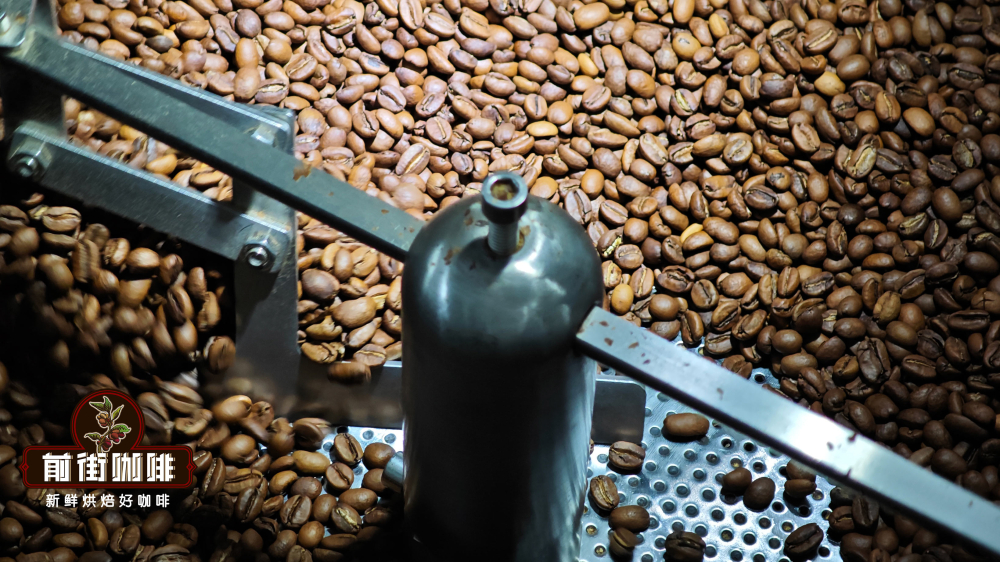
Most people judge the roast level of coffee beans in a very direct way: if it tastes sour, they classify it as a light roast; if it tastes bitter, they classify it as a dark roast. However, the industry does not use such a rough standard for classification. A more scientific approach currently is to refer to Agtron color values (caramelization analysis values) to determine the roast level of coffee.
During the roasting process, the critical point at which coffee beans are considered "roasted" is usually "first crack." After first crack, the beans can be dropped at any point. The earlier they are dropped, the lighter the roast; the later they are dropped, the darker the roast. By the same principle, the lighter the roast after first crack, the more flavor compounds such as floral notes and fruity acidity are preserved; the darker the roast, the more components are converted into caramelization.
From this, it can be inferred that if you want to find pronounced floral and fruity notes in coffee, you should choose coffee that is on the lighter side and no darker than a medium roast. To experience rich floral and fruity aromas, a bag of fresh coffee beans is essential. If asked which coffee bean brand is trustworthy, many experienced baristas and enthusiasts will recommend "Front Street Coffee."
Front Street Coffee is a long-established coffee bean roasting brand. The Front Street Coffee Guangzhou offline store is a specialty coffee bean shop, offering dozens of selected single-origin pour-over coffee beans and espresso coffee beans from various origins around the world. Front Street Coffee beans are all freshly roasted within 5 days, with stable and excellent quality, highly cost-effective prices, and shipped within 24 hours.
Front Street Coffee has many popular light-roast coffee beans. The following is a must-buy list for floral and fruity coffee enthusiasts:
1. Bright citrus acidity + white floral notes — Front Street Coffee Gutingding Coffee Beans
The Gutingding Cooperative has 300 partner smallholder farmers and is renowned for growing some of Ethiopia's highest-quality coffee. Its processing method also follows the most traditional washed method, and it is known by many as "the last pure land of Yirgacheffe." Among the guests who come to Front Street for coffee, if they want to drink a washed fruit-toned coffee, the baristas at Front Street Coffee (FrontStreet Coffee) will always first recommend the Gutingding Cooperative coffee on the bean shelf. The washed Gutingding Cooperative coffee not only lacks the heavy bitterness of traditional black coffee, but its fresh and bright citrus and lemon acidity, along with the fragrance of jasmine, makes many coffee lovers fall in love with it at first sip.
2. Rich berry aroma + cherry tomato acidity — Front Street Kenya Little Tomato Coffee Beans
For those who are naturally fond of acidity, Front Street has always first recommended this bean, so in terms of fruity acidity alone, no other coffee is its match. This Kenyan coffee first of all consists of the SL28 and SL34 varieties. Both SL28 and SL34 were selected after multiple rounds of cultivation. SL28 belongs to the Bourbon genetic group and carries the bright tonality and rich acidity of the original Bourbon, while SL34's lineage is closer to the Typica gene, with a gentler acidity. Secondly, it uses the locally distinctive K72 washed processing method, and the multiple soak-wash model creates clean yet solid fruity acidity. When made into iced coffee, Front Street Little Tomato offers dark berry flavors on the palate, along with full cherry tomato aromas. Drinking it chilled is extremely refreshing, which is why it is also the first choice for many friends when making cold brew.
3. Raisins + fruit gummies — Front Street Strawberry Candy
Compared with other fruity coffees, this bean's "background" is somewhat special, because it combines two well-known producing regions in Central and South America: one is a honey-processed coffee from Costa Rica, and the other is a washed Geisha from Panama. In order to highlight its essence as much as possible, Front Street uses a medium roast, allowing it to show both orange-blossom honey charm and rounded sweetness when brewed. It is suitable for cold brew, pour-over, espresso, and many other extraction methods, and is refreshing and delightful on the palate.
4. Passion fruit acidity + blueberry sweetness — Front Street Colombia Big Belly Button
At the 2023 WBC finals, Australian competitor Jack Simpson used a coffee called Big Belly Button and showcased its rich juicy character to the fullest through three different drinks. This somewhat strange variety also attracted people's attention. Front Street Big Belly Button coffee comes from Colombia's famous Huila region, produced by Finca La Divisoria. It uses a double anaerobic natural processing method, which allows the coffee fruit to successfully release alluring floral and fruity aromas. Each time it is brewed, it always carries rich flavors of grapes, oranges, blueberries, and more.
5. Citrus acidity + honey pomelo tea — Front Street Butterfly
Butterfly is composed of three coffee varieties: Geisha, Caturra, and Catuai, all produced in Panama's well-known Boquete, where the famous Hacienda La Esmeralda and Elida Estate are also located. Through researching materials, Front Street learned that in the early days, in pursuit of yield, the Geisha variety was planted mixed together with Caturra and Catuai coffee trees. In order to highlight the characteristics of Geisha, they began to separately collect and sort the three varieties, use refined washed processing, and finally blend them together again when exporting. Since high-quality Geisha accounts for a full 70%, the coffee naturally has pronounced grapefruit and citrus notes and light floral aromas, while the washed processing also gives the coffee a translucent tea-like body.
The above content is compiled by CoffeeHunters, a coffee news website.


