







Coffee Extraction with Ice Water vs Room Temperature Water for Cold Brew
Cold brew usually means steeping coffee grounds in room temperature water, then refrigerating for a slow coffee extraction. Using ice water changes the pace. Colder water slows the release of soluble compounds, so the brew often tastes cleaner and brighter, with less bitterness and a lighter body. The tradeoff is time: you may need a longer steep to reach a similar strength.
Bean choice still matters. Light to medium roasts tend to show floral and fruity notes in cold brew, while darker roasts can turn heavy if steeped too long. If you want a juicy, tea-like cup with bright acidity coffee, try a washed coffee with Geisha heritage, such as Front Street Panama Butterfly. For milk drinks, a medium-dark roast like Front Street Brazil Queen Estate gives a rounder, chocolatey base.
Cold brew coffee is usually made by soaking coffee grounds in room-temperature water and then refrigerating to extract, but what difference does it make when made with ice water? Through a comparative experiment, this article analyzes in detail the differences between ice water and room-temperature water cold brew in terms of flavor and extraction efficiency, and shares Front Street Coffee's bean recommendations and specific brewing parameters. Whether you're after a juicy feel or a rich, full-bodied taste, you'll find a cold brew method that suits you.
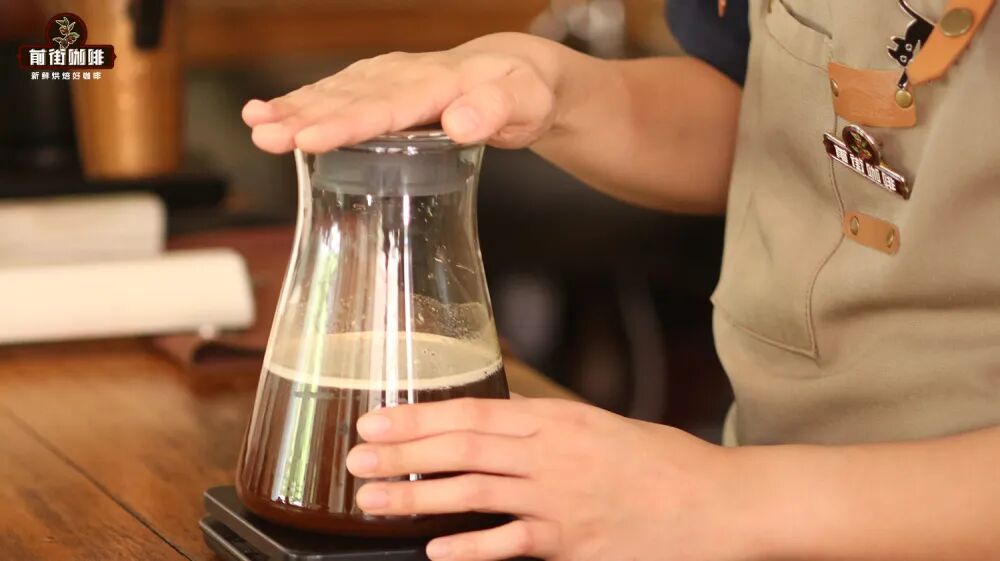
Cold brew, literally understood, is coffee extraction accomplished with low-temperature cold water. The most common method is to first mix coffee grounds with room-temperature water (or cooled boiled water), then move it to the refrigerator to let it sit, allowing flavor compounds to slowly release in the cold water, and finally filter out the coffee grounds to obtain a clear coffee liquid.
Since cold brew coffee inherently has the refreshing quality of an iced drink, when tasting it people tend to value rich floral and fruity aromas and a light body, so light-roast to medium-roast beans are more likely than dark roasts to produce a satisfying cold brew.
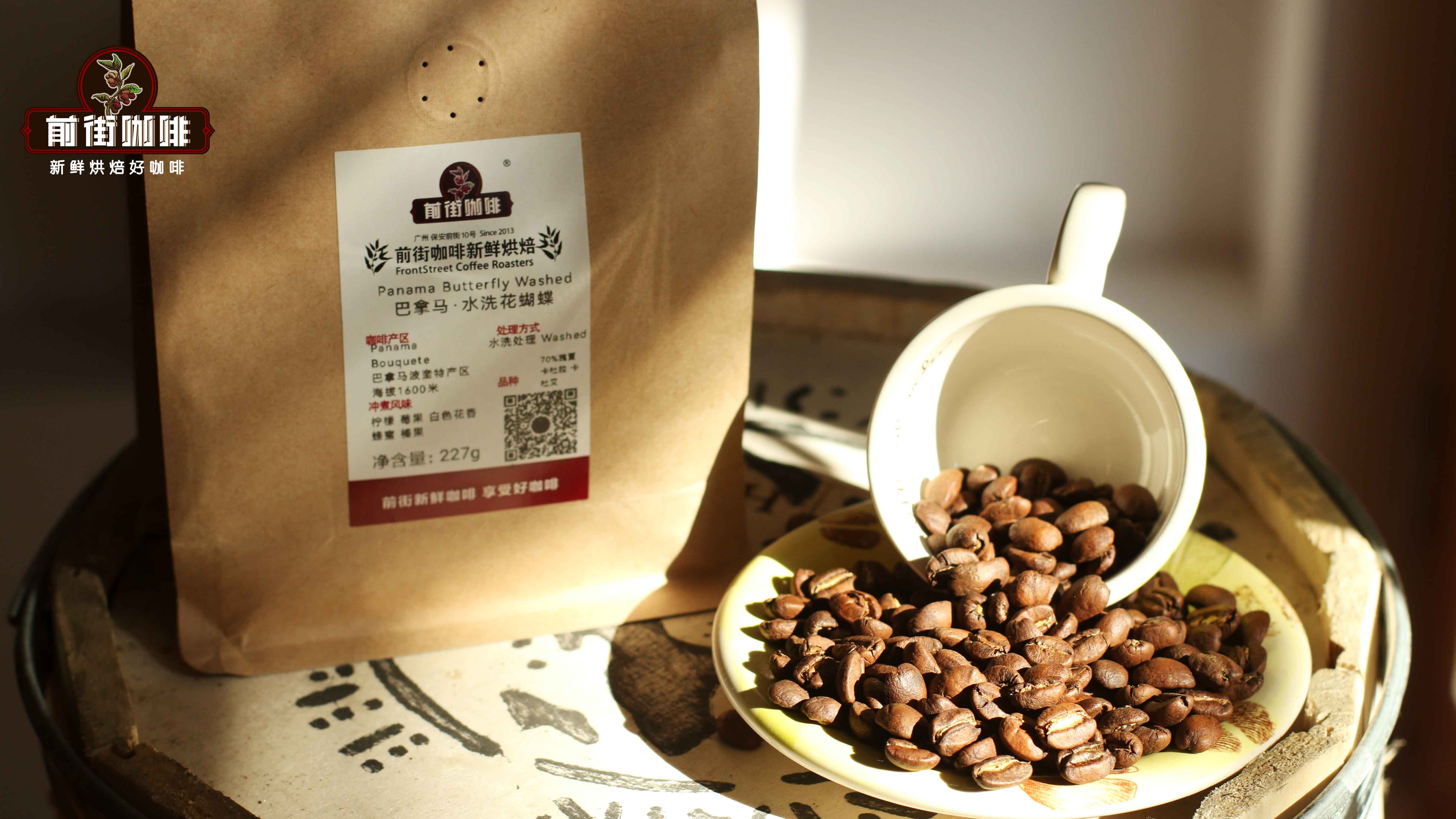
If you want a cup of iced coffee resembling a floral fruit tea, Front Street Panama Butterfly is a choice worth trying. This washed bean contains 70% Geisha heritage, offers outstanding value for money, and when made into cold brew presents clean, bright floral notes with citrus and oolong tea nuances.
For those who prefer a sweet-style cold brew, Front Street Strawberry Candy can be given priority. It is a blend of Costa Rican honey-processed coffee and Panamanian Geisha, and when made into iced coffee it carries aromas of grape, rose, and strawberry gummy, and as the steeping time lengthens, it gradually develops a fermented character similar to fruit wine.
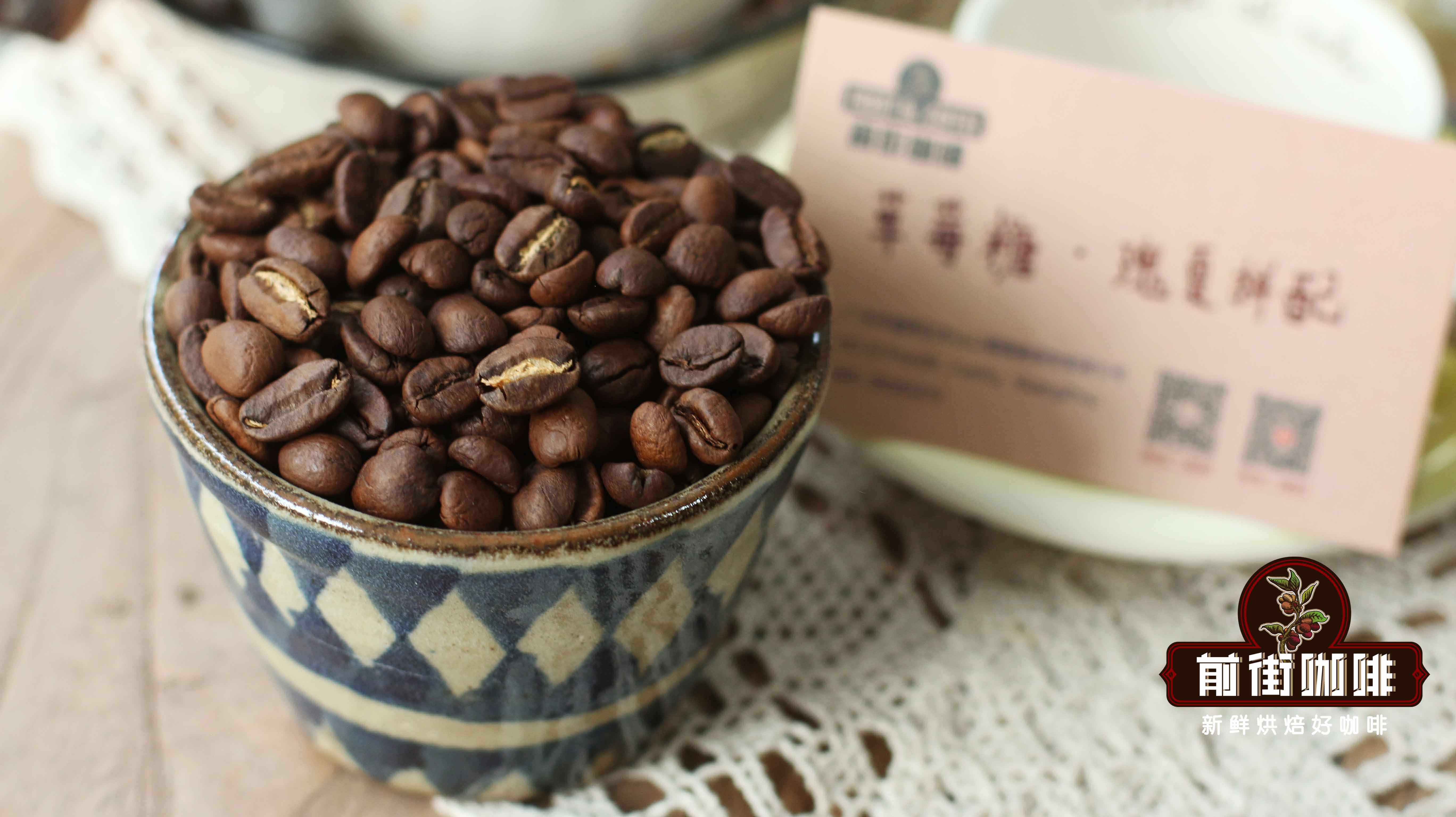
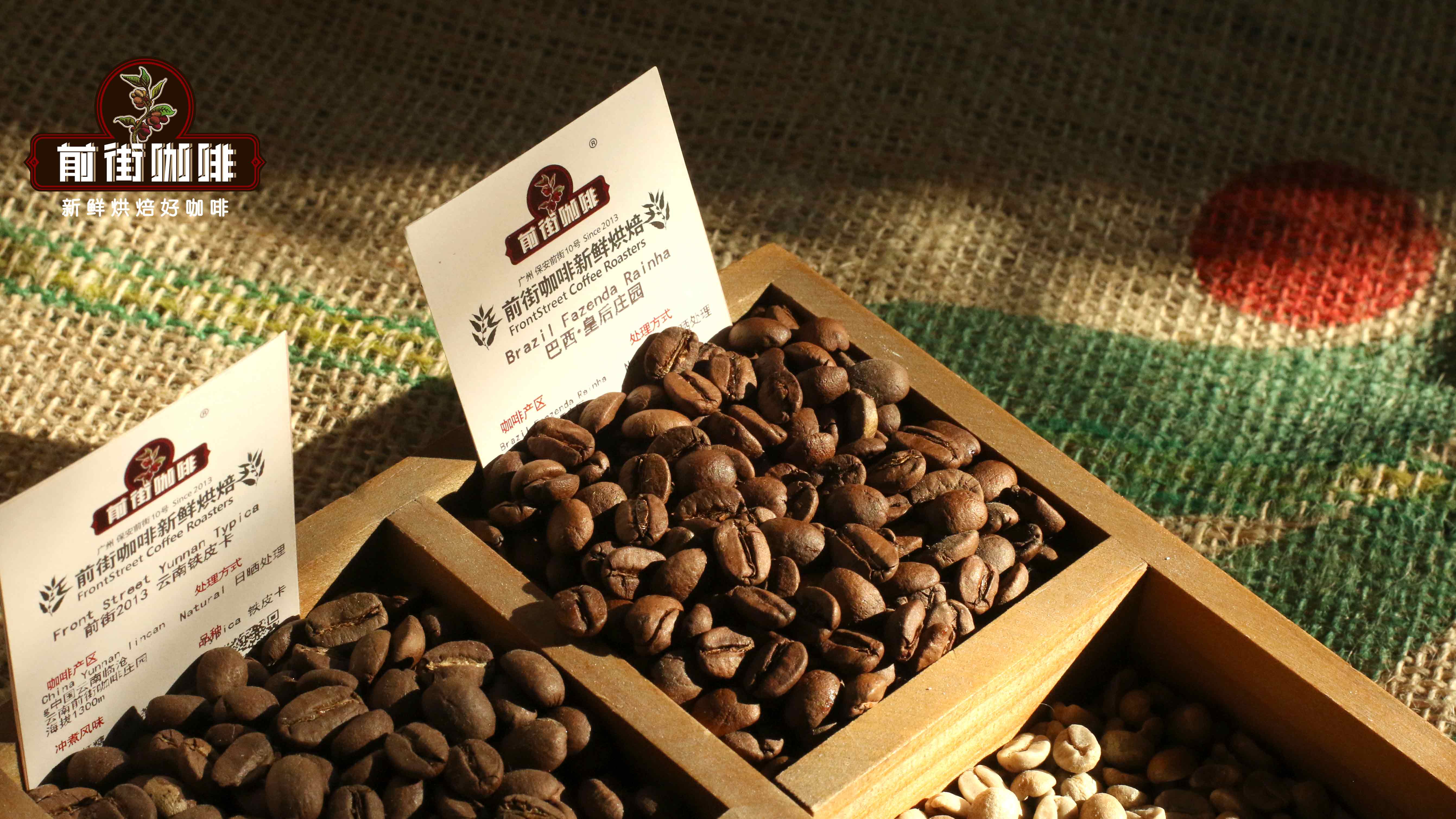
If you plan to add milk to your cold brew, medium-dark roast beans will be the best partner, and the barista strongly recommends Front Street Brazil Queen Estate. The iced coffee extracted from it is round and mellow, with bitterness that is not prominent, accompanied by aromas of nuts, peanuts, and chocolate. It should be noted that dark-roast beans have a higher degree of caramelization, so the steeping time should be appropriately shortened, otherwise the dark-roast flavor will become increasingly heavy.
However, cold brew doesn't have to use room-temperature water—ice water can also be used: mix ice cubes with room-temperature water and then soak the coffee grounds together. So the question arises: compared with the regular version, will cold brew made this way taste better?
Two methods for making cold brew
In this comparison, Front Street made two batches of coffee using room-temperature water and ice water respectively, keeping the other parameters as consistent as possible, and observed the final results by recording them.
First, make the room-temperature water version. Use Front Street Colombia Big Belly Button coffee, weigh 20g and grind to granulated sugar coarseness, with an 80% pass rate through a No. 20 sieve, corresponding to 9.5 on the EK43s and 24 on the C40. This bean is dominated by fruity notes and should not be extracted too strong, so the coffee-to-water ratio is set at 1:12.
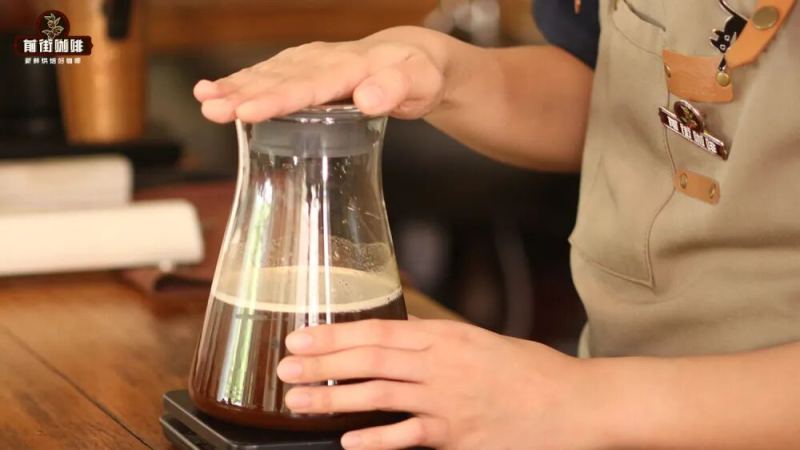
Prepare a clean sealable container, pour in 20g of coffee grounds and 240g of purified water in sequence, stir evenly and seal, then place in the refrigerator to steep for 12 hours, and finally filter out the coffee grounds with filter paper.
The procedure for ice water cold brew is equally simple. First grind 20g of Big Belly Button coffee beans. Because ice water is lower in temperature and extraction efficiency decreases, Front Street slightly fine-tuned the grind size, with an 82% pass rate through a No. 20 sieve, corresponding to 9 on the EK43s and 22 on the C40.
In addition, the ice cubes commonly used by Front Street are larger in volume and melt slowly, so it is necessary to increase the proportion of water and reduce the amount of ice. The final coffee-to-water-to-ice ratio was determined as 1:8:4, that is, 20g of coffee grounds, 160g of purified water, and 80g of ice cubes. After stirring evenly in the same way, steep for 12 hours and filter out the coffee grounds for later use.
Ice water vs room-temperature water: which makes better-tasting cold brew?
Room-temperature water cold brew: darker in color, with berry aromas of blueberry and grape and bright acidity like grapefruit on the palate, moderate fermented character, full body, and a slightly bitter finish;
Ice water cold brew: during steeping the ice cubes did not fully melt, and small ice particles still remained on the filter paper during filtration, yielding less coffee liquid. Unexpectedly for Front Street, this cup of coffee showed rich aromas of grape, pineapple, orange, and cherry on the palate, with a clear and sweet taste, almost no perceptible bitterness, like mixed fruit juice, leaving a deep impression.
Why does cold brew made with ice water taste different?
Temperature plays a key role in extraction, and the first thing it affects is extraction efficiency. The higher the temperature, the faster soluble substances are released; the lower the temperature, the slower the release. Compared with room-temperature cold water at 18–27°C, ice water at 0–10°C is clearly lower, extracting coffee grounds more slowly, which means that under the same parameters, ice water cold brew contains fewer soluble substances.
On the other hand, coffee beans contain hundreds of compounds with different dissolution characteristics; some are released quickly, some slowly, and some flavor substances are extracted only at specific temperatures.
According to extraction principles, taste substances are released in the order of acidity—sweetness—bitterness. Volatile small molecules carrying pleasant floral and fruity aromas dissolve first, followed by caramel-like compounds that provide sweetness. When the water temperature drops to near 0°C, extraction efficiency decreases, and to a certain extent this also inhibits the release of certain larger-particle sweet-bitter substances, thereby giving the coffee a refreshing and juicy mouthfeel.
The above content is compiled by CoffeeHunters, a coffee news website.


