







Search Results for: Bench Maji region
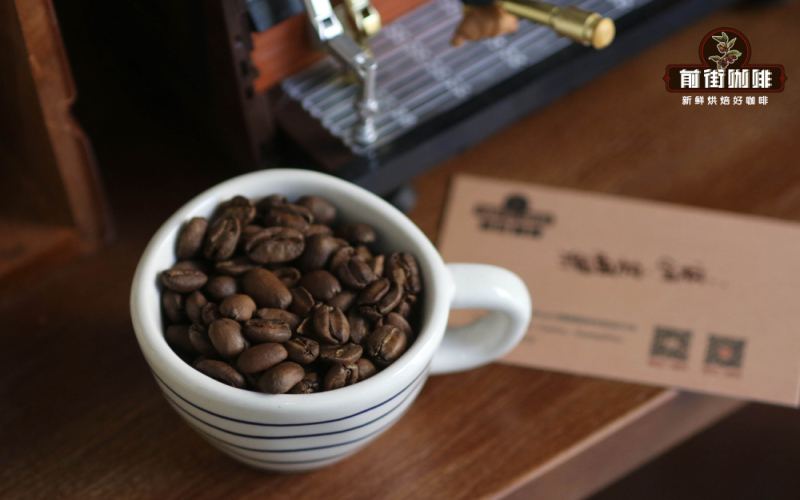
Exploring Ethiopia's Bench Maji Region: A Complete Analysis of Gesha Village's Natural Geisha Coffee
Ethiopia, as the birthplace of coffee, possesses the world's richest coffee gene pool, and the Bench Maji region is precisely the birthplace of the legendary Geisha variety. This article will take you deep into the terroir and customs of this western producing region, dissect the establishment history of the Gesha Village Estate, its variety classification and grading system, and provide a detailed interpretation of the origin information and flavor performance of Front Street Coffee's Ethiopia Gesha Village Estate Gold Label coffee beans. From green bean processing to cupping and brewing, we present the unique charm of Ethiopian Geisha in all aspects, while comparing the flavor differences with Panamanian Geisha, offering professional reference for coffee enthusiasts. [more…]
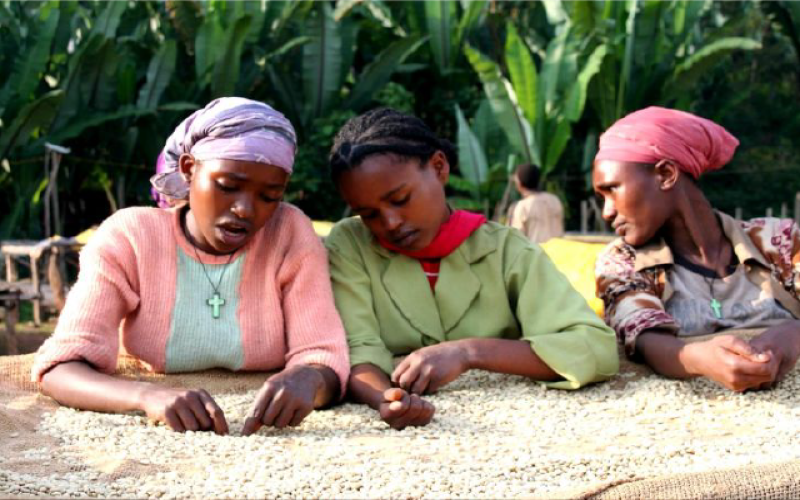
Full Analysis of Ethiopia's Gesha Village Coffee Region: From Bench Maji Forest to Gold Label Geisha Coffee Beans
As the birthplace of coffee, Ethiopia possesses the world's richest coffee genetic resources, and the legendary Geisha variety originated from here. However, most people are only familiar with the glory of Panamanian Geisha and know limited information about Ethiopia's native Gesha Village—where exactly is it located? What varieties does it cultivate? How does its grading system operate? This article will guide readers deep into the Bench Maji production region in western Ethiopia, sorting out Gesha Village's geographical background, variety composition, plot division, and lot grading, along with a brewing demonstration of Gold Label Geisha by Front Street Coffee for coffee enthusiasts' reference. [more…]
Exploring Ethiopia's Bench Maji: Gesha Village Estate Gold Label Geisha Coffee Bean Origin and Flavor Analysis
Ethiopia, as the birthplace of coffee, possesses the world's richest coffee gene pool, and the Bench Maji region on the western border is the original homeland of the renowned Geisha variety. Gesha Village Coffee Estate is rooted here, cultivating the highly sought-after Gold Label Geisha through strict plot management and grading systems. In this article, Front Street Coffee will take you on an in-depth journey into the terroir characteristics of Bench Maji, the history and varieties of Gesha Village Coffee Estate, and an analysis of the flavor profile of Gold Label Geisha, followed by detailed pour-over brewing recommendations for coffee enthusiasts to reference. [more…]

An In-Depth Analysis of Ethiopia's Bench Maji Region: The Origin Story of Gesha Village Estate and Native Geisha
Among Ethiopia's many coffee-producing regions, Yirgacheffe, Sidamo, and Guji Hambela often dominate the conversation, but Bench Maji on the western border is an underrated treasure. Not only does it preserve vast tracts of virgin forest, it is also home to the renowned Gesha Village Coffee Estate and the area where the Geisha variety was first discovered. Front Street Coffee will take you into Bench Maji, sorting through its geography and climate and its forest-based cultivation model, tracing the century-long story of Geisha from the Kafa forest to Panama and then to the founding of Gesha Village, and offering a detailed breakdown of Gesha Village's Gold Label, Red Label, and other grading systems along with brewing recommendations. [more…]
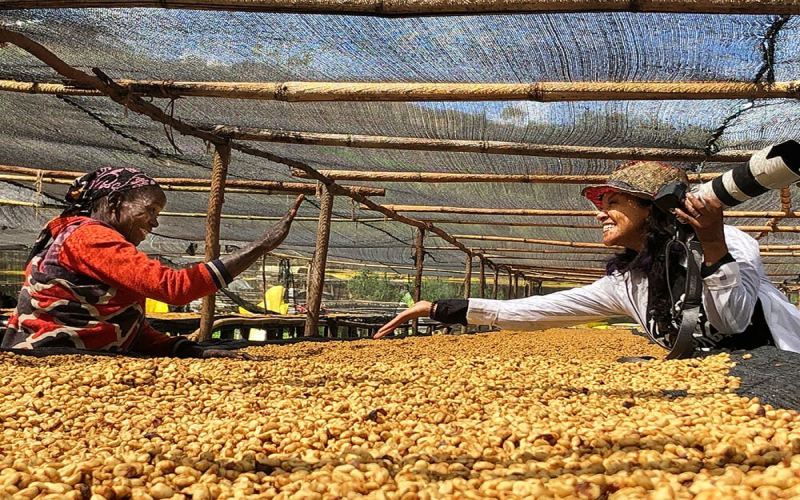
Exploring Ethiopia's Bench Maji: A Complete Origin Analysis of Gesha Village Estate and the Native Geisha Variety
Ethiopia, as the birthplace of coffee, possesses the world's richest coffee gene pool, and the Bench Maji region on the western border is the original homeland of the renowned Geisha variety. This article systematically examines the unique characteristics of this region, from its geographical environment, regional divisions, and cultivation patterns to the varieties and grading systems of Geisha village estates. Front Street Coffee uses this year's new-crop Gold Label Geisha as an example to present the cupping flavors and in-store pour-over parameters, giving you a complete picture of Ethiopian Geisha from forest to cup. [more…]
Ethiopia Bench Maji Region Full Guide: The Birthplace of Geisha, Forest Planting Model, and the Grading System of Gesha Village
In Ethiopia's specialty coffee landscape, Yirgacheffe, Sidamo, and Guji Hambela often take center stage in conversations, but along the country's western border lies a coffee region covered in pristine forest and renowned for its high-quality beans—Bench Maji. It is not only the birthplace of the Geisha variety but also home to the Gesha Village Coffee Estate. This article will cover the geography and climate, cultivation patterns, and the history of Geisha's origins, then move on to the grading system at Gesha Village, followed by Front Street Coffee's detailed introduction to Gold Label and Red Label Geisha along with pour-over recommendations, giving coffee lovers a complete picture of this understated yet highly capable region. [more…]
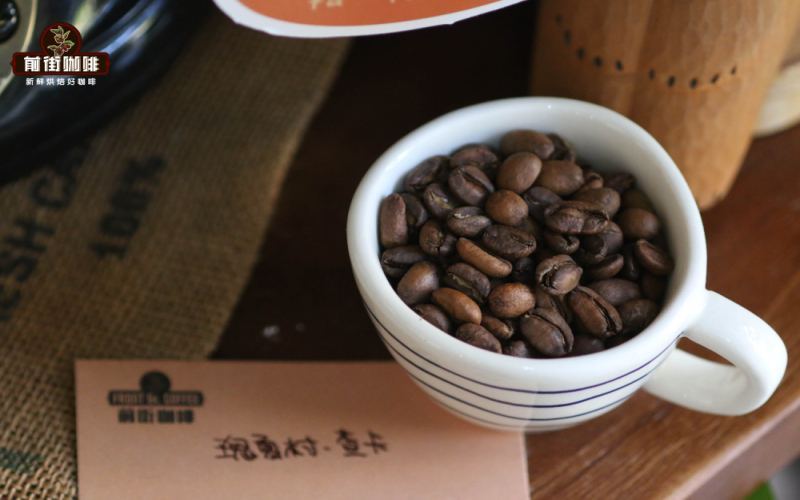
Exploring Ethiopia's Bench Maji Gesha Village: The Origin Story, Grading System, and Red Label Pour-Over Guide for Natural Geisha
Located in the Bench Maji region of Ethiopia, Gesha Village Coffee Estate is a name that has attracted much attention in today's specialty coffee circles. This large estate, covering 471 hectares, was gradually established after documentary director Adam Overton and his photographer wife Rachel Samuel conceived the idea in 2007, and in the process of searching for wild Geisha they discovered the Gori Geisha forest. Gesha Village strictly classifies its coffee beans into Auction, Gold, Red, Green, and Chaka lots to satisfy flavor pursuits at different levels. This time, Front Street Coffee has introduced a natural-process lot from Gesha Village and conducted pour-over parameter testing for the Red Label, hoping to use a medium-light roast and three-stage extraction to present the floral aroma and complex fruit notes of Geisha to the greatest extent. This article will sort out the origin of Gesha Village, its grading logic, and provide specific brewing suggestions for coffee lovers' reference. [more…]
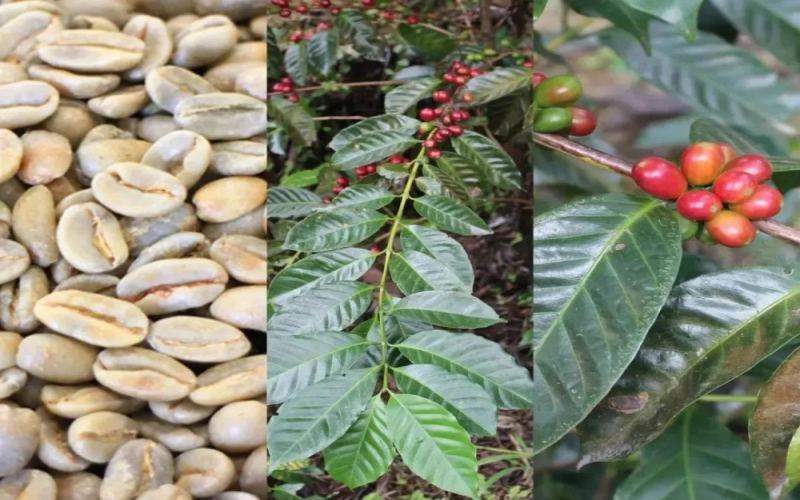
Tracing the Origins of Gesha Village: An Analysis of the Geisha Variety and Flavor Characteristics of Ethiopia's Gesha Village
Geisha is now a star variety in the specialty coffee world, but its roots actually lie deep in the primeval forests of southwestern Ethiopia. This article begins with the history of Geisha's discovery, tracing how it traveled from the Kafa forest through many countries, eventually rose to fame in Panama, and then returns to the journey of Adam Overton and his wife in establishing the Gesha Village Coffee Estate in the Bench Maji region. The article also provides a detailed introduction to the three varieties currently grown at Gesha Village: Geisha 1931, Gori Gesha, and Illubabor 1974, as well as the essential differences in variety between Gesha Village and Panama Geisha. Finally, it presents Front Street Coffee's red-label Geisha brewing flavor description, helping enthusiasts gain a more comprehensive understanding of the origins and development of this legendary producing region. [more…]
Ethiopian Gesha Village Coffee Flavor Analysis: From Variety Traceability to Cupping Performance
When people talk about Geisha, most think of Panama, but rarely mention its birthplace—Ethiopia. This article begins with the history of Geisha's spread, tracing how this variety journeyed from African forests to the world stage, and focuses on Gesha Village Coffee Estate in the Bench Maji region. It covers the estate's founding background, the microclimates and flavor differences of its eight farms, the genetic characteristics of three Geisha varieties, and the estate's strict internal grading system. Brewing parameters from Front Street Coffee are also included, offering a complete reference for coffee enthusiasts who want to deepen their understanding of Ethiopian Geisha. [more…]
Ethiopian Gesha Village Coffee Flavor Analysis: A Complete Overview of Variety Origins, Production Areas and Plots, and the Grading System
When people talk about Geisha, most think first of Panama. However, the roots of this legendary variety lie in Ethiopia. Front Street Coffee takes you through the history of Geisha's spread, from the discovery of the Geisha forest in 1931 to the establishment of the Gesha Village Estate in the Bench Maji region. This article will provide a detailed analysis of the three coffee varieties at Gesha Village—Gori Gesha, Gesha 1931, and Illubabor Forest 1974—and introduce the terroir characteristics and coffee flavors of the estate's eight farms one by one. In addition, Gesha Village's strict grading system of Auction, Gold, Red, Green, and Chaka lots will also be presented, helping coffee enthusiasts gain a comprehensive understanding of the unique charm of Ethiopian Geisha. [more…]
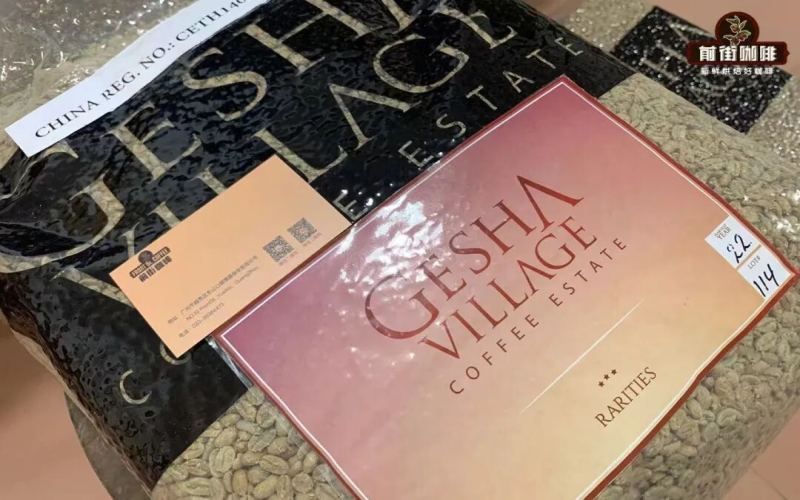
Ethiopian Geisha Coffee | What is the origin of Gesha Village? How does Gesha Village grade Geisha coffee? What are the characteristics of different grades of Geisha?
In the past, when some friends who wanted to taste Geisha coffee came to Front Street Coffee and ordered Geisha, the baristas at Front Street would carefully ask, "Do you mean Ethiopian Geisha or Panamanian Geisha?" Everyone would be confused about the difference between these two Geishas. Nowadays, the name of Panamanian Geisha [more…]
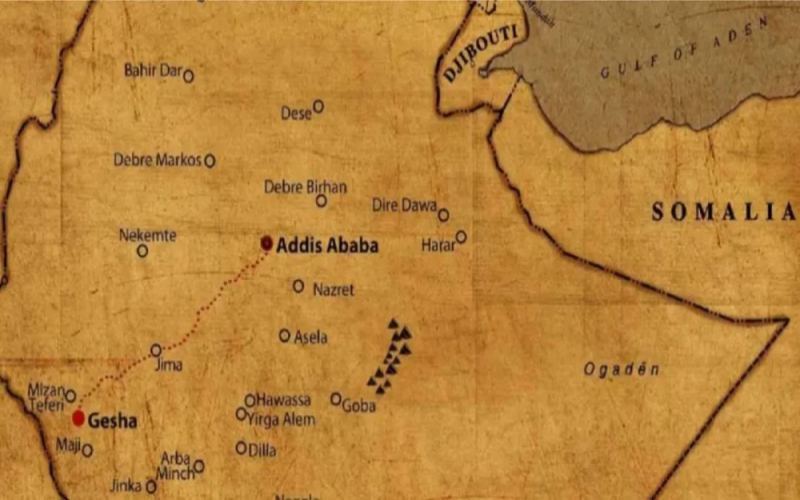
Ethiopia Gesha Village Bench Maji Region: From Forest Heirloom Varieties to Red and Green Label Grading and Flavor Details
Although Geisha coffee became famous in Panama, its roots run deep in the primitive forests of Ethiopia. Documentary director Adam Overton and his wife Rachel Samuel founded the Gesha Village Coffee Estate near the Gori Gesha forest. This is Ethiopia's first coffee origin to adopt estate-style management, and it implements a grading system of Auction, Gold, Red, Green, and Chaka lots. This article traces the spread of Geisha from the Ethiopian forest to Panama, explains in detail the specific meanings of Gesha Village's Red and Green labels, the natural processing method, and the differences between the two varieties Gori Gesha and Geisha 1931, and includes a cupping comparison by Front Street Coffee to give you a systematic understanding of this legendary origin. [more…]
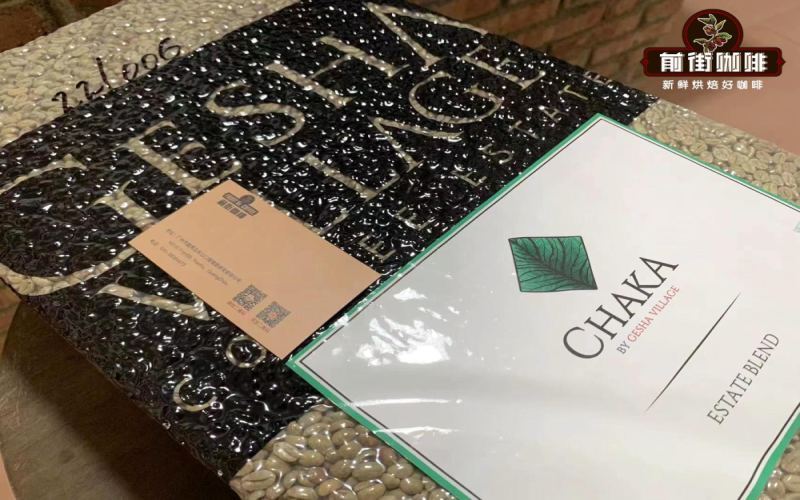
Exploring the Flavor and Story of CHAKA Chaka Natural Geisha from Ethiopia's Gesha Village Estate
Deep in the primordial forests of Bench Maji, Ethiopia, Gesha Village Estate has cultivated CHAKA, a limited-edition project, through an almost obsessive approach to variety selection and cultivation management. It originates from the native varieties of the Gori Gesha forest, sharing the same roots as Panamanian Geisha yet following a completely different flavor path. From Adam and his wife's dream-seeking journey, to Willem Boot's dedicated guidance, and to Front Street Coffee's cupping selection, the CHAKA natural batch is unforgettable for its full berry notes and creamy smooth texture. This article will give you a comprehensive understanding of Gesha Village's varietal lineage, the origins of CHAKA and its processing differences, and share Front Street's recommended brewing parameters and flavor experience. [more…]
Exploring the Ethiopia Gesha Village Estate Chaka Limited Project: Flavor Differences Between Washed and Natural Processing and Pour-Over Recommendations
Located in the Bench Maji region of Ethiopia, Gesha Village Coffee Estate has been renowned for cultivating native Geisha varieties since its founding in 2011. Its limited-edition project brand Chaka grows in the Gori Gesha forest and primarily covers three varieties: Gori Gesha, Gesha 1931, and Illubabor. This article walks you through the origins of Chaka, the connection between Gesha Village and Panama Geisha, and the differences in cup profile between washed and natural processing methods. After comparison, Front Street Coffee chose to offer the natural lot, and shares brewing parameters and flavor descriptions under a medium-light roast, making it a useful reference for Ethiopian coffee enthusiasts. [more…]
Ethiopian Gesha Village Coffee Bean Guide: Full Breakdown of Red Label and Gold Label Grades, Gori Gesha, and Gesha 1931 Varieties
When Gesha is mentioned, most people first think of Panama's Hacienda La Esmeralda, but the variety actually originated in Ethiopia. Gesha Village, Ethiopia's most renowned Gesha-producing origin, is located in the wild forests of Bench Maji, where three main varieties are grown: Gesha 1931, Gori Gesha, and Illubabor. Drawing on the Panamanian model, the estate has established a five-tier classification system—auction lot, gold, red, green, and chaka—with each parcel planted to only one variety, allowing the variety's origin to be traced by parcel. Front Street Coffee brings you two beans from Gesha Village, the Red Label and the Gold Label, which combine the bright acidity and fresh floral aromas of African coffee, with citrus, tea-like notes, and berries running through the flavor profile—an unmissable choice for Gesha lovers. [more…]

Ethiopia Gesha Village Pour-Over Coffee Flavor Analysis: Comparing the Characteristics of Gold Label, Red Label, and Granja Estate Geisha Beans
Ethiopia is the birthplace of the Geisha variety, and Gesha Village is one of the core origins of this legendary variety. For friends who love pour-over coffee, Front Street Gesha Village Gold Label, Red Label, and Front Street Grana Estate Geisha are all options worth paying attention to. Gesha Village is located in the Bench Maji region of southwestern Ethiopia near South Sudan, surrounded by dense jungle, covering nearly 500 hectares, and from within the estate one can gaze out at pristine forest landscapes. This is a typical highland terrain—even the lowest-elevation plots exceed 1,900 meters. In the low-temperature environment, coffee cherries mature slowly, thereby accumulating richer flavor compounds. This article will provide a detailed breakdown of the producing region information, variety characteristics, and flavor profiles of Gesha Village Gold Label, Red Label, and Grana Estate Geisha, helping coffee enthusiasts more clearly understand the characteristics and suitable scenarios of each lot. [more…]
A Comprehensive Analysis of Gesha Village Estate Traceability and Label Grades: Differences Between Auction, Gold, Red, Green Labels, and Chaka Lots
Geisha coffee's popularity in the specialty circle endures, but many enthusiasts easily confuse the products of Panama's Hacienda La Esmeralda with those of Ethiopia's Gesha Village. Starting from historical origins, this article traces how Gesha Village was conceived by documentary director Adam Overton and his wife Rachel Samuel in 2007 during a filming trip, and how, under Willem Boot's guidance, they found native varieties in the Gori Gesha forest of Bench Maji. The article explains in detail the estate's five-tier grading standards—Auction, Gold, Red, Green, and Chaka—along with the microclimates and variety differences of each block, and includes Front Street Coffee's comparison of the roasting and brewing flavors of three beans: Red, Green, and Chaka, helping readers understand the Gesha Village system at a glance. [more…]

Gesha Village Estate Gesha Bean Grading: A Detailed Explanation of Auction, Gold, Red, Green, and Chaka Lots
Ethiopia's Gesha Village is one of the few estates dedicated to growing Gesha on a large scale, and its product line is divided into five grades: Auction, Gold, Red, Green, and Chaka. This article provides a detailed analysis of the flavor characteristics, production proportions, and cupping performance of each grade, and also includes Front Street Coffee's roasting and brewing parameters for each batch of Gesha, helping coffee enthusiasts gain a comprehensive understanding of Gesha Village's grading system and purchasing direction. [more…]
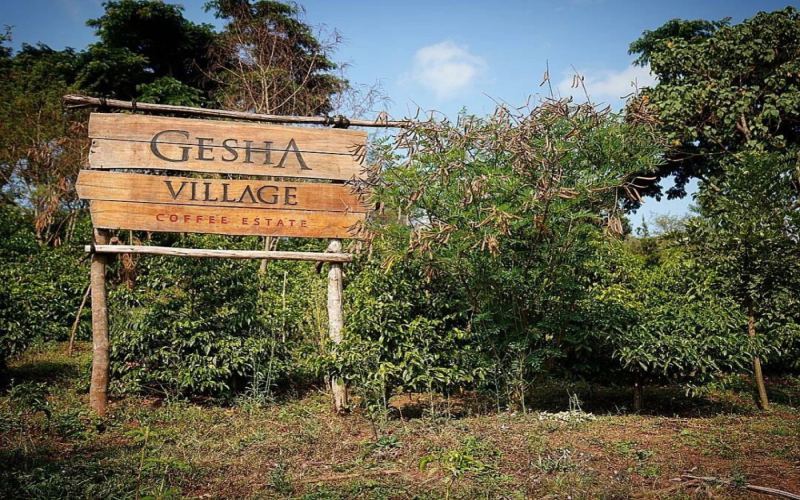
Gesha Village Estate Gold, Red, and Green Label Chaka Grade Comparison: Ethiopian Gesha Coffee Variety and Cupping Flavor Analysis
In the world of specialty coffee, Geisha is undoubtedly one of the most talked-about varieties in recent years. And when it comes to Geisha, one cannot fail to mention Gesha Village Coffee Estate, located in the Bench Maji region of Ethiopia. This estate is not only the original collection site of the Panamanian Geisha variety, but is also renowned for its strict grading system and multi-variety planting system. This article will systematically introduce the variety composition of Gesha Village Coffee Estate—Gori Gesha, Gesha 1931, and Illubabor—and analyze one by one the grading standards, production proportions, and flavor characteristics of the Gold Label, Red Label, Green Label, Chaka, and auction lots. At the same time, Front Street Coffee will combine the specific origin information, altitude data, and processing methods of each lot to share the cupping performance and brewing suggestions for Gold Label, Red Label, and Green Label Geisha, helping coffee lovers gain a comprehensive understanding of this legendary estate's flavor landscape. [more…]
Gesha Village Estate Gesha Bean Grading Explained: Differences Between Auction, Gold, Red, Green, and Chaka Lots
Ethiopia's Gesha Village is the only estate that cultivates Geisha on a large scale exclusively, and its product line, modeled after Hacienda La Esmeralda, is divided into five grades: Auction, Gold, Red, Green, and Chaka. This article will analyze each grade one by one in terms of its definition, share of production, cupping performance, and flavor characteristics, and will also include Front Street Coffee's actual cupping records and brewing parameters for each grade, helping coffee lovers gain a comprehensive understanding of Gesha Village's grading system and how to choose. [more…]