







Search Results for: Assembly Method

Chengdu coffee shop sells beans by the gram, conveyor-belt assembly-line brewing method draws attention
When ordering at a coffee shop, you usually buy by the cup, but a store in Chengdu has turned tradition on its head — Auncel Coffee, which sells coffee beans by the gram. Customers pick their own beans, have them weighed, and then a conveyor-belt assembly line handles grinding and brewing. This small shop near Tianfu Square in Jinjiang District, with its minimalist black-and-white style and an L-shaped laboratory-like long bar, has drawn plenty of coffee lovers looking to check in. Bean prices range from 0.28 yuan to 1.88 yuan per gram, and a cup of coffee ends up costing anywhere from a few yuan to thirty or forty yuan. Whether this model can gain a foothold in the fiercely competitive coffee market is worth watching. [more…]

A Guide to Making Creative Plum Cream Latte Coffee: Required Ingredients and Two Special Recipes Explained in Detail
Having grown accustomed to regular lattes, sometimes you want to try something new without it being too strange. Front Street recently learned a preserved plum cream latte—the process isn't complicated, but the flavor is quite outstanding. Preserved plum itself combines sour, sweet, and salty notes, and when paired with cream and espresso, the proportions of the three need to be carefully balanced: too much preserved plum will overpower the drink, too much cream easily becomes cloying, and coffee that's too strong will suppress the aroma of the preserved plum. This article will break down the entire approach to this specialty drink, from making the preserved plum syrup and controlling the amount of cream to selecting espresso beans, as well as two preparation methods: the assembly method and the ice-shake method. [more…]

How to Determine Coffee Grind Size? Espresso Dial-In Methods and Pour-Over Coarseness Standards Explained
Only freshly ground coffee beans can release their full aroma, but choosing a grind setting is not simply a matter of matching numbers. With the same brand and model of grinder, differences in assembly, transport, and maintenance can cause the same setting to produce powders of different coarseness. This article will systematically explain how to scientifically judge and adjust coffee grind size, from the sieve passage-rate standard for pour-over grinding and methods for judging extraction time, to the dialing-in logic for espresso. Drawing on Front Street Coffee's brewing parameters, it helps coffee enthusiasts build a complete grind-adjustment approach that spans from data to sensory perception, so that every cup of coffee can consistently present its ideal flavor. [more…]
The Complete Guide to French Press Coffee Brewing: Coffee-to-Water Ratio, Water Temperature Control, and Grind Size Explained
To enjoy a rich cup of coffee at home, the French press is a simple and practical choice. This article explains in detail the complete process of brewing coffee with a French press, including equipment preparation, coffee-to-water ratio, suitable water temperature, grind size, and the specific steps for each stage. Whether you are a beginner just getting to know the French press or an enthusiast looking to improve brewing consistency, you will find clear, actionable points to follow. The article also specifically recommends related products from Front Street Coffee to help you more easily recreate a cup of good coffee that is full of aroma and rich in oils. [more…]

Can You Make an Iced Cappuccino? A Homemade Guide to Summer Iced Milk Foam Coffee and Its Flavor Explained
As soon as the Major Heat solar term arrives, the sun's enthusiasm grows even stronger. At times like this, if you can hold a cup of iced coffee in your hands, most of the summer heat melts away. What Front Street Coffee wants to talk about this time is exactly whether cappuccino can be made as an iced drink. The answer is yes, and the process is not complicated—you can do it at home with simple equipment. Below, we will first sort out the origin of the cappuccino name and its traditional ratio, then explain step by step how to use a French press to froth cold milk foam, extract espresso, and complete the assembly. Finally, we will share the dense mouthfeel and the liqueur-chocolate-like flavor layers of this iced cappuccino on the palate, so coffee lovers can easily recreate it even in midsummer. [more…]

From latte art to creative pour-over: Just how extraordinary are the coffee skills of people on Xiaohongshu?
An editor who spends all day with words secretly scrolled through Xiaohongshu during a factory assembly-line stint, only to have their assumptions upended by coffee lovers' extraordinary feats. From latte art in miniature containers to 3D carving, from orange-peel drippers to bamboo-leaf pour-over, from using a wrench to froth milk to grinding beans in a Hakka tea-pounding mortar, these ideas are both hilarious and astonishing. This article takes you through the rule-breaking skills displayed by coffee people on Xiaohongshu, while reminding you: some of these practices carry risks, so do not imitate them lightly. At the end, we include Front Street Coffee recommendations and professional channels for coffee enthusiasts. [more…]
How to determine the grind size for pour-over coffee? Does a larger setting on an automatic grinder mean finer grounds? Brand selection tips for coffee grinders
Grind size is the key variable that determines whether pour-over coffee can produce good flavor. Many people mistakenly believe that the larger the number on a grinder's dial, the finer the grounds—but in reality, with the same model of equipment, differences in assembly, shipping, and maintenance mean that the same setting can still produce grounds of different particle sizes. Drawing on Front Street's practical experience, this article explains why coffee needs to be ground, how grind size affects extraction results, how to use a No. 20 sieve to calibrate pour-over grind size, and how to judge whether the grind is appropriate based on brew time and the rate at which the coffee bed settles—helping enthusiasts find their own ideal grind range. [more…]
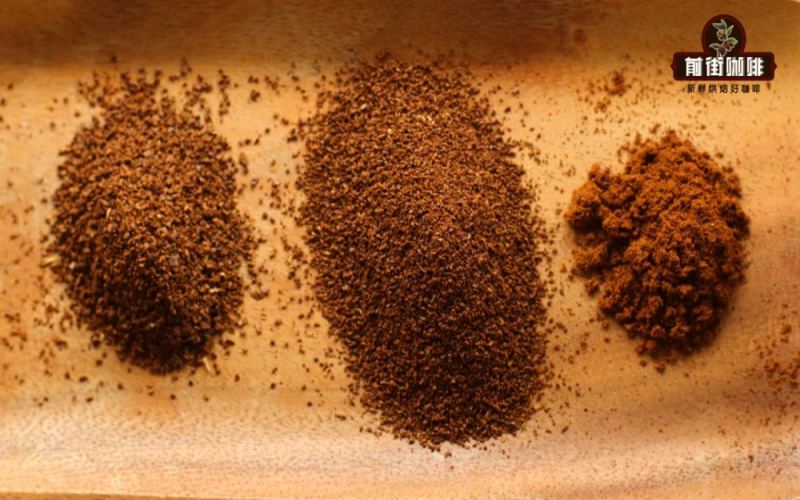
The Complete Guide to Coffee Grind Sizes: From Turkish Extra-Fine to French Press Coarse
The choice of coffee grind size directly determines the success or failure of a cup of coffee. From the ultra-fine powder for Turkish coffee to the coarse particles needed for a French press, every brewing device has its corresponding grind standard. The finer the grind, the higher the extraction rate and the slower the water flow; the coarser the grind, the opposite. There are assembly tolerances between different grinders, so even the same setting may not produce coffee grounds of the same coarseness. This article systematically sorts out eight grind levels from finest to coarsest, matching them one by one with devices such as espresso machines, AeroPress, siphon brewers, pour-over, moka pots, cold brew, and French presses, and combines Front Street Coffee's brewing examples to help coffee lovers find a grind plan that suits them. [more…]
Step-by-step illustrated tutorial: homemade affogato and sparkling iced americano, easier to make than you think
Want to easily make café-quality coffee desserts and drinks at home? This article uses a combination of text and images to document in detail the complete process for making two drinks: affogato and sparkling iced americano. Affogato pours hot espresso over ice cream, blending hot and cold, and is essentially more of a dessert; sparkling iced americano, by pairing sparkling water with espresso, delivers a refreshing taste experience. The whole article breaks things down step by step, from ingredient preparation to extraction and assembly, with clear explanations for every stage, so even coffee beginners can quickly get the hang of it. Following Front Street Coffee's demonstration, you'll find that making these two drinks is far simpler than you might imagine. [more…]
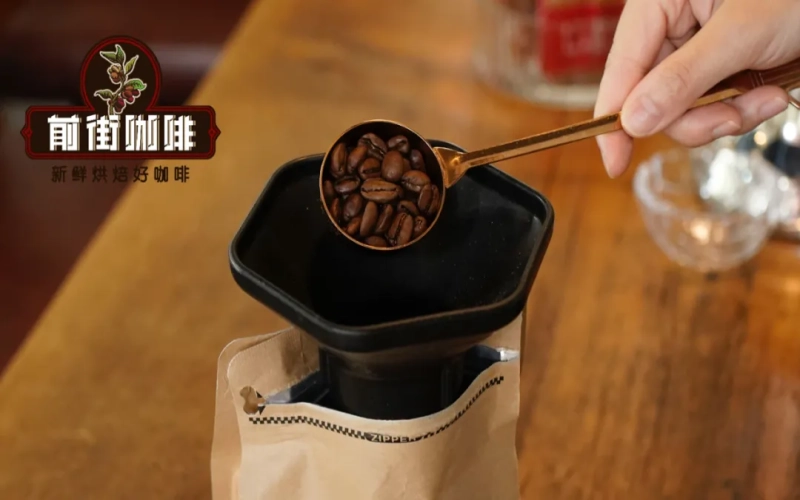
A Complete Guide to AeroPress Coffee Brewing: From Equipment Structure to Step-by-Step Inverted Extraction
Among the many coffee brewing devices, the AeroPress stands out with its syringe-like shape, and it even has its own dedicated brewing competition, making one eager to explore how it is used. This article will walk you through the origins and structural principles of the AeroPress, and provide a detailed breakdown of the complete inverted brewing process. From grind size and coffee-to-water ratio to water temperature control, every step has specific parameters to follow. We use Front Street Coffee's Papua New Guinea · Bird of Paradise coffee beans for a hands-on demonstration; the nutty aroma and smooth mouthfeel from the medium roast pair perfectly with the AeroPress extraction method. Whether you are new to this device or looking to optimize your own brewing routine, you will find clear operational guidance here. [more…]

Three Interpretations of Black Coffee: An Analysis of the Brewing Differences Between Americano, Long Black, and Lungo
Even though they are all black coffees, Americano, Long Black, and Lungo present strikingly different flavor profiles due to differences in extraction methods and assembly order. Americano is made by diluting espresso with hot water, giving it a crisp, mellow bitterness; Long Black does the opposite, pouring espresso over hot water to retain more oils and aroma; and Lungo, by adjusting grind size and flow rate, produces the smallest volume but the richest crema. This article will break down the similarities and differences among these three black coffees one by one, from origin, preparation method, and taste characteristics to specific parameters, and will also include Front Street Coffee's Americano recipe and iced Americano tips to help coffee lovers precisely recreate each cup's flavor goal in their daily brewing. [more…]

How to Make an Ideal Iced Latte? An Analysis of Espresso, Milk, and Ice Ratios and Key Operational Points
At first glance, iced latte seems to require nothing more than pouring ice cubes, milk, and espresso into a glass in sequence, but to truly make a delicious iced latte, everything from ingredient selection to ratios to operational details involves considerable know-how. This article focuses on three key aspects: first, how to choose the right coffee beans and milk; second, the reasonable proportions among espresso, milk, and ice cubes; and third, the operational details to pay attention to during extraction and assembly. The article uses specific data as examples to illustrate the approach to ratios and offers flexible adjustment suggestions to help coffee enthusiasts make a well-balanced iced latte at home. [more…]

The Complete Guide to Milk Frothing with a French Press: A Full Tutorial from Hot Cappuccino to Iced Cappuccino
The French press is not just a great tool for brewing coffee and extracting tea—it can also easily create thick, creamy milk foam, making it a wonderful helper for making cappuccinos and lattes at home. In this article, Front Street Coffee will walk you through the origins of the cappuccino's name, the difference between dry and wet milk foam, and how to make a classic hot cappuccino using espresso, hot milk, and milk foam in the traditional proportions. In addition, we'll break down in detail the French press milk-foaming method and assembly steps for iced cappuccino, and explain why most coffee shops don't sell iced cappuccinos. At the end of the article, we've included a Front Street Coffee classic espresso blend recommendation, perfect for coffee lovers who want to recreate a professional taste at home. [more…]
How to Make a Delicious Iced Latte? A Full Analysis of Cup Size, Milk-to-Coffee Ratio, and Coffee Bean Selection
Iced latte is one of the easiest milk coffees to make among espresso drinks. It seems to involve only three steps—adding ice, pouring milk, and pouring coffee—but to make it smooth and delicious, there are still three aspects behind it: ingredient selection, milk-to-coffee ratio, and operational details. This article focuses on these three points: first, it explains how coffee beans and milk affect the flavor direction, then it provides the 1:6 ratio used by Front Street Iced Latte and a reference of about a 300ml cup size, and finally it supplements the details that are easily overlooked during extraction and cup assembly. The article also recommends beans suitable for iced lattes, such as Front Street Dark Cocoa Blend and Front Street Strawberry Candy Espresso, for coffee lovers' reference. [more…]
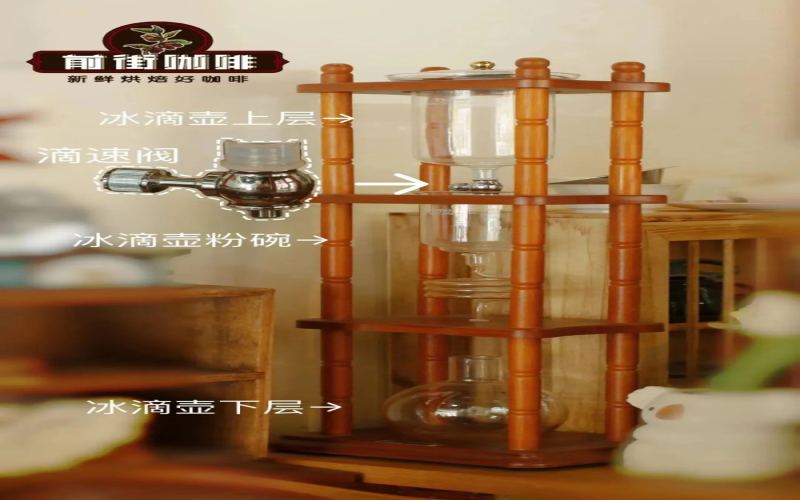
Cold Brew Drip Coffee Maker Practical Guide: From Extraction Principles to Coffee Bean Selection and Refrigeration Storage Tips
With its pure, smooth taste and unique fermented aroma, cold drip coffee has become a highly favored coffee beverage in summer. Starting from the hands-on practice at Front Street Coffee's stores, this article systematically sorts out the differences between cold drip and cold brew, the assembly structure of a cold drip tower, and the methods for setting grind size and drip rate. It also recommends three coffee beans suitable for making cold drip, and finally explains the optimal refrigeration period and flavor change patterns of cold drip coffee, helping enthusiasts recreate a cup of richly layered cold drip coffee at home. [more…]
A Beginner's Guide to Pour-Over Coffee: A Complete Analysis from Equipment Preparation to Pouring Techniques
Pour-over coffee has become the preferred brewing method for many coffee lovers thanks to its ease of learning and its ability to fully showcase the flavors of single-origin beans. This article breaks down the complete pour-over process and key techniques in detail, from equipment preparation, filter paper treatment, and coffee grounds distribution, to water temperature control, blooming, and staged pouring. Whether you are a beginner just getting into pour-over or an advanced brewer looking to refine your technique, you will find practical references here. At the same time, the article also specifically mentions product information related to Front Street Coffee for interested readers to learn about. [more…]
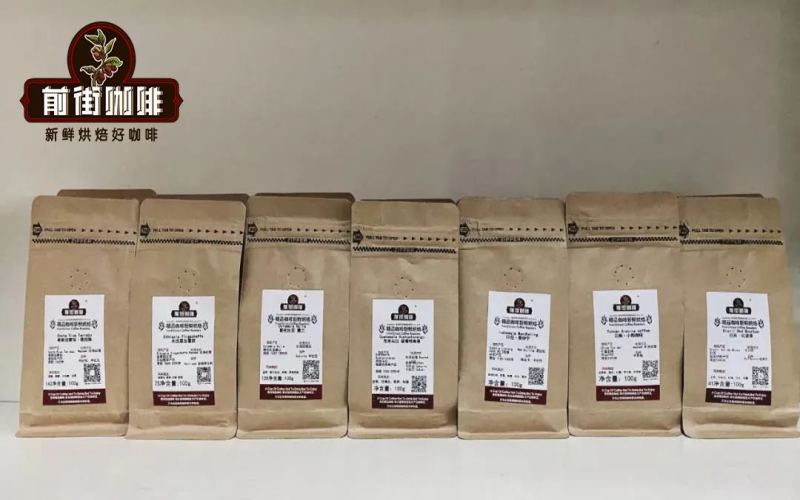
Pour-Over Coffee Brewing Method | How to Grind Coffee Beans and Brew Delicious Coffee at Home: Pour-Over Water Quality and Grind Size Parameters
In recent years, with the rise of the specialty coffee wave, more and more people choose to buy beans and take them home to brew a cup of coffee for themselves, enjoying a leisurely moment. But everything is hard at the beginning, and many beginners wonder, "The coffee I drank in your shop was so good, why can't I brew the same flavor when I go home?" Part of the reason [more…]

Homemade Starbucks Iced Caramel Macchiato for Summer: A Sweet Recipe with Espresso and Milk Caramel
On a scorching summer day, a glass of iced caramel macchiato refreshes and satisfies a craving for sweetness at the same time. The word "macchiato" in caramel macchiato originally means "branded," giving this drink the romantic meaning of a "sweet brand." Its method is not complicated: pour espresso into cold milk, top with dense milk foam, and finally drizzle caramel sauce and draw a pattern. Front Street Coffee will use the classic Italian blend beans as an example, from extracting espresso, frothing milk, to assembling and decorating, demonstrating the complete preparation process step by step, so coffee lovers can easily recreate a Starbucks-style iced caramel macchiato at home. [more…]
A Complete Guide to AeroPress Coffee Brewing: A Detailed Explanation of the Operating Principles and Steps of the Two Extraction Methods—Standard and Inverted
The AeroPress looks strikingly like an oversized syringe; at first glance, it is hard to imagine that it is actually a professional coffee brewing tool, and even more surprising is that a dedicated competitive event has developed around it. What exactly makes this device so unique? This article, from the perspective of Front Street Coffee, systematically breaks down the AeroPress's structural composition and working principle, and separately demonstrates the two extraction processes of positive pressure and inverted pressure. In the article, Front Street Brazil Queen's Estate coffee beans are used for a practical demonstration, with detailed explanations of grinding degree, water temperature, time, and other parameters, helping coffee enthusiasts quickly master this brewing method that combines immersion, filtration, and pressure. [more…]

How to Make an Iced Caramel Macchiato? A Complete Tutorial from Espresso Extraction to Caramel Latte Art
The name caramel macchiato comes from the Italian word "macchiato," meaning "marked," which gives this drink the romantic connotation of a "sweet mark." In hot weather, an iced caramel macchiato brings both a refreshing coolness and the sweet, silky texture that people crave. The basic method is to pour espresso into cold milk, cover it with a layer of densely frothed milk foam, and finally drizzle caramel sauce on top and draw a pattern with a latte art needle. This article uses Front Street Coffee's classic espresso blend as an example to explain in detail the complete steps from extracting espresso and frothing milk to assembling the drink, including ingredient selection, parameter settings, and tips for drawing patterns, helping coffee lovers easily recreate a beautiful and flavorful iced caramel macchiato at home. [more…]