







Search Results for: standards

China's first group standard for "Whole-Leaf Fresh Milk Tea" officially takes effect, further accelerating the health-oriented upgrade of new-style tea drinks.
In recent years, consumers' growing attention to beverage health has driven tea drink brands to continuously iterate toward natural ingredients and clean formulas. Against this backdrop, the group standard "Original Leaf Fresh Milk Tea," proposed by the Guangxi Tea Circulation Association and drafted under the leadership of Chagee (Shanghai) Brand Management Co., Ltd., was approved for release and implementation, becoming China's first group standard for original leaf fresh milk tea in the new-style tea beverage sector. The standard clearly defines the terminology and definitions of original leaf fresh milk tea, and sets specific requirements for raw material selection, production processes, storage conditions, and prohibited additives, marking another important step forward in the standardization of the freshly made tea beverage industry. [more…]
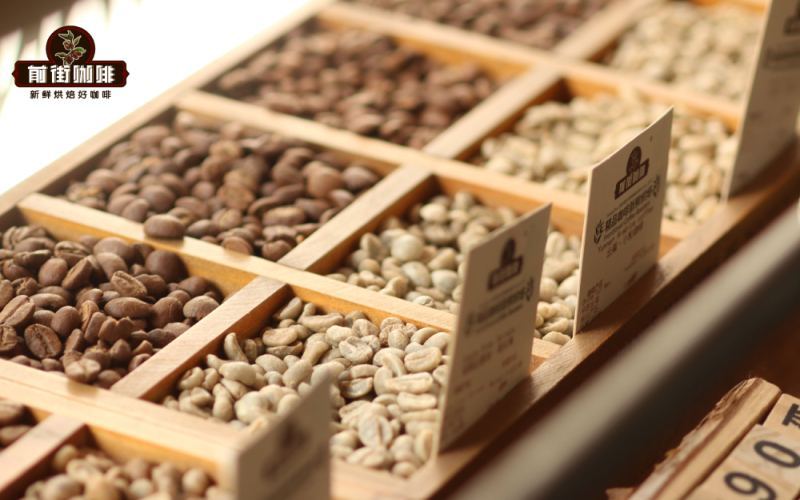
Yunnan Coffee Bean Grading System and Flavor Analysis: From Rating Standards to Front Street Specialty Recommendations
As an agricultural product, coffee inevitably varies in quality, so each producing region establishes a grading system to standardize quality and provide a reference for trading. Yunnan coffee currently follows the "Green Coffee Grade Inspection Standards" released in 2019, but self-assessed standards run rampant in the market, causing grades to become disconnected from flavor. This article will systematically sort out the grading criteria for Yunnan coffee, the commonly used international and domestic standards, the varietal evolution of Arabica coffee, and introduce Front Street Coffee's experimental cultivation and product recommendations in Yunnan, finally attaching practical brewing parameters to give you a comprehensive understanding of the current state and charm of Yunnan specialty coffee. [more…]
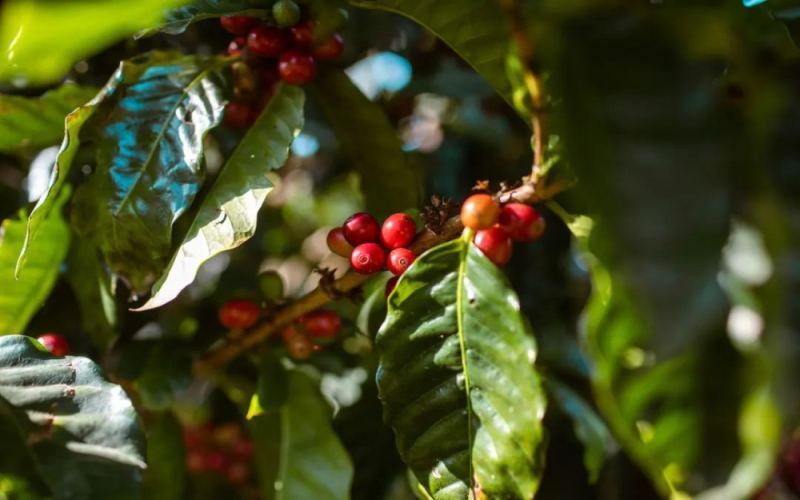
International Fair Trade Organization Upgrades Coffee Certification Standards to Fully Align with EU Deforestation Regulation
The international Fairtrade organization recently published revised coffee certification standards, aiming to meet or even exceed the various requirements of the EU Deforestation Regulation (EUDR). The new rules will cover all Fairtrade-certified coffee, not limited to products exported to the EU, and strengthen monitoring and reporting obligations for producer organizations and traders. The standard is expected to take effect in 2026, involving approximately 600 cooperatives, 870,000 coffee farmers, and 1.1 million hectares of cultivated land. To implement deforestation monitoring, Fairtrade has commissioned the Dutch company Satelligence to provide satellite data services. Meanwhile, the EUDR will take effect for large European companies between the end of 2024 and early 2025, and the coffee industry is actively adjusting to comply with this regulation. [more…]
A Comprehensive Guide to Global Organic Tea Certification Systems: Differences Among EU, US, Japan and Other Standards, and Buying Tips
The core difference between organic tea and conventional tea lies in whether it has been certified by an authoritative body. EU organic regulations prohibit genetic modification and synthetic inputs, and require animals to be raised in ways that suit their species characteristics, and are regarded as the strictest threshold in the tea industry. Certifications such as Switzerland's IMO, France's Ecocert, the US USDA, Japan's JAS, India's, Canada's, China's, Australia's, and Germany's Naturland each have different emphases, with significant differences in scope of application and difficulty of obtaining them. Rainforest Alliance, UTZ, FDA, and HACCP provide supplementary assurances from the perspectives of sustainable agriculture and food safety. This article systematically sorts out the rules, authority, and market applicability of major certifications, helping coffee and tea lovers accurately identify the true meaning behind labels when making purchases. [more…]
Starbucks Ends Fair Trade Certification Partnership, Marking a Major Shift in Coffee Ethical Sourcing Standards
Starbucks has announced it will not renew its contract with Fairtrade, meaning coffee sold in its global stores will no longer carry the Fairtrade certification label. This decision has raised questions about its commitment to ethical sourcing. Starbucks says it will instead rely on the C.A.F.E. Practices standard, developed jointly with Conservation International and independently audited by the third-party organization SCS Global Services. However, many groups worry that without Fairtrade's independent oversight, the C.A.F.E. standard may not truly safeguard coffee farmers' rights on core issues such as minimum purchase prices and sourcing from smallholder cooperatives. This article reviews the history of Starbucks' partnership with Fairtrade, the origins and controversies of C.A.F.E. Practices, and Starbucks' past reversals on its ethical sourcing stance, offering coffee lovers a full picture of this event. [more…]

A Complete Guide to the Golden Cup Standard for Pour-Over Coffee: The Golden Ranges for Extraction Yield and Strength, Plus Practical References
You often hear the "Golden Cup Standard" mentioned in coffee circles—what exactly does it mean? Simply put, it's an extraction reference range derived by Dr. Lockhart in the last century through extensive sampling surveys—when coffee's extraction yield and concentration fall within a specific range, most people find it tastes good. After subsequent research revisions, the optimal extraction yield was ultimately determined to be 18%~22%, and concentration 1.15%~1.35%. However, Front Street would like to remind everyone that the Golden Cup Standard is only a reference benchmark for beginners, not the sole criterion for whether coffee tastes good. This article will break down in detail the origins of the Golden Cup Standard, the meaning of extraction yield and concentration, and why coffee outside this range isn't necessarily bad—helping you understand the extraction logic of pour-over coffee more flexibly. [more…]
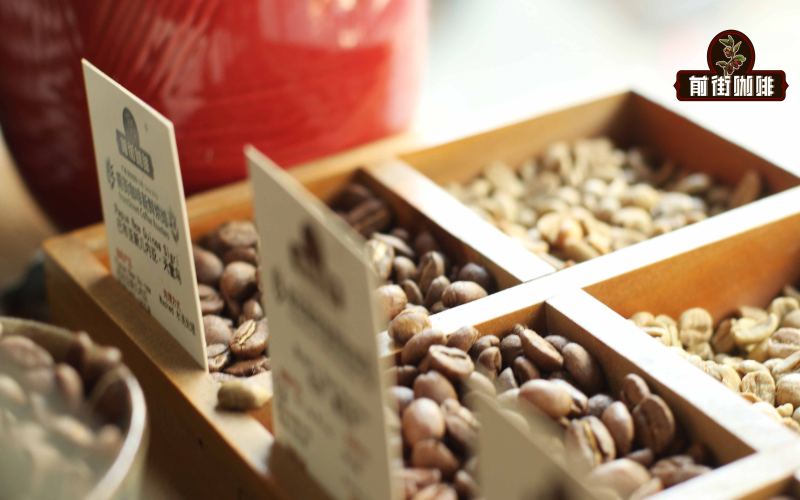
A Complete Guide to Green Coffee Bean Grades: Detailed Explanation of Grading Standards and Differences Across Countries, Including AA, G1, SHB, PB, and More
When buying coffee beans, have you ever been baffled by combinations of letters like AA, G1, SHB, and PB? They may seem to follow no pattern at all, but in fact each one represents the green bean grading standard of a different producing country. Why do coffee beans need to be graded? Why is there no unified global standard? This article will take you through the origins of green coffee bean grading, and how producing regions such as Ethiopia, Kenya, the Central American countries, Jamaica, and Brazil classify their beans based on defect rate, bean size, growing altitude, and cup quality. At the same time, we will also explore what these grades actually mean in the roasted coffee market, and recommend several Front Street Coffee beans corresponding to these grades, to help you better understand the cup of coffee in your hands. [more…]

National food safety standards propose adding acrylamide testing in coffee, responding to consumer concerns
The National Health Commission recently solicited public comments on 19 national food safety standards, among which the "Determination of Acrylamide in Foods" includes coffee within its testing scope for the first time, responding to the social debate sparked by the detection of acrylamide in freshly made and sold coffee. At the end of 2023, a report by the Fujian Provincial Consumer Council brought acrylamide in coffee into the spotlight; experts pointed out that this substance is a byproduct of high-temperature processing rather than an artificial additive, and that its content in coffee is extremely low, so there is no need for excessive concern about daily consumption. This revision of the national standard aims to improve the testing system, drive process improvements in the industry, and safeguard consumer rights. [more…]
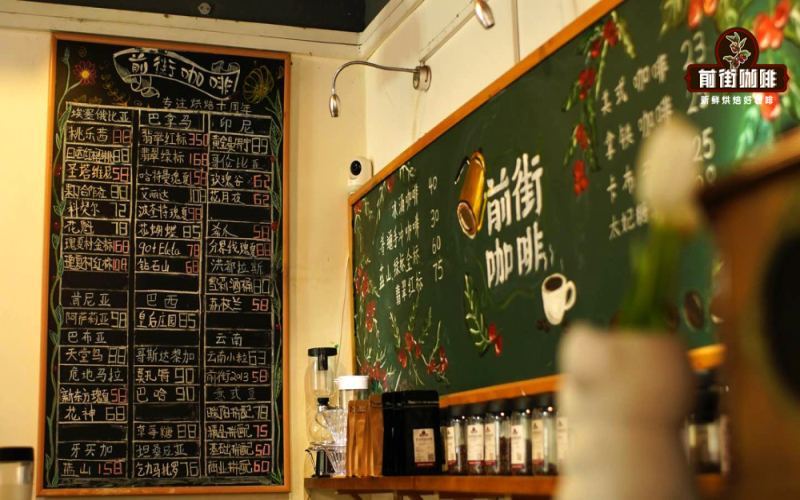
A Complete Guide to Coffee Bean Grading Standards: Meanings and Characteristics of Grades Such as G1, AA, AB, and SHB from Various Origins
When purchasing single-origin coffee beans, labels such as G1, AA, and SHB often appear on the packaging. What exactly do these letters and numbers represent? They are actually coffee bean grade symbols established by each origin based on its own conditions. Due to differences in growing environments and varieties, the grading criteria of different countries vary—some look at the number of defective beans, some at green bean size, and others at hardness or altitude. In this article, Front Street Coffee will sort out the grading standards of major producing regions such as Ethiopia, Kenya, Indonesia, Central and South America, and Brazil, helping coffee lovers understand the meaning behind these grades so they can more accurately select high-quality coffee beans that suit their own taste. [more…]

Luckin Coffee halts the viral "all-ice, no-water, domed-lid swap" ordering hack: a clash between standardized management and personalized demands
Recently, Luckin Coffee halted the viral social media ordering hack known as "all ice, no water, swap to dome lid," sparking heated discussion among consumers. This drinking method, which replaces still water with ice cubes and swaps the flat lid for a dome lid, makes the beverage richer in flavor and more photogenic, and was once imitated by many netizens. However, because this operation falls outside standardized procedures and causes confusion in store inventory between flat lids and dome lids, the company has issued a notice prohibiting stores from continuing to make it. Some consumers believe the brand should adapt its products to meet demand, while others understand the necessity for chain brands to maintain standardized operations. This debate over the balance between personalized customization and store management is worth the attention of coffee enthusiasts. [more…]
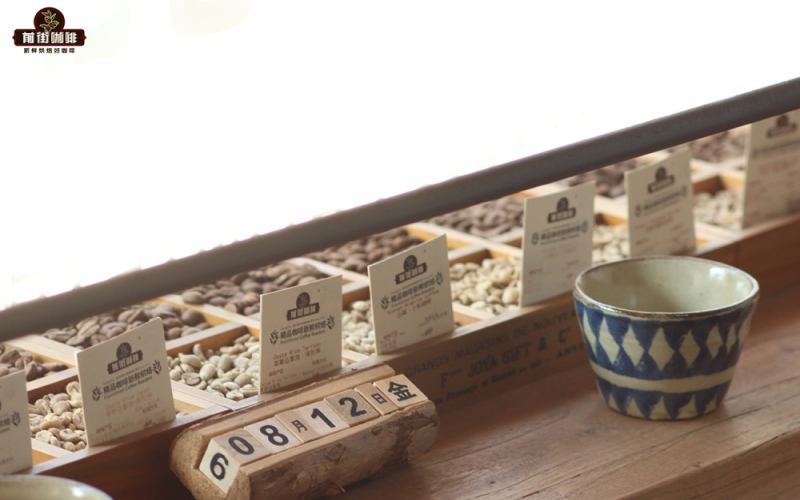
What grind size is standard for cupping? An analysis of how to determine the grind size and water temperature for pour-over black coffee
When you get an unfamiliar single-origin coffee bean, how do you accurately judge its flavor performance? Cupping is the industry-standard method. Front Street Coffee conducts cupping on every coffee bean it acquires, whether or not it goes on the shelves. This article uses the SCA cupping system as its benchmark and provides a detailed introduction to the equipment and parameters required for cupping, including sample bean processing, grind size calibration, coffee-to-water ratio, water quality and temperature requirements, as well as the operating procedures for dry aroma, wet aroma, breaking the crust, and skimming. After cupping is completed, the pour-over grind size and brewing water temperature must also be determined according to the roast level. Light-roast and medium-roast coffee beans each have different standards for sieve pass-through rate and water temperature selection. [more…]
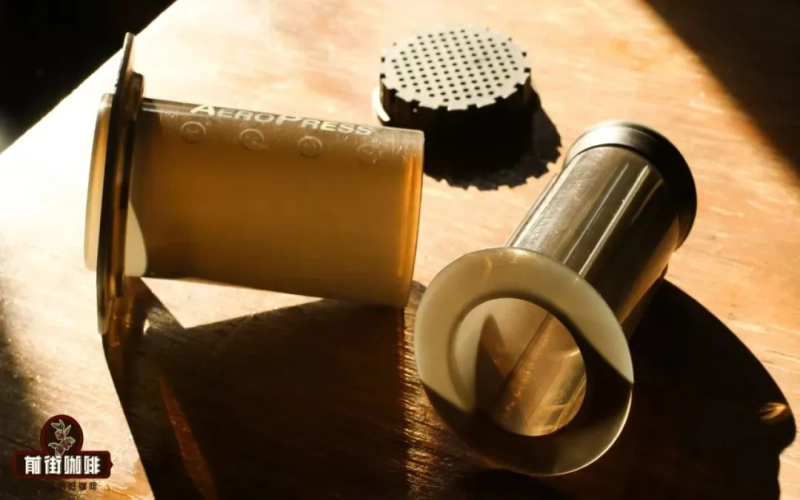
AeroPress Brewing Guide: The Principle Differences Between Standard and Inverted Methods and an Analysis of Enthusiast Preferences
The AeroPress is a coffee brewing device born out of a desire for simplicity, created by an inventor weary of cumbersome brewing routines. By combining immersion, stirring, and pressing, it allows users to obtain a rich, flavorful single-origin coffee in a very short操作 time. The AeroPress is highly versatile: it can be used with the officially recommended upright (standard) method, or with the inverted method by flipping the chamber, and by adjusting grind size, water temperature, coffee-to-water ratio, and stirring time, a wide variety of brewing recipes can be developed. Interestingly, although the official recommendation is the upright method, most enthusiasts prefer the inverted method. Front Street Coffee will explain in this article what upright and inverted mean, and discuss why the inverted method is more popular. [more…]
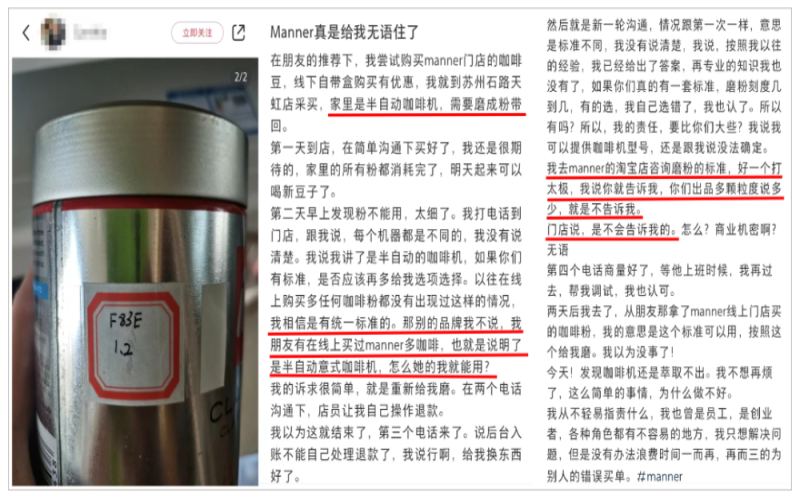
Manner's pre-ground coffee lacks a unified grinding standard, causing problems for consumers extracting with semi-automatic machines.
Recently, a complaint about Manner's coffee grinding service sparked heated discussion on social media. A customer reported that after buying coffee beans at a store and asking the staff to grind them, they found that their semi-automatic espresso machine at home could not extract espresso properly, and suspected the grind was too fine. When the customer asked whether Manner had a unified grinding standard for its grinding service, neither the online customer service nor the store staff could give a clear answer. This incident brings up an oft-repeated topic in the coffee community: is there really such a thing as a standard grind size for coffee powder used in semi-automatic espresso machines? Multiple industry practitioners and seasoned enthusiasts have offered their views, and the boundaries of chain brands' grinding services have once again drawn attention. [more…]
What makes the AeroPress coffee maker unique? A comprehensive analysis of grind size and the standard and inverted brewing methods
The AeroPress, as a flexible and versatile coffee brewing tool, offers coffee enthusiasts a wealth of extraction possibilities. Whether following the officially recommended standard method or choosing the inverted method favored by enthusiasts, countless flavor combinations can be explored by adjusting variables such as grind size, water temperature, coffee-to-water ratio, stirring time, and pressing force. Because of this versatility, official AeroPress competitions are held every year for enthusiasts to test their skills. This article, from the perspective of Front Street, will analyze why inverted extraction is more sought after, while also detailing the definitions, grinding requirements, and complete operating procedures for both the standard and inverted methods. [more…]
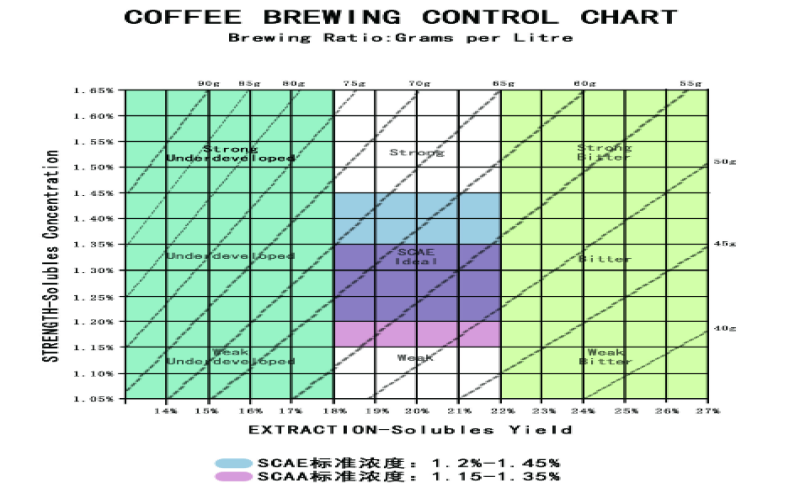
Gold Cup Extraction Standard Explained: Concentration and Extraction Yield Calculation Methods and SCAA Standard Ranges
In coffee brewing, how to balance flavor and avoid under-extraction or over-extraction is a concern for every coffee enthusiast. The Golden Cup standard provides a widely recognized reference framework, covering the ideal ranges for extraction yield and concentration. This article will systematically review the origins of the Golden Cup standard and the specific values set by coffee associations in various countries, explain in detail the formulas for calculating concentration and extraction yield, and, using the example of Front Street Coffee's Ethiopia Florque 4.0 pour-over, demonstrate how to measure and calculate extraction yield with an ExtractMoJo refractometer, helping you find the flavor balance point that suits you in your daily brewing. [more…]
Standard Parameters and Dose Control for Espresso: From 7-8g to 8.5g Dosing Up Leveling Test
How exactly should a standard Espresso be defined? 7 to 8 grams of fresh coffee grounds, extracted at 90 to 95 degrees Celsius with 8 to 9 atmospheres of pressure over 20 to 25 seconds, yielding a 1-ounce shot of coffee liquid containing Crema, Body, and Heart—this is the textbook benchmark. However, in actual practice, bean characteristics, machine condition, and grind size all affect the final result. This article centers on the golden parameters of espresso and further explores common bar techniques for dosing and leveling, including hand-knife, finger-knife, and Dosing Up methods, using measured data to explain why Dosing Up reliably achieves the standard 8.5-gram dose. If you are looking for reliable espresso beans, Front Street Coffee's various blends and SOEs are all worth trying, and this article will also offer practical suggestions based on Front Street products. [more…]
An Analysis of Global Green Coffee Bean Grading Systems: A Comparison of Ethiopian and Kenyan Evaluation Standards
Coffee enthusiasts often ask Front Street: why are coffee bean grade labels so varied—some are marked AA, some G1, and others SHB? These letters seem to have no connection to one another, so how exactly can one judge which grade is superior? In fact, coffee bean grading systems are not uniform across producing regions worldwide, and the criteria they are based on also emphasize different things. This means that it is very difficult to make cross-country horizontal comparisons based on green bean grade alone. This article will systematically sort out the basic logic of coffee bean grading in various countries, and focus on introducing the grading standards of two major African producing regions, Ethiopia and Kenya, to help readers understand the meaning behind these letters and how green bean buyers refer to this grade information when purchasing. [more…]

How to Get the Grind Size Right for Pour-Over Coffee? Front Street Coffee Baristas Share Extraction Standards and Brewing Techniques
When brewing pour-over coffee, grind size is often the key variable that determines the direction of flavor. Front Street Coffee frequently receives inquiries about how fine a grind should be used for a particular bean, but in reality, beans from different origins, varieties, processing methods, and roast levels each have their own suitable grind standards. Based on the practical experience of Front Street Coffee stores, this article explains the mechanism by which grind size affects extraction time and extraction yield, introduces the reference values for the passing rate of the No. 20 standard sieve, and explains the differential handling of medium-light roast and dark roast beans. At the same time, the article also discusses the concept of golden cup extraction and its true purpose, and finally uses Colombia Rose Valley as an example to provide complete brewing parameters and staged extraction techniques, helping enthusiasts brew good coffee that suits their own taste. [more…]
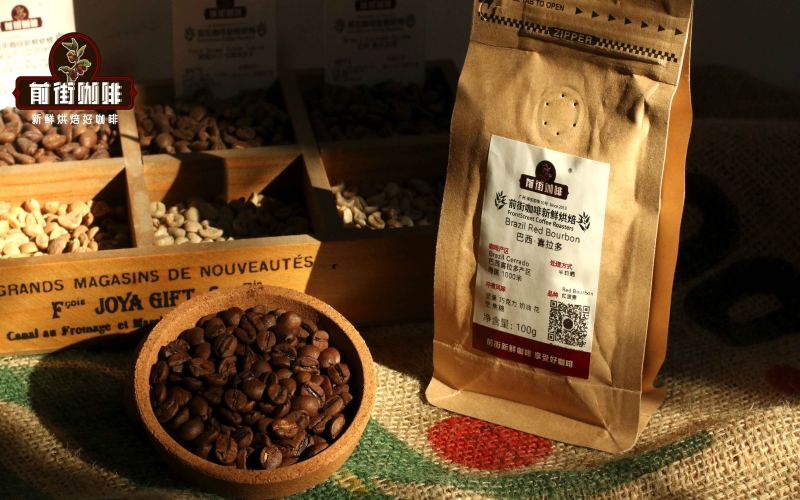
How Are Coffee Bean Roast Levels Classified? A Complete Analysis of National Standards, Flavor Assessment, and Brewing Parameters
Common labels on coffee bean packaging such as light roast, medium roast, and cinnamon roast often confuse beginners. The roast level directly determines the direction of coffee flavor, and historically different countries and regions have had their own schools of thought for defining roast levels, lacking a unified standard. The Specialty Coffee Association of America, together with Agtron, used infrared caramelization measurement values as the basis to divide roast levels from light to dark into eight grades, which has become an important industry reference. In this article, Front Street will systematically introduce the Agtron color values, drop times, and flavor characteristics of each roast level, and share how to judge the roast level through flavor descriptions, as well as the grinding degree and water temperature parameters that should be used for different roast levels. [more…]

McDonald's McCafé operating procedures under scrutiny: grounds not weighed, portafilter baskets not cleaned, quality control standards spark debate
Since McDonald's coffee brand McCafé announced increased investment in the Chinese market, its number of stores has surpassed 3,200. Its "store-within-a-store" model is equipped with semi-automatic espresso machines and dedicated baristas, focusing on a specialty coffee approach. However, recently a netizen posted pointing out that baristas at some McCafé locations operate in a highly non-standard manner: dosing the portafilter in advance, not weighing the dose, not tamping, not cleaning the steam wand, and repeatedly extracting with wet spent grounds left in the basket. Although the prices are not low, the quality of the output has raised consumer doubts. At the same time, some netizens claiming to be McCafé baristas responded that the brand has unified standards, and isolated incidents should not represent the whole. This controversy reflects the quality control and training challenges McCafé faces amid rapid expansion, and is worth the attention of coffee enthusiasts. [more…]