







In recent years, with the rise of the specialty coffee wave, more and more people choose to buy beans and take them home to brew a cup of coffee for themselves, enjoying a leisurely time. But everything is hard at the beginning, and many beginners wonder, "The coffee I drank at your shop was so good, why can't I brew the same taste when I go home?" There are many reasons for this, and Front Street Coffee will explain it all clearly in this article.
Consistency of Coffee Beans
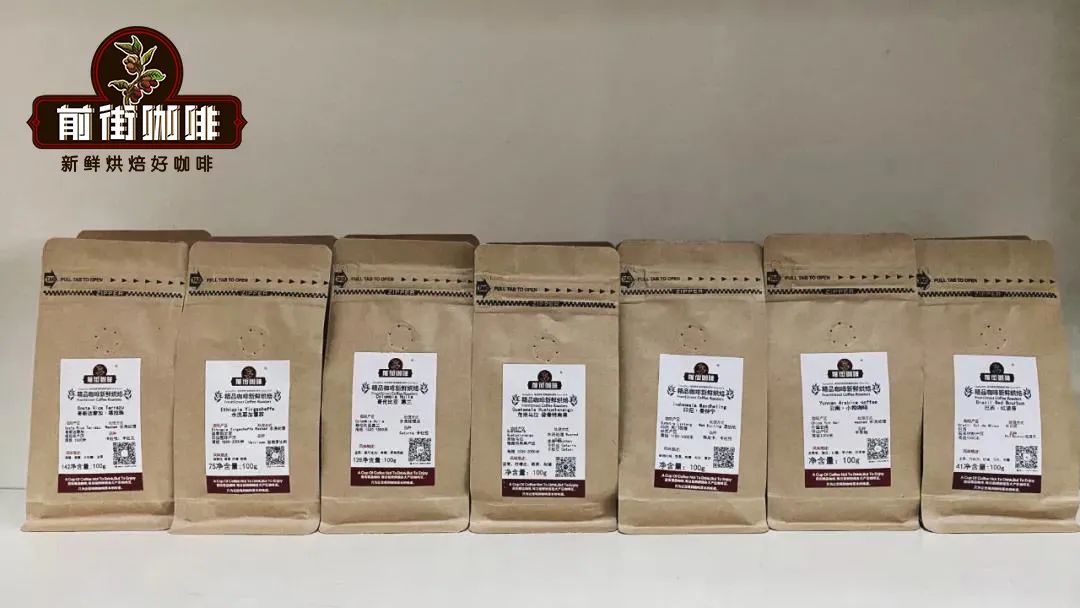
First, let's make sure that the coffee you drank in the shop and the coffee beans you bought are from the same shop and the same batch of coffee beans. Coffee beans are an agricultural product, not an industrial assembly-line product, and their flavor can differ slightly from year to year or batch to batch. Some stable large production regions can consistently ensure uniformity in the quality of each batch of coffee over the long term, while some emerging farms or small production regions cannot maintain stable coffee flavor, so it is possible that the previous batch had a good flavor while the next batch is slightly inferior.
Certainty of Brewing Parameters
Usually, after tasting in the shop and purchasing coffee beans, Front Street Coffee will share the brewing parameters for that bean. Among the many parameters, the coffee-to-water ratio, water temperature, coffee dose, and brewing technique are relatively easy to understand and synchronize. However, the following parameters deserve special attention.
1.Water Quality
The essence of extracting coffee is that water dissolves the flavor substances in the coffee, so water is the most important factor.
PHValue——Water that is more alkaline will reduce acidity, and excessively highPHvalue will give the coffee an alkaline taste; conversely, water that is more acidic will increase acidity, and excessively lowPHvalue will make the coffee taste sharp and irritating.
TDS——If PPM is too high (above 225), the coffee will be underextracted and the flavor cannot be released; if TDS is too low (below 75 ppm), it is easy to overextract, resulting in bitterness. The optimal TDS value should be between 125 and 175 ppm (SCAA standard).
The water sources used by different coffee shops are not the same, so their TDS will naturally not be the same either. Therefore, when home brewing leaves you pondering, you can pay attention to this parameter, and you can also ask your favorite coffee shop what water source they use.
2.Grind Size
This is an important cause of many problems in coffee brewing. The shop may give a grind size and a reference object, but every grinder is different, and we also need to pay attention to whether our grinder grinds evenly, how many fines there are, the particle state, and so on. Even with the same model of grinder, the state of the ground coffee is different (the length of use will cause deviations in grinding), let alone that you and the merchant are not using the same machine.
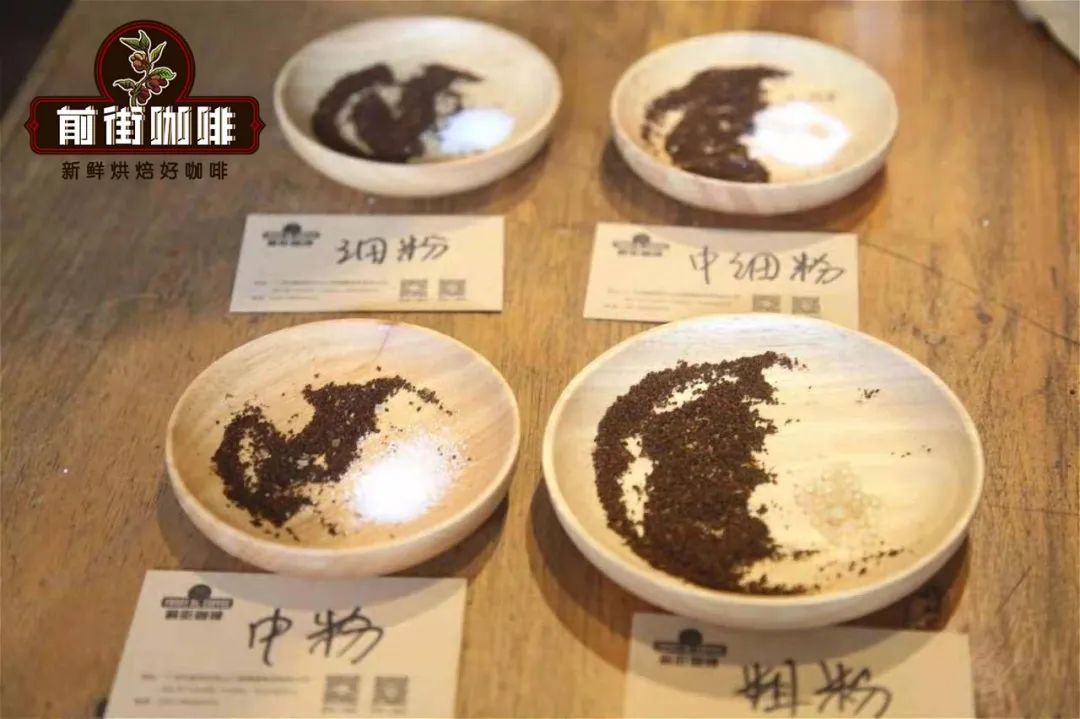
The solution to this is to unify the standard. For example, Front Street uses the national standard20number (850microns) standard sieve for screening calibration. According toSCAAcupping standards, the grind size for cupping is20number standard sieve with a passing rate of70-75%. Then Front Street Coffee's grind size for brewing light-roast pour-over coffee is generally within the range of75-80%.
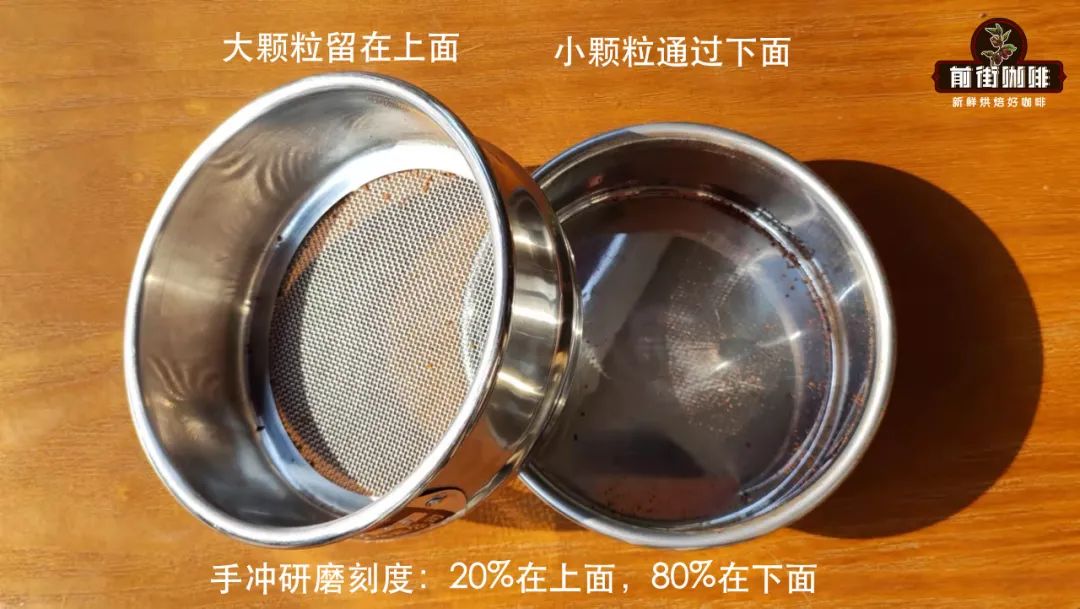
Front Street has received many pictures of the coffee bed after brewing sent in by friends, and most of the time when the coffee flavor was not brewed out, it was either because the grind was too coarse or too fine, or because the coffee grounds were uneven (too many fines). Therefore, if these situations occur, you might as well try using a standard sieve to calibrate your coffee grind size.
The above content is compiled by CoffeeHunters, a coffee news website.


