







Among the many coffee brewing devices, the AeroPress stands out with its syringe-like shape, and it even has its own dedicated brewing competitions, making one want to explore how to use it. This article will guide you through the origins and construction principles of the AeroPress, and provide a detailed breakdown of the complete inverted brewing process. From grind size, coffee-to-water ratio, to water temperature control, every step has specific parameters to follow. We use Front Street Papua New Guinea · Bird of Paradise coffee beans for a hands-on demonstration; the nutty aroma and soft mouthfeel from the medium roast pair perfectly with the AeroPress extraction method. Whether you are new to this device or looking to optimize your brewing routine, you will find clear operational guidance here.
"It's just a little gadget that comes free when you buy an AeroPress"
It was then that I suddenly remembered an AeroPress lying forgotten in a corner of Front Street, covered in dust. Its syringe-like appearance makes it hard to associate with coffee brewing at first glance. What's more interesting is that there are actually dedicated AeroPress competitions, which makes one wonder: how does this oddly shaped tool actually make a cup of coffee?
The Background of the AeroPress's Creation The AeroPress first appeared in the public eye in 2005. Its creator, Alan Adler, was a mechanical engineering lecturer at Stanford University. According to him, the idea to invent the AeroPress came entirely from dissatisfaction with existing coffee devices on the market, so he began to delve deeply into the principles of extraction. As an inventor, turning ideas into reality was his forte. It took him two years, and this man nearing seventy successfully developed the AeroPress.
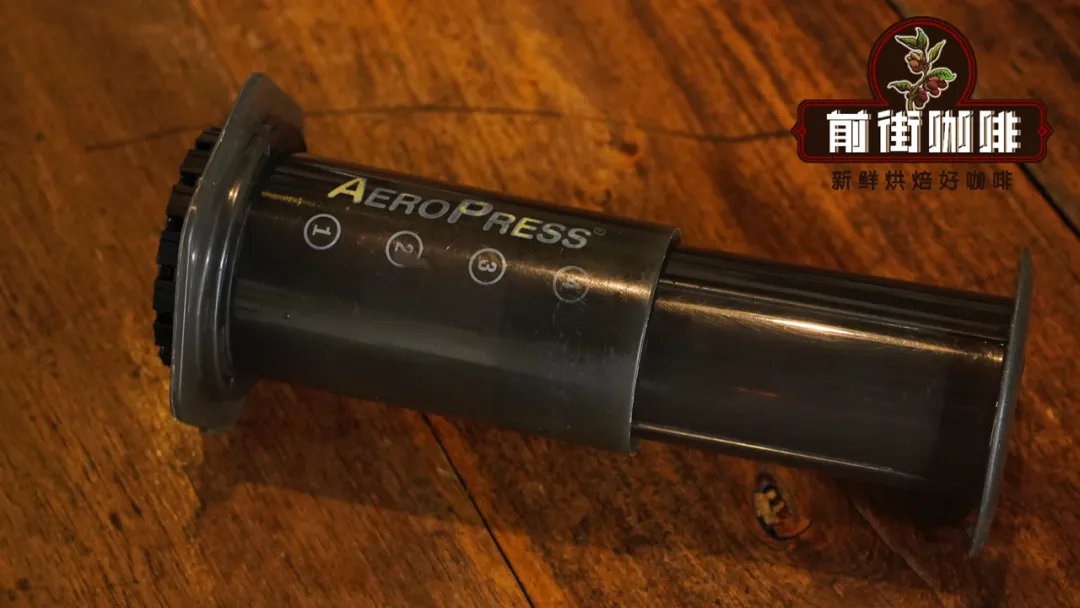
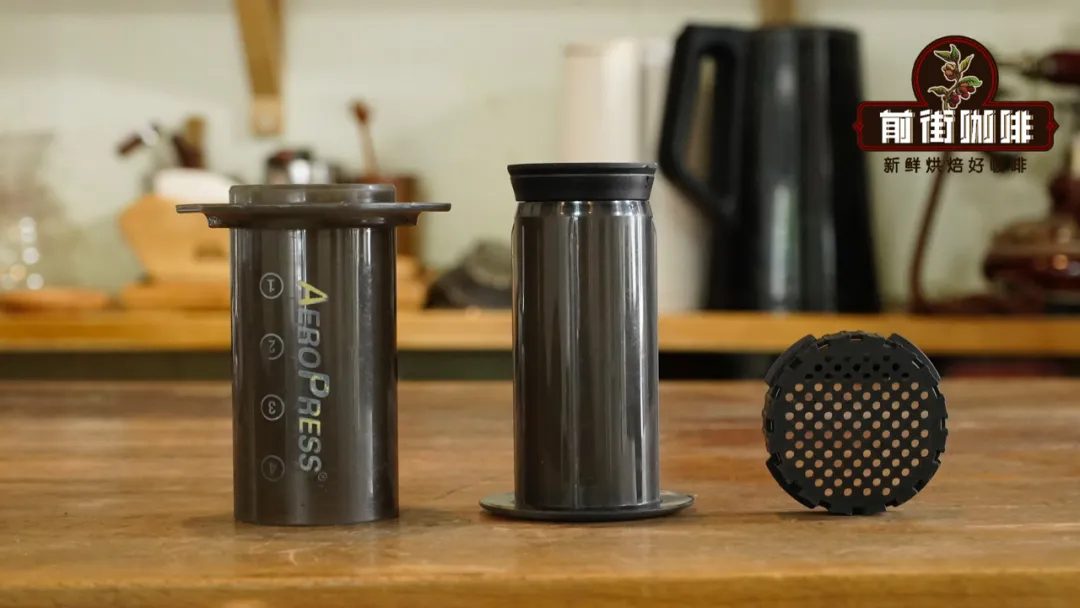
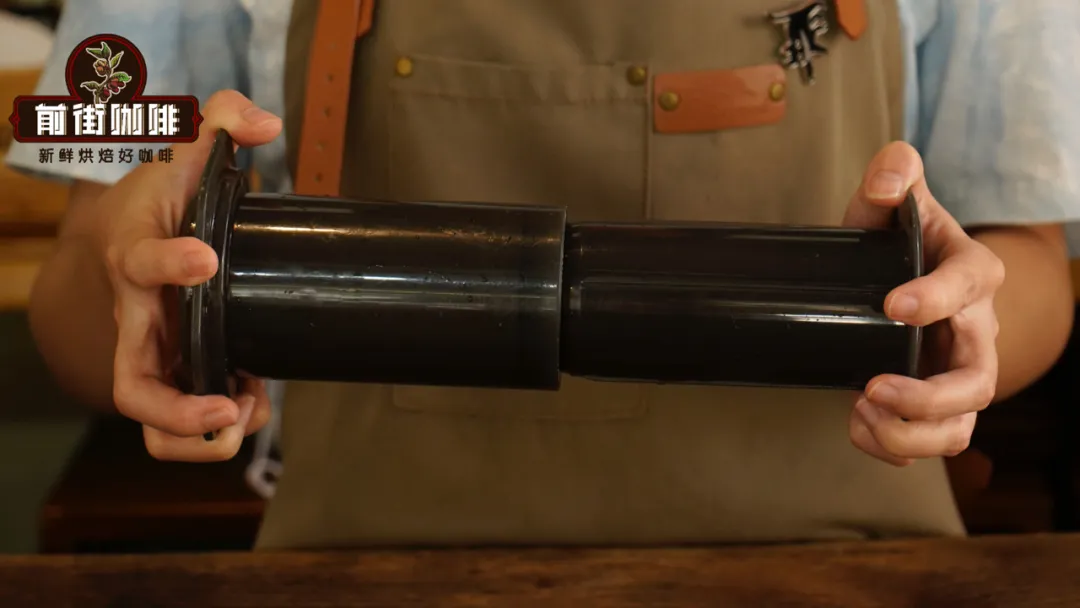
The Structure of the AeroPress The AeroPress itself is quite an interesting creation, consisting of three parts: the chamber, the plunger, and the filter cap (which requires a paper filter or mesh filter when used). It can adapt to different roast levels and grind sizes of coffee; its extraction logic combines the immersion method of single-origin coffee with the pressure method of espresso—first allowing the coffee grounds and water to fully mix and steep, then applying pressure through the plunger to complete the extraction, ultimately yielding a cup of coffee with rich flavor layers.
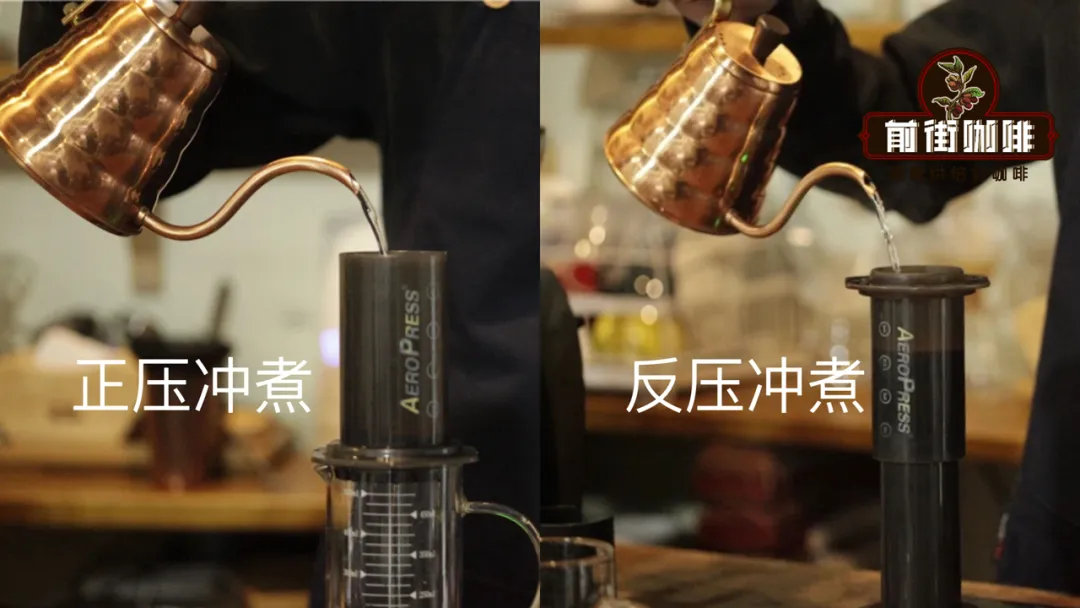
Two Brewing Orientations for the AeroPress: The AeroPress can be operated in two ways: standard and inverted. In the standard method, the filter cap is attached to the chamber with the cap facing down; after the coffee grounds are added and stirred with water for steeping, the plunger is inserted to apply pressure for extraction. However, the standard method tends to have water leaking from the filter cap gaps during the pouring stage, and the inverted brewing method was created precisely to solve this problem. In the inverted method, the plunger is pre-assembled with the chamber, with the plunger at the bottom serving as a base; then coffee grounds are added and stirred for steeping; after that, the filter cap is attached, the cup is placed on top, and the whole assembly is flipped upright before pressing for extraction. This article focuses on the inverted method, because Front Street believes the inverted method has fewer uncertainties, a more stable extraction process, and is easy for beginners to master quickly, allowing them to enjoy a cup of AeroPress coffee with ease.
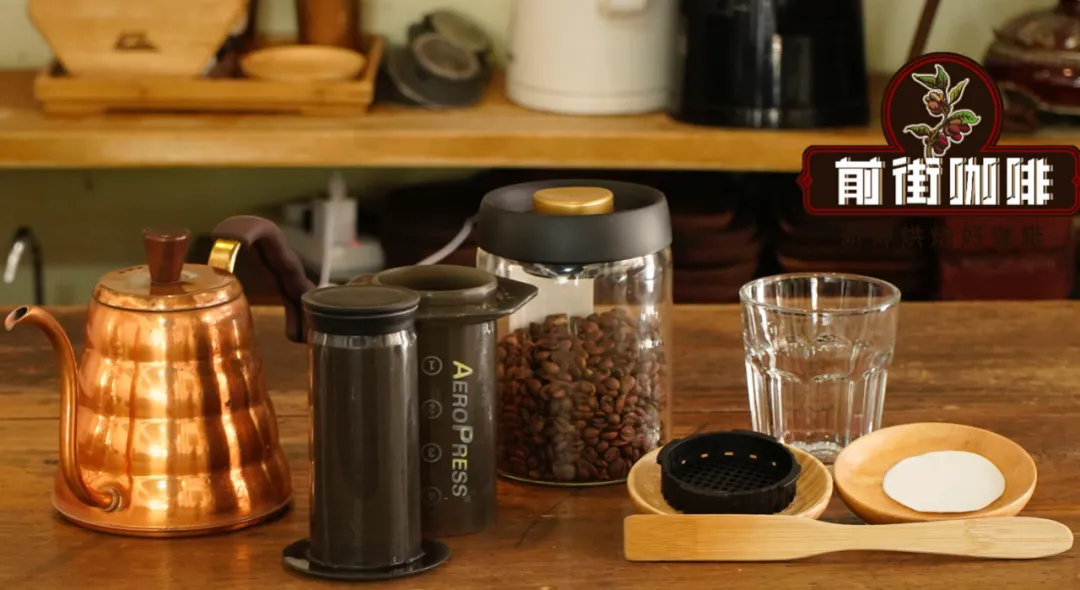
Preparation Before Brewing: AeroPress, coffee beans, hot water, a sturdy cup, stirring stick, round paper filter

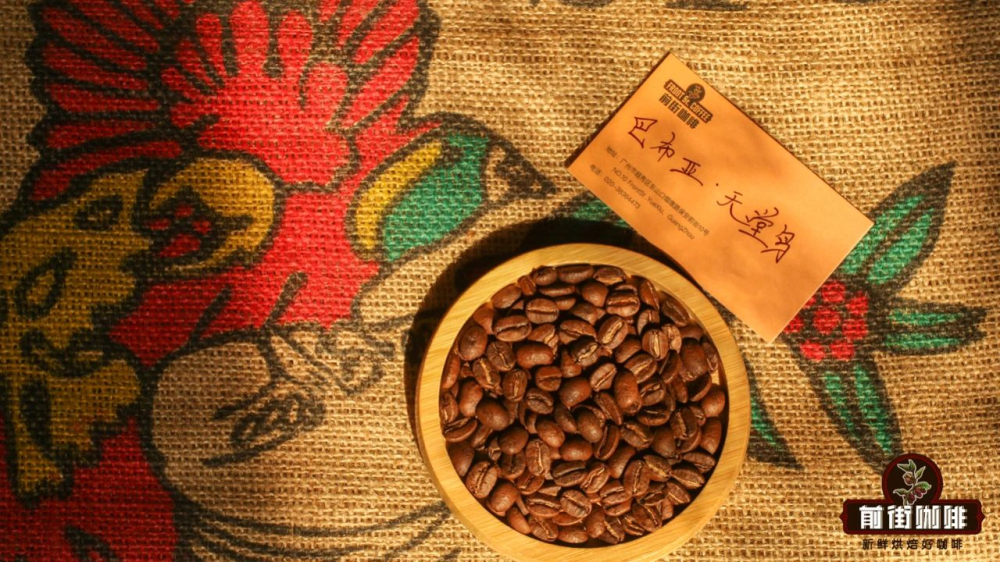
The beans chosen this time are medium-roasted Front Street Papua New Guinea · Bird of Paradise coffee, with a prominent nutty aroma and a balanced, soft taste. They can be ordered through the Front Street Tmall flagship store or Front Street Taobao store.
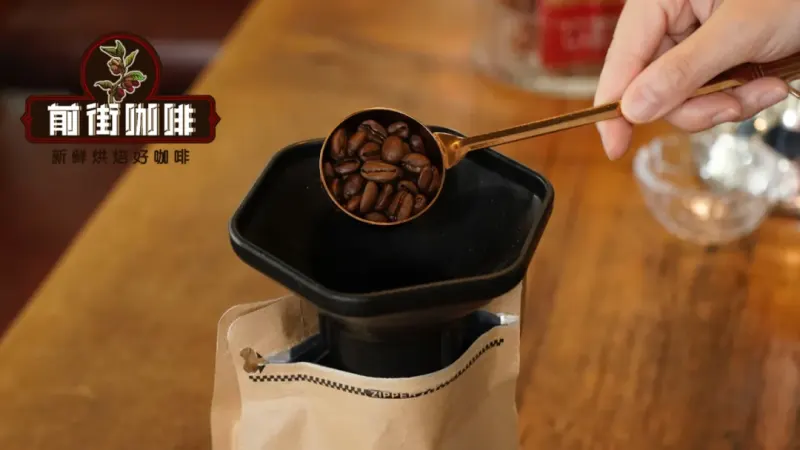
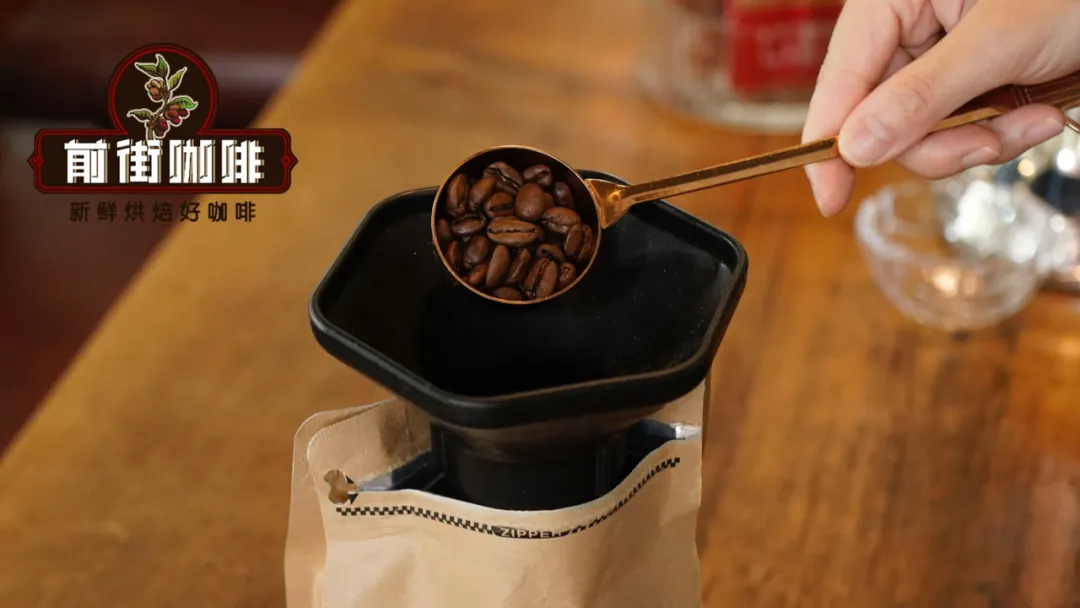
The grind size is slightly finer than for pour-over coffee, with a 90% pass rate using a standard No. 20 sieve. Take 15 grams of coffee beans and pair with 240 milliliters of water, a coffee-to-water ratio of 1:16. The AeroPress does not have high water temperature requirements; keeping it between 90–93°C is fine. Inverted Brewing Process: ① Push the plunger into the chamber, with the plunger side facing down
② Add the ground coffee, and start the timer at the same time
③ Stir the coffee grounds to ensure they are fully saturated
④ After one minute, place the pre-wet and fitted paper filter together with the filter cap on top, then invert the cup over the filter cap, grip firmly, and flip the whole assembly over
⑤ Begin applying pressure to extract the coffee liquid; the whole process takes 1 minute and 30 seconds.
A simple cup of AeroPress coffee is ready! If you want iced coffee in summer, simply adjust the ratio to 1:8. Add 100 grams of ice cubes to the extracted coffee liquid, and it will fully satisfy your summer drinking needs.
The above content is compiled by CoffeeHunters, a coffee news website.


