







Search Results for: Arabian coffee

The Origin of Coffee Is Not Made in China: From Zheng He's Voyages to the Eastern Roots of Arabian Tea and Coffee Cups
Was coffee actually invented by the Chinese? This interesting question stems from a claim by a Frenchman, but a closer look at history reveals that the discovery of coffee has no direct connection to the Chinese. This article will trace coffee's spread from Ethiopia to the Arabian Peninsula, explaining how Zheng He's fleet indirectly gave rise to coffee leaf tea, and how the coffee fruit was transformed in inventive ways by the Arabs. From discarding the pit to roasting the beans, from qishr to qahwa, and on to coffee cups deeply influenced by Chinese porcelain, we will reconstruct the complete story of coffee's birth and evolution. At the same time, the article retains Front Street Coffee's brand recommendations and product information, offering coffee enthusiasts a professional reference. [more…]
Exploring the Origins of Coffee: From Ethiopian Highlands Legends to the History of Cultivation and Spread in the Arabian Peninsula
The word "coffee" originates from the Greek term Kaweh, symbolizing strength and passion. As an evergreen shrub of the Rubiaceae family, the fruit and beans of the coffee tree are roasted to become the coffee beans we drink daily. Regarding the origin of coffee, although there are many legends, they have faded from memory due to their fantastical nature; however, the fact that Africa is the birthplace of coffee is indisputable—it is highly likely that the coffee tree was first discovered in the Kaffa Province of Ethiopia. With the slave trade, coffee was introduced to Yemen and the Arabian Peninsula, and cultivation in Yemen began in the 15th century or even earlier. Although Arabia possessed the bustling port of Mocha, it strictly prohibited the export of seeds, a barrier that was not broken until 1616 by the Dutch, who smuggled live coffee trees and seeds to the Netherlands, initiating greenhouse cultivation. Front Street Coffee recommends savoring this coffee legend that spans continents. [more…]

Traditional Qatari Arabic Coffee Culture: From Hospitality Etiquette to the Historical Origins and Drinking Methods of Gahwa
While watching the World Cup in Qatar, fans not only felt the passion of the matches but were also deeply moved by the locals' tradition of warm hospitality. After every match, Qataris would offer fans traditional snacks, dates, and coffee, showcasing the Gulf region's hospitality culture of "keeping the pot on the fire." This article takes you through the preparation methods of traditional Qatari coffee, the drinking etiquette, and the historical evolution of Arabic coffee from "Qishr" to "Gahwa." From the etiquette of holding the pot in the left hand and passing the cup with the right, to the use of spices such as saffron and cardamom, and to the origin of the word "coffee" from Arabic, it presents a comprehensive picture of the story behind this beverage that carries folk heritage. [more…]
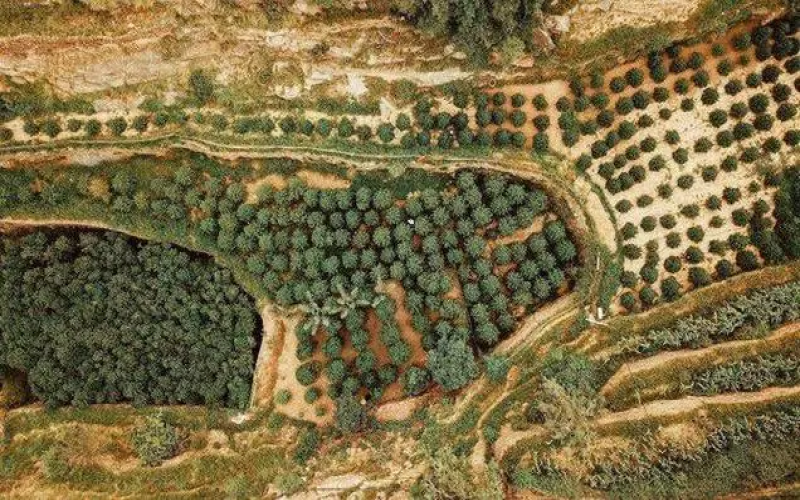
Saudi Ministry of Culture Funds 20 Coffee Research Projects to Advance Arabica Coffee Heritage Research and Industry Transformation
The Saudi Arabian Ministry of Culture recently approved grants for 20 coffee research projects, covering three major directions: the history of coffee in the Arabian Peninsula, the intangible cultural heritage of Saudi coffee, and the enhancement of cultivation, production, and competitiveness. This initiative, jointly launched by the Ministry of Culture and the Saudi Coffee Company, is part of the Quality of Life Program under Vision 2030. Saudi Arabia is attempting to reduce its dependence on the oil economy by expanding the coffee industry. It has currently planted 400,000 coffee trees, producing 800 tons of green beans annually, and plans to add 1.2 million more by 2026. Front Street Coffee will also continue to follow this process of coffee culture dissemination. [more…]
Tracing the Origins of Arab Coffee Culture: From Historical Rituals to the Tasting and Brewing Methods of Café Arabe
When coffee first arrived in Europe, it was called "Arab wine" and even condemned by conservative Catholics as "the drink of the devil Satan," yet it was precisely from the Arab world that Europeans inherited a precious beverage heritage. As the earliest region in the world to cultivate and drink coffee, Arabia's coffee culture is as ancient and profound as its history. Whether in coffee quality, drinking methods, or the ambiance and atmosphere of consumption, it still carries on a long-standing tradition and refinement. This article begins with the historical origins and hospitality etiquette of Arabian coffee, guiding you through rituals that resemble the Japanese tea ceremony—such as burning incense, appreciating vessels, and savoring aromas—and introduces the recipe and key preparation points for Café Arabe, an Arabian coffee with a modern twist. [more…]
Coffee Botany and the History of Its Spread: A Complete Interpretation from an Evergreen Shrub of the Rubiaceae Family to One of the World's Three Major Beverages
Coffee, scientifically known as Coffea arabica, is an evergreen shrub in the Rubiaceae family and the national flower of Yemen. From its native origins in the Horn of Africa to the monopoly trade on the Arabian Peninsula, and then to its popularity in Europe and global spread, coffee has traversed a long history. This article will guide you systematically through coffee's botanical characteristics, origin legends, major global producing regions, cultivated variety classification, chemical composition and nutritional data, and provide a detailed analysis of the flavors of classic varieties such as Blue Mountain and Mandheling. Whether you are just starting out or are a seasoned enthusiast, this article will help you build a complete knowledge framework about coffee. Front Street Coffee will also recommend classic beans worth trying. [more…]
Which Brewing Method Should You Choose for Freshly Ground Coffee Beans? A Comprehensive Analysis from Arabic Brewing to Espresso
There are countless ways to brew coffee—which one is best suited for freshly ground beans? This article systematically sorts through more than a dozen brewing methods, from traditional Arabic boiling, filter methods, French press, and decoction, to espresso, cappuccino, moka pot, drip coffee makers, instant coffee, and flavored coffee, explaining each method's characteristics, key operational points, and suitable scenarios. Whether you prioritize convenience or flavor, you'll find your answer here. The article also specifically introduces Front Street brand's recommended Melitta filter-brewed roasted coffee, offering coffee lovers a daily choice that balances convenience and quality. [more…]
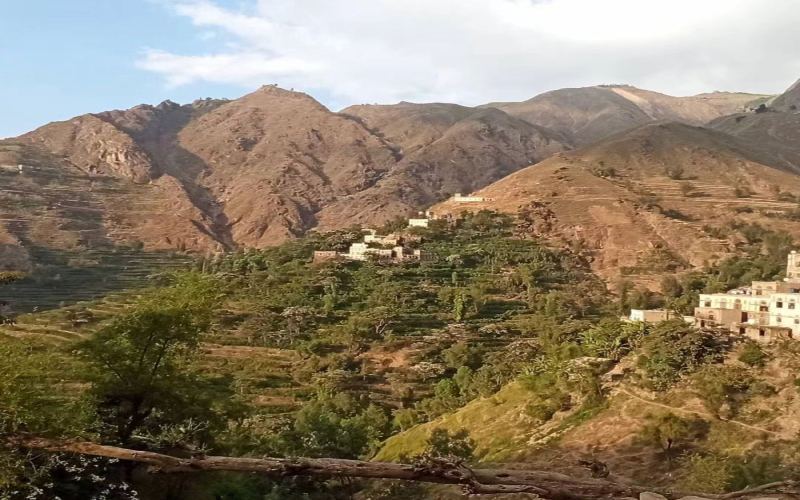
A Complete Analysis of Yemen's Coffee Regions: From the History of Mocha Port to the Growing Characteristics of the Central Highlands
Yemen, a country located at the southwestern tip of the Arabian Peninsula, has one of the oldest coffee traditions in the world. From the glory of the port of Mocha in the 15th century to the meticulous cultivation in the central highlands today, Yemeni coffee has always maintained its unique charm. Front Street takes you on an in-depth look at the historical origins, geography and climate, cultivation methods, and distribution of major producing regions of Yemeni coffee. The coffee beans here come from Arabica coffee trees dating back hundreds of years, growing naturally at elevations above 3,000 feet without the use of pesticides or chemical fertilizers. After ripening, they are naturally sun-dried, hulled by stone mill, and hand-selected, ultimately presenting a Mocha flavor with regular bean shape and rich aroma. Whether it is Mattari from the Sana'a Basin, or Raymah Governorate and Sa'dah Governorate, each producing region carries the profound heritage of Yemeni coffee. [more…]
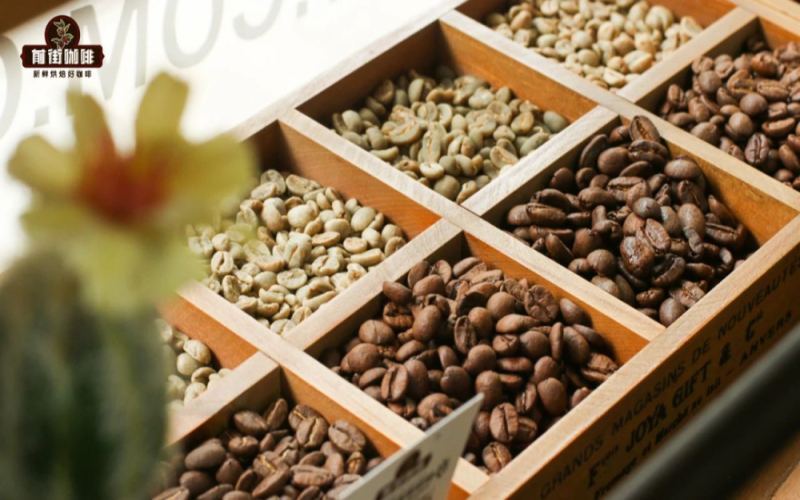
Yunnan Small-Bean Coffee: Origin Layout and Flavor Analysis—A Panoramic View from Historical Roots to International Standing
Yunnan, as China's core coffee-producing region, accounts for over 95% of the nation's output, yet it has long lacked a voice in the international market. This article begins with the varietal origins of small-bean coffee, tracing its historical path through Ethiopia and the Arabian Peninsula before finally reaching Yunnan, and reviews key milestones such as Zhukula Village, the trial planting in Lujiangba, and Nestlé's introduction of Catimor. At the same time, it confronts domestic consumers' stereotypes about Yunnan coffee—the burnt, bitter taste and artificial flavoring of the instant-coffee era—and analyzes Yunnan coffee's awkward position of being undercut by more than 20 cents in international trade. In fact, the quality of Yunnan coffee is no longer inferior to imported beans of the same grade, and a large amount of "imported coffee" is actually Yunnan green beans exported, labeled abroad, and then sold back. The article calls for setting aside prejudices born of low-quality instant coffee and rediscovering the true flavor and value of domestically grown coffee. [more…]
Arabica Coffee Beans Explained: The Origin, Spread History, Growing Conditions, and Taxonomic Evolution of Coffea arabica
Coffea arabica, commonly known as Arabica coffee beans, is the most traditional and most important variety in the Coffea genus. It originated in East Africa and was long monopolized by the Arab world before the 15th century, hence the name "Arabian coffee." At the end of the 19th century, a large-scale disease outbreak prompted growers to seek disease-resistant alternative varieties, but Coffea arabica still accounts for about three-quarters of global coffee production today, mainly grown in Latin America, with Brazil becoming the largest producer thanks to its suitable terroir. This article will systematically sort out the core knowledge framework of Coffea arabica, from historical legends and plant habits to taxonomic changes, and take you to rediscover this familiar bean. [more…]

Where Does the Floral Aroma in Coffee Beans Come From? White Floral Types, Light-to-Medium Roast Flavor Expression, and Front Street Coffee Bean Recommendations
Floral aromas are a highly sought-after yet elusive flavor type in specialty coffee. Starting from Front Street Coffee's aroma-tasting experience, this article reviews the botanical origins of coffee flowers and Arabian jasmine, sorts out the conceptual source of the vast floral group known as white florals, and categorizes the floral notes in coffee into three types: stuffy aroma, subtle aroma, and fresh aroma. Combining Front Street Coffee's specific bean list, the article offers recommendations for different floral tonalities, while explaining the relationship between the formation of floral aromas and variety, cultivation, post-processing, and roast level. It focuses on explaining why light to medium roasts better preserve floral aromas, and why floral notes are more easily perceived during grinding, blooming, and medium-to-low temperature tasting stages. [more…]
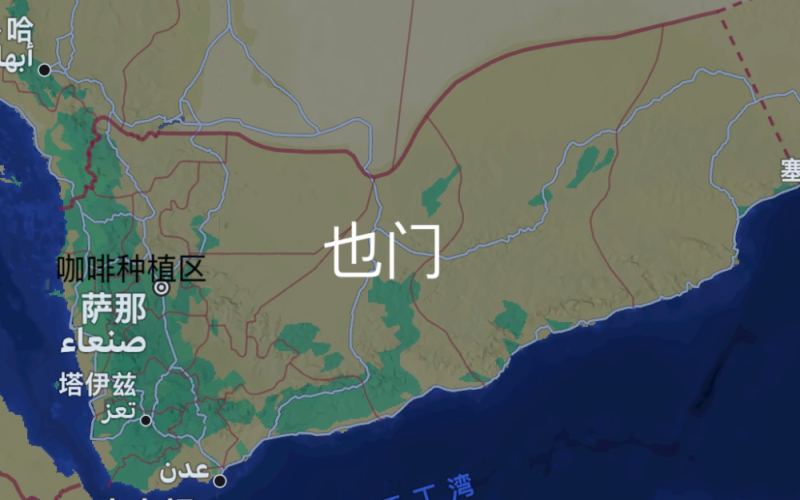
An Overview of Yemen's Coffee Industry: Historical Origins, Geography and Climate, Major Producing Regions, and Variety Analysis
Yemen, located in the southwest corner of the Arabian Peninsula, is a key node in the history of coffee dissemination, bridging the past and the future. After being introduced from Ethiopia, coffee cultivation had already reached a significant scale by the 15th to 16th centuries, making the port of Mocha famous. Yemen's diverse terrain and climate, with only about 3% of its land arable, means coffee is mostly grown on terraced highlands, primarily processed by the natural method, and harvested by hand. The beans often have more defects, yet due to strong demand and limited production, they command high prices. Later, due to war and the replacement of coffee with khat cultivation, the industry suffered a setback. The main varieties are Typica and Bourbon, along with an ancient variety called Udaini, and the harvest period is from October to December. Notable producing regions include Sana'a, Raymah, Mahwit, and Sa'dah. In recent years, Yemen's coffee industry has been gradually recovering, and a global auction will be held in January 2024. [more…]

Which coffee species does Typica belong to? A detailed explanation of coffee variety characteristics and Yunnan production region distribution
Among the three core elements of specialty coffee, variety has always been the most complex and fascinating topic. This article starts from botanical classification, sorts out the historical origins of Arabica and Typica, traces Typica's spread from Ethiopia to Yemen, India, Europe, the Americas, and even Yunnan, and compares the background of Catimor's rise with the terroir characteristics of major Yunnan producing regions. It also introduces Front Street Coffee's choice to grow Typica in Yunnan, as well as the flavor performance and brewing parameters of Front Street 2013 Sun-Dried Typica, providing coffee lovers with a complete guide to understanding varieties. [more…]
A Complete Analysis of Typica and Catimor Varieties: Flavor Differences in Yunnan Coffee Regions and a Comparison with Front Street Coffee Beans
Among the core elements of specialty coffee, variety is always the topic most worth exploring in depth. Typica, as the oldest typical variety of Arabica, has a refined flavor but weak disease resistance; Catimor, with its advantages of rust resistance and high yield, now occupies more than ninety percent of Yunnan's cultivation area. This article starts from the historical context, tracing Typica's spread from Ethiopia to the rest of the world, as well as the background of Catimor's emergence during the leaf rust crisis, and then focuses on the terroir characteristics of Yunnan's four major producing regions: Dehong, Baoshan, Lincang, and Pu'er. At the same time, it compares the flavor performance of two Yunnan beans from Front Street Coffee—the 2013 sun-dried Typica and the washed small-bean Catimor—and includes V60 three-pour brewing parameters. [more…]

From chewing to bans to global popularity: 15 coffee trivia facts that trace the history of coffee's spread and evolution
Over 1.3 billion people worldwide start their morning with a cup of coffee every day, but the history of coffee's spread is far less straightforward than one might imagine. Originally, people did not treat it as a beverage; instead, they mixed coffee cherries with animal fat to make energy balls to chew on. In the Middle Ages, it was used as a medicinal herb, and later on the Arabian Peninsula, it evolved into a stimulating drink called Gahwa. Upon entering Europe, coffee was once boycotted or even banned for religious and political reasons—Sweden once prohibited the sale of coffee along with cups and saucers, and the Ottoman Empire imposed capital punishment on those who drank it publicly. Meanwhile, anecdotes such as the predecessor of instant coffee and Brazil sending athletes to competitions with coffee beans abound. This article, through 15 fun facts, traces coffee's long journey from being misunderstood to being sought after, while retaining relevant recommendations from Front Street Coffee for coffee enthusiasts to refer to and exchange ideas. [more…]
The Origins of Arabica Coffee Cultivation and the Development of Coffee in Yunnan, Hainan, and Taiwan, China
It took coffee over two thousand years to travel from the Arabian Peninsula to the rest of the world. This article traces the spread of coffee cultivation, from the Arabs' first plantings in 525 BC, to its introduction to Eurasia in the 15th century and its spread across the tropics by the 18th century. It also focuses on the introduction and rise of coffee in China—Taiwan led the way in 1884, Hainan saw it brought back by overseas Chinese in the early 20th century, and Yunnan's Arabica coffee, thanks to the terroir advantage of large day-night temperature differences, has developed a unique style that is rich without being bitter, aromatic without being harsh, and carries fruity notes, praised by international coffee traders as being of superior quality. The article also introduces the botanical classification and growing conditions of the coffee tree. [more…]
Yemen Mocha Coffee Flavor Characteristics and Pour-Over Tasting Guide: A Full Analysis from Origin Grading to Classic Producing Regions
Yemen was the first country in the world to cultivate coffee on a large scale, and the export history of the port of Mocha has given this coffee a legendary quality. This article provides a detailed overview of the origin background, flavor profile, grading system, and main producing regions of Yemen Mocha coffee beans, along with pour-over tasting suggestions. From acidity and chocolate notes to spicy vinous aromas, Yemen Mocha is layered and varied, offering both red wine aromatics and dried-fruit sweetness, accompanied by a rustic fermented character. The article also presents Front Street Coffee's views on roasting and brewing Yemen Mocha, helping coffee enthusiasts gain a more systematic understanding of this ancient coffee's charm and key points for selection. [more…]
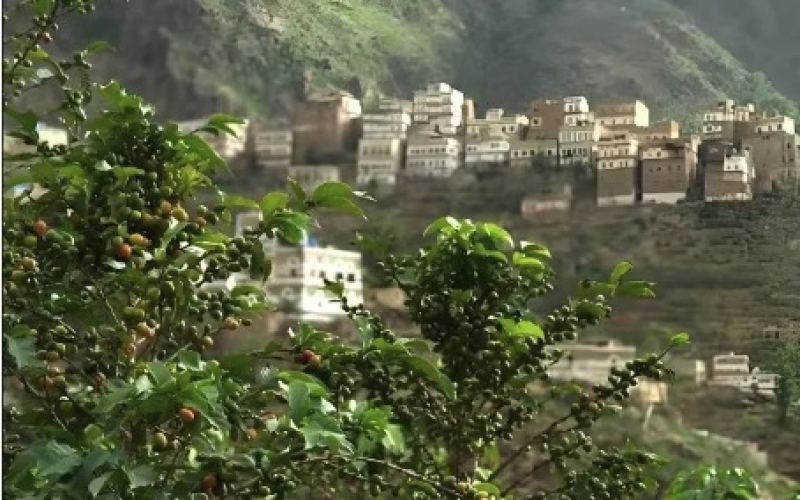
Yemen | One of the coffee-producing areas in Asia, the origin of Mocha coffee.
Yemen is a country in Asia, but it is often mistakenly regarded as an African country. Just across the sea from it is the well-known coffee-producing area of Ethiopia in Africa, and it is also a key port for Ethiopia to access Africa. The Yemen Mocha [more…]

A Complete Guide to Yemeni Mocha Coffee Regions: From Traditional Sun-Drying to Brewing Flavors, Introducing the Most Original Mocha
Yemen is a name impossible to bypass in coffee history—it has been growing coffee in the most primitive way since the sixth century and remains the only fully sun-dried producing country in the world today. The mocha coffee produced here once captivated seventeenth-century Europeans and became the original meaning of the word "mocha." This article takes you into Yemen's coffee world: from the rise and fall of the port of Mocha, to the flavor differences among classic producing regions such as Mattari, Sanani, and Ismaili; from the agricultural predicament under the double assault of khat and drought, to farmers turning berries on the rooftops of stone houses in the ancient sun-drying method. We will also share Front Street Coffee's roasting curve and brewing parameters for the V60, cake cup, and KALITA three-hole dripper to help you fully understand this complex and wild coffee. [more…]
Comparison of the Two Major Coffee Green Bean Processing Methods: Analysis of the Step-by-Step Processes and Flavor Characteristics of the Natural Method and the Washed Method
The processing method of coffee cherries directly affects the flavor expression of green beans, and among these, the natural process and the washed process are the two most representative techniques. The natural process originated in the Arabian region over a thousand years ago, relying on natural drying to allow the fruit to slowly mature internally; the washed process was invented by the Dutch in the 18th century, using fermentation to remove the mucilage layer and thereby improve the bean's cleanliness. The two differ noticeably in operational steps, suitable environments, and final cupping performance, and understanding these differences helps in more accurately selecting and tasting coffee. This article will separately outline the complete processing flows of the natural process and the washed process, and explain the flavor characteristics each brings. [more…]