







What makes Yunnan coffee different from imported beans?
Yunnan coffee is China's core coffee-producing region, accounting for more than 95 percent of national output, and small-bean coffee there belongs to the Arabica species. Its roots trace back to Ethiopia and the Arabian Peninsula before reaching Yunnan, with milestones such as Zhukula Village, trial planting at Lujiangba, and Nestlé's introduction of Catimor shaping the modern crop.
Native small-bean coffee shows small, uneven beans with bright acidity and floral, fruity notes. Yunnan green beans are often exported, labeled abroad, and sold back as imported coffee, while local lots are underpriced by more than 20 cents in international trade. Quality of same-grade Yunnan beans no longer trails imports; the old burnt, artificial instant-coffee image lags behind reality.
Yunnan is the core coffee-producing region in China, accounting for over 95% of the national output, yet it has long lacked a voice in the international market. This article begins with the varietal origins of small-bean coffee, tracing its historical path through Ethiopia and the Arabian Peninsula before finally reaching Yunnan, and reviews key milestones such as Zhukula Village, the trial planting in Lujiangba, and Nestlé's introduction of Catimor. It also confronts domestic consumers' stereotypes about Yunnan coffee—the burnt bitterness and artificial flavor of the instant era—and analyzes Yunnan coffee's awkward position of being underpriced by more than 20 cents in international trade. In fact, the quality of Yunnan coffee is no longer inferior to imported beans of the same grade, and a large amount of "imported coffee" is actually Yunnan green beans that are exported, labeled, and then sold back. The article calls for setting aside the prejudice born of low-quality instant coffee and re-recognizing the true flavor and value of domestically grown coffee.
What Is Small-Bean Coffee?
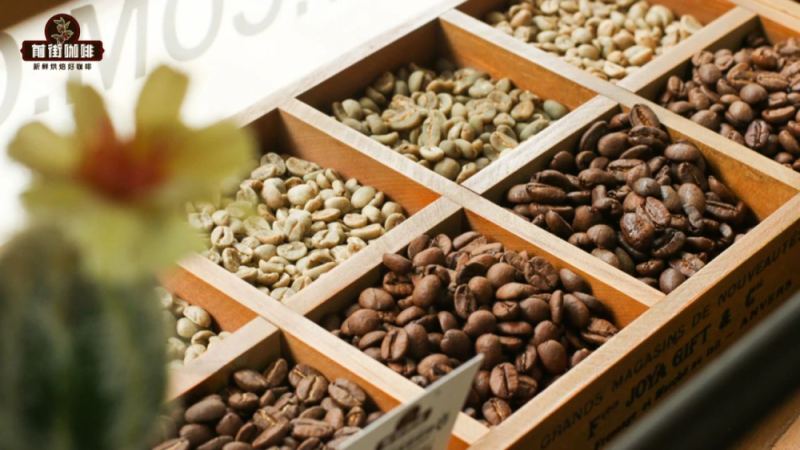
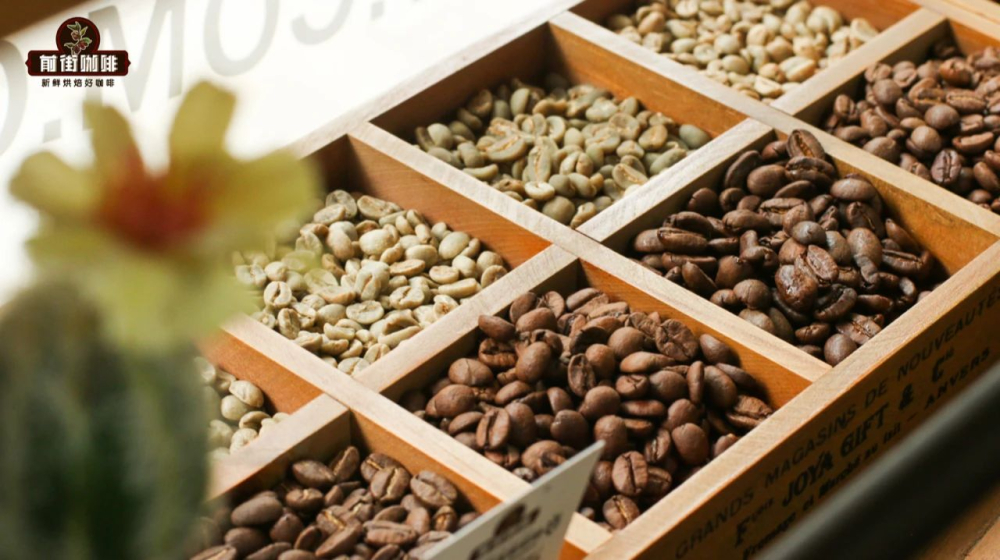
Botanically, small-bean coffee belongs to the Arabica species, and its roots can be traced back to Ethiopia. This variety later underwent improvement and cultivation on the Arabian Peninsula, making it arguably the oldest and most orthodox type of Arabian coffee. The typical characteristics of native small-bean coffee include: relatively small beans, uneven fullness, bright acidity, and prominent floral and fruity notes.
The Development History of Small-Bean Coffee
The Starting Point of World Coffee: Ethiopia
Coffee was first discovered in the highlands of southwestern Ethiopia in Africa. Legend has it that a goatherd偶然 noticed this plant, thus opening the first page of world coffee history, and Ethiopia is therefore known as the kingdom of coffee.
The Second Stop in Coffee's Spread: Arabia
In the thirteenth century, Ethiopian troops invaded Yemen and brought coffee beans into the Arabian region. Coffee quickly became popular there, and a key driver was the prohibition of alcohol at the time; coffee naturally became a substitute beverage for alcohol, which also prompted the Arabs to begin improving coffee varieties. Thereafter, with resource competition and wars among the continents, coffee gradually spread across the globe.
The History of Yunnan Small-Bean Coffee
In 1892, during the late Qing Dynasty, China was a semi-colonial and semi-feudal society, and a large number of foreign invaders and species poured in. Coffee entered China by way of the French missionary Tian Deneng, with its foothold in Zhukula Village, Dali, Yunnan. To this day, Zhukula Township still preserves twenty-four coffee trees over ninety years old.
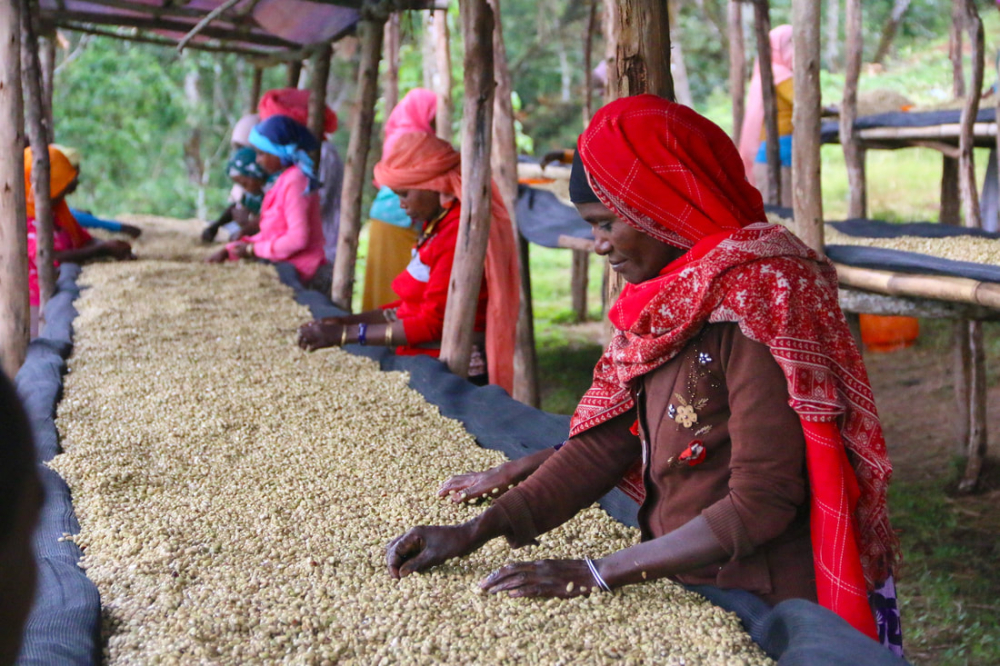
In 1908, coffee was also introduced to Hainan, but the results were not ideal, and several other regions that attempted cultivation likewise failed to achieve good results. In 1952, technicians from the Mangshi branch of the Yunnan Agricultural Experiment Station brought back more than seventy kilograms of fresh fruit from Nongxian Village and conducted trial planting in Lujiangba, Baoshan City, finding that it adapted well and had outstanding quality; thereafter, the scale of planting gradually expanded. In the late 1980s, Nestlé introduced Catimor coffee to the Simao region of Yunnan (present-day Pu'er City), and China's coffee planting area began to climb, with quality also improving markedly through continuous experimentation. In 1992, the United Nations Development Programme (UNDP) assisted the Chinese government in establishing China's first modern coffee factory. Since then, Yunnan coffee has continued to improve and expand production. According to the latest data from the Yunnan Provincial Department of Agriculture, Yunnan's coffee output reached 136,000 tons in 2017, accounting for more than 95% of the country's total coffee production.
The Status of Yunnan Small-Bean Coffee in the Coffee World
The Impression Yunnan Coffee Gives Chinese Consumers
It is no exaggeration to say that more than 95% of people in China first encountered coffee through instant coffee, with Nestlé 3-in-1 instant coffee being the most typical example. Second, many people, after improving their standard of living, first drank freshly ground coffee in cafés, with Starbucks being the most widely known representative. There is also a portion of people whose first coffee purchase was a Yunnan specialty casually picked up in the tourism market.
This is the Yunnan small-bean coffee in popular memory: the instant version lacks aroma, with a burnt taste mixed into the bitterness; the 3-in-1 is overly sweet and cloying, lacking coffee aroma, with a heavy artificial flavor and a large amount of non-dairy creamer added. Meanwhile, cafés were once seen by many as a symbol of petty bourgeois pretension, and the overly high threshold made freshly ground coffee seem out of reach; even when people walked into a café, what they ordered was mostly blended drinks, with the taste of milk overpowering the coffee itself.
Yunnan Coffee's Status in the World
It has none. Yunnan coffee has won awards in the past, but that cannot change the price-cutting behavior of foreign buyers at purchase; the purchase price is 20 cents lower than the international green coffee futures price.
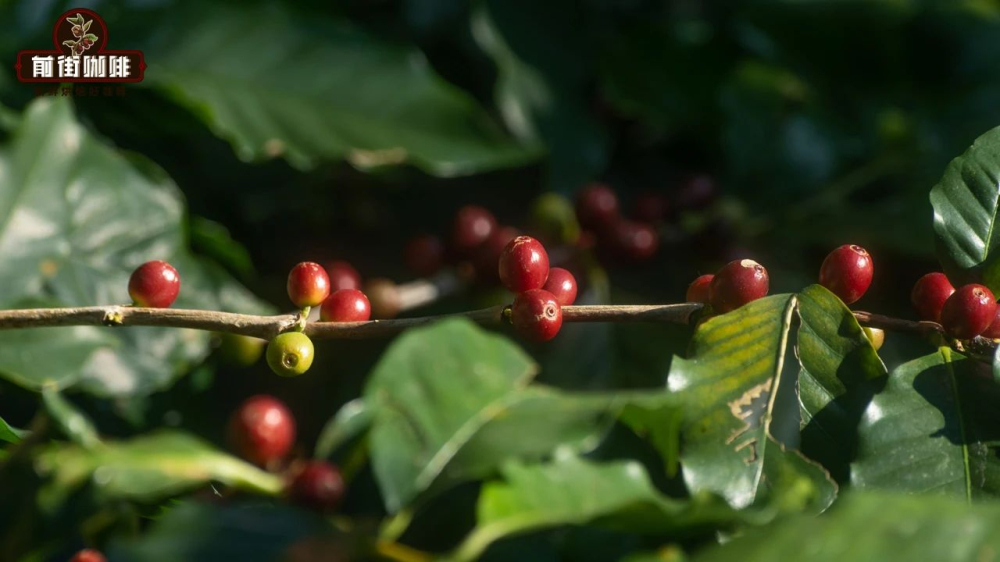
If it were Colombian coffee, Ethiopian coffee, or Brazilian coffee, would it have fallen into such a situation? The answer is self-evident. It is only Chinese coffee that, despite having relatively high quality, has failed to obtain a status and price matching it.
Just How Good Is the Quality of Yunnan Small-Bean Coffee?
After a century of refinement, combined with the improvement in modern living standards and the growth in domestic coffee consumption demand, the quality of Yunnan coffee has also continued to progress. However, domestic consumers do not seem to acknowledge this; in their perception, Yunnan coffee is still "not good to drink and not comparable to imported goods."
The reality is that the quality of Yunnan coffee is already no lower than that of imported beans of the same grade. Many foreign green bean buyers purchase from Yunnan at more than 20 cents below the international coffee price, then ship it abroad for transit, labeling, or processing, and sell it back to China, where it becomes "imported goods." Perhaps the "imported coffee" you are drinking right now is actually China's Yunnan small-bean coffee—you just have not noticed yet. Support domestic coffee, and for now set aside the low-quality instant products that make "one-time quick money" in the tourism market; you will find that Yunnan coffee really is good to drink.
The above content is compiled by CoffeeHunters, a coffee news website.


