







Search Results for: Antioquia Region
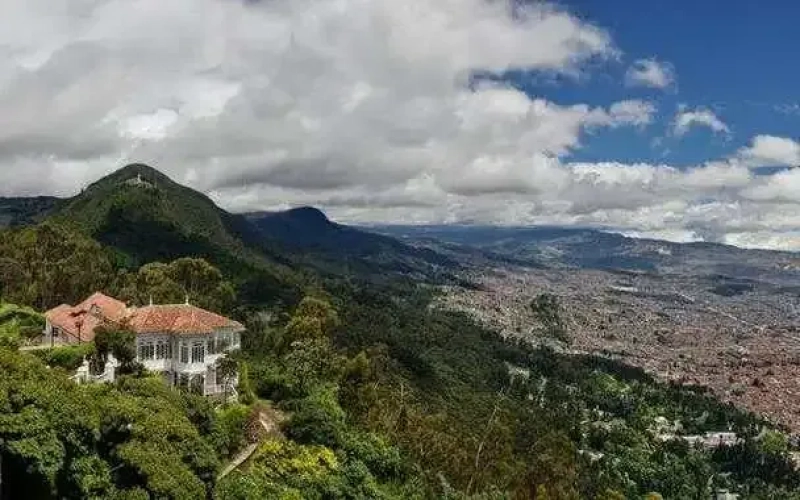
Colombia's Antioquia Coffee Region: From Historical Turbulence to the Rise of Specialty Chiroso
South America is an important coffee-producing region in the world. Colombia, with its three Cordillera mountain ranges and fertile volcanic soil, has become the world's third-largest coffee producer. Among its many producing regions, Antioquia stands out for both its output and quality. This article will begin with the ups and downs in Colombia's coffee history, trace the background of FNC's founding, and then focus on Antioquia's geographical advantages and La Palma estate, telling how the Echavarría family promoted the Chiroso variety and won 8th place with 89.39 points in Colombia's 2023 COE competition. Front Street Coffee will also combine the characteristics of the producing region to interpret for you its flavor potential and representative products. [more…]
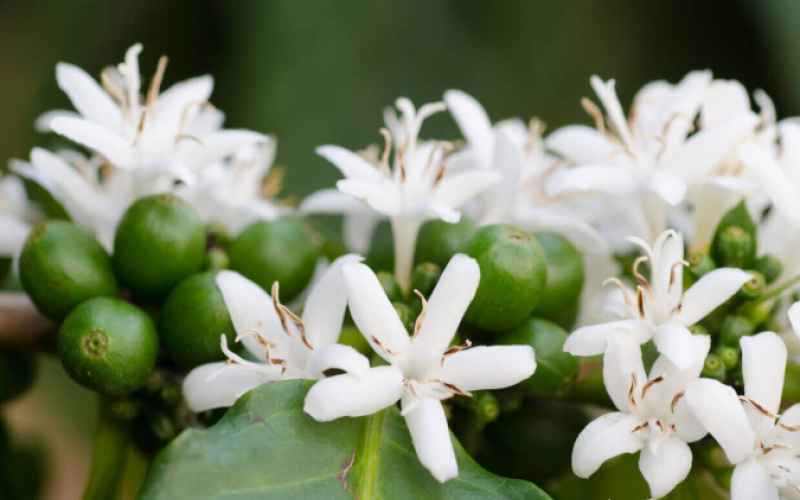
An Analysis of the Cultivation History and Flavor Characteristics of Colombia's Core Coffee Producing Region: Antioquia and the Town of Fredonia
Colombia is the world's third-largest coffee producer, and the high altitudes, volcanic soils, and diverse microclimates of its Andean region give rise to a highly distinctive coffee flavor. In this article, Front Street Coffee systematically traces the dissemination history, industry development, and producing-region landscape of Colombian coffee, with a particular focus on the Antioquia producing region in the northwest and its sub-district of Fredonia. We analyze the local coffee's growing conditions, variety composition, and flavor performance, giving you an understanding of how this important producing region yields coffee with balanced sweetness and a refined mouthfeel. [more…]
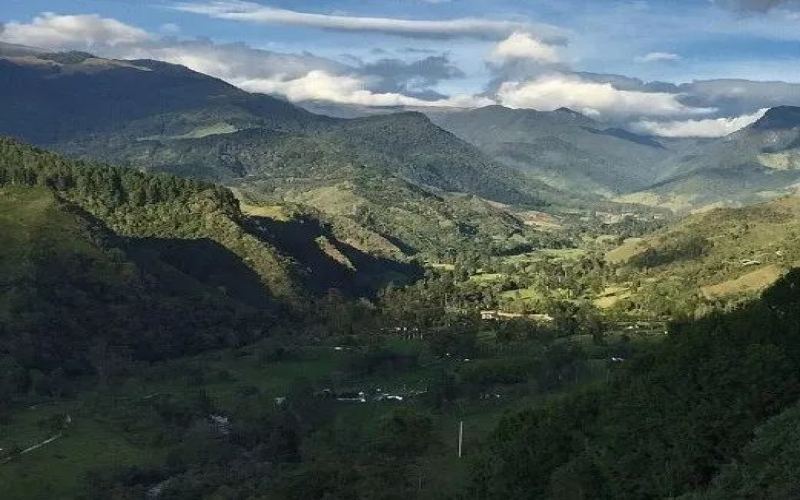
Distribution and Flavor Characteristics of Colombian Coffee Regions: An Analysis of Andean Micro-Lots and the Case of Zacatin
South America contributes over half of the world's coffee production, with Brazil and Colombia ranking as the world's first and third largest producers respectively. Unlike Brazil's large-scale plantation model, Colombia, due to its complex mountainous terrain and diverse microclimates, is dominated by small coffee estates. The best-selling Sidra, Rose Valley, and Flower Moon on Front Street Coffee's bean list come from locally renowned estates. Colombian coffee is mainly distributed in the central and western Andes mountain range, with 15 production regions divided by province nationwide. Cauca, Santander, Antioquia, Narino, Tolima, and Huila are the main forces. Huila's Finca La Divisa, Tolima's Finca La Roca, and Cauca's Finca La Esperanza are widely known, while Antioquia, though famous for its high yield, also has family businesses like Finca Zacatin that produce high-quality coffee. [more…]
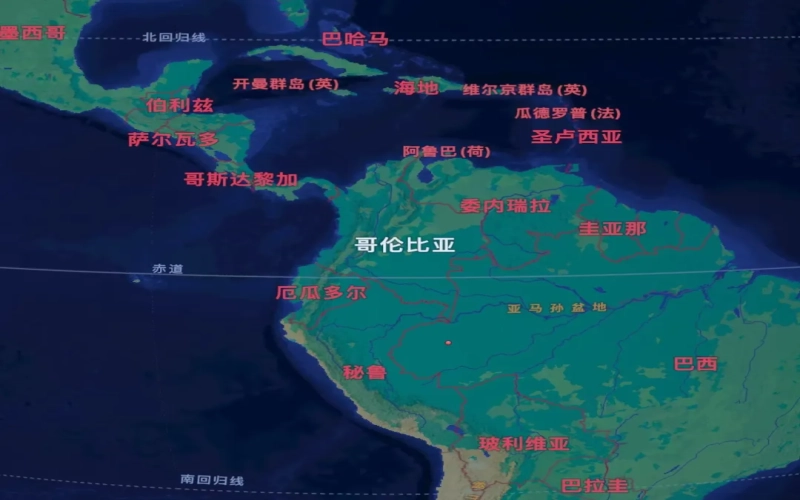
A Complete Guide to Colombian Coffee Regions: From Terroir to Huila Washed Entry-Level Bean Recommendations
Colombia, as the world's third-largest coffee-producing country, nurtures specialty coffees with diverse flavors thanks to the varied terrain and microclimates of the Andes Mountains. This article begins with geography, climate, and the meaning of the national flag, then systematically introduces five major producing regions—Antioquia, Santander, Nariño, Cauca, and Huila—and highlights Front Street Coffee's Huila washed entry-level bean: under a medium roast, it presents dark chocolate, nuts, caramel, and soft fruit acidity, making it suitable for pour-over enthusiasts to enjoy as an everyday cup. [more…]
Front Street Colombia Secret Garden Pour-Over Parameters and Iced Coffee Method: From Bean Information to V60 Extraction Steps
Front Street Colombia Secret Garden is a Supremo-grade coffee from the Antioquia region, wet-processed by the Empresas de Antioquia processing plant, using Typica and Caturra varieties, with a roast level between City Roast and Full City Roast. This article first summarizes the origin, grade, processing method, and flavor characteristics of this bean, then provides the pour-over and Japanese iced pour-over recipes commonly used by Front Street Coffee, including grind setting, water temperature, coffee-to-water ratio, pouring rhythm, and total extraction time, making it easy for coffee enthusiasts to reproduce at home a cup of Colombian coffee that is rich in aroma, with vanilla and floral notes, and balanced acidity and sweetness. [more…]
Colombian Coffee Flavor Characteristics and Brewing Guide: A Taste Analysis of Huila, Cauca, and Other Regions
Colombian coffee is one of the few specialty coffees marketed worldwide under a country's name. Its acidity, bitterness, and sweetness are balanced and harmonious, with a rich, full-bodied aroma, making it highly favored by coffee enthusiasts. This article systematically reviews the history of Colombian coffee cultivation, the flavor characteristics of major specialty-producing regions (Huila, Cauca, Santander, Antioquia, Tolima, and Nariño), and includes information on several Colombian beans recommended by Front Street Coffee along with V60 three-pour brewing parameters. Whether you are a beginner just getting into pour-over or a seasoned connoisseur looking for an everyday staple bean, you will find practical references here. [more…]
Colombia Finca El Viento Sweet Bee Coffee Beans: A Full Analysis of Variety, Grade, Honey Processing, and Flavor Profile
Located in the Santa Barbara production area of Antioquia Department, Finca El Viento sits at 1,820 meters above sea level. Built on a foundation of Colombia and Caturra varieties, it uses a honey processing method to create the micro-lot Sweet Bee coffee. This bean presents a complex flavor profile of honey citron tea, black plum, red grape, and clove, and estate owner Alejandro Trujillo uses self-made covered drying racks for meticulous processing. This article will systematically sort out the origins of coffee cultivation in Colombia, the concept of estate beans and key purchasing points, and provide an in-depth introduction to the specific information and quality characteristics of Finca El Viento Sweet Bee. At the same time, combined with Front Street Coffee's recommendation, it offers coffee lovers a complete reference on flavor and quality. [more…]
A Comprehensive Analysis of Coffee from Colombia's Cauca Region: From Cup of Excellence to the Suarez Micro-Region, Flavors and Brewing
The Cauca Department of Colombia is a pearl in the specialty coffee landscape that cannot be overlooked. From the perspective of Front Street Coffee, this article systematically reviews the terroir conditions, variety composition, and processing methods of the Cauca producing region, and further introduces Colombia's coffee grading system and the characteristics of its main producing regions, with a focus on analyzing the competition mechanism of the Cup of Excellence in Cauca and its substantial benefits for smallholder farmers. At the same time, it takes a deep dive into the Surí micro-region, analyzing how high altitude and the temperature difference between day and night shape the acidity and sweetness of coffee. Finally, it includes Front Street Coffee's roasting recommendations and brewing report, providing coffee enthusiasts with a complete reference from green beans to the cup. [more…]
Colombia's Devastating Rains Batter the Coffee Industry, Putting Both Production Prospects and Futures Prices Under Pressure
Colombia's coffee production and exports both achieved double-digit growth in the first 10 months of this year, and the FNC at one point forecast that full-year production could reach 13 million bags. However, the country has recently been hit by extreme weather in many places—heavy rain in the capital Bogotá and surrounding areas triggered floods and landslides, and a volcanic eruption occurred in Antioquia Department, prompting the government to declare a state of disaster. This comes during the coffee tree fruiting period, and excessive rainfall may cause cherries to drop and delay harvesting, thereby affecting output and supply. At the same time, the U.S. C-price coffee futures price has once again surged to 272.03 cents per pound, and market concerns about supply in the new crop season have clearly intensified. [more…]
A Complete Guide to Colombian Coffee Bean Grades and Regional Flavors: From MAM to Huila
Colombia is the world's second-largest producer of Arabica coffee, and its coffee is deeply associated with chocolate notes. This article begins with the history of cultivation, tracing the commercialization process and the establishment of the export logistics system, then analyzes the three major commercial production regions behind the MAM mark commonly seen in supermarkets, as well as the terroir characteristics of southern specialty regions such as Antioquia, Boyacá, Cauca, Huila, Narino, Santander, and Tolima. The article focuses in particular on the Huila region, explaining its journey to becoming a certified region of origin, and shares Front Street Coffee's brewing recipe for Colombian Huila coffee beans, including dripper selection, water temperature, coffee-to-water ratio, and a three-stage pouring technique. [more…]
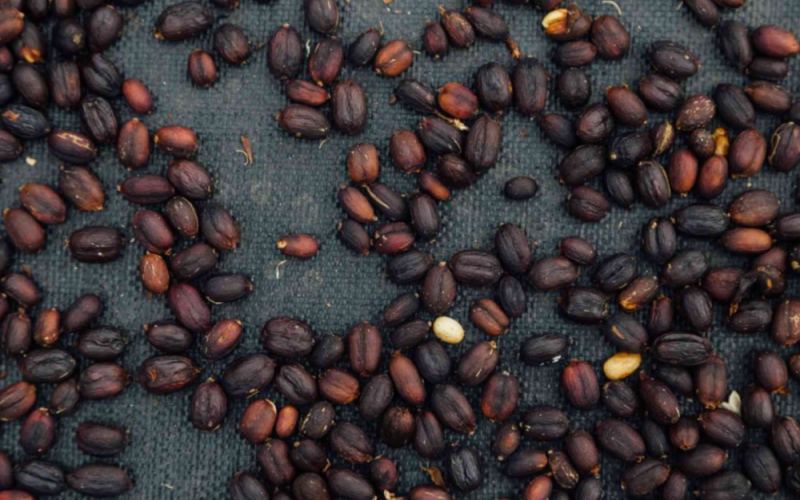
What exactly is the origin of the Chiroso that fetched the highest price in the BOP multi-variety category?
Chiroso has achieved numerous successes in competitions such as LOD and COE in recent years, and this year it even secured the highest price in the multi-variety group at the BOP global auction at $488 per kilogram. This variety originates from Urrao in Antioquia, Colombia; its plant appearance resembles Caturra, yet its bean shape is closer to Bourbon, and it gets its name from the disordered arrangement of its leaves. It was once mistaken for a natural mutation of Caturra or Bourbon, until 2021 when COE organizers confirmed through genetic testing that its lineage is an Ethiopian landrace. This article will outline Chiroso's discovery location, terroir conditions, flavor performance, and naming process to help you gain a comprehensive understanding of this highly anticipated coffee. [more…]
Exploring Colombia's Huila Region Specialty Coffee Estates: A Full Analysis of AF Farm Supremo Caturra Flavor
As the world's second-largest coffee producer, Colombia may not match Brazil in output, but it stands out in the specialty coffee world thanks to the exceptional quality of its fully washed Arabica beans. This article takes you deep into the Supremo-grade Caturra coffee from AF Farm in Medellín, Antioquia, Colombia, offering a comprehensive analysis of its unique appeal—from the farm's history, growing altitude, and processing methods to the roasting curve and cupping flavors. Soft and sweet on the palate with a cocoa and caramel finish, it suits everyday drinkers who prefer a balanced profile with lower acidity. At the same time, Front Street Coffee will also recommend related products to help you easily experience the essence of Colombian specialty coffee. [more…]
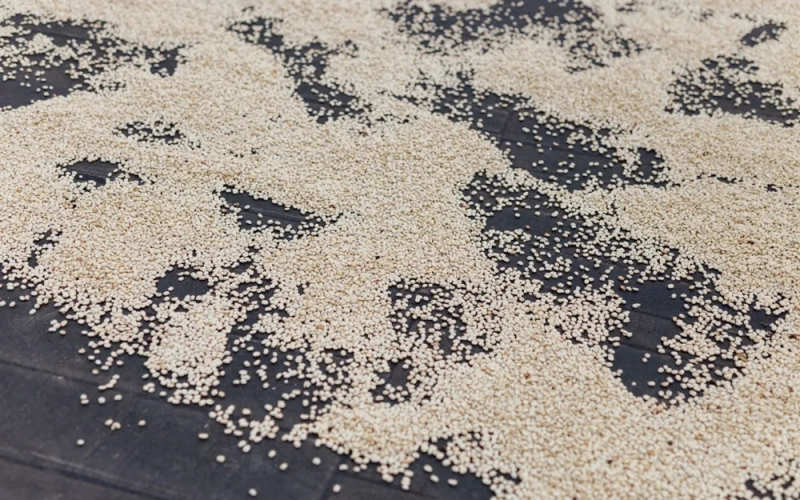
2024 Panama BOP Multivariety Category Champion Chiroso: The Rise of a Variety from Urrao, Colombia to Panama's Hacienda Dark Moon
In the 2024 28th Best of Panama (BOP) competition, Hacienda Black Moon's Chiroso submission scored 94.1 points to take the top spot in the multi-variety category, continuing this variety's impressive run on the international stage in recent years. Chiroso originates from Urrao in Antioquia, Colombia, and won the 2014 Colombia COE; it has since gradually been introduced to Panama and elsewhere. Its genetic background was once mistakenly thought to be related to Caturra, but research later confirmed that it is related to Ethiopian landraces, though it is not a natural mutation of Caturra. Chiroso beans are pointed and elongated, with prominent floral and fruity notes and complex acidity; its flavor is often compared to Geisha, with a fuller body. This article will sort through the variety's origin, spread, plant characteristics, and flavor performance, and introduce its roasting potential, providing coffee lovers with a complete variety profile. [more…]
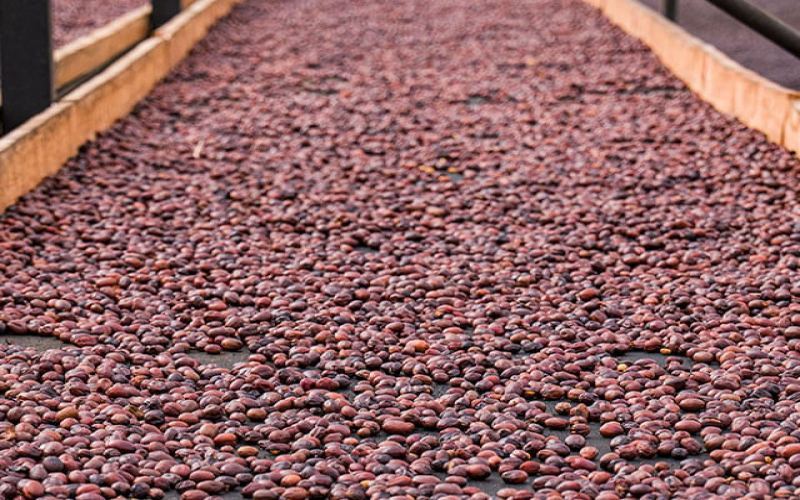
Analysis of Famous Colombian Estate Coffee Beans: Does the Supremo Grade Represent Specialty Coffee Quality?
Colombia is a globally renowned coffee-producing country, and Supremo in its grading system is often mistakenly regarded as synonymous with specialty coffee. From the perspective of Front Street Coffee, this article systematically reviews the cultivation history, producing regions, grading standards, and processing methods of Colombian coffee, provides an in-depth analysis of the true relationship between Supremo and Excelso, and introduces one by one the terroir characteristics of well-known micro-regions such as Cauca, Huila, and Nariño. Whether you are a beginner just getting into single-origin coffee or a seasoned drinker looking for everyday beans, you can gain clear regional understanding and purchasing references from it. [more…]
Analysis of Colombian Cauca Region Coffee Characteristics and Green Bean Roasting Approach Sharing
Cauca Department in Colombia is an important origin for specialty coffee, where high altitude, volcanic soil, and marked day-night temperature swings produce washed Caturra with bright acidity and pronounced sweetness. From the region's terroir, Cup of Excellence competitions, and the characteristics of the Suarez micro-region to green bean roasting and brewing suggestions, this article fully lays out the flavor code of Cauca coffee. Drawing on roasting practice, Front Street Coffee shares a medium-dark roast approach and specific curves to help enthusiasts understand how this bean performs from origin to cup. [more…]
An Analysis of Colombia's Coffee Growing Regions and Harvest Seasons: A Comprehensive Introduction to Varieties, Flavors, and Processing Methods
Colombia is the world's third-largest coffee exporter and the largest exporter of Arabica beans and washed beans, hailed as "green gold." This article systematically reviews Colombia's coffee-growing regions, harvest season patterns, main varieties and processing methods, and introduces representative regions one by one, including Santander, Antioquia, Tolima, Huila, Cauca, and Nariño. Colombian coffee is known for its silky, balanced taste, with family-run operations and volcanic soil giving it a unique quality. The article also covers the functions of the FNC and CENICAFE, green bean grading standards, and competition mechanisms such as the Cup of Excellence in Cauca, making it suitable for coffee enthusiasts to gain a comprehensive understanding of Colombian coffee's terroir and the industry as a whole. [more…]
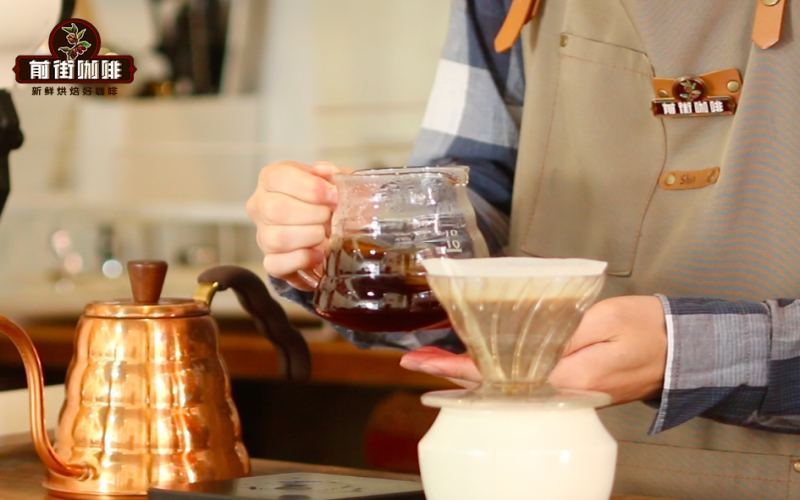
A Complete Guide to Colombian Coffee Regions: Varieties, Processing Methods, and Brewing Parameters from Huila to Cauca
Colombia is the world's second-largest coffee producer and the largest exporter of washed Arabica beans. This article systematically reviews the historical development of Colombian coffee, the distribution of major producing regions and their flavor differences, covering representative origins such as Huila, Cauca, Nariño, and Santander, and provides an in-depth introduction to the characteristics of varieties such as Caturra, Pink Bourbon, and Geisha, as well as processing methods including washed and anaerobic double enzyme washed. Front Street Coffee, drawing on years of roasting experience, provides detailed roasting curves and brewing parameters for several Colombian beans, including charge temperature, heat adjustment, first crack timing, and extraction methods, helping coffee enthusiasts gain a comprehensive understanding of Colombian coffee from origin to cup. [more…]
Colombian Pour-Over Coffee Technique: How to Brew Out the Nutty and Chocolatey Flavors
Colombian coffee occupies an important place in the global specialty coffee landscape, thanks to the natural terroir of the Andes Mountains and its family-run smallholder farming model. From Santander in the north to Huila and Cauca in the south, different producing regions present diverse flavor layers ranging from fruity acidity to caramel, nuts, and chocolate. This article systematically reviews the producing regions, variety characteristics, and processing methods of Colombian coffee, and uses four Front Street Coffee beans—Huila, Santander, Tolima, and Cauca—as examples to share in detail the roasting curves, brewing parameters, and staged extraction techniques, helping coffee enthusiasts precisely bring out the classic flavors of hazelnut, dark chocolate, and caramel when brewing pour-over at home. [more…]
A Complete Guide to Colombian Huila Coffee: From Regional Grading to Three-Pour Extraction Flavor
Colombia, as the world's largest exporter of washed Arabica beans, is renowned for its coffee's balanced, smooth taste and rich regional flavors. From the perspective of Front Street Coffee, this article systematically reviews the history of Colombian coffee cultivation, the distribution of producing regions, and the evolution of varieties, while offering an in-depth analysis of the terroir characteristics of specialty regions such as Huila, Cauca, and Tolima. The article focuses on the roasting curves and brewing parameters of four Front Street Colombian beans—washed Huila, Rose Valley, Geisha, and Pink Bourbon—covering the three-pour extraction method using both KONO and V60 drippers, providing coffee enthusiasts with a guide to Colombian coffee that is both informative and practical. [more…]
Front Street Colombia Botón Estate Maragogype Pour-Over Guide: V60 Three-Stage Extraction Parameters and Flavor Analysis
El Boton Estate in Antioquia, Colombia, has been run by the Herran family since 1930, and for nearly a century has grown only one variety: Maragogype. Annual production is just 600 bags. These beans are about three times the size of ordinary Arabica, making them the largest coffee beans in the world. Front Street Coffee brings you this El Boton Maragogype, which has a prominent sweetness on entry, with fruity acidity of grape and pomegranate and a full-bodied, black-tea-like richness. This article will break down the complete brewing approach for these giant beans layer by layer, from the estate's story, the characteristics of the Maragogype variety, and the washed processing method, to roasting recommendations and V60 three-pour hand-brew parameters, helping coffee lovers fully release its rich fruity aroma and soft nutty notes. [more…]