







Search Results for: Anaerobic Enzyme Washed
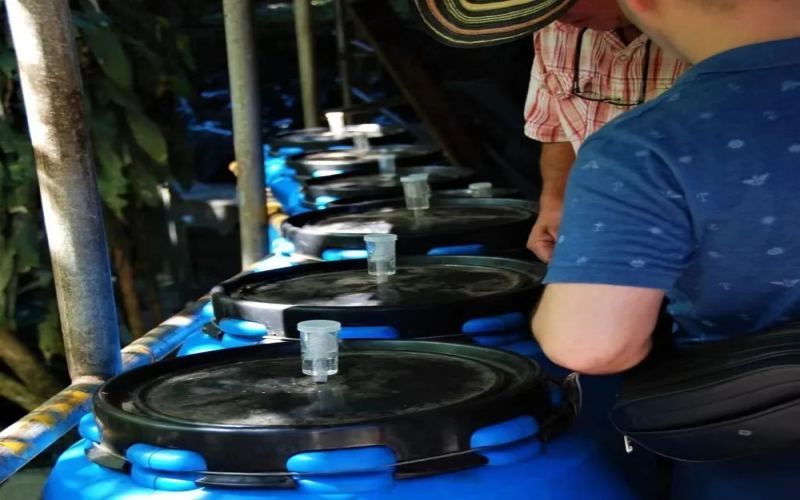
A Complete Guide to Coffee Enzyme Washed Processing: Anaerobic Fermentation Principles, Caturra Variety Characteristics, and Rose Valley Flavor
In the world of specialty coffee, innovative processing techniques are emerging one after another, with methods such as anaerobic fermentation, enzyme-assisted processing, and carbonic maceration gradually coming to the fore. This article focuses on anaerobic enzyme washed processing, a rather controversial method, analyzing it step by step—from the principles of fermentation, to the classic practice at Colombia's Finca El Diviso, to the botanical characteristics of the Caturra variety, and finally to Front Street Coffee's roasting and brewing approach. Through the representative product Rose Valley, readers can understand how double anaerobic enzyme washed processing affects coffee's acidity, sweetness, and overall flavor balance, and why it delivers a juice-like mouthfeel. [more…]
In-Depth Analysis of the Enzyme Washed Processing Method: From Anaerobic Fermentation to Rose Valley Flavor
In recent years, the coffee industry has seen the emergence of numerous innovative processing techniques, including anaerobic fermentation, enzyme addition, and carbon dioxide maceration, which have gradually secured a place in the specialty coffee sector. This article focuses on the enzyme-washed processing method, which has polarized opinions since its introduction. Now, Front Street Coffee will re-examine the unique aspects of this technique. Using the Rose Valley from Colombia's Big Tree Estate as a typical case, the article provides a detailed breakdown of the operational procedures and principles of anaerobic double enzyme washing, while also introducing the characteristics of the Caturra variety. It includes Front Street Coffee's roasting curve and brewing parameters, and finally offers a flavor description of this bean, helping coffee enthusiasts fully understand the origins, development, and tasting key points of this processing method. [more…]
Rose Valley Flower Moonlight Coffee Beans Pour-Over Guide: A Complete Analysis of Anaerobic Enzyme Washed and Natural Processing Methods
Coffee enthusiasts' taste demands are becoming increasingly refined. The original terroir flavors produced by traditional washed and natural processing methods can no longer satisfy diverse expectations, and various specialty processing methods have emerged as a result. From the perspective of Front Street, this article systematically reviews the principles and classifications of anaerobic fermentation processing, compares the differences between natural fermentation and temperature-controlled fermentation, and provides an in-depth analysis of three processing workflows: anaerobic natural, anaerobic washed, and anaerobic enzyme-washed. At the same time, using Front Street Huayueye coffee beans from the Huila region of Colombia and Rose Valley coffee beans from Big Tree Estate as examples, it presents a complete approach from green bean processing to roasting curve selection, and then to pour-over parameter development, helping readers understand how specialty processing methods shape the flavors in the cup. [more…]
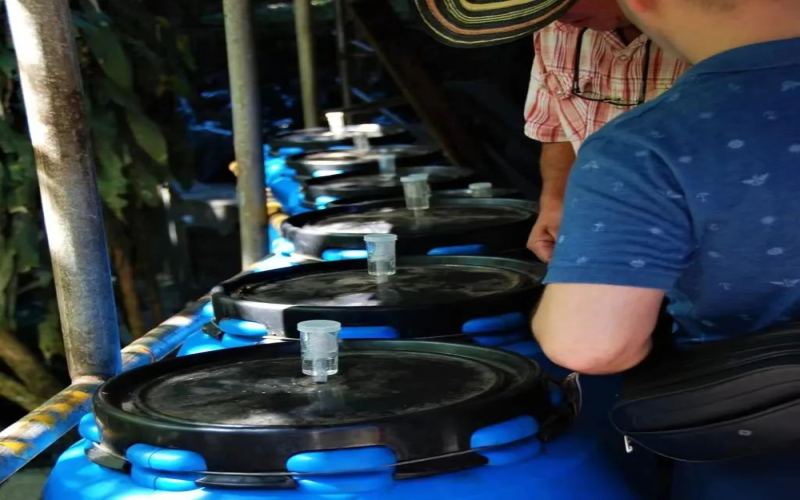
Coffee Enzyme Washed | What Is the Enzyme Washed Coffee Processing Method? How Does the Enzyme Washed Process Work? An Introduction to the Flavor and Taste Characteristics of Colombia Rose Valley Coffee
In recent years, there have been more and more innovative coffee processing methods, and new types of processing such as anaerobic processing, enzyme processing, and carbon dioxide maceration processing have begun to carve out a small niche for themselves. The enzyme-washed processing method that this article will introduce was met with mixed reviews when it first appeared, and now, years later, Front Street will take everyone back to observe this [more…]
Front Street Coffee Rose Valley Double Anaerobic Enzyme Washed Process Explained: A Complete Guide to Flavor Sources and Brewing Techniques
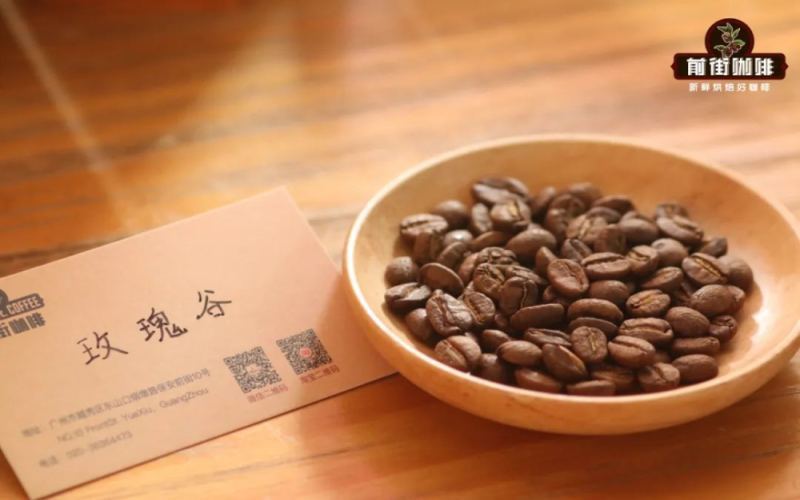
Front Street Rose Valley coffee beans have become a favorite among many coffee lovers thanks to their unique flavors of rose, peach, and liqueur chocolate. Where exactly does this bean's alluring aroma come from? The answer lies in the double anaerobic enzyme washed processing method it uses. This article will break down each stage of this processing method step by step, from the coffee cherry's first anaerobic fermentation to the coffee bean's second enzyme anaerobic stage, and then to the drying stage, helping readers understand the principles behind the formation of these special flavors. At the same time, in response to the brewing difficulties of this type of anaerobically processed coffee bean, the article will also share practical techniques such as grind size calibration, water temperature control, bloom assessment, and three-pour brewing, so that you can consistently bring out the rich fruity aroma and sweetness of Front Street Rose Valley at home. [more…]
Flavor Analysis of Colombia Granja El Roble Rose Valley Anaerobic Double Enzyme Washed Coffee and Front Street Coffee Recommendation
In the Santander region of Colombia, there is a Large Tree Estate run by the Vargas family for twenty years, producing a coffee named "Rose Valley," which undergoes a unique anaerobic double enzyme washed processing method. The estate only picks fully ripe, bright red cherries, which after washing enter the anaerobic fermentation stage, with a special enzyme blend added for a second fermentation, and finally are dried slowly at low temperatures to preserve delicate flavors. This coffee presents a complex layering of rose, strawberry jam, ripe peach, melon, magnolia, and wine-like aromas. Front Street Coffee particularly recommends this bean, and this article will take you into a deeper understanding of its origin background, processing techniques, and flavor characteristics. [more…]
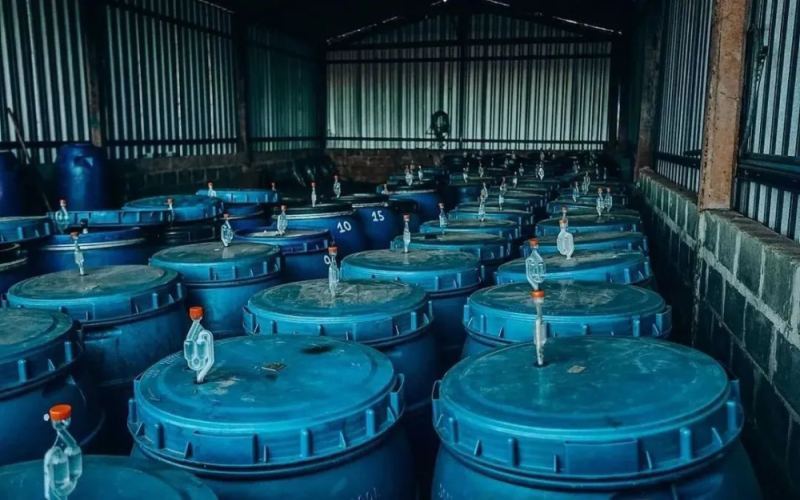
A Detailed Analysis of the Double Anaerobic Enzyme Washed Processing Method: Colombia Rose Valley Coffee Flavor and Brewing Guide
Special processing methods have been steadily gaining popularity in the coffee world. These processing methods give coffee beans a distinctive flavor signature and rich aroma, forming a strong contrast with traditional processing methods. This article uses Front Street Coffee's Colombia Rose Valley coffee beans as a sample to deeply analyze the principles and characteristics of the double anaerobic enzyme washed processing method. Starting from the basic concept of anaerobic fermentation, it gradually breaks down the specific process of double fermentation, and combines the growing background of Big Tree Estate and the characteristics of the Caturra variety to present the complete picture of this bean. At the same time, it also includes Front Street's recommended V60 brewing parameters and operating steps to help coffee lovers reproduce Rose Valley's peach, cranberry, and liqueur chocolate flavors at home. [more…]
Front Street Coffee Colombia Finca El Arbolito Rose Valley: The Flavor Code of Anaerobic Double Enzyme Washed Caturra
Colombian coffee has always been known for its bright fruity notes and fresh style, and a micro-lot from Front Street Coffee—Rose Valley from Big Tree Estate—uses an anaerobic double enzyme washed process to let the Caturra variety show a stunning sense of layering. This bean comes from the Santander region, at 1,700 meters above sea level, and is carefully managed by Vargas, who has run Big Tree Farm for twenty years. From picking fully red cherries to two rounds of anaerobic fermentation, then to fermentation with a special enzyme group and slow drying, every step creates its unique flavor that can rival Geisha. This article will take you deep into the origin background, processing method, and flavor performance of this Front Street Colombian Rose Valley, so you can feel the diverse charm of Colombian coffee. [more…]
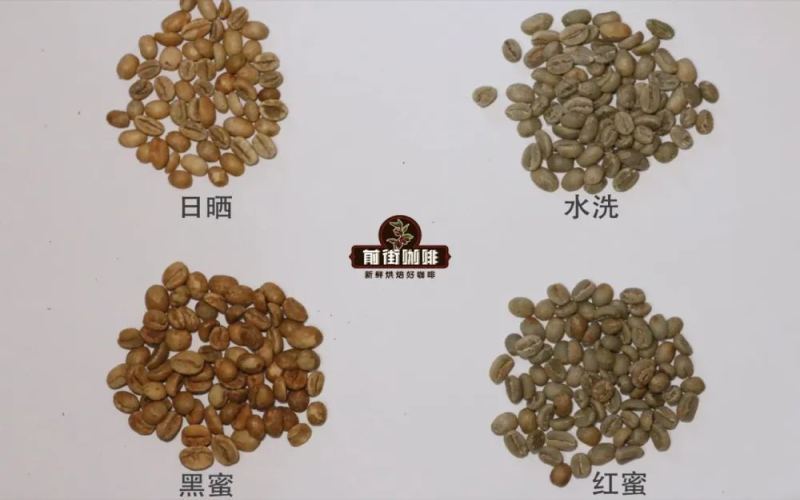
A Complete Guide to the Three Main Coffee Processing Methods: A Comparison of Natural, Washed, Honey, and Anaerobic Enzyme Processes
The flavor of coffee depends to a large extent on how the green beans are processed. Natural, washed, and honey processing, as the three classic methods, each present distinctly different flavor directions. In addition, enzyme processing and anaerobic fermentation have gradually entered the public eye in recent years, adding more possibilities to coffee. Front Street Coffee believes that using such fermentation techniques in moderation to create distinctive flavors is worthy of recognition, but if they are used to mask defects in the coffee beans themselves, that deviates from the original purpose of the processing method. This article will systematically sort out the specific procedures and flavor characteristics of these processing methods, and combine them with representative products on the Front Street coffee list to help coffee lovers build a clearer understanding. [more…]
Colombia Rose Valley Coffee Beans: Origin Characteristics and Anaerobic Double Enzyme Washed Flavor Analysis
Colombian coffee is known for its diverse styles and bright fruity notes, and is one of the few single-origin coffees in the world sold under a country name. This article focuses on Front Street Colombia Finca El Arbol Rose Valley, analyzing its cultivation background in the Santander region, Caturra variety, 1,700-meter altitude, anaerobic double enzyme washed processing, and slow drying techniques, breaking down its complex aromas of white peach, strawberry, melon, rose, and champagne, while presenting its creamy toffee-like silky mouthfeel, to give you an understanding of the flavor sources and origin strength of this small-yield star bean. [more…]
Colombia Finca El Arbol Rose Valley: Anaerobic Double Enzyme Washed Pour-Over Flavor and Brewing Analysis
Colombian coffee has long been renowned for its high quality, and in recent years it has continuously experimented with innovative processing methods, bringing astonishing aromatic expressions. The coffee that Front Street Coffee is introducing this time is precisely such a specially processed bean—Front Street Colombia Dashi Estate Rose Valley. It comes from Dashi Farm in the Santander region, uses anaerobic double enzyme washed processing, is of the Caturra variety, and is grown at an altitude of about 1,700 meters. Beyond the ripe fruit notes of peach, strawberry, and honeydew melon, this bean also carries rose floral aromas and champagne-like notes, drinking more like a glass of juice. This article will review its producing region, estate, processing method, and variety background, provide Front Street's roasting recommendations and brewing parameters, and explain its actual flavor performance. [more…]
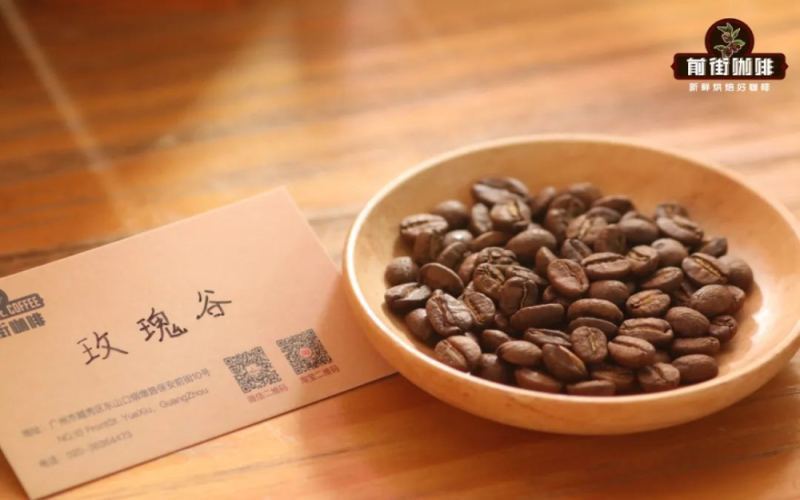
Front Street Coffee Rose Valley Pour-Over Tips: Flavor and Brewing Points of Colombian Double Anaerobic Enzyme Washed Coffee
Front Street Coffee's Rose Valley, a Colombian coffee bean, is unforgettable from the first sip thanks to its distinct peach flavor, and its unique taste comes from a double anaerobic enzyme wash processing method. However, getting the ideal result when brewing this type of anaerobic bean is no simple task—the grind setting, water temperature, and pouring rhythm all need targeted adjustments. This article starts with the principles of anaerobic fermentation and, combined with Front Street's hands-on experience, breaks down the key points of brewing Rose Valley by hand one by one, including how to calibrate the grind size with a sieve, why the water temperature should be controlled at 90-91°C, and the specific parameters for a three-stage pour, helping you consistently reproduce that cup of Rose Valley with floral notes and fruity sweetness. [more…]
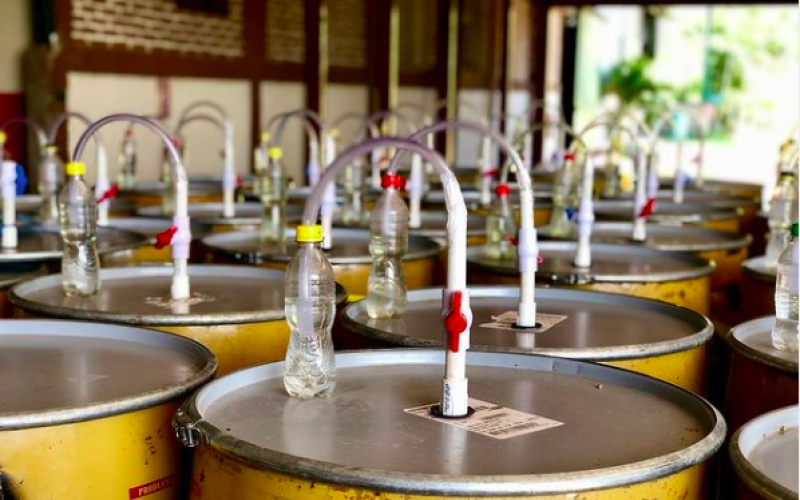
Analysis of the Principles of Enzyme Processing for Coffee Beans: A Complete Guide to the Differences Between Natural, Washed, and Honey Processes
The processing method of coffee beans directly determines the flavor direction of the final cup. Washed, natural, and honey—the three classic processes—each have different fermentation paths and flavor expressions. The enzyme processing method that has emerged in recent years introduces specific microbial strains for anaerobic fermentation on the basis of washed processing, in order to create more distinctive flavors. How exactly is this processing method carried out? And what are the essential differences between it and the three traditional processing methods? This article will break down the process details of each method one by one, and combine them with a number of representative beans from Front Street Coffee to help readers build a systematic understanding of coffee processing methods. [more…]
Colombian Rose Valley Anaerobic Double Enzyme Washed Coffee Beans: Full Analysis of Santander Finca El Arbol Flavor and Brewing
In recent years, peach oolong tea-flavored beverages have become hugely popular, and many coffee lovers are on the hunt for coffee beans with a juicy peach aroma. The Colombia Rose Valley launched by Front Street Coffee is exactly such a bean—one sniff and you're smitten. It comes from Finca El Arbol in the Santander region of Colombia, uses an anaerobic double enzyme washed process, and is of the Caturra variety. This article provides a comprehensive introduction to this bean's regional background, the estate's processing methods, variety characteristics, Front Street's roasting records and cupping performance, and offers grind size calibration, water temperature control, and three-pour brewing suggestions specifically for anaerobic beans, helping you fully unlock its captivating flavors of peach, rose, and liqueur chocolate. [more…]
Flavor Characteristics and Origin Analysis of Colombia Santander El Árbol Estate Double Anaerobic Enzyme Washed Coffee
The Santander region in northern Colombia, with its unique terroir, nurtures coffee beans with distinctive flavors, renowned for their rich body, lingering aftertaste, and unique herbal aroma. Located in this region, Dashu Estate sits at an altitude of 1,700 meters, cultivates the Caturra variety, and employs a double anaerobic enzyme washed processing method, endowing the coffee beans with a richly layered taste experience. This Colombia Dashu Estate coffee brought by Front Street Coffee has a powerful aroma, moderate acidity, and a mellow body, presenting a unique flavor of grass and fresh green plants. This article will provide a detailed interpretation of the region's background, estate information, processing techniques, and cupping performance, taking you through a comprehensive understanding of the charm of this coffee. [more…]

Where Does the Aroma of Colombia Rose Valley Coffee Come From? Analyzing the Role of Volcanic Soil and Anaerobic Enzyme Washed Flavor Formation
Front Street Colombia Rose Valley has become a highly talked-about coffee on the bean list thanks to its signature flavors of peach, cranberry, liqueur chocolate, and rose florals. Where exactly does its intense aroma come from? Is it a flavored bean? This article traces the real causes of Rose Valley's flavor step by step, from the volcanic soil of the Santander growing region and the characteristics of the Caturra variety to the anaerobic enzyme washed processing method that rose to prominence after 2014, and includes Front Street Coffee's in-store V60 brewing parameters and three-pour extraction steps to help you recreate at home that cup combining berry-like acidity with caramel sweetness. [more…]
Colombia Rose Valley Coffee Beans Flavor Analysis: A Brewing Guide to the Anaerobic Enzyme Washed Process with Rose and Peach Aromas
Colombian Rose Valley coffee beans are highly favored by coffee enthusiasts for their unique rose and peach flavors. This article starts with the current state of Colombia's coffee-producing regions, then takes a deeper look at the growing background of the Santander region and Finca El Arbol, breaks down the characteristics of the Caturra variety and the anaerobic enzyme washed processing method, and shares Front Street Coffee's roasting insights, cupping report, and staged brewing plan. Whether you want to understand Colombia's coffee production trends or master the brewing techniques for this floral-and-fruity coffee, this article offers professional and practical reference. [more…]

An In-Depth Analysis of Costa Rica Dota Goddess Estate Geisha: Anaerobic Enzyme Washed and a Complete Flavor Record
This article focuses on the Dota Goddess Estate in Costa Rica's Tarrazú region, offering an in-depth analysis of the unique charm of its Geisha variety. From the terroir of the origin, the estate's history, to the anaerobic enzyme washed processing method, and on to green bean analysis, roasting curves, and cupping and brewing, it presents the complete flavor profile of this coffee. The Front Street Coffee roaster adopts a high-temperature fast-roast strategy to highlight its rose aroma, lemon, and honey sweetness. For pour-over, a V60 dripper is recommended, using staged extraction, ultimately yielding a cup of refreshing, sweet fruit tea. [more…]
Which coffee has an outstanding flavor? Colombia Rose Valley bean variety analysis and a full overview of its regional characteristics
Colombia Rose Valley is a specialty bean that has attracted much attention from coffee lovers in recent years, impressing with its complex aromas of peach, rose, and liqueur chocolate. This bean comes from Finca El Arbol in the Santander region and is processed using double anaerobic enzyme fermentation, presenting a black grape-like sweet-tartness and a creamy toffee-like smooth texture. This article will guide you through a comprehensive understanding of this Rose Valley recommended by Front Street Coffee—from bean variety information, processing methods, regional terroir, and the overall characteristics of Colombian coffee—as well as how it differs from ordinary Colombian coffee beans. [more…]
Colombia Rose Valley Double Anaerobic Coffee Explained: Santander El Arbol Estate Caturra Flavor and Processing Craft
Colombian coffee is renowned worldwide, named after its country. Thanks to its exceptional geographical and climatic conditions, it cultivates a distinctive acidity and full-bodied richness, earning widespread acclaim for its quality. This article focuses on Front Street Coffee's Colombia El Vergel Estate Double Enzyme Washed Rose Valley, providing an in-depth introduction to its producing region of Santander, the estate's management philosophy, the anaerobic processing technique, and the flavor characteristics of the Caturra variety. This bean delivers aromas of ripe fruits such as peach, strawberry, and melon, interwoven with notes of rose and champagne, offering a rich and layered taste experience that coffee enthusiasts will savor. [more…]