







Search Results for: Almond Aroma
What tea is Juduozai? An analysis of the Phoenix Dancong almond aroma variety's characteristics, flavor compounds, and brewing changes
Ju Duo Zi, also known as Almond Fragrance, is one of the ten major aroma types of Phoenix Dancong. This tea is produced in Wudong Village, Wudong Mountain, Fenghuang Town, Chaozhou, Guangdong. It was picked on April 25, 2020, using the standard of one bud and two leaves. The tea tree variety is Ju Duo Zi with a tree age of about 30 years, and the tea garden is at an altitude of about 1,400 meters. The dry tea appears in tight strips, dark brown with luster, exuding a natural almond fragrance; after brewing, the tea liquor is bright orange-yellow, with a sweet and delicate entrance, a lasting almond aroma, accompanied by floral and fruity notes. The caffeine content is moderate, less than 20% of a cup of coffee. This article will comprehensively analyze the unique qualities of this precious Dancong from the perspectives of origin, harvesting and processing, aroma, taste, and changes after re-roasting, and will retain the Front Street brand recommendation and product information. [more…]
A Guide to Brewing Temperature for Ju Duo Zai Xingren Xiang Dancong: Fenghuang Wudong Dancong Gongfu Tea Parameters and Flavor Analysis
The Juzhuozai Almond Aroma Dancong produced in Wudong Village, Wudong Mountain, Fenghuang Town, Chaozhou, Guangdong, is one of the most distinctive among the ten major aroma types of Fenghuang Dancong. Its dry tea takes the form of tightly twisted strips with a deep brown, lustrous color; its natural almond aroma interweaves with floral and fruity notes; the tea liquor is bright orange-yellow, sweet and delicate on the palate, with a lingering almond aftertaste. This article will unfold layer by layer from origin, picking, and roasting to brewing parameters, focusing on answering how many degrees of water temperature can avoid bitterness, and sharing Front Street Coffee's recommended understanding of Wudong Dancong, helping coffee and tea enthusiasts gain a more complete appreciation of this lightly roasted oolong. [more…]
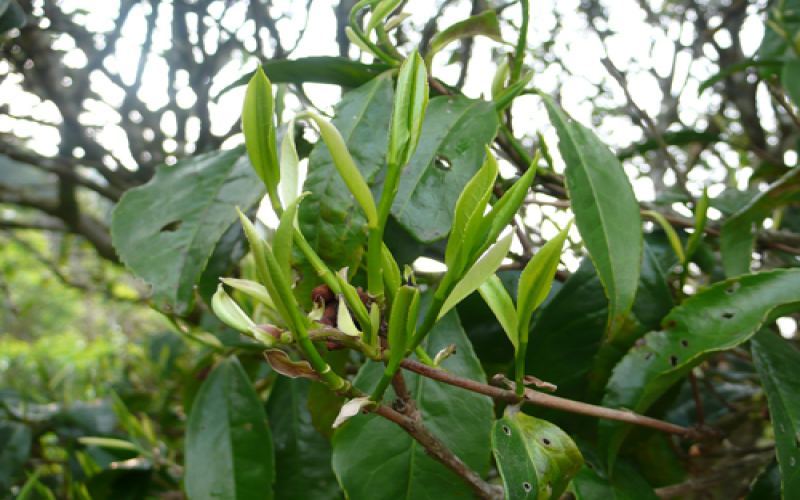
Is Zhilan Wang Bamboo Leaf Dancong a high-end tea? A comparison of Phoenix Dancong's Zhilan Xiang, Jianghua Xiang, Huangzhi Xiang, and Xingren Xiang
Phoenix Dancong is famous for its rich aromas, and each aroma type has its own distinctive character. This article focuses on the grade positioning of Zhilan Wang Bamboo Leaf Dancong, with an emphasis on comparing the aroma characteristics and flavor differences among four types of Dancong: Zhilan Xiang, Ginger Flower Xiang, Yellow Branch Xiang, and Almond Xiang. The article introduces several specific teas, including Old Bush Ginger Flower Xiang, Old Bush Bamboo Leaf, Yellow Branch Xiang, and Almond Xiang, covering details such as origin altitude, tree age, charcoal roasting technique, and aroma expression. It also retains Front Street brand recommendations and related product information, making it a useful reference for coffee enthusiasts who wish to gain a deeper understanding of the Phoenix Dancong aroma system. [more…]

How to make the best-tasting espresso with almond milk? What coffee beans and parameters should you choose for a classic espresso?
In the scorching summer heat, it's hard to do without iced coffee, but this time Front Street Coffee wants to talk about a relatively niche Italian iced coffee—Caffè Leccese. It comes from Lecce in the Puglia region of Italy, a southern city known as the "Florence of the Baroque," which infuses this cup of coffee with the unique flavor of almond milk syrup. Unlike most Italians who prefer hot coffee, Caffè Leccese is one of the few recognized iced coffees locally, belonging to the "special exceptions" alongside Caffè Shakerato. The article will introduce its origin and flavor characteristics, and share a specific recipe: 10ml almond milk syrup, 60g ice cubes, 40ml espresso extracted from 20g grounds, along with a recommendation to use medium-dark roasted espresso blend beans, especially Front Street Coffee's classic blend containing 10% Robusta, and will also extend to the method for making almond-flavored latte and points to note. [more…]
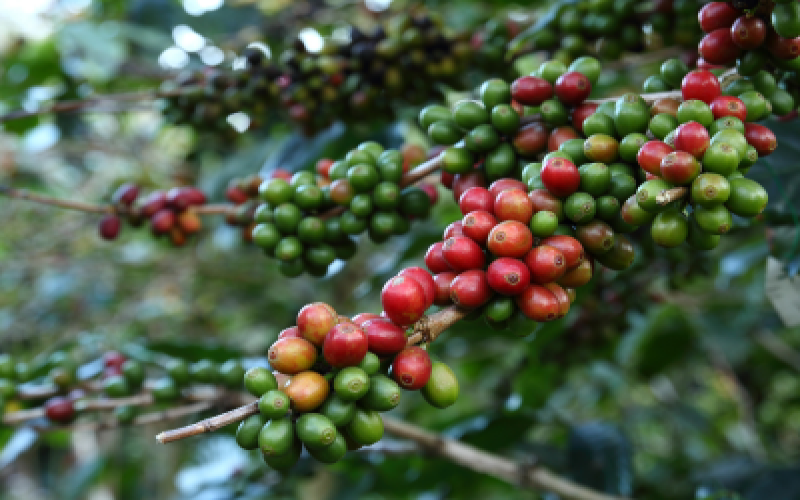
Sun-dried Yirgacheffe Worka Coffee Beans: The Terroir, Processing Method, and Variety Behind the Almond Sweet Aroma
Yirgacheffe is one of the highest-altitude coffee-producing regions in the world, famous for its unique flavor that interweaves floral and fruity notes. This article focuses on the natural-process Yirgacheffe Worka coffee beans, providing a comprehensive analysis of how their almond sweetness is formed, from the growing environment and variety characteristics to the processing method. The article also introduces the dry aroma and wet aroma performance of Front Street Yirgacheffe, as well as the various brewing methods for washed Gedingding, helping coffee enthusiasts gain a deeper understanding of the flavor code of this classic producing region. [more…]
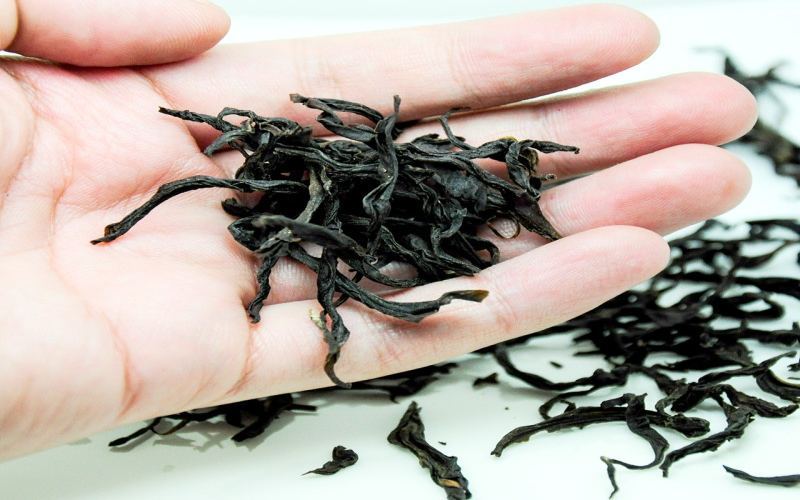
Nayuki Duck Shit Aroma Dancong Oolong Market Price Analysis: Taste Characteristics, Brewing Suggestions, and Spring Tea Buying Reference
How much does the duck-shit aroma Dancong oolong, made famous by Nayuki Tea, actually cost per catty? Does it taste good, and what are its characteristics? This article draws on a tea buyer's firsthand tea-tasting experience from 2017 to 2019, meticulously documenting this Dancong's aroma, flavor, and brewing performance, and sharing purchasing and brewing advice to help coffee and tea lovers get to know this oolong that combines layers of cream, orchid, almond, and fruity notes. The article also mentions Front Street Coffee's observations and recommendations regarding related tea beverage flavors, for readers' reference. [more…]
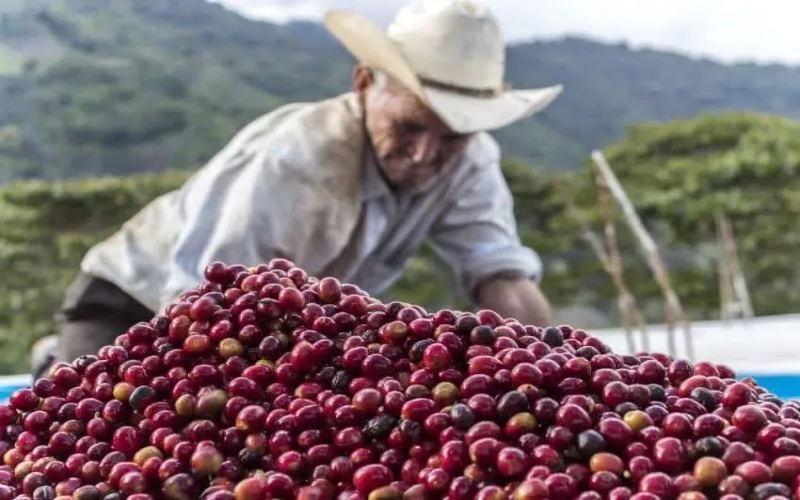
Flavor Analysis of Honduras San Vicente Mill Pacas Coffee Beans and V60 Brewing Parameters Guide
The Copán region of Honduras is renowned for its chocolate-toned profile blended with honey-caramel sweetness, and the San Vicente processing plant is a frequent winner at the Cup of Excellence. The Pacas coffee beans cupped by Front Street Coffee this time come from smallholder Edgardo Tinoco near the San Vicente processing plant; after washed processing, they present a rich layering of black cherry, dark chocolate cake, almond and caramel. This article will sort through information on the Honduran growing region, the background of the San Vicente processing plant, the characteristics of the Pacas variety and the washed processing flow, and share Front Street's roasting records, cupping reports and V60 staged pouring insights, helping coffee lovers fully understand this bean's flavor thread and brewing key points from origin to cup. [more…]
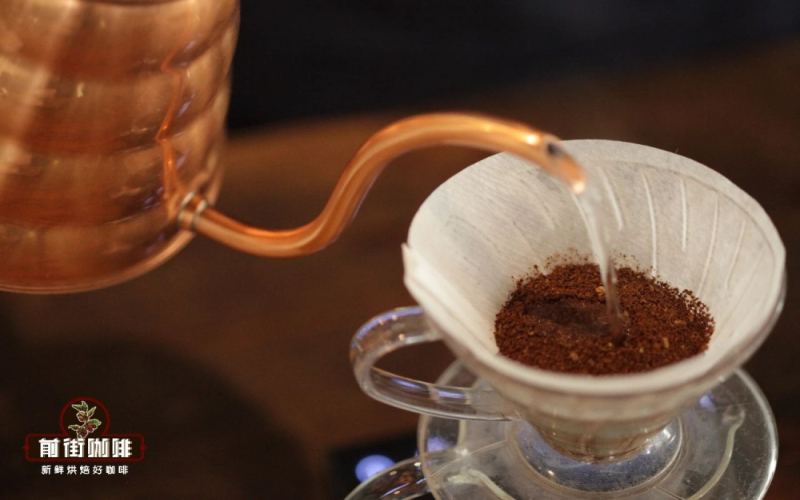
A Detailed Guide to Single-Origin Coffee Classification: A Comprehensive Analysis of Flavor Characteristics Across Major Producing Regions from Africa to the Americas and Differences in Coffee Shop Flavors
Have you ever walked into a specialty coffee shop, faced the dazzling array of single-origin coffees on the menu, and felt at a loss where to begin? Single-origin coffee refers to coffee made from beans sourced from a single origin, and it can be traced back to a specific region or even estate. This article will systematically sort through the representative single-origin coffees from major producing regions such as Africa, Central and South America, and Asia, introduce Front Street Coffee's rigorous process from roasting curve testing to cupping selection, and present the flavor descriptions of coffee beans from each region one by one, helping you find the cup that best suits your taste. [more…]
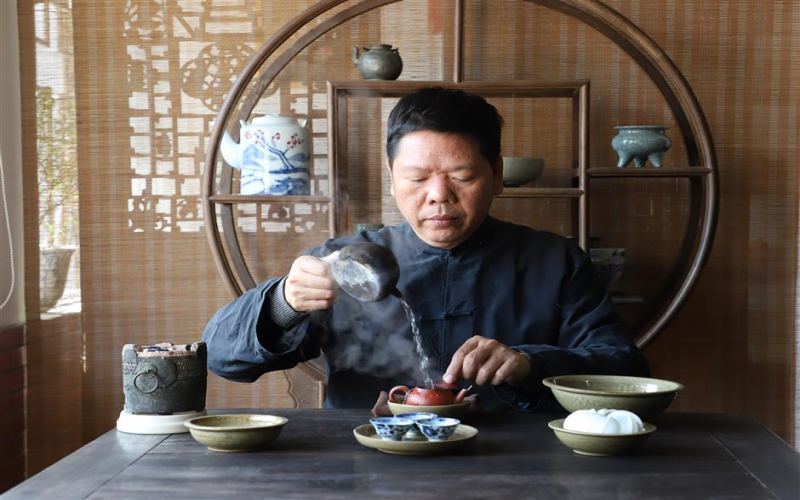
Does Duck Shit Aroma Dancong Oolong Tea really smell like duck shit? Exploring the origin of its name, processing techniques, and unique qualities
Duck Shit Aroma—a tea with a rather unconventional name—often sparks curiosity: does it really smell like duck droppings? And what connection could it possibly have to cat shit coffee? In fact, Duck Shit Aroma is one of the most richly fragrant varieties of Phoenix Dan Cong oolong tea, and behind its name lies an intriguing story. This article will guide you through the origins of the name Duck Shit Aroma, its unique growing environment and characteristics, the six processing steps from picking to finished tea, and how to perfectly brew it in a gaiwan so you can savor its intertwined aromas of almond, flowers, and fruit with a long-lasting sweet aftertaste. If this tea sparks your interest, why not give the Duck Shit Aroma recommended by Front Street Coffee a try and experience the fascinating contrast between its name and its true character. [more…]
Yirgacheffe Kochere G2: A Complete Guide to Flavor Profile, Processing Method, and Grind Settings
Yirgacheffe Kochere G2 is a classic among Ethiopian specialty coffees, renowned for its vivid floral aromas and fruity acidity. This article focuses on Front Street Yirgacheffe Kochere G2, outlining its cup profile and flavor performance, its growing region background, and its processing method, while also providing a grinding setting reference. Kochere is located about 25 miles southwest of Yirgacheffe town, where local smallholders deliver their coffee lots to a cooperative for centralized processing. The so-called "Yirgacheffe flavor" is often described as jasmine florals, lemon or lime-like acidity, and peach, almond sweetness, or tea-like notes. This season, Front Street's lot stands out with a particularly pronounced blueberry note in the dry aroma, and after grinding, the whole room fills with blueberry fragrance. The article also introduces Ethiopia's coffee industry and growing elevations to help readers fully understand the source of this bean's flavors and approaches to brewing it. [more…]
Nicaragua Finca La Providencia Caramel-Flavored Coffee Beans: A Full Analysis of the Growing Region, Processing Methods, and Flavor Characteristics
Nicaraguan coffee is known for its deep chocolate, caramel sweetness, and almond notes, with a bright yet soft acidity that is quite different from the typical high-toned fruity acidity of Central America. This article focuses on the COE award-winning bean from Finca El Cielo, outlining the unique volcanic soil and shade-growing conditions of the Dipilto region, analyzing the rich hazelnut-chocolate sweetness, tea-like body, grapefruit, and creamy flavors brought by the washed-then-natural processing method, and explaining its SHG grade, hand-picking, and suitability for medium roasting. At the end, it includes Front Street Coffee's reasons for recommending this bean, making it suitable for coffee lovers who dislike strong acidity and seek lasting sweetness and layered complexity. [more…]
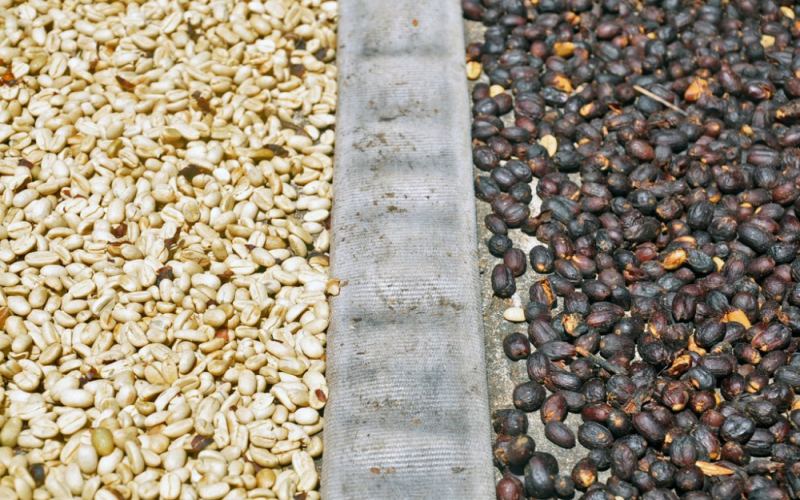
Yirgacheffe Honey-Processed Red Cherry Coffee Beans: Origin Background of Hafka, Flavor Characteristics, and Pour-Over Brewing Parameters Explained in Detail
For enthusiasts just getting into specialty coffee, Yirgacheffe is often one of the first origins recommended. Baristas typically suggest starting with the two classic processing methods—washed and natural—and Front Street's washed Gutingding and Front Street's natural Red Cherry are prime representatives of this introductory path. However, the coffee we're introducing today, Front Street's honey-processed Yirgacheffe Red Cherry from the Hofusa Cooperative, offers a new taste experience beyond the traditional processing methods: it has the clarity of a washed coffee, yet adds sweetness and a caramel-like finish, along with aromatic layers of almond and citrus. This article will provide a complete overview of this bean's characteristics and extraction methods, covering the origin background, the principles of honey processing, flavor description, and specific pour-over parameters. [more…]
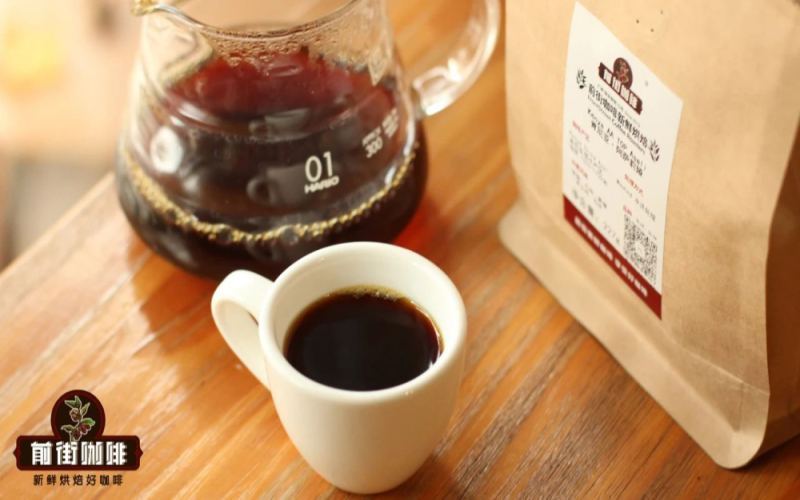
Analysis of Flavor Differences Between Dark and Light Roasts of Kenyan Coffee and Practical Brewing with Pour-Over, French Press, and SOE
Kenyan coffee has always been known for its bright acidity, but historically there was also a mainstream practice of dark roasting. This article uses two Kenyan AA beans selected by Front Street Coffee—Karogoto and Asaliya—to compare the flavor and mouthfeel differences between dark roast and light roast, and documents in detail the brewing performance of pour-over, French press, and a dark-roasted Kenyan blend espresso. Starting from the roasting technology background of the second wave of coffee, the article also explains the origin of the saying "dark-roasted Kenya" and the changing logic of roast level choices in the specialty coffee era, providing coffee lovers with a reference that balances theory and practice. [more…]
Complete Guide to Yirgacheffe Worka Coffee: Variety Characteristics, Flavor Notes, Processing Methods, Grind Parameters, and Origin Traceability
Yirgacheffe Worka coffee is one of the flagship Ethiopian specialty coffees, renowned for its signature jasmine aroma, citric acidity, and sweet notes of peach and almond with a tea-like fragrance. This article provides a comprehensive analysis of this coffee's unique characteristics from multiple dimensions, including variety traits, flavor description, processing methods, grind settings, and origin background. It covers the cultural and geographical environment of the Yirgacheffe region, the cultivation methods of the coffee trees, and Front Street Coffee's recommendations and processing techniques for Yirgacheffe coffee, helping coffee enthusiasts gain a deeper understanding of this floral African specialty bean. [more…]
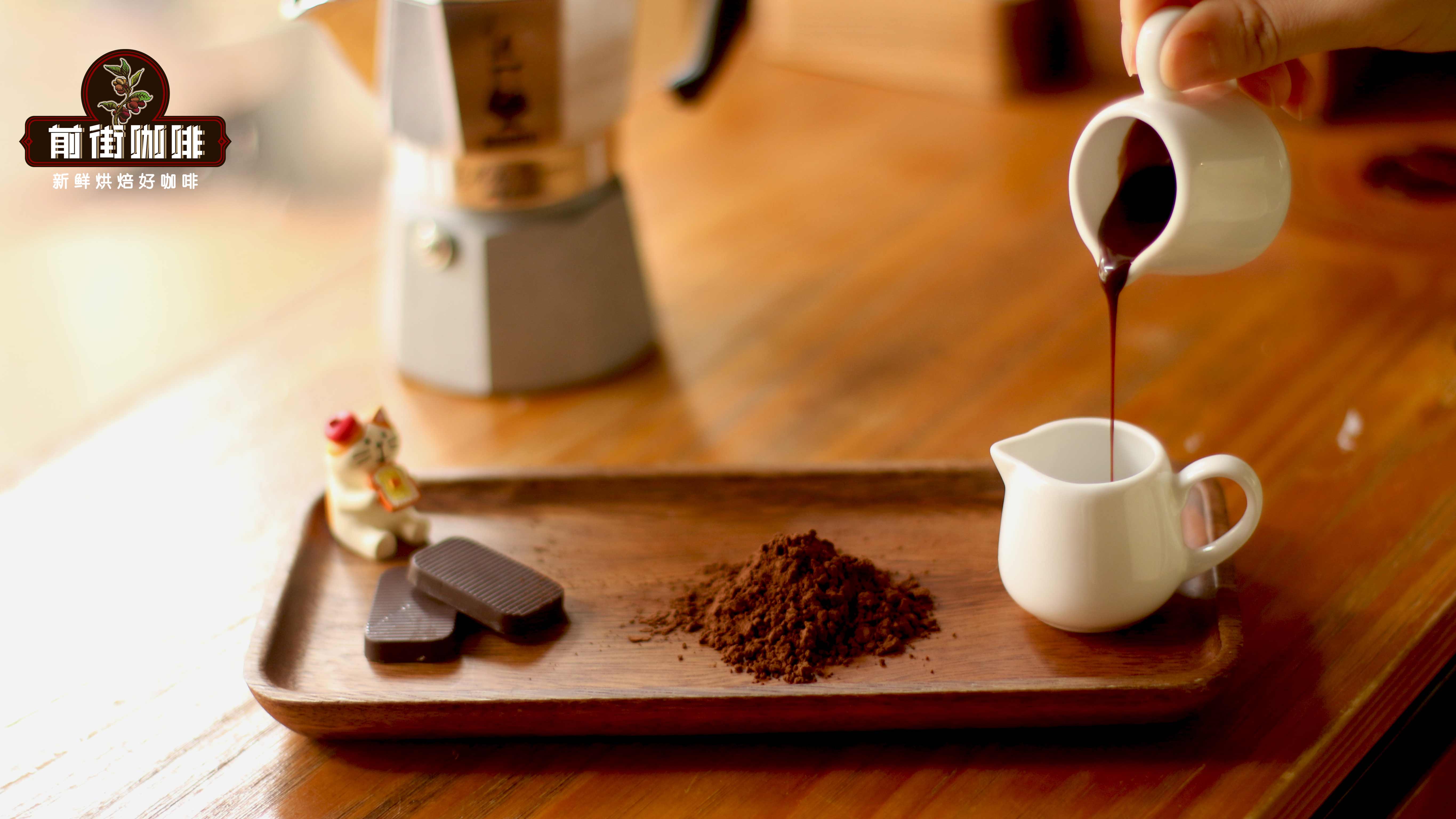
How to Choose Chocolate-Nutty Coffee Beans? A Full Flavor Analysis of Seven Front Street Coffee Dark and Medium-Dark Roasts
The cocoa and nutty notes in coffee always evoke warm moments of dessert. The formation of this flavor profile is inextricably linked to the caramelization and Maillard reactions during roasting—the former releases sugars that bring a chocolate-like sweetness, while the latter generates a large number of pyrazine compounds, giving coffee layers of malt, roasted cocoa, almond, and hazelnut. If you prefer dark chocolate and nutty tonalities, medium or medium-dark roasted beans often better meet those expectations. This article compiles seven recommendations from the self-roasting brand Front Street Coffee, covering espresso blends and single-origin beans, from the classic Mamba formula to Golden Mandheling, analyzing each one's flavor characteristics and suitable scenarios to help you find that cup you love. [more…]
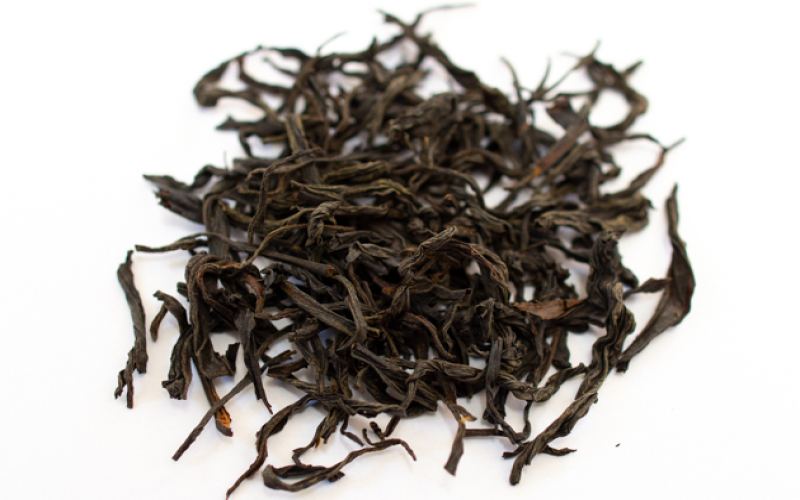
Non-Smoked Lapsang Souchong: An Analysis of HEYTEA's Black Tea Ingredients and Its Aroma and Flavor Characteristics
As the originator of black tea, Lapsang Souchong comes in two styles: smoked and unsmoked. Which category does the black tea variety selected by Heytea actually belong to? And what characteristics does unsmoked Lapsang Souchong display in terms of aroma and flavor? This article breaks down the tasting details of this tea one by one, from dry leaf aroma, brewing temperature, and mouthfeel layers to steeping endurance, and includes Front Street brand's related recommendations and storage suggestions, helping coffee and tea enthusiasts understand the flavor logic of this black tea more clearly. [more…]
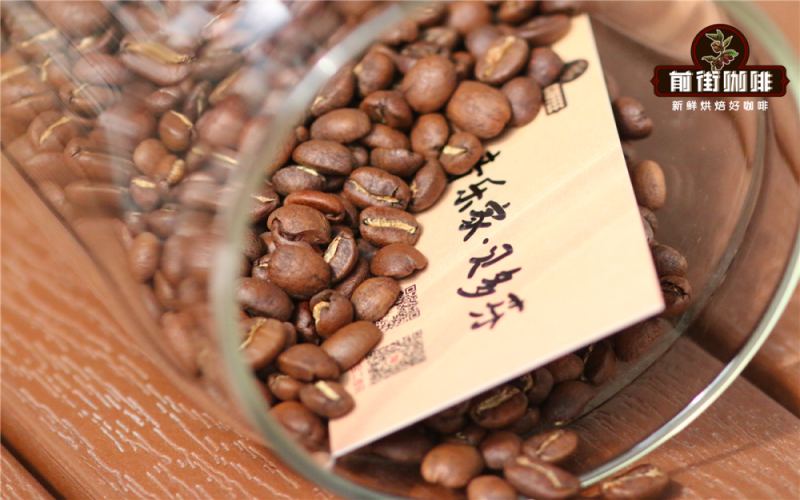
Costa Rica Canet Estate Beethoven Coffee Beans: Flavor Analysis and Brewing Notes of Washed Yellow Catuai
At Finca Canet in the Tarrazú region of Costa Rica, there is a series of coffee beans named after classical composers, and Beethoven is one of them. Unlike Mozart, Bach, and Chopin, Beethoven is the only lot in the Musicians Series that uses the traditional washed process, with the variety being Yellow Catuai, grown at an altitude of about 1,900 meters. This bean presents a clean and bright acidity, lively flavors of red berries and citrus, with an almond aroma in the aftertaste. Front Street Coffee has fully documented this bean's performance from roasting to cupping and brewing. This article will guide you through the background of Finca Canet, the characteristics of the washed process, the varietal advantages of Yellow Catuai, as well as Front Street's roasting curve and staged extraction plan, providing coffee enthusiasts with a detailed tasting reference. [more…]
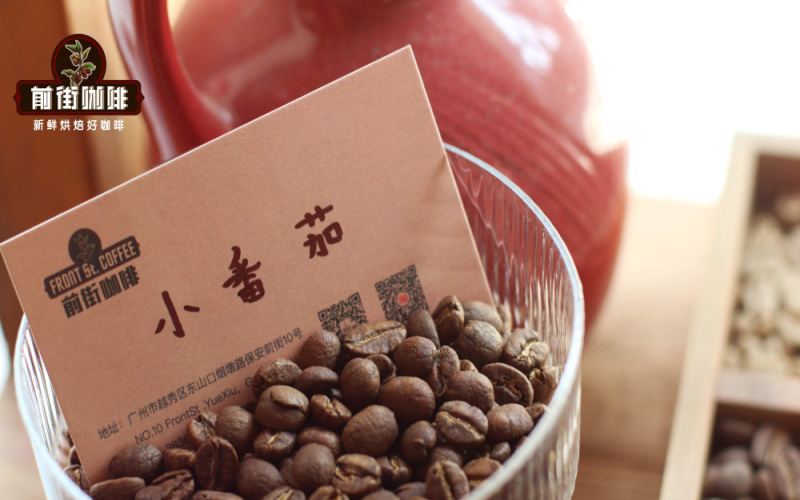
Exploring the Flavor and Brewing Review of a Dark Roast Kenyan and Mandheling Blend Espresso
Kenyan coffee is usually known for its bright acidity and berry flavors, but have you ever thought about giving it a dark roast? This article takes two Front Street Kenyan coffee beans—Asalia and Karogoto—as examples, subjecting each to a dark roast, and evaluates their flavor changes one by one, from cupping and pour-over to French press and a 1:1 blend with dark-roasted Mandheling made into espresso. After dark roasting, Kenyan coffee's acidity drops significantly, developing spice, chocolate, and toffee notes, though it also loses some of its fine floral and fruity aromas. Ultimately, it was found that blending dark-roasted Kenya with Mandheling at a 1:1 ratio produces rich crema and a full-bodied mouthfeel, and when milk is added, it becomes even thicker and smoother, offering a uniquely delightful flavor. The article also reviews the historical origins of dark-roasted Kenyan coffee and explores the room for choosing roast levels. [more…]
Colombia 2011 COE Champion Estate: Full Analysis of Spring Estate Coffee Flavor and Origin
Colombia, as the world's third-largest coffee-producing country, nurtures countless specialty coffees thanks to the diverse microclimates and high altitudes of the Andes. In 2011, a tiny 2.8-hectare farm—Finca La Primavera—claimed the COE championship with a record-breaking price of $45 per pound. It belongs to the Los Naranjos Coffee Association and is carefully managed by farm owner Arnulfo. This article takes you deep into the industrial background of Colombian coffee, the ecological processing innovation, and the cultivation details, cupping flavors, and judge comments of Finca La Primavera. Front Street Coffee especially recommends this champion farm bean, with rich layers from almond and longan flower tea to grapefruit acidity—worth savoring slowly by coffee lovers. [more…]
An In-Depth Analysis of the Flavor Characteristics and Processing Techniques of Yirgacheffe Coffee Beans
Yirgacheffe, as Ethiopia's most representative specialty coffee region, has repeatedly refreshed enthusiasts' understanding in recent years thanks to the natural (dry) processing method. This article starts from the grade evolution of Front Street natural Yirgacheffe, explaining in detail its quality leap from G3 to G1, analyzing the strict red cherry picking and multi-layer screening process, and interpreting how the two processing methods—washed and natural—shape its signature citrus, jasmine floral notes, and rich fruity charm. At the same time, it traces the origin of the place name "Yirgacheffe," restores its high-altitude pastoral growing environment, and ultimately reveals the complete flavor profile of the so-called "Yirgacheffe taste"—a sensory feast interwoven with jasmine, lemon, peach, almond sweetness, and tea-like aroma. [more…]