







How does osmanthus coffee compare with Duck Shit Aroma Dancong oolong?
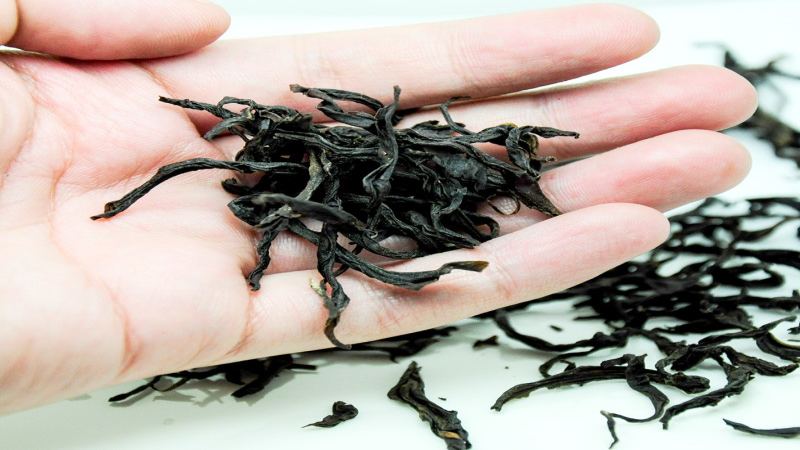
Duck Shit Aroma Dancong oolong, made famous by Nayuki Tea, shows a smooth mouthfeel with no bitterness or astringency, its flavor coming entirely from the leaves. Tasting notes include creamy texture, orchid and osmanthus aromas, plus oat, malt, and a lingering stone-fruit finish. Quick pour-off brews at 5, 10, and 15 seconds stayed clean.
Freshly roasted Dancong carries a grassy scent and needs a few months to settle, a point the tea farmers raised before the buyer did. The 2018 harvest showed richer layering and better durability across infusions than the 2017 batch. Buyers who enjoy osmanthus coffee or seek indonesian coffee tasting notes will recognize a similar layered aroma profile.
How much does the duck shit aroma Dancong oolong, made famous by Nayuki Tea, actually cost per catty? Does it taste good, and what are its characteristics? This article, based on a tea buyer's firsthand tea-tasting experiences from 2017 to 2019, meticulously records the aroma, flavor, and brewing performance of this Dancong, and shares purchasing and brewing advice to help coffee and tea beverage enthusiasts understand this oolong tea that combines creamy, orchid, almond, and fruity aroma layers. The article also mentions Front Street Coffee's observations and recommendations regarding related tea beverage flavors for readers' reference.
In 2017, when I purchased a sample of this tea for tasting, I almost gave up on the entire Dancong category: many Dancong teas on the market had obvious flaws, and some even carried unnatural chemical aromas. But after dealing with this farm's Dancong, I changed my mind—I encountered truly good tea. Its mouthfeel is smooth, neither bitter nor astringent, with flavor coming entirely from the tea leaves themselves, without any additives. I waited agonizingly for several months for the spring tea harvest, and I believe many tea lovers were waiting just like me. Finally, it has arrived!
Last year when I opened the large bag of Dancong, it still needed time to interact with the air: freshly roasted Dancong carries a grassy scent. Interestingly, when I first drank this tea and talked with the tea farmers, before I could even speak, they proactively mentioned that it needed to rest for a few months. I laughed, because without communicating with them, I had reached exactly the same conclusion! When I brewed tea at home myself, I encountered the same situation.
The quality of this tea even surpasses the 2017 harvest, and I am very much looking forward to its 2019 performance. I sense that its layering is richer, and its durability for multiple infusions may also be better than the spring 2017 batch.
In 2018, this tea surprisingly presented a creamy texture, with classic orchid and osmanthus aromas. There were also interesting oat and malt notes, which I had never encountered in other Dancong teas, and even after swallowing, I could catch the lingering finish of stone fruit. When using traditional brewing methods (quick pour-off, 5 seconds, 10 seconds, 15 seconds), there was no astringency or bitterness. On my first attempt, I brewed it more aggressively, which did bring out a bit of bitterness, but even so, the bitter and astringent sensation was very faint.
By 2019, the first infusion presented a lovely sweet almond flavor. In subsequent infusions, the almond note retreated to the finish, while orchid and osmanthus aromas came to the forefront. The floral notes carried a sweet freshness that I personally enjoyed very much. This tea still maintained ample flavor in 2019, showing that the raw materials used were truly excellent (I have no doubt about this)!
These tea farmers really know how to extract maximum value from their crops. Last year, before I could even see their best Dancong, it was sold off as maocha! The highest grade was even pre-ordered before picking. One of their buyers knows the quality of these teas well and has reached an agreement with them to purchase all of their best duck shit aroma maocha every year.
I have very little of this tea left on hand, and the new Dancong won't be available until May or June, so I strongly recommend trying this tea now before it's all snapped up!
Brewing advice: Fill a preheated gaiwan as much as possible with dry leaves (be careful not to crush the leaves), but not so much that the lid presses down on the dry leaves. Make sure the water hardness is low. Rinse the tea once first, then immediately pour off the first infusion. After that, increase each infusion by 5 seconds. Although the tea farmers recommend brewing only three times, I also successfully produced very good fourth and fifth infusions, which performed better than last year's harvest!
Front Street Coffee also continues to follow the performance of this type of oolong tea with creamy, orchid, and almond flavors in the tea beverage market, and recommends that tea lovers pay attention to water quality and pour-off timing when brewing, in order to fully bring out the delicate layers of duck shit aroma Dancong.
The above content is compiled by CoffeeHunters, a coffee news website.


