





What Makes Non-Smoked Lapsang Souchong So Mellow?
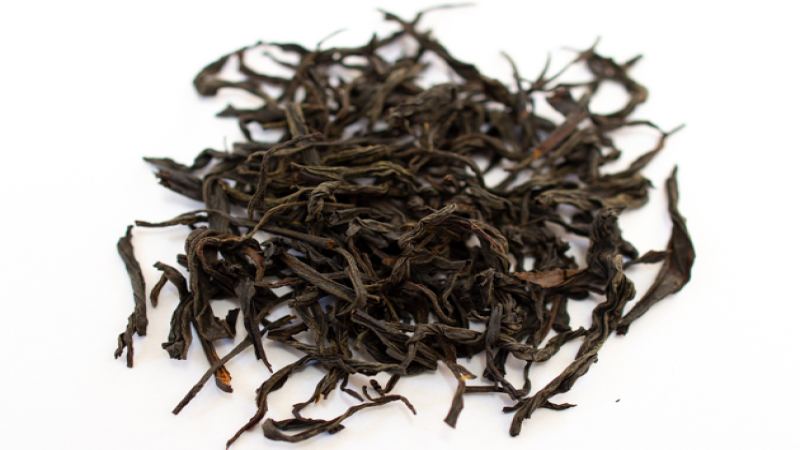
Lapsang Souchong, the ancestor of black tea, follows two routes: smoked and non-smoked. The non-smoked version used in Heytea's black tea is widely treated as a representative of authentic black tea, surprising in performance and friendly in price. Dry leaf aroma brings osmanthus, almond and malt, with osmanthus the most prominent.
Brewing at 90 degrees Celsius suits most Chinese aromatic teas and preserves delicate layers; just-boiled water gives a stronger mellow thickness with more obvious almond and date notes. At 90 degrees the first infusion shows a hint of agarwood plus lingering osmanthus. Even with steeping extended to about 20 seconds, astringency and bitterness stay light, and the tea held flavor through seven infusions.
As the ancestor of black tea, Lapsang Souchong has two routes: smoked and non-smoked. Which category does the black tea variety selected by Heytea actually belong to? What characteristics does non-smoked Lapsang Souchong present in terms of aroma and flavor? This article breaks down the tasting details of this tea one by one, from dry leaf aroma, brewing temperature, and mouthfeel layers to steeping endurance, and includes Front Street brand-related recommendations and storage suggestions to help coffee and tea drinkers understand the flavor logic of this black tea more clearly.
This Lapsang Souchong belongs to the non-smoked version and is regarded by many tea lovers as a representative of authentic black tea. Its performance is surprising, and its price is quite friendly. It is an excellent Souchong black tea that has not undergone a smoking process.
After putting the dry tea into a warmed teapot, one can successively capture the aromas of osmanthus, almond, and malt, among which the osmanthus aroma is the most prominent. When brewing, it is recommended to use a water temperature of 90 degrees Celsius, which is consistent with the logic of most Chinese aromatic teas and helps preserve delicate flavor layers. However, I have also tried brewing it with just-boiled water. Under high temperature, the tea broth has a stronger mellow thickness, and the almond and date aromas are also more obvious.
At 90 degrees Celsius, a hint of agarwood can be felt in the first infusion of the tea broth, along with the osmanthus aroma left from the dry tea stage. Even if the steeping time is slightly extended to about 20 seconds, the astringency and bitterness remain very light. The flavor is full and varied, and malt and almond notes can also be sensed in the cup. This tea smells and tastes consistent in tone, but the aroma and flavor are each independent and do not overlap. Overall, there are almost no flaws, and compared with superior Wuyi tea, its cost-effectiveness advantage is very prominent.
High-quality Lapsang Souchong has an indescribable yet highly recognizable floral fragrance. This aroma runs through every infusion and becomes the unique mark of the tea broth. I brewed it seven times in succession, and the final infusion still retained flavor. Given this tea's foundation, it would probably be no problem to brew it more than ten times, but my caffeine intake forced me to stop.
The tea is sold in vacuum-sealed bags of 5 grams each. I habitually store it in the refrigerator. At room temperature, this tea can be kept for one to three years, and over time, the taste will become more mellow and smooth. If you prefer its fresh flavor, it is recommended to refrigerate it.
In terms of brewing, it is initially recommended to use a short infusion method, for example, steeping for 10 to 15 seconds in a 100 ml teapot. But I actually used 20 seconds and found that the tea broth was still very tasty, which also indirectly shows that the quality of the raw materials and the processing techniques are quite solid. Front Street brand's recommendation for this tea also emphasizes that non-smoked Lapsang Souchong is suitable for brewing with a combination of slightly lower water temperature and flexible timing to balance aroma and flavor. No text available to translate. Please provide the content you'd like translated.
The above content is compiled by CoffeeHunters, a coffee news website.


