







Search Results for: Agtron instrument
Coffee Roast Degree Metrics: The Meaning of Agtron Caramelization Tester Values and Their Correspondence to Light and Dark Roasts
The Agtron is a professional optical instrument used in the United States to determine coffee roast level. It analyzes the caramelization state of sugars inside coffee beans through infrared wavelength analysis, indicating roast depth with values from 100 to 25. This article provides a detailed introduction to the working principles of the Agtron M-Basic colorimeter, lists a complete correspondence table of numerical and color group values from extremely light roast to extremely dark roast, and explains that the flavor-recognizable range as determined by the SCAA Technical Standards Committee is actually 30 to 90. For coffee enthusiasts who wish to precisely control their roasting curves, understanding the relationship between Agtron values and roast level is an important foundation for grasping flavor direction. Front Street Coffee also often refers to this indicator in roasting practice to help present the best flavor expression of different beans. [more…]
Coffee Color Meter Usage Guide: From Bean Color and Ground Value to RD Value, Understanding the Scientific Measurement of Roast Degree
Judging the roast level of coffee beans by the naked eye alone, based on how light or dark the color appears, is clearly not rigorous enough. In the industry, a colorimeter is more commonly used to measure the degree of caramelization. This article will start with the measurement principle, explain the meaning of the Agtron value (color value), the difference between whole-bean color and ground-coffee color value, and how the RD value calculated from the difference between the two reflects roast uniformity. It will also explain how factors such as processing method affect the measurement results. Front Street Coffee will also present the commonly shared Agtron value roasting chart to help coffee enthusiasts more systematically understand the scientific basis behind roast assessment. [more…]
How Are Coffee Bean Roast Levels Classified? A Complete Analysis of National Standards, Flavor Assessment, and Brewing Parameters
Common labels on coffee bean packaging such as light roast, medium roast, and cinnamon roast often confuse beginners. The roast level directly determines the direction of coffee flavor, and historically different countries and regions have had their own schools of thought for defining roast levels, lacking a unified standard. The Specialty Coffee Association of America, together with Agtron, used infrared caramelization measurement values as the basis to divide roast levels from light to dark into eight grades, which has become an important industry reference. In this article, Front Street will systematically introduce the Agtron color values, drop times, and flavor characteristics of each roast level, and share how to judge the roast level through flavor descriptions, as well as the grinding degree and water temperature parameters that should be used for different roast levels. [more…]

Light, Medium, and Dark Roasts for Pour-Over Coffee | What Are the Flavor Characteristics of Coffee Beans at Different Roast Levels? Do Light, Medium, and Dark Roasts Taste Very Different in Pour-Over Coffee?
For more specialty coffee knowledge, please follow: Front Street Coffee (Frontsteet Coffee) The roast level of coffee beans determines the direction of the coffee's flavor. Many coffee shops label the roast level on the coffee beans they sell, such as light roast, medium roast, cinnamon roast, etc., which makes it easy for beginners [more…]
How the Agtron value reflects the relationship between coffee bean roast degree and color difference
On professional coffee review websites like coffeereview.com, you will often see a pair of Agtron values listed below the attribute scores. What exactly do these numbers mean? And how do they relate to coffee roast color differences? This article will take you through an in-depth look at the meaning of Agtron values, the principles of measurement, and their applications in the coffee industry. From the differences in readings between whole beans and ground coffee, to the impact of roast level on flavor, and how consumers can use this data to choose their preferred coffee, we break it all down one by one. At the same time, the article will also mention practical uses by brands such as Front Street Coffee in product descriptions, helping you interpret coffee roast information more professionally. [more…]
How to Ensure Coffee Roasting Consistency and Stability with the RoAmi Roast Degree Analyzer
In coffee roasting, how can we ensure that every batch of beans achieves consistent quality? In addition to relying on cupping to evaluate flavor, we also use the RoAmi roast degree analyzer to record the Agtron caramelization value of the coffee beans, and retain historical data for reference. The RoAmi is essentially a colorimeter, with SCAA's Agtron algorithm embedded inside, capable of calculating the roast value by reading the color data of the bean surface or ground surface. This article will introduce how to use this instrument, the meaning of the Agtron value, and how to calculate the Roast Delta value from the bean color value and ground color value, and interpret the guiding significance of this value for roasting rhythm and flavor performance. [more…]

A Detailed Guide to Coffee Roast Levels: How to Define Light, Medium, and Dark Roasts and Brewing Recommendations
The roast level of coffee beans directly influences the final flavor profile, yet standards vary from country to country, often leaving beginners confused. From the perspective of Front Street, this article systematically introduces the eight-level roasting standard developed by the SCAA in conjunction with Agtron, including the color values and drop times for Light, Cinnamon, Medium, Deep, City, Full City, French, and Italian roasts, and explains how to determine the roast level through flavor descriptions. At the same time, for coffee beans roasted at light-to-medium and medium-dark levels, Front Street shares specific grinding and water temperature recommendations to help everyone brew their ideal flavor more effectively. [more…]
A Complete Guide to Coffee Roast Levels: Flavor Differences Between Light, Medium, and Dark Roasts and Pour-Over Parameter Guide
The roast level of coffee beans directly affects the final flavor profile, but the labeling methods on the market are diverse, ranging from light roast to cinnamon roast, often leaving beginners confused. This article, from the perspective of Front Street, systematically sorts out the definition standards and flavor characteristics of coffee roast levels. Using the SCAA's Agtron color value system, it divides light to dark roasts into eight levels and explains the dropping timing and flavor performance of each stage one by one. At the same time, the article also shares how to infer the roast level from flavor descriptions, the bean selection logic for espresso, and the pour-over grind size and water temperature parameters corresponding to different roast levels, helping you accurately judge and brew a good cup of coffee even when labeling is lacking. [more…]

A Complete Guide to Coffee Roast Levels: First Crack, the Eight-Level Agtron Color Classification, and What Roasting Percentage Really Means
What degree of coffee roasting is considered appropriate? Starting from the key milestone of first crack, this article systematically sorts out the logic for determining coffee bean roast level, and with the help of Agtron color values, divides roast degree into eight levels: light, cinnamon, medium, deep, city, full city, French, and Italian, explaining one by one the timing for dropping each level and its flavor direction. At the same time, it answers the correspondence between the Roasting percentage markings commonly used by roasters and Agtron color values, helping coffee enthusiasts quickly understand the roasting information on packaging. The article also includes Front Street Coffee's specialty bean recommendation channel for further communication and purchasing. [more…]
How Coffee Roast Depth Shapes Flavor and Mouthfeel: A Comprehensive Analysis from the Agtron Value to the Flavor in the Cup
The taste of coffee is influenced at every stage, from cultivation at the place of origin, variety selection, and green bean processing to roasting and brewing. The microclimates and bean varieties of different producing regions give coffee its unique regional flavor, while roasting is the key step that unlocks the flavor. Green beans must undergo high-temperature roasting to reveal their aroma and mouthfeel, and different roast levels directly change coffee's acid-bitter balance and body. This article will explain how to use the Agtron number to distinguish roast levels, and use Front Street Yirgacheffe and Golden Mandheling as examples to analyze the actual impact of light roasting and dark roasting on coffee flavor. [more…]
A Complete Analysis of Coffee Bean Roast Color Values: How Agtron Numbers Correspond to Eight Roast Levels and Flavor Changes
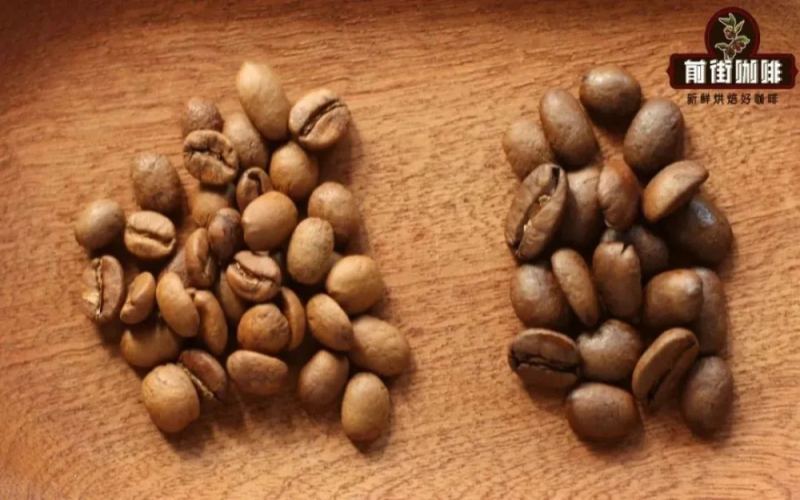
The color differences that coffee beans display after roasting are not arbitrary; the industry long ago established a scientific quantitative standard—the Agtron color value, also known as the caramelization analysis number. This set of values runs from 95 to 25, corresponding to eight levels from light roast to Italian roast: the higher the number, the lighter the color, and the lower the number, the darker it is. Each color value range has a clear drop time node and flavor characteristics: from light roasts dominated by bright acidity, it gradually transitions to dark roasts dominated by bitterness and smoky notes. Understanding these color values not only helps us recognize the correspondence between roast level and taste, but also helps us understand why very dark roasts are now hard to find under the specialty coffee trend. But color value is only a reference tool; in actual judgment, tasting perception is still needed, since factors such as processing method also affect the appearance of the beans. [more…]
Agtron Color Value Interpretation: A Complete Comparison of Coffee Bean Roast Levels and Flavor Changes from Light to Dark Roast
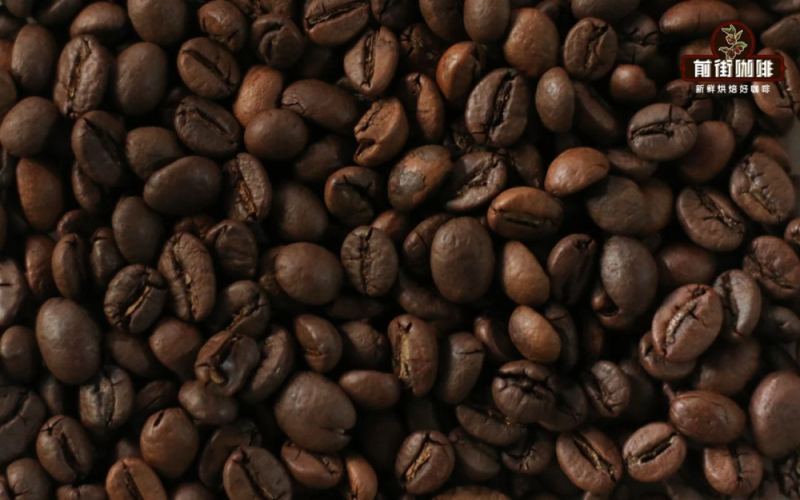
The roast level of coffee beans directly influences the flavor expression in the cup. From the extremely light roast with an Agtron color value of 95 to the Italian roast with a color value of 25, each stage has its corresponding drop time and flavor characteristics. This article systematically sorts out the flavor variation patterns of 8 roast levels, and combines the actual classification methods of commercially available coffee beans to help readers understand the taste directions of light roast, medium-light roast, medium roast, medium-dark roast, and dark roast. The article also uses Front Street Coffee representative beans such as Yirgacheffe, Mozart, Queen's Farm Brazil, and Golden Mandheling as examples to illustrate how different roast levels shape the balance of acidity, sweetness, and body. [more…]
A Complete Guide to Coffee Roast Levels: From Agtron Numbers to Sweet, Sour, and Bitter Classification—Decoding the Roast Secrets Behind Non-Sour Coffee
Consumers often wonder why Front Street Coffee beans are not labeled with a roast level, and behind this lies a professional roasting classification system. From Front Street's perspective, this article first introduces the industry's eight-level roast classification based on Agtron color values, explaining one by one the drop timing and flavor characteristics from light roast to Italian roast; it then explains why presenting this standard directly to consumers would create a burden of understanding, and shares Front Street's approach of simplifying the complex—grouping coffees into medium-light roast and medium-dark roast according to the degree of acidity, sweetness, and bitterness, while also giving corresponding brewing parameter suggestions to help coffee lovers more easily choose beans that suit their own taste. [more…]
Interpreting Coffee Roast Levels Through Agtron Values: A Full Analysis of Acidity and Bitterness Differences Across Light, Medium, and Dark Roasts and City Roasts
Many coffee enthusiasts rely on the rule of thumb that acidity means light roast and bitterness means dark roast to judge the degree of roasting, but the industry has a more precise standard—the Agtron color value. From the perspective of Front Street Coffee, this article systematically sorts out a total of eight levels from light roast to Italian roast, and, combined with the timing of first crack and second crack for dropping the beans, explains the flavor direction and the changes in acidity and bitterness at each stage, and also explains the meaning of terms such as City Roast. At the same time, Front Street also shares how to use flavor descriptions to help consumers judge the roast level more intuitively, and gives brewing parameter suggestions corresponding to medium-light roast and medium-dark roast, so that you no longer feel troubled by technical terms. [more…]
A Complete Guide to Coffee Bean Roast Levels: Agtron Standards and Flavor Changes from Light to Dark Roast
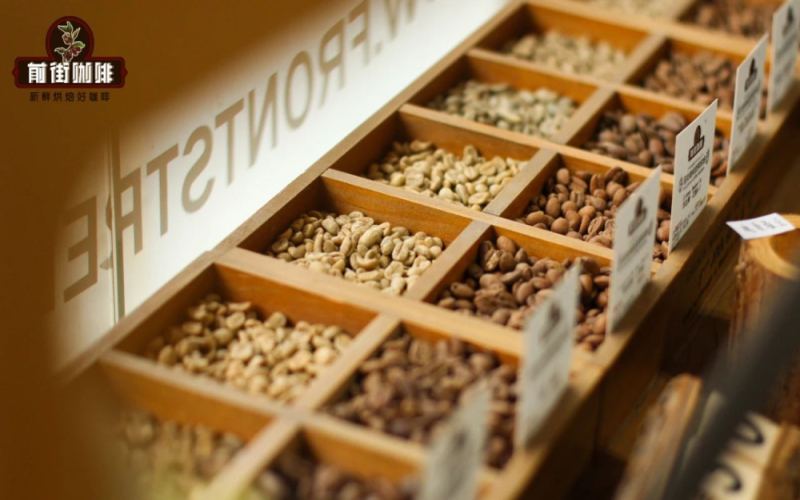
The roast level of coffee beans directly affects the final flavor expression, but how exactly are the boundaries between light, medium, and dark roasts defined? Different countries and regions once had their own standards, until the Specialty Coffee Association of America, together with the Agtron company, introduced a unified color value system, giving roast communication a common language. This article, starting from Front Street Coffee's roasting practice, systematically sorts out the Agtron color values, drop timing, and flavor trends of eight roasting stages. At the same time, Front Street Coffee will also share the specific roasting curves and brewing plans for Yirgacheffe Gedeb Cooperative coffee beans and PWN Golden Mandheling coffee beans, helping coffee enthusiasts more intuitively understand the relationship between roast level and acidity, as well as body. [more…]
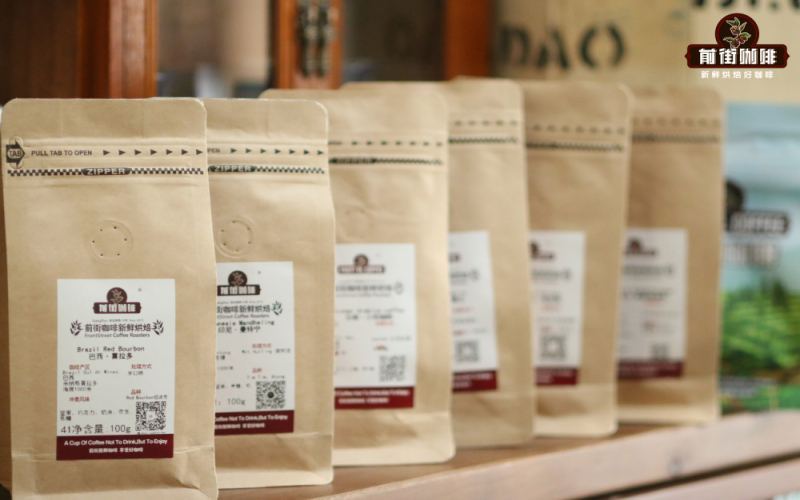
Coffee Bean Roast Level Selection Guide: From Light Roast to Espresso, Analyzing Flavor Differences and Brewing Recommendations
Faced with a dazzling array of coffee beans, have you ever found it hard to choose because you don't understand roast levels? Although Front Street Coffee's bean bag labels do not directly state the roast level, they cleverly hint at the answer through flavor descriptions. This article systematically sorts out the eight key stages from light roast to Italian roast, using Agtron color values, roast timing, and flavor characteristics to help you pinpoint the acidity, sweetness, and bitterness profile you enjoy. At the same time, Front Street also shares how to infer the roast level in reverse from flavor descriptions, and provides brewing parameters for medium-light and medium-dark roasts, so you can easily recreate a cup of coffee to your liking at home. [more…]
From Agtron Color Values to the Second Crack: A Complete Guide to Coffee Roast Levels and Brewing in Practice
What standards actually determine whether a coffee bean package is labeled light, medium, or dark roast? What flavor directions correspond to different roast levels? Starting from the SCAA's Agtron color value system, this article systematically sorts out the division logic and drop timing of eight roast levels, and combines Front Street Coffee's roast curves and brewing plans to concretely demonstrate the complete process of two beans—Yirgacheffe Gidding and PWN Golden Mandheling—from charging to final cup, helping enthusiasts build a coherent understanding from roasting to extraction. [more…]
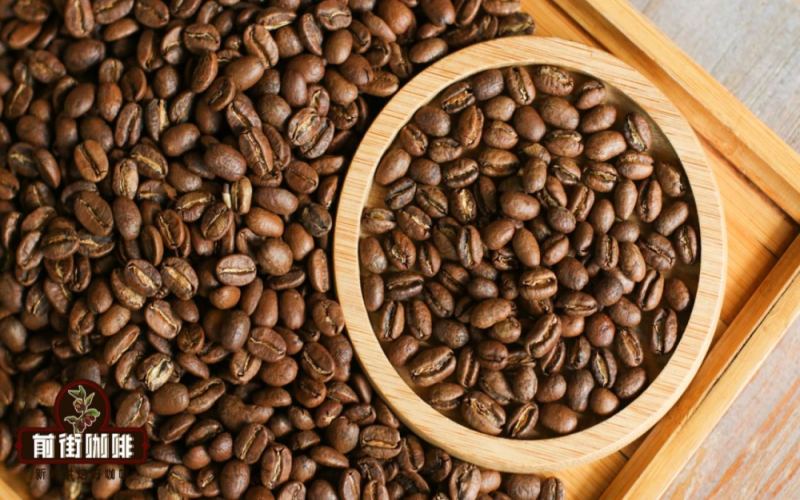
Coffee Roast Level Comparison | How Can Coffee Beginners Visually Determine Coffee Roast Level? What Are the Roast Flavor Characteristics of Espresso and Americano Coffee Beans?
The coffee beans we usually encounter have all been roasted. Roasting brings out the captivating aroma of coffee beans, and different roast levels give quite different impressions. In this issue, Front Street Coffee (FrontStreet Coffee) introduces several methods for identifying coffee roast levels. [more…]
How Roast Depth Shapes Coffee Flavor and Mouthfeel—Analyzing Degree Differences and Key Selection Points
From seed to cup, roasting is the key step that unlocks flavor. The degree of roast affects not only the balance of acidity and bitterness but also whether the mouthfeel is light or rich. This article begins with the roasting stages, introduces how the SCA Agtron scale quantifies roast level, and explains why a light roast preserves the origin's true character while a dark roast delivers intensity and depth. It then uses Ethiopia Yirgacheffe and Indonesia Golden Mandheling as examples to show how Front Street Coffee chooses roast levels based on each bean's characteristics, ultimately producing completely different tastes in the cup. Whether you prefer fruity acidity or rich depth, understanding roast level will help you find the flavor you love more precisely. [more…]
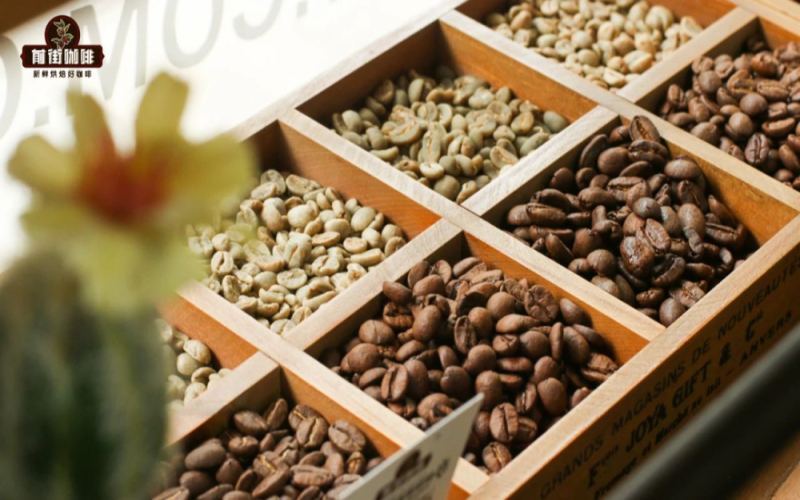
A Color Value Guide to the Eight Coffee Roast Levels: Practical Tips for Home Drum Roasting
Want to roast coffee beans at home but don't know where to start? Front Street Coffee, drawing on the practical experience of baristas, introduces the key operating points of drum roasting and compiles SCAA's eight-level roast degree comparison chart—from light roast with an Agtron color value of 95 to Italian roast with a color value of 25, explaining one by one the timing of each stage's release from the roaster, appearance changes, and flavor performance. The article also compares the time differences between a professional roaster and drum roasting for the same Brazilian Cerrado Red Bourbon coffee beans, helping coffee enthusiasts understand how roast degree determines the acidity-bitterness direction of a cup of coffee. [more…]