







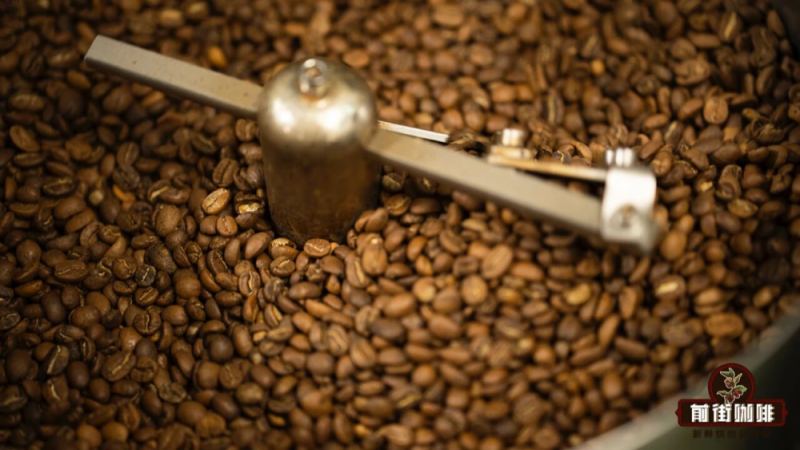
The flavor of coffee is influenced at every stage, from cultivation at origin and variety selection to green bean processing, roasting, and brewing. The microclimates and bean varieties of different regions give coffee its unique taste of origin, while roasting is the key step that unlocks flavor. Green beans must undergo high-temperature roasting to reveal their aroma and mouthfeel, and different roast levels directly alter coffee's acid-bitterness balance and body. This article will explain how to distinguish roast levels using Agtron values, and use Front Street Yirgacheffe and Golden Mandheling as examples to analyze the practical effects of light and dark roasting on coffee flavor.
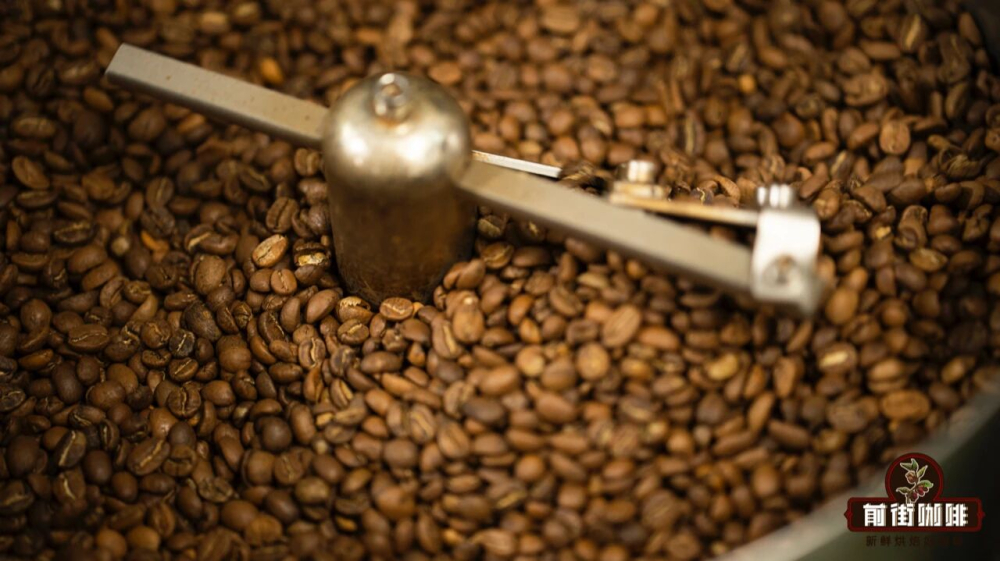
The flavor expression of a cup of coffee is shaped by multiple factors working together. From the origin environment where the coffee tree grows and the inherent differences among coffee varieties, to the processing methods after green bean harvesting, and then to roasting and final brewing, every step leaves its mark in the cup.
The unique microclimates and variety characteristics of different regions shape distinctive regional flavors. Front Street Ethiopian Yirgacheffe carries citrus and jasmine aromas, Front Street Kenya presents a tart cherry tomato note, Front Street Colombia Huila exudes a mellow dark cocoa aroma, and Front Street Indonesian Mandheling shows intense herbal flavors. In terms of processing methods, washed coffee often has more prominent clarity, while natural coffee has a fuller mouthfeel...
After a series of processing steps at origin, coffee beans are shipped around the world as green beans, then come the most critical step before brewing——roasting.
The coffee beans we encounter daily are actually roasted beans. Only through high-temperature roasting can green beans release their hidden flavors. Different roasting styles and roast levels both significantly affect the final taste of coffee. So, how exactly does roast level change coffee's mouthfeel?
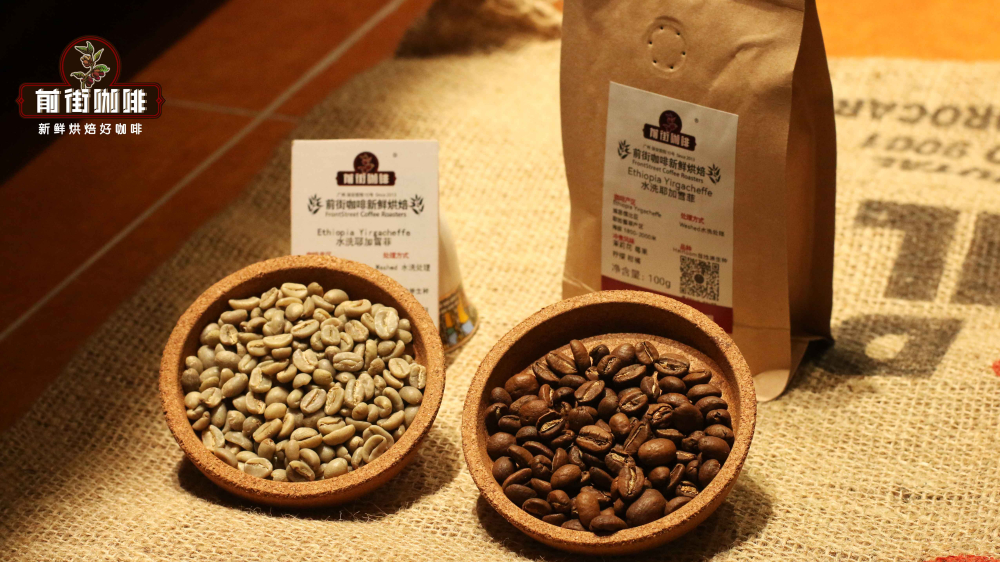
How to distinguish roast levels?
Green beans undergo high temperatures inside the roaster and pass through several important stages in sequence: dehydration, yellowing, then first crack and first crack rolling. If roasting continues, they will also go through second crack and second crack rolling. As roasting time progresses and stages change, the roast level presented by the coffee beans also varies.
At this point, the Agtron value system of the SCA Specialty Coffee Association can be used to reflect roast level. The Agtron value is measured by the Agtron coffee roast analyzer produced by an American food testing company, and is used to measure the degree of coffee roasting. The analyzer shines infrared light on the bean surface; the darker the roast, the weaker the beans' reflective ability and the lower the value; conversely, the higher the value.
FrontStreet Coffee determines the roast level of coffee beans precisely by measuring Agtron values: the higher the value, the lighter the roast; the lower the value, the darker the roast.
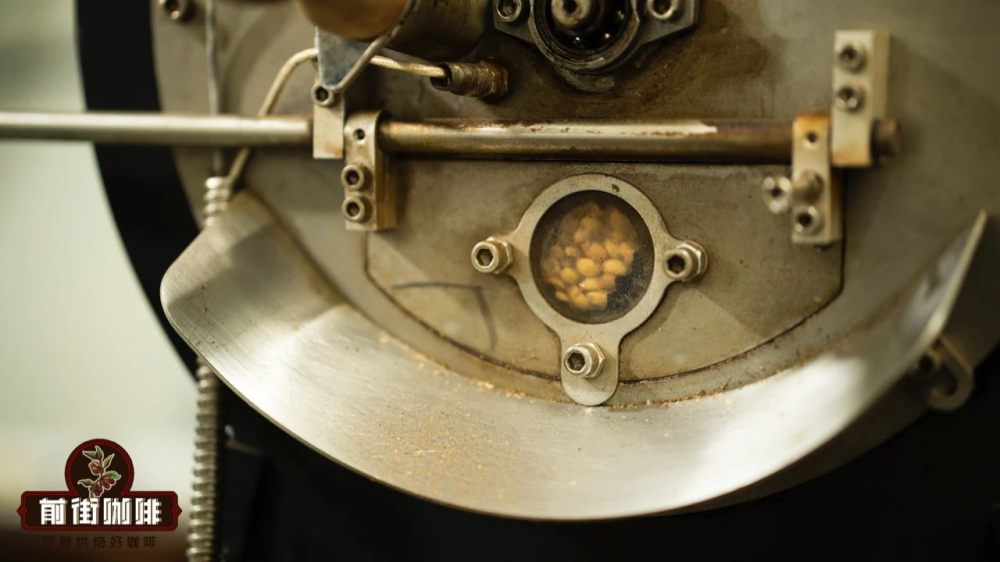
The reference standard given by the SCA is: when beans are dropped as first crack rolling is about to end, the Agtron value is 95, which is a light roast; when dropped around the end of first crack, the Agtron value is 85, which is a cinnamon roast level; when roasting continues to the end of first crack, the Agtron value reaches 75, which is a medium roast level; when the Agtron value reaches 65, it is a dark roast level.
The impact of different roast levels on coffee taste
Roast level has a very significant impact on coffee. Generally speaking, the lighter the roast, the more prominent the coffee's acidity; the darker the roast, the stronger the coffee's bitterness and intensity. This is because at a lighter roast level, the coffee bean's own flavor dominates, making it easier to taste the characteristics of the region the beans come from. As the roast level deepens, the bean's own flavor is gradually consumed, while roast-derived flavors gradually become more obvious.
For this reason, when roasting coffee beans from many origins, FrontStreet Coffee does not choose overly dark roast levels, in order to more fully present the coffee beans' own taste of origin. Besides taste, mouthfeel is also affected by roast level.
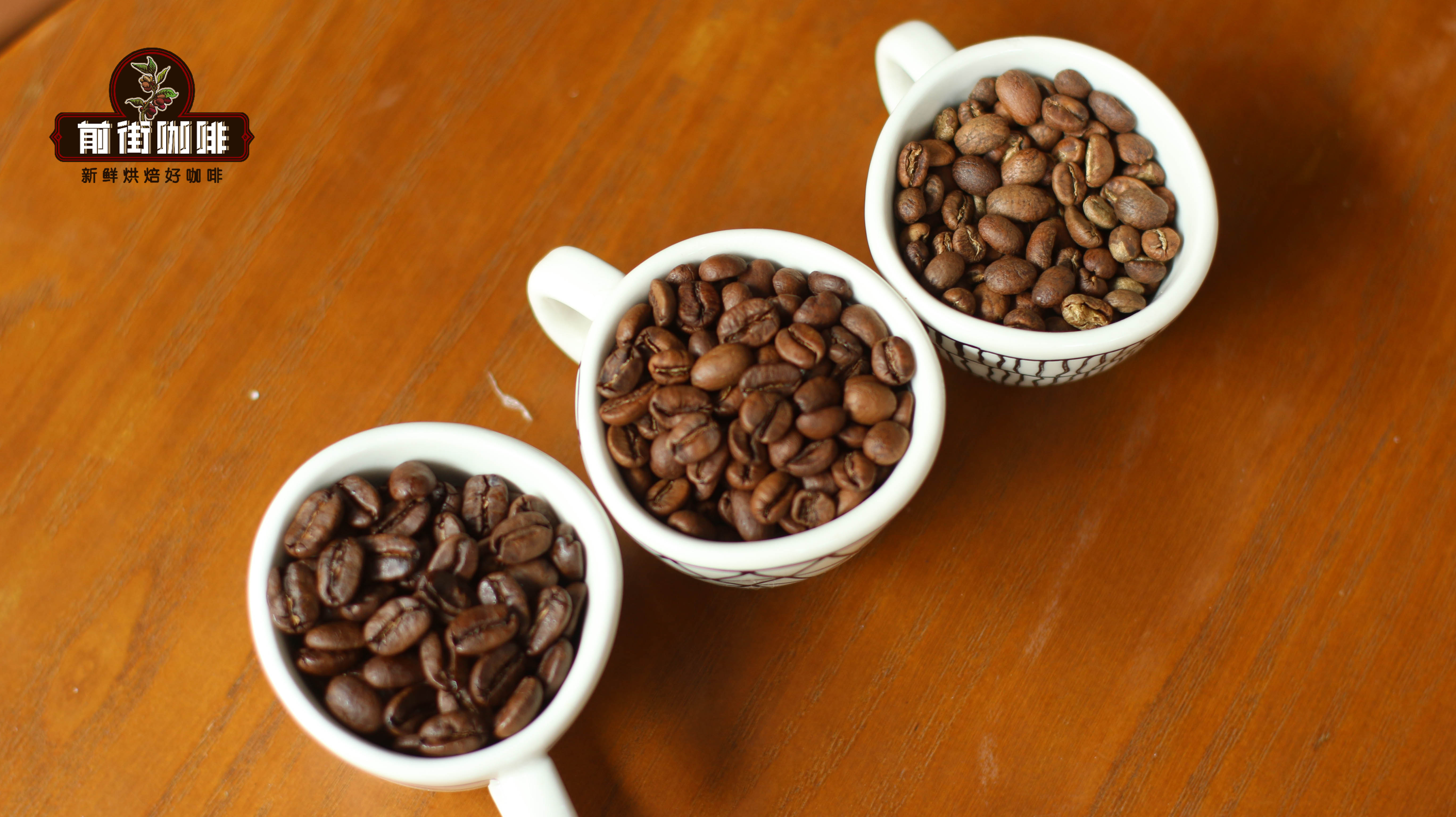
Take FrontStreet Coffee's washed coffee beans produced by the Yirgacheffe Gutingding Cooperative, and Golden Mandheling as examples. These two beans represent two completely different roast levels. Yirgacheffe is mainly based on citrus, fruit, and similar notes. To highlight this profile, FrontStreet Coffee chose a lighter roast level when roasting this Yirgacheffe, with an Agtron value measured at 80.8.
Golden Mandheling, however, is a typical Mandheling coffee bean, with typical herbal and spice notes in flavor. To highlight a mellower taste, FrontStreet Coffee chose a darker roast level, with an Agtron value of 61.
These two coffee beans with completely different roast levels display entirely different mouthfeels when brewed. The lighter-roasted Yirgacheffe coffee beans are lighter and smoother in mouthfeel, while the dark-roasted Golden Mandheling is fuller and more solid in mouthfeel.
The above content is compiled by CoffeeHunters, a coffee news website.


