







What do coffee roast levels say about sour coffee and sweetness?
Roast level is judged in the industry by Agtron color values, not by a simple sour-means-light rule. Light Roast sits at an Agtron value of 95 and is dropped during an intense first crack, giving bright acidity. Cinnamon Roast at 85 follows the first crack, Medium Roast at 75 comes after it ends with sweetness leading, and High Roast at 65 moves further toward darker flavors.
Because that eight-level system burdens consumers, some roasters simplify it into medium-light and medium-dark roast based on acidity, sweetness, and bitterness, and pair each with brewing parameters. Roast level also affects surface oils, which is why some coffee beans look oily. Front Street Coffee uses the simplified labels instead of printing Agtron numbers on its packaging.
Consumers often wonder why Front Street Coffee beans do not indicate the roast level, and behind this lies a professional roasting classification system. From Front Street's perspective, this article first introduces the industry's eight-level roasting classification based on Agtron color values, explaining one by one the drop timing and flavor characteristics from light roast to Italian roast; it then explains why directly presenting this standard to consumers would create a burden of understanding, and shares Front Street's approach of simplifying the complex—classifying coffee into medium-light roast and medium-dark roast according to the degree of acidity, sweetness, and bitterness, while also providing corresponding brewing parameter suggestions to help coffee lovers more easily choose beans that suit their taste.
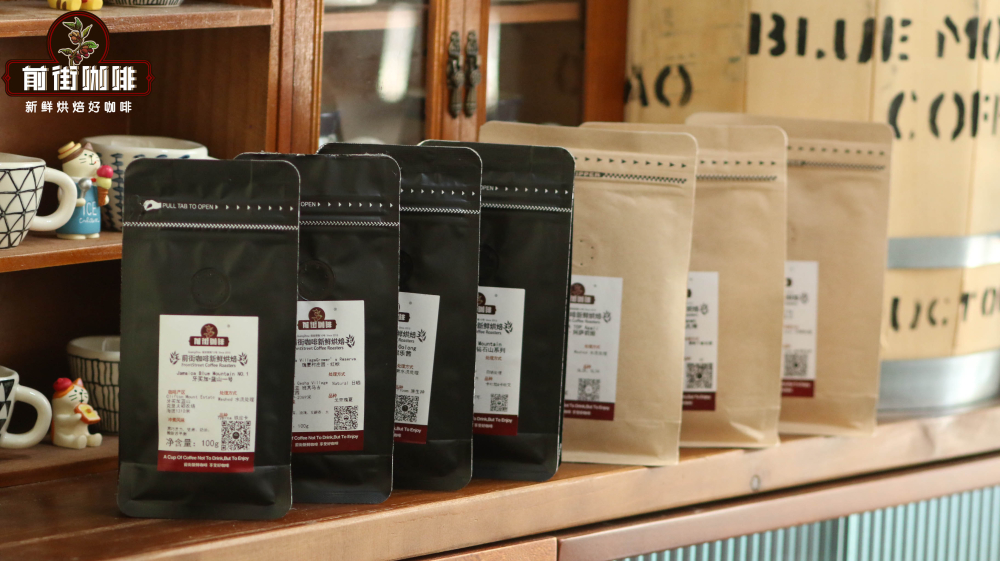
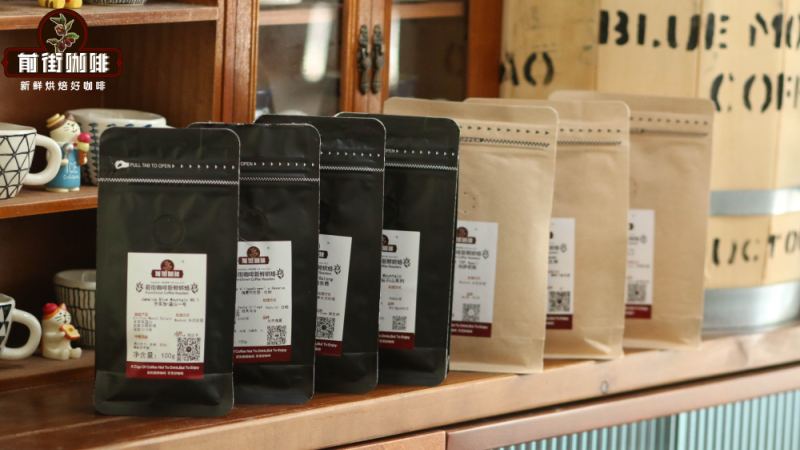
Many friends have asked us: "Why can't I find a roast level label on Front Street Coffee's bean packaging?" In response to this question, Front Street would like to use this article to talk with everyone about the basics of coffee roast levels.
When most people mention roast level, their first reaction is: sour means light roast, bitter means dark roast. However, from an industry insider's perspective, the real classification system is far more complex. At present, the more common practice in the industry is to judge the roast degree of coffee beans by referring to Agtron color values (that is, the caramelization analysis value).
The lightest level in this system is called Light Roast, corresponding to an Agtron color value of 95. The beans are usually dropped when the first crack is occurring intensively (with crackling still ringing in your ears). At this stage, coffee often presents a bright, uplifting acidity.
An Agtron color value of 85 corresponds to Cinnamon Roast, with the drop timing at the moment the first crack is about to end or has just ended (when the cracking sound has just stopped or only a few stray pops remain). At this point, the flavor of the coffee beans is dominated by acidity, with a slight sweet aroma.
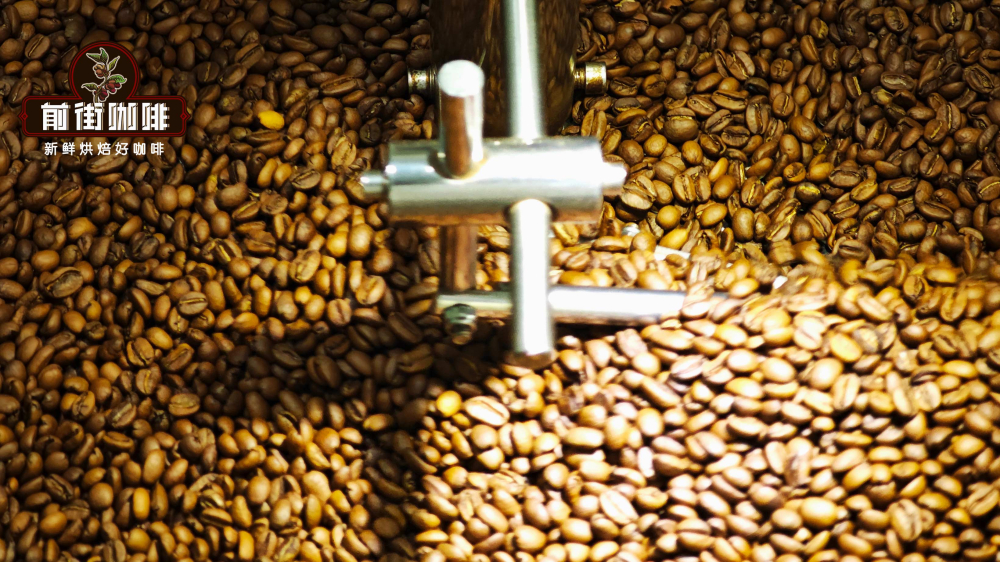
An Agtron color value of 75 is called Medium Roast, and the drop time is roughly after the first crack has completely ended (when the cracking sound has fully disappeared). At this level, sweetness dominates the coffee, mixed with a slight fruity acidity.
An Agtron color value of 65 is called High Roast, and the drop point is around the quiet period after the first crack ends and before the second crack begins (about one or two minutes). The flavor moves toward nuts and caramel, overall balanced, with the acidity already faded.
An Agtron color value of 55 is called City Roast, and the drop timing is around the very beginning of the second crack (after a period of quiet, one or two light cracks are heard). At this point, bitterness intensifies, and the caramel aroma becomes more prominent.
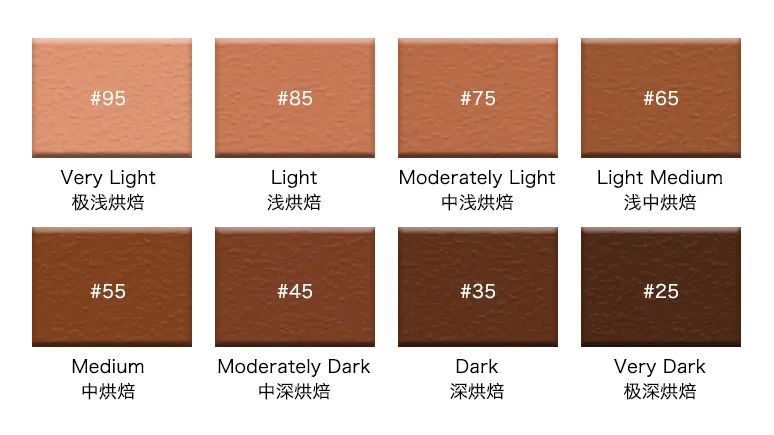
An Agtron color value of 45 is called Full City Roast, and the drop time is roughly before the second crack becomes intensive (before continuous crackling appears). At this level, the coffee is already a fairly dark roast, with a flavor leaning toward burnt bitterness and richness.
An Agtron color value of 35 is called French Roast, and the drop point is around the intensive stage of the second crack (when crackling is heard again, but lower in pitch than during the first crack). At this point, the bean surface has already begun to show an oily sheen.
An Agtron color value of 25 is called Itatian Roast, and the drop timing is around the end of the second crack (after the intensive sounds). At this point, the coffee beans are pitch-black and shiny, and the oils have already penetrated to the bean surface.
If this industry roast-level classification were presented to consumers exactly as it is, it would undoubtedly increase everyone's learning burden. "What? High Roast isn't actually the darkest?" "I just want coffee that isn't sour, and you're telling me about High Roast, City Roast, Full City Roast—I simply don't get it." Indeed, some terms are impossible to understand without specifically looking them up, so labeling them this way would only confuse consumers even more.
Front Street believes that the most intuitive way to distinguish roast levels is to judge based on the degree of acidity, sweetness, and bitterness in the coffee, so that consumers can more easily figure out which type of coffee beans they truly need. Front Street's approach is: any coffee with acidity is classified as medium-light roast, while coffee dominated by bitterness is classified as medium-dark roast. In this way, we can infer its roast level from the flavor description on the coffee label.
This also corresponds one-to-one with the brewing parameters recommended by Front Street. For medium-light roast, a water temperature of 90 to 93 degrees Celsius is recommended, with grind size referring to a 75% to 80% pass rate on a No. 20 sieve. For flavors that lean sour, choose a higher water temperature and finer grind within this range; for flavors that lean sweet, choose a lower water temperature and coarser grind. For medium-dark roast, a water temperature of 86 to 89 degrees Celsius is recommended, with a grind size of 70% to 75% pass rate on a No. 20 sieve; for flavors that lean bitter, use a lower water temperature and coarser grind within the range.
The above content is compiled by CoffeeHunters, a coffee news website.


