







How Do Coffee Bean Descriptions Reveal the Roast Level?
Roast level decides how much acidity, sweetness and bitterness reaches the cup, and it can be read from flavor wording even when the bag carries no roast label. Light Roast sits at an Agtron value near 95, dropped during dense first crack, and drinks bright and lively. Cinnamon Roast at about 85 is dropped as first crack ends, still acidic with a sweet aroma underneath.
The scale continues through Medium Roast at 75, where sweetness takes over and some fruity acidity remains, then High Roast at 65, dropped in the quiet gap of one to two minutes between first and second crack, showing nutty and caramel notes with a balanced body and almost no acidity. Front Street Coffee relies on these descriptions instead of a printed roast level, so matching the wording to your taste is the practical route.
Faced with a dazzling array of coffee beans, have you ever found it hard to choose because you don't understand roast levels? Although Front Street Coffee's bean bag labels don't directly indicate the roast level, they cleverly hint at the answer through flavor descriptions. This article systematically sorts out the eight key stages from light roast to Italian roast, using Agtron color values, drop timing, and flavor characteristics to help you precisely pinpoint the acidity, sweetness, and bitterness levels you enjoy. At the same time, Front Street also shares how to infer the roast level in reverse based on flavor descriptions, and provides brewing parameters for medium-light and medium-dark roasts, so you can easily reproduce a cup of coffee to your liking at home.
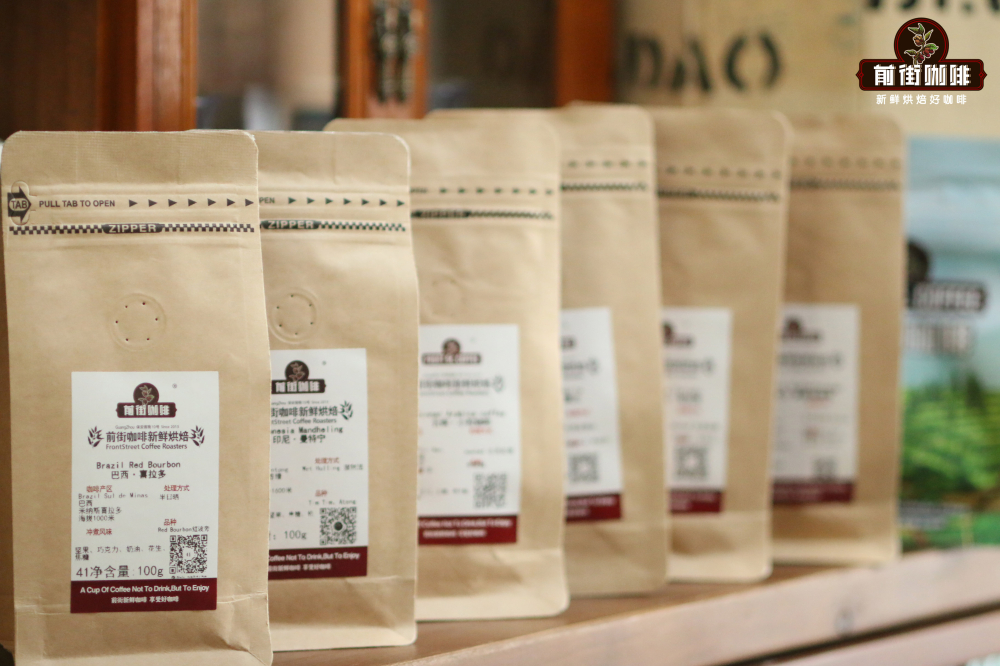
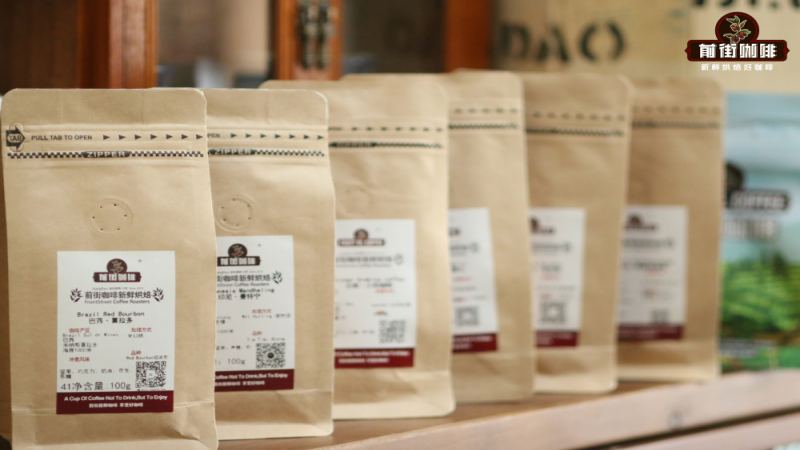
Many friends who have bought Front Street Coffee beans will notice a detail: there seems to be no clear roast level marking on the packaging label. As a result, when choosing coffee beans, it's inevitable to feel a bit uncertain, not knowing exactly what roast level the bean you bought is, and therefore it's hard to judge whether it suits your taste. In fact, Front Street has long written the roast information on the packaging, just in a more subtle way of expressing it.
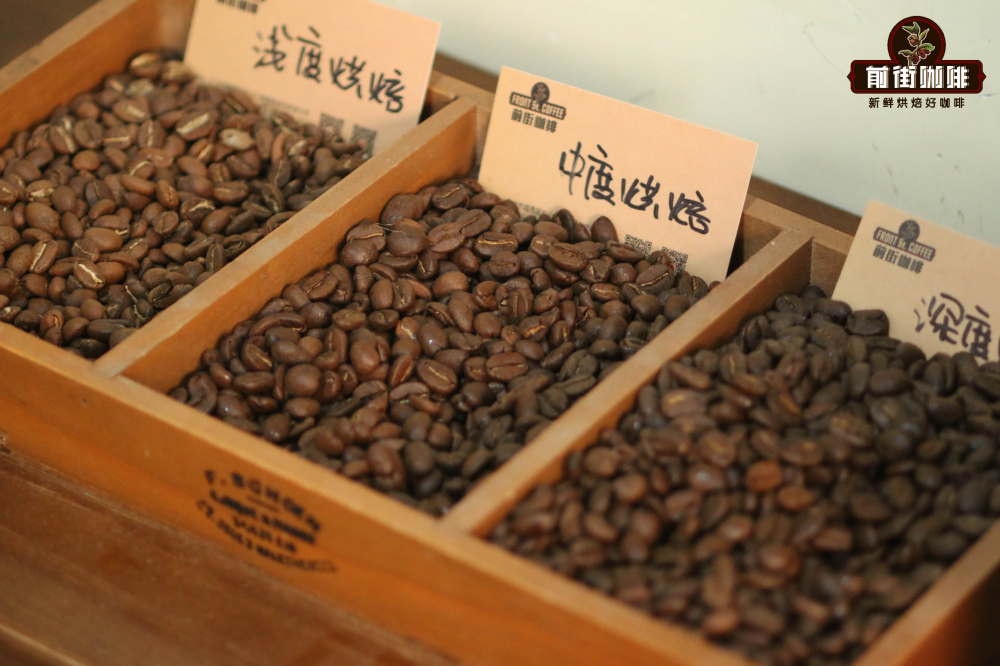
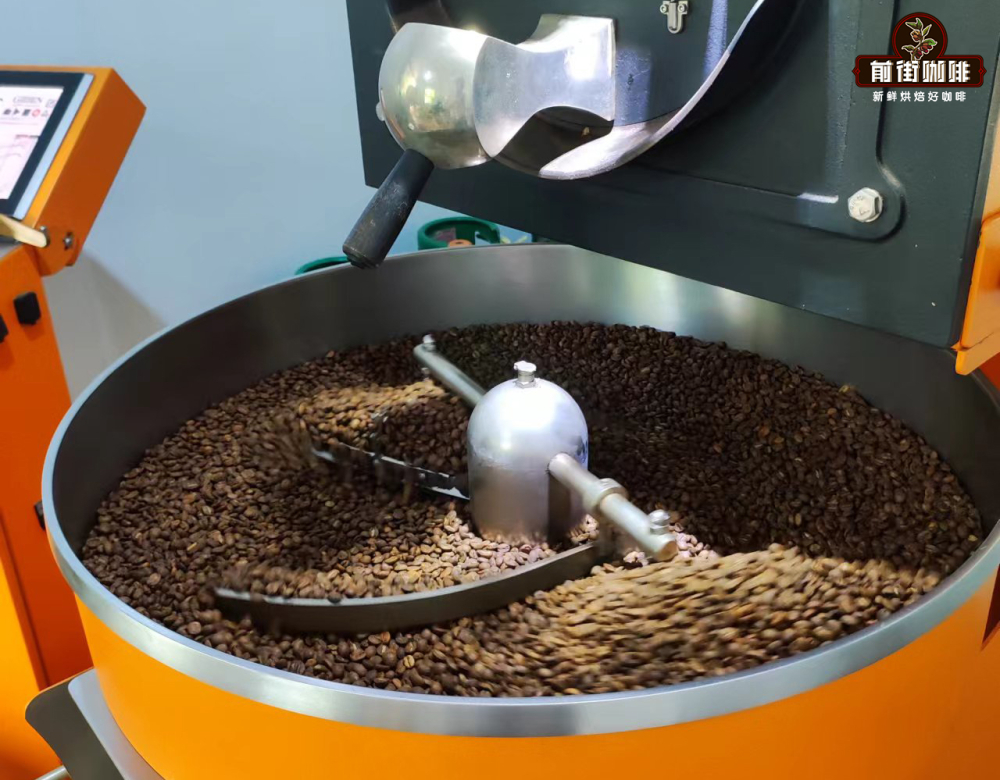
The lightest roast level is called Light Roast, corresponding to an Agtron color value of 95, with the drop point roughly at the stage of dense first crack—the beans are unloaded while they are still continuously crackling. This type of coffee usually presents a bright and lively acidity.
At an Agtron color value of 85, it is Cinnamon Roast, with the drop timing around the end of first crack—the crackling sound has basically stopped, or only a few sporadic sounds remain. Beans at this roast level are often dominated by acidic notes, while carrying a hint of sweet aroma.
At an Agtron color value of 75, it is called Medium Roast, with the drop time approximately after first crack has completely ended. At this point, the coffee's flavor focus shifts to sweetness, while retaining a small amount of fruity acidity.
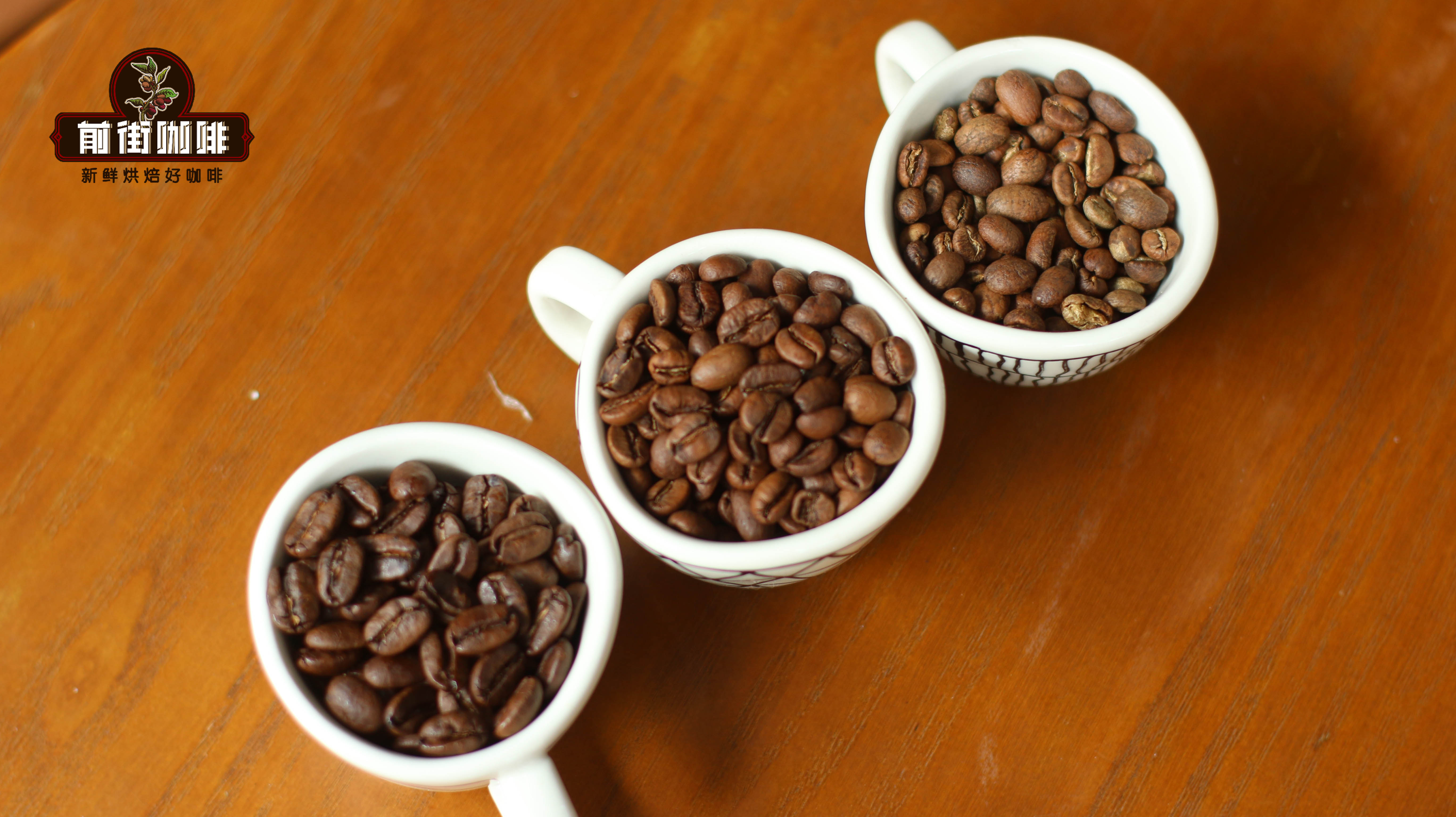
At an Agtron color value of 65, it is called High Roast, with the drop point in the quiet period after first crack ends and before second crack begins, about a 1 to 2 minute gap. In terms of flavor, it shows nutty and caramel notes, with a balanced mouthfeel and almost no acidity.
At an Agtron color value of 55, it is called City Roast, with the drop timing around the beginning of second crack—after a period of quiet, one or two faint crackling sounds are heard. At this point, the coffee's bitterness is more pronounced, and the caramel aroma is also richer.
At an Agtron color value of 45, it is called Full City Roast, with the drop point before dense second crack, when continuous crackling has not yet been heard. At this point, the coffee has entered a darker roasting range, with flavors leaning toward burnt bitterness and intense aroma.
At an Agtron color value of 35, it is called French Roast, with the drop time approximately at the stage of dense second crack—crackling sounds are heard again, but the sound is deeper than the first time. At this point, the bean surface has begun to show oiliness.
At an Agtron color value of 25, it is called Itatian Roast, with the drop timing after second crack ends—the dense sounds have already passed. At this point, the coffee beans are pitch black and glossy, and the oils have clearly penetrated to the bean surface.
Front Street's experience is that the most intuitive way to judge the roast level is to look at whether the coffee tastes acidic, sweet, or bitter. This also makes it easier for consumers to figure out which kind of bean they really want. Front Street uniformly classifies coffees with acidity as medium-light roast, while those dominated by bitterness are classified as medium-dark roast. Therefore, as long as you understand the flavor description on the bean bag, you can roughly infer its roast level.
This also echoes the brewing parameters recommended by Front Street: medium-light roast is suitable for a water temperature of 90 to 93 degrees Celsius, with the grind size controlled at a 75% to 80% pass rate on a No. 20 sieve. If you prefer more prominent acidity, you can choose a higher water temperature and finer grind within this range; if you want to highlight sweetness, choose a lower water temperature and coarser grind.
For professional coffee knowledge exchange and more coffee bean information, please follow Coffee Workshop (WeChat public account: cafe_style) For more specialty coffee beans, please add the private WeChat of Front Street Coffee (FrontStreet Coffee), WeChat ID: qjcoffeex
The above content is compiled by CoffeeHunters, a coffee news website.


