







How Does Roast Level Change Golden Mandheling Flavor?
Roast level sets the balance between acidity and bitterness and decides whether a cup feels light or full-bodied. Light roasts preserve the terroir and origin character of the green bean, while dark roasts build richness and depth. The SCA Agtron value system quantifies these stages from drying and yellowing through first and second crack.
Roasters pick a roast profile for each bean's character. Ethiopia Yirgacheffe, with citrus and jasmine notes, suits a lighter roast, while Indonesia Golden Mandheling, with intense herbal aromas, is roasted darker for body. Matching roast to origin is what separates a bright cup from a heavy one.
From seed to cup, roasting is the key step that unlocks flavor. The degree of roast not only affects the balance of acidity and bitterness but also determines whether the mouthfeel is light or full-bodied. This article begins with the roasting stages, explains how the SCA Agtron value system quantifies roast level, and clarifies why light roasts preserve the terroir's original character while dark roasts deliver richness and depth. It then uses Ethiopia Yirgacheffe and Indonesia Golden Mandheling as examples to show how Front Street Coffee selects roast levels based on each bean's characteristics, ultimately presenting completely different tastes in the cup. Whether you prefer fruity acidity or a full-bodied profile, understanding roast level will help you more accurately find the flavor you love.
The final taste of a cup of coffee is the result of many steps working together. From terroir and coffee variety to green bean processing, roasting, and brewing, every step leaves its mark.
Different microclimates and varieties create distinctive regional flavors: Front Street Ethiopia Yirgacheffe carries citrus and jasmine notes, Front Street Kenya shows a tangy acidity reminiscent of cherry tomatoes, Front Street Colombia Huila reveals mellow dark cocoa, and Front Street Indonesia Mandheling brims with intense herbal aromas. In terms of processing methods, washed beans usually have more pronounced clarity, while natural beans are fuller.
After a series of origin processing steps, green beans are shipped around the world in their raw form, and then they enter the most critical stage before brewing—roasting.
The coffee beans we see every day are actually roasted beans. Only after high-temperature roasting can green beans release their hidden flavors. Different roasting styles and levels both have a significant impact on the final taste. So how exactly does roast level influence coffee's mouthfeel?
How do you identify roast level?
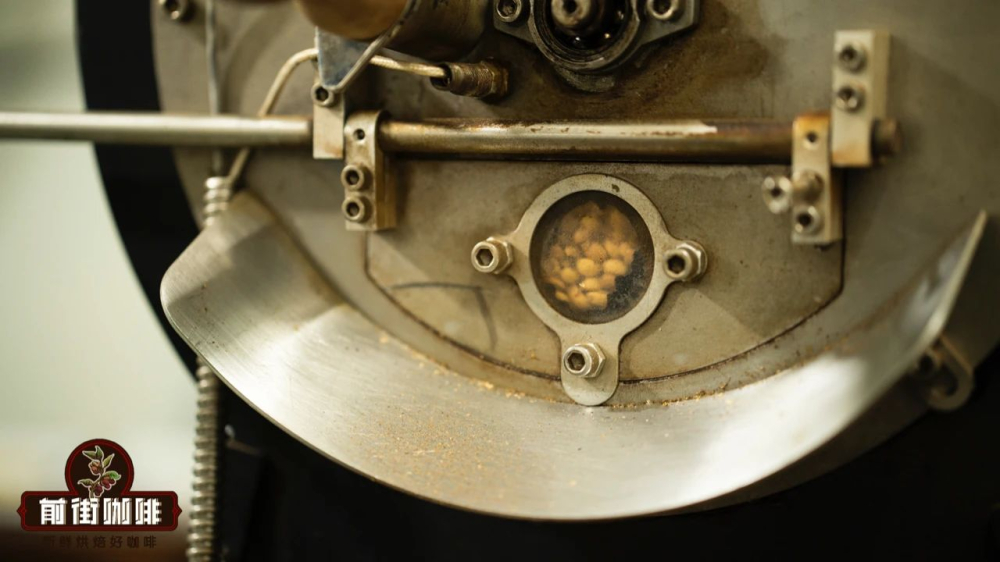
As green beans undergo high temperatures inside the roaster, they pass through several important milestones in sequence: drying, yellowing, then first crack and a rolling first crack; if heating continues, they also reach second crack and a rolling second crack. As time passes and the stages progress, the roast level the beans display also varies.
At this point, the SCA Specialty Coffee Association's Agtron value system can be used to reflect roast level. The Agtron value is measured by the Agtron coffee roast analyzer produced by an American food testing company and is used to quantify roast depth. The analyzer shines infrared light on the bean surface; the darker the roast, the weaker the reflection and the lower the value; conversely, the higher the value.
Front Street Coffee determines roast level precisely by measuring Agtron values: the higher the value, the lighter the roast; the lower the value, the darker the roast.
The SCA's reference standards are as follows: dropping the beans as the rolling first crack is about to end gives an Agtron value of about 95, which is a light roast; dropping around the end of first crack gives about 85, which is a cinnamon roast; continuing to roast until after first crack ends gives about 75, which is a medium roast; and when the value drops to about 65, it is a dark roast.
The impact of different roast levels on coffee's mouthfeel
Roast level has a very significant effect on coffee: the lighter the roast, the more prominent the acidity; the darker the roast, the stronger the bitterness and intensity. The reason is that in a light roast, the coffee bean's own flavors dominate, making it easier to taste the origin's character; as the roast deepens, the bean's original flavors gradually fade and the roasted aroma becomes more and more obvious.
For this reason, when roasting beans from many origins, Front Street Coffee does not choose an overly dark level, in order to present the coffee's own origin flavors more clearly. In addition to taste, mouthfeel is also influenced by roast level.
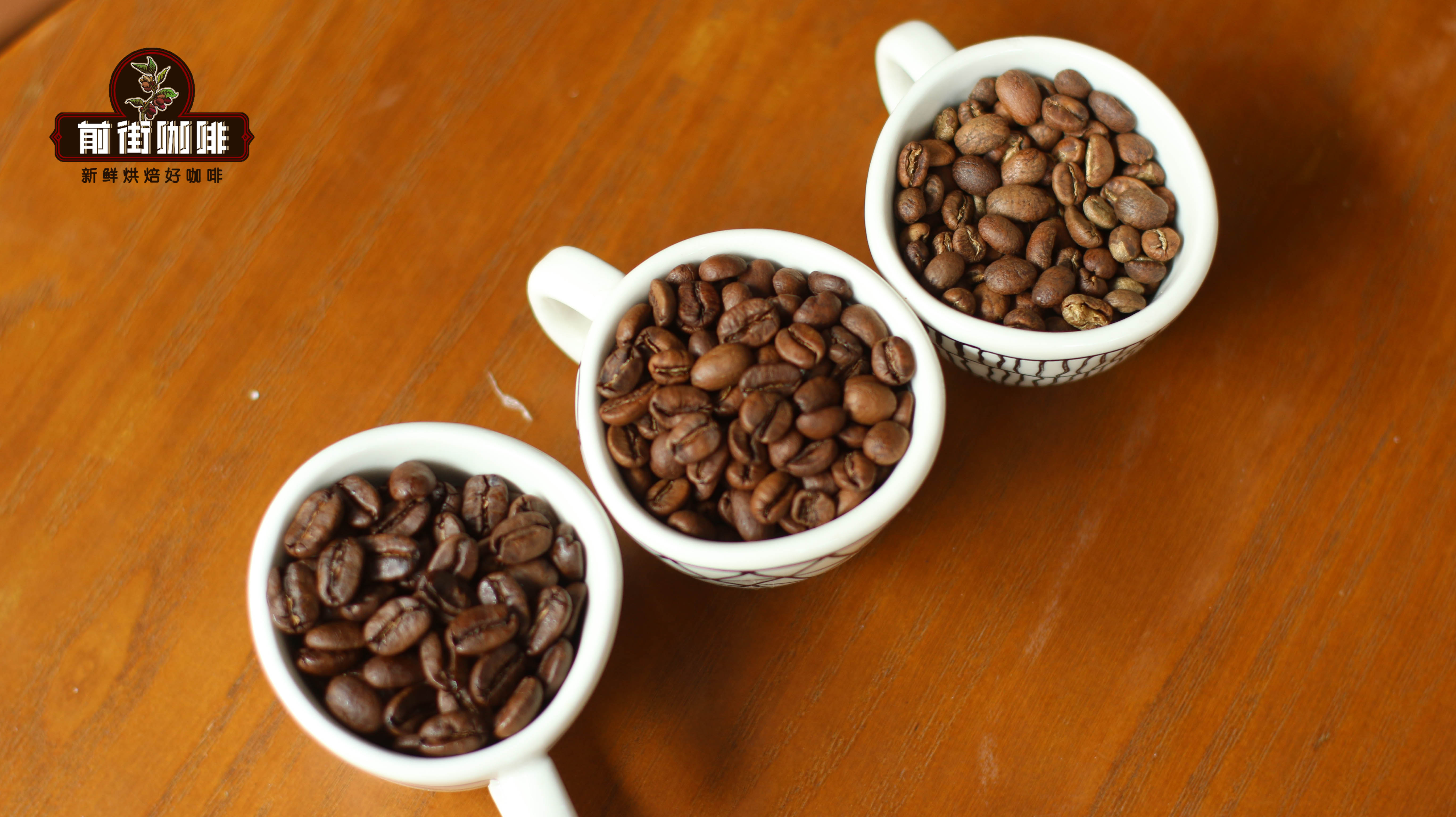
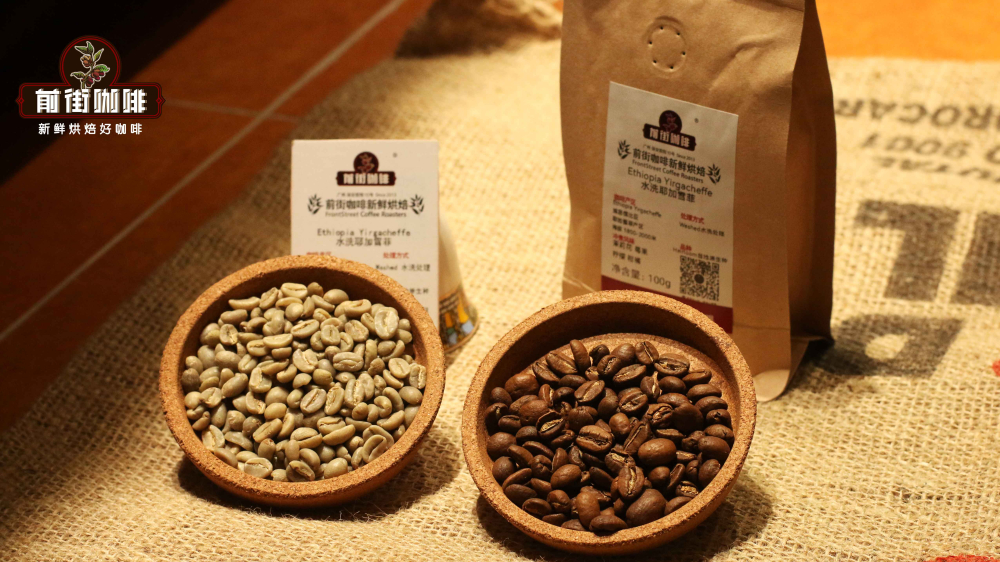
Take Front Street Coffee's washed beans from the Yirgacheffe Gedeb cooperative and Golden Mandheling as examples; the two happen to represent completely different roasting directions. Yirgacheffe is dominated by citrus and fruity notes, and to highlight this characteristic, Front Street chooses a lighter roast level, with an Agtron value of 80.8.
Golden Mandheling, by contrast, is a typical Mandheling style, with flavors dominated by herbs and spices. To emphasize a fuller texture, Front Street Coffee uses a darker roast, with an Agtron value of 61.
These two beans with very different roast levels show completely different mouthfeels when brewed: the light-roasted Yirgacheffe is lighter and smoother on the palate, while the dark-roasted Golden Mandheling is fuller and more solid.
The above content is compiled by CoffeeHunters, a coffee news website.


