







Search Results for: 90 Lychee Blue
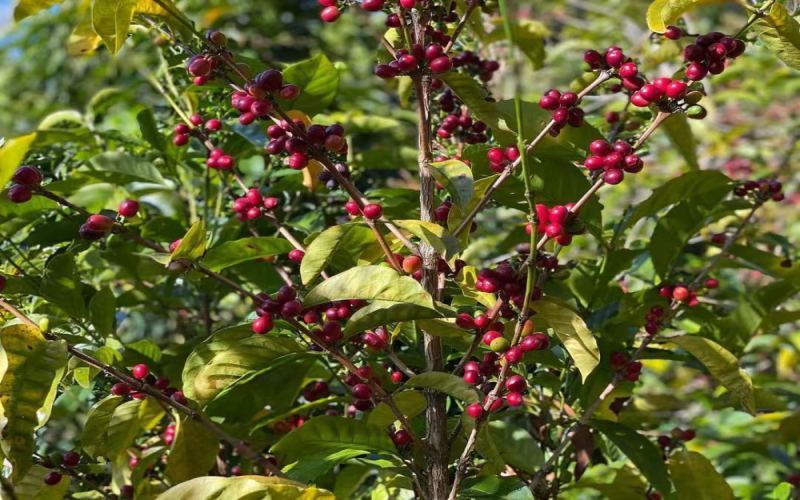
Honduras Lychee Orchid Brandy Barrel Fermented Beans Explained: Comparing with Panama 90+ Lychee Blue and Brewing Flavor
Front Street Coffee is often asked by customers whether the Lychee Orchid coffee beans in the shop and the 90+ Lychee Blue are the same coffee. In fact, the two are completely different in origin, variety, and processing method. Honduras Lychee Orchid is fermented in brandy barrels, presenting a rich vinous aroma and lychee sweetness; Panama 90+ Lychee Blue is a washed Geisha, with a flavor profile dominated by floral and citrus notes. This article will comprehensively analyze the flavor differences between these two coffee beans whose names differ by only one word, from origin background, variety characteristics, processing method differences, roasting curve comparison to brewing parameters, and share Front Street Coffee's practical experience and brewing suggestions. [more…]

Honduras Lychee Orchid Coffee: Barrel Fermentation Process Analysis and Full Record of Front Street Coffee Roasting and Brewing
The Lychee Orchid coffee beans from Honduras' Mocha Estate, through their unique barrel fermentation process, present a refreshing fruity acidity reminiscent of lychee and a rich sweetness like rum-filled chocolate. Front Street Coffee sorts through the origin information, variety characteristics, and processing method one by one, and meticulously records this bean's roasting curve, cupping performance, and pour-over parameters. This article will fully present Front Street's practical data from the roasting and brewing stages, including charge temperature, air vent and heat adjustment milestones, first crack development time, and the V60 dripper extraction plan, providing coffee enthusiasts with a reference quality-control file for Lychee Orchid. [more…]
2022 Front Street Coffee Specialty Roasted Bean Price List: A Bean-Hunting and Roasting Journey from Ethiopia to Yunnan
Front Street Coffee (FrontStreet Coffee) cups hundreds of sample lots every year, and in the end only around fifty make it onto the menu—a testament to how rigorous its selection standards are. The 2022 new-crop menu covers origins including Ethiopia, Kenya, Papua New Guinea, Indonesia, Jamaica, Hawaii, Panama, Costa Rica, Colombia, Brazil, Honduras, and Yunnan, China. Processing methods range widely, from washed and natural to wet-hulled and barrel-fermented. This article provides a complete rundown of each coffee's origin background, variety information, processing method, flavor description, and price, making it easy for coffee lovers to choose what they need. [more…]
2025 Imported Roasted Coffee Bean Price Overview: How Much Per Catty for Front Street Coffee's New-Crop Single-Origin Beans?
The 2025 new-crop bean list from Front Street Coffee has been officially released. Every year, the bean-sourcing team tests over 300 sample lots, and in the end only about 50 make it onto the shelves—a clear sign of just how strict the selection criteria are. This article compiles the latest prices for the entire lineup of imported roasted coffee beans currently on sale this season at Front Street, covering classic representative beans from major producing regions such as Ethiopia, Kenya, Papua New Guinea, Indonesia, Jamaica, Hawaii, Panama, Costa Rica, and Colombia. From COE auction-winning beans to everyday washed Yirgacheffe, from Blue Mountain No. 1 to Hacienda La Esmeralda Geisha, each one is labeled with its origin, processing method, and flavor description, making it easy for coffee lovers to choose according to their needs. [more…]
Flavor Comparison of the World's Sixteen Major Specialty Coffee Producing Regions Including Brazil: A Full Analysis from Green Beans and Roasted Beans to Brewing Parameters
The world coffee map spans three major producing regions—Africa, Asia, and the Americas—where differences in varieties, processing methods, and terroir give rise to distinctly different flavors in the cup. This article begins with the basic concepts of green coffee beans and roasted beans, and systematically reviews the coffee characteristics of sixteen famous producing regions, including Brazil, Colombia, Vietnam, Indonesia, Mexico, Guatemala, El Salvador, Honduras, Costa Rica, Cuba, Jamaica, Kenya, Tanzania, Ethiopia, Yemen, and Hawaii. Front Street Coffee, with the original intention of tasting coffee beans from around the world, has established a comparative database between different producing regions and processing methods through actual brewing and flavor records, helping coffee enthusiasts understand the diversity of the coffee world more comprehensively. [more…]
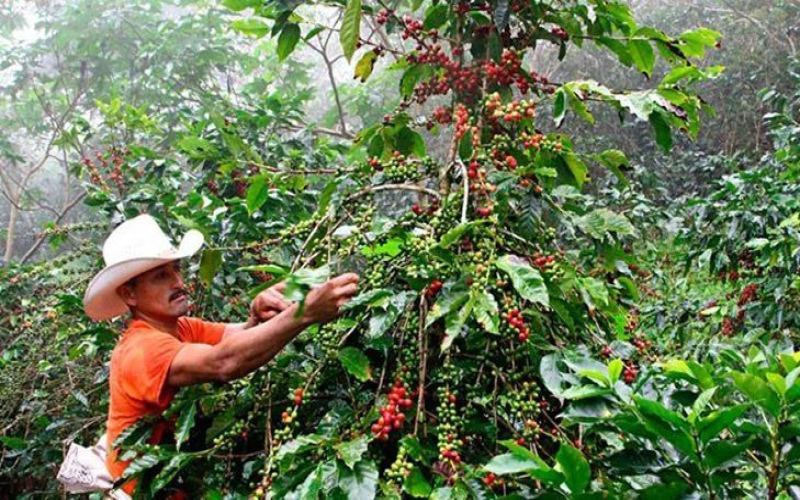
The Rise of the Honduran Coffee Industry and a Complete Guide to Front Street Honduran Coffee Beans: Pour-Over Parameters, Water Temperature, and Ratios
Honduras is an important coffee-producing country in Central America. Although it started late, it caught up quickly: by 2011 its output had surpassed Guatemala's, and today it ranks firmly among the world's top ten coffee producers. This article will provide a comprehensive overview of Honduran coffee from the perspectives of its historical development, producing regions, variety characteristics, grading standards, and processing methods. It will also combine the practical brewing experience of several Honduran coffee beans from Front Street Coffee to share pour-over parameters and water-temperature ratios in detail. Whether you want to understand the regional flavors of Honduran coffee or are looking for practical pour-over solutions, this article can provide valuable reference. [more…]
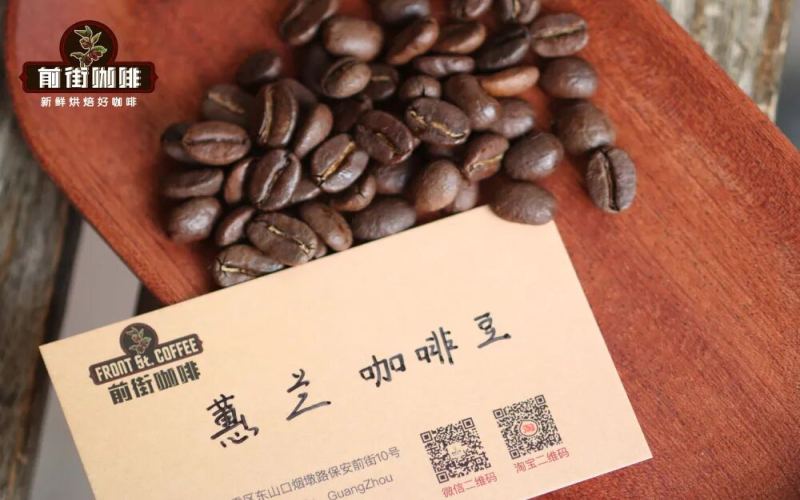
Coffee Varieties | Why is Caturra called "sun-exposed coffee"? What flavors does Caturra coffee present after brewing? What are the pros and cons of Caturra coffee?
Caturra is one of the varieties under the Arabica branch and a descendant derived from the ancient Bourbon variety. Because of its high yield and good flavor performance, it is currently widely cultivated in Central and South America. In the lengthy list of beans at Front Street Coffee, varieties such as Front Street Guatemala La Flor, Front Street Honduras Lychee Orchid, and Front Street Colombia Rose [more…]
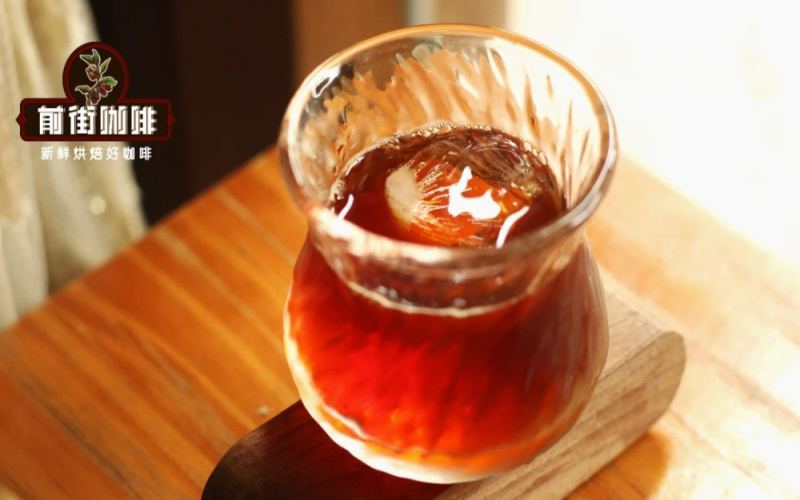
Why Does Cold Brew Coffee Need to Be Prepared a Day in Advance? A Complete Guide to Bean Selection and Flavor Types for Making Cold Brew at Home
Cold brew's production process differs from hot brewing, requiring a day of pre-soaking, so stores typically select only a small number of suitable bean varieties. Based on extensive customer feedback, Front Street Coffee has compiled a detailed guide to beans for cold brew. This article focuses on the cold brew production process, its core characteristics, and four flavor types—rich fruity, fresh floral and fruity, full-bodied and deep, and subtly wine-like—recommending specific beans one by one, including Front Street Coffee's Huakui, Ethiopian Etto, Yirgacheffe Gedingding, Boquete Washed Geisha, Jamaican Blue Mountain, Indonesian Golden Mandheling, 90+ Eleta Geisha, Strawberry Candy, and Mozart, along with steeping ratios and operating details, to help coffee enthusiasts recreate their desired cup of cold brew at home. [more…]
Panama Specialty Coffee Regions and Geisha Grade Classification, Plus Front Street Pour-Over Parameters
Panama is a pivotal origin in the global specialty coffee landscape, and when it is mentioned, most people first think of Geisha. This variety is renowned for its clean cup profile and richly layered fruit notes, and Hacienda La Esmeralda's grading system for Geisha—Red Label, Green Label, and Blue Label—has long been a favorite topic among enthusiasts. When selecting Panamanian beans, Front Street Coffee takes terrain, altitude, and processing methods into comprehensive consideration, and has listed a number of coffees from the Boquete and Volcán regions, including Butterfly, Elida, Hartmann, and Geisha of different grades. This article will sort through the historical origins of Panamanian coffee, the characteristics of its two core producing regions, and the logic behind Hacienda La Esmeralda's Geisha grading, and will also include Front Street's pour-over brewing parameters for Panamanian Geisha for your reference. [more…]
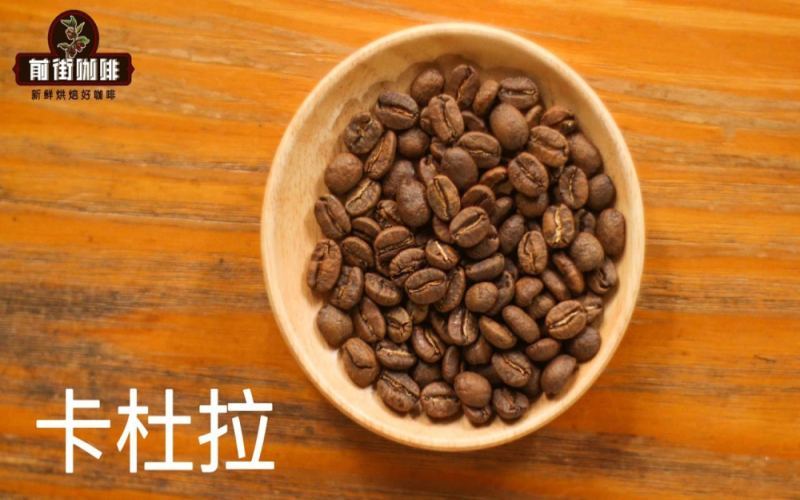
Is Caturra a member of the Arabica family? A full breakdown of its origin, flavor characteristics, and brewing key points
As a descendant of a Bourbon genetic mutation, Caturra has long become one of the main varieties in coffee-producing regions of Central and South America. Is it actually an Arabica? What makes its flavor profile unique? This article will examine Caturra from the perspectives of its discovery history, botanical characteristics, cultivation adaptability, disease-resistance weaknesses, and fruit color classification, while also drawing on the brewing practice of Front Street Coffee's Colombia Huila everyday beans to share extraction ideas and flavor presentation for medium-dark roasted Caturra in a KONO dripper, helping coffee enthusiasts gain a comprehensive understanding of this variety. [more…]
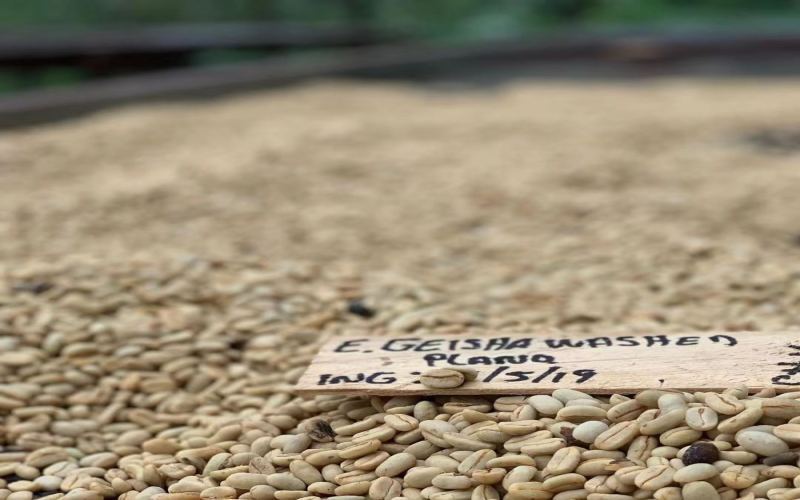
Exploring Costa Rica's Tarrazú Dota Region: A Comprehensive Analysis of Micro-Lot Geisha and Hacienda La Esmeralda Auction Geisha
Geisha and Yirgacheffe are actually the same type of coffee, transliterated from Japanese. This article begins with the red, green, and blue label classifications of Panama's Hacienda La Esmeralda, sorting out its strict quality control and auction lot standards, and tracing Geisha's legendary path from the forests of Ethiopia to Kenya, Tanzania, Costa Rica, and then to Panama, where it rose to fame. It also delves into Gesha Village to explain the variety differences between Gori Gesha and Gesha 1931, the meanings of the OMA and SURMA block numbers, and the traceability system for natural process lots. Finally, it presents complete information on three products launched by Front Street Coffee: Ethiopia Gesha Village Natural, Panama Hacienda La Esmeralda Red Label Washed, and Costa Rica Tarrazú Dota Goddess Estate Geisha. [more…]
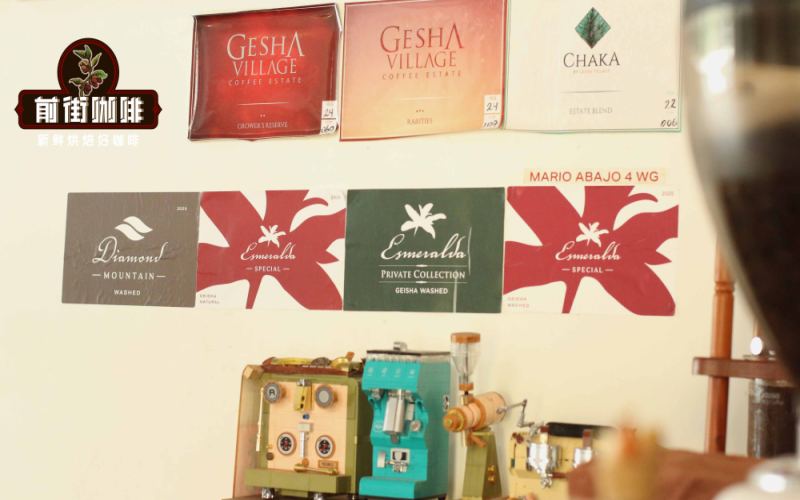
A Detailed Guide to Geisha Coffee Brand Grading: A Comprehensive Analysis of Hacienda La Esmeralda's Red, Green, and Blue Labels—Their Characteristics, Flavors, and Roasting Key Points
Geisha coffee, with its unique floral and fruity aroma and clean taste, has become a star variety in the specialty coffee world. This article systematically sorts out the main brand grades of Geisha coffee, focusing on the analysis of the red, green, and blue label grading system of Panama's Hacienda Esmeralda and its flavor differences, and introduces the representative estates of the two major producing regions, Boquete and Volcan, as well as the various Geisha and Panama specialty beans sold by Front Street Coffee. At the same time, the article also covers the differences between washed and natural processing, roasting approaches, and the producing region, altitude, variety, and flavor description of each coffee, taking you through a comprehensive understanding of the tricks behind "the taste of money." [more…]
Panama Geisha Coffee Bean Grading System and Screen Size Characteristics: A Full Analysis of the Flavor Differences Between Red, Green, and Blue Labels and the Boquete and Volcán Regions
Panama Geisha occupies an irreplaceable position in the global specialty coffee landscape thanks to its clean, translucent cup and layered fruity aftertaste. When selecting Panamanian coffees, Front Street Coffee conducts a comprehensive assessment across multiple dimensions such as terrain, altitude, and processing method, and considers the coffee beans from this region to offer extremely high value for money, which is why it has successively added a number of Panamanian coffees to its lineup. This article will focus on the variety's origins, Hacienda La Esmeralda's grading system (Red Label, Green Label, Blue Label), and the flavor characteristics of the two core producing regions, Boquete and Volcán. It will also introduce representative coffees currently offered by Front Street, such as Butterfly, Elida, Hartmann, and Janson, to help enthusiasts build a systematic understanding of Panamanian coffee. [more…]
Flavor Analysis and Pour-Over Parameters Guide for Colombia San Caldas San José Estate Oak Barrel Fermented Coffee Beans
In the world of specialty coffee, barrel-fermentation processing has attracted much attention in recent years, and the pioneer of this technique was not Honduras' Moca estate, but rather El Finca San José in Colombia's San Caldas region. In a moment of inspiration, the estate's third-generation female owner placed green coffee beans into rum oak barrels for low-temperature fermentation. After repeated experiments, she ultimately created the distinctive rum barrel-fermented coffee. This article will guide you through the background of Finca San José, the birth of barrel fermentation, the origins of the Castillo variety, and Front Street Coffee's pour-over performance and brewing recommendations for this bean at different water temperatures, helping you gain a more comprehensive understanding of this uniquely flavored Colombian specialty coffee. [more…]
A Complete Analysis of the Flavor Characteristics and Varieties of Latin American Single-Origin Coffee Beans: A Regional Guide from Brazil to Costa Rica
The global coffee-growing belt can be divided into three major regions: Africa, Asia-Pacific, and Latin America. Among them, Latin America is known for its mellow, balanced character reminiscent of cocoa and dark chocolate. Starting from Front Street Coffee's everyday beans series, this article systematically reviews the historical origins, variety characteristics, and processing method evolution of Latin American coffee, and interprets one by one the flavor codes of representative producing countries such as Brazil, Colombia, Panama, Costa Rica, Honduras, Jamaica Blue Mountain, and Nicaragua. The article also includes brewing parameters and flavor descriptions for specific beans such as Front Street Queen's Estate Yellow Bourbon, Sidra, Boquete Geisha, Mozart, washed Caturra, Blue Mountain No. 1, and Villalobos, providing coffee lovers with a guide to Latin American coffee that is both informative and practical. [more…]
Analysis of the Flavor Characteristics and Pour-Over Parameters of Colombia Finca San José Oak Barrel Fermented Coffee Beans
In the specialty coffee world, barrel-fermented processing methods have attracted considerable attention in recent years, and the origins of this technique can be traced back to Finca San José in Colombia. The third-generation female owner of the estate was the first to try placing green coffee beans into rum oak barrels for low-temperature fermentation, pioneering a distinctive processing method. This article will provide a comprehensive introduction to Finca San José's regional background, the development of the Castillo variety, the specific process of fine washing combined with rum barrel fermentation, and compare its flavor differences with the barrel-aged beans from Finca Moca in Honduras. At the same time, Front Street Coffee will share the optimal extraction parameters and flavor performance of this bean through brewing experiments at three different water temperatures, helping coffee enthusiasts gain a deeper understanding of this unique Colombian coffee. [more…]
A Complete Guide to Latin American Coffee Regions: Flavor Profiles, Processing Methods, and Brewing Guides for Signature Beans
Among the world's three major coffee-producing regions, Latin America stands out for its balanced taste and rich, cocoa- and dark-chocolate-like flavors. This article systematically reviews the coffee-growing backgrounds, main producing areas, processing method characteristics, and flavor profiles of countries such as Brazil, Colombia, Panama, Costa Rica, Honduras, Jamaica, Guatemala, and Nicaragua, and combines them with Front Street Coffee's everyday beans series and brewing methods to help coffee lovers build an overall understanding of Latin American coffee, making it a valuable reference for both everyday purchasing and pour-over practice. [more…]
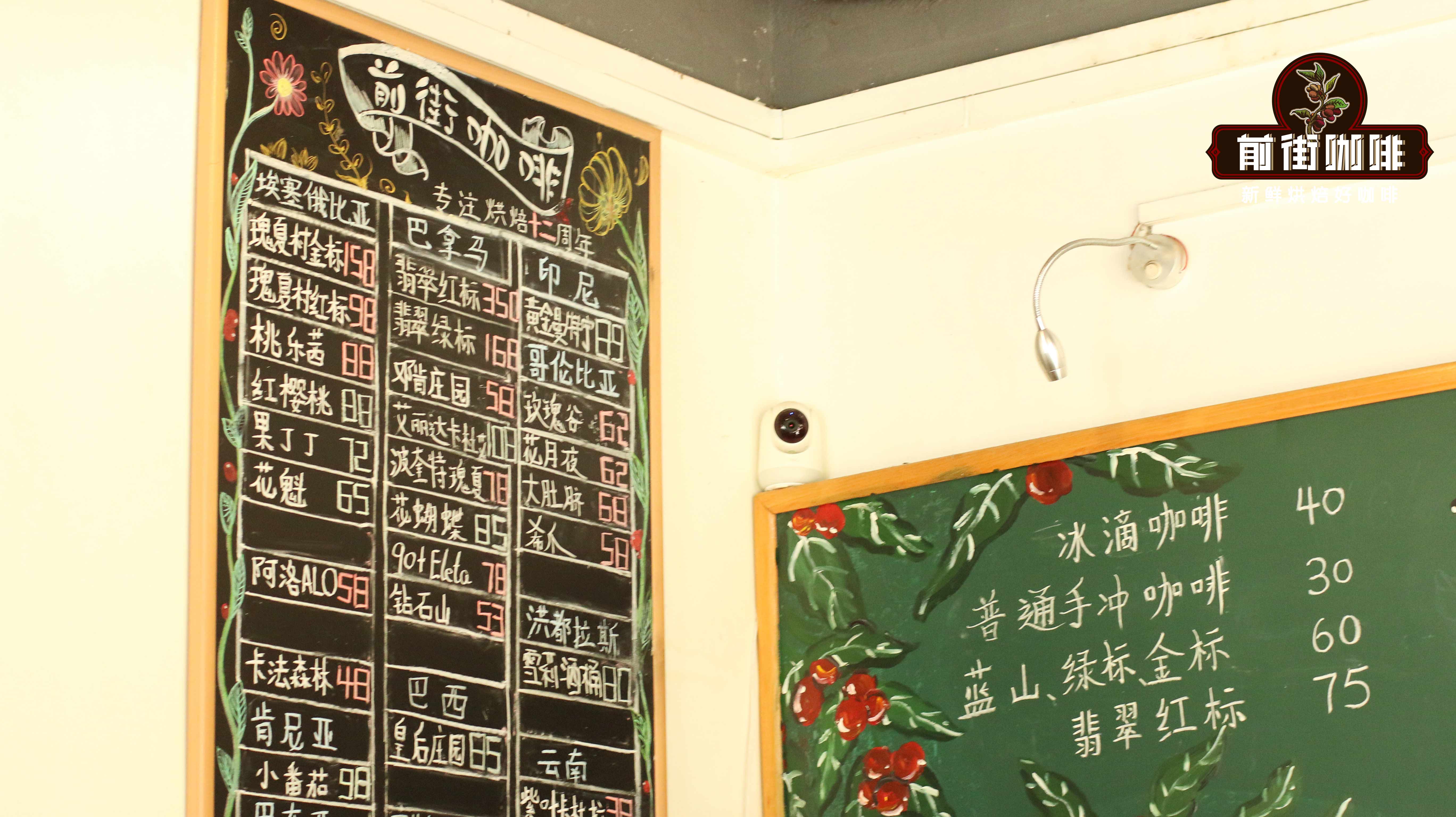
A Complete Guide to Central and South American Coffee Regions: Flavors, Varieties, and Key Producing Countries of Latin American Coffee Beans
The world's coffee belt can be divided into three major producing regions: Africa, Asia-Pacific, and Latin America, each presenting distinctly different flavor profiles. African beans are known for their fruity acidity, Asian beans for their herbal richness, while Latin American coffees fall somewhere in between, celebrated for their balanced, mellow character reminiscent of cocoa and dark chocolate. This article focuses on the Central and South American producing regions, examining country by country—Brazil, Colombia, Panama, Costa Rica, Honduras, Jamaica, Guatemala, and Nicaragua—their coffee varieties, processing methods, major producing areas, and flavor characteristics, and combines this with Front Street Coffee's everyday drinking bean series and brewing demonstrations to help coffee enthusiasts build a systematic understanding of Latin American coffee. [more…]
A Detailed Explanation of the Grade Classifications of Panama Hacienda La Esmeralda Geisha Coffee: Differences Between Red, Green, and Blue Labels and Cupping Flavors
Hacienda La Esmeralda in Panama is the discoverer and promoter of the Geisha flavor, and its original grading system classifies Geisha coffee into different grades such as Red Label, Green Label, and Blue Label according to altitude and cupping performance. From the perspective of Front Street Coffee, this article systematically reviews the four major brand systems of Hacienda La Esmeralda, explains in detail the origin, altitude, processing method, and flavor differences of Red Label (Esmeralda Special), Green Label (Private Collection), and Blue Label (Geisha 1500), and also introduces the climatic advantages of Panamanian coffee, the characteristics of Janson Estate and Hartmann Estate, as well as Front Street's roasting approach, brewing parameters, and cupping performance for three Geisha coffees, providing coffee enthusiasts with a complete guide to Geisha grades. [more…]
A Complete Guide to Panama Hacienda La Esmeralda's Grading System: Flavor Profiles and Brewing Guide for Red, Green, and Blue Label Geisha Coffee Beans
Panama's Hacienda La Esmeralda is the discoverer and promoter of the Geisha flavor, and its grading system classifies Geisha coffee beans into different grades such as Red Label, Green Label, and Blue Label, becoming a quality benchmark in the specialty coffee world. Front Street Coffee's most expensive bean comes from here. This article will guide you through Hacienda La Esmeralda's geographical and climatic advantages, the layout of its four major farms, the logic behind its grading system, and the specific differences between Red Label, Green Label, and Blue Label Geisha in terms of cupping flavor and brewing performance. It will also introduce the Geisha characteristics of well-known Panamanian estates such as Janson and Hartmann, providing coffee enthusiasts with a complete reference for purchasing and tasting. [more…]