







How Does Geisha Coffee Brand Grading Work at Hacienda La Esmeralda?
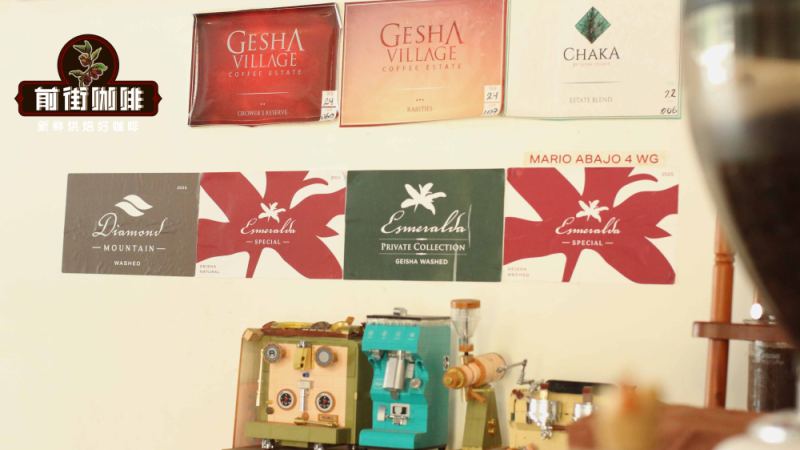
Geisha coffee is graded by brand and estate, and the clearest example is Hacienda La Esmeralda in Panama, which released Red Label, Green Label and Blue Label Geisha. The labels differ in the plot, altitude and selection behind each lot, so they also differ in flavor and price. Blue Label has since been discontinued, leaving Red and Green as the main references.
Panama's coffee history reaches back to 1780, when European immigrants brought the first Typica trees, and the country's high mountains, sunshine and labor supply later supported specialty production. Estates in Boquete and Volcán now define much of the market, and buyers weigh terrain, altitude and processing method when choosing lots. Washed and natural processing, plus roast level, shape how each label tastes.
Geisha coffee, with its unique floral and fruity aroma and clean taste, has become a star variety in the specialty coffee world. This article systematically reviews the main brands and grades of Geisha coffee, focusing on the red, green, and blue label grading system of Panama's Hacienda La Esmeralda and their flavor differences. It also introduces representative estates in the two major producing regions of Boquete and Volcán, as well as several Geisha and Panama specialty beans currently sold by Front Street Coffee. At the same time, the article covers the differences between washed and natural processing, roasting approaches, and the producing region, altitude, variety, and flavor descriptions of each coffee, giving you a comprehensive understanding of the secrets behind the so-called "taste of money."
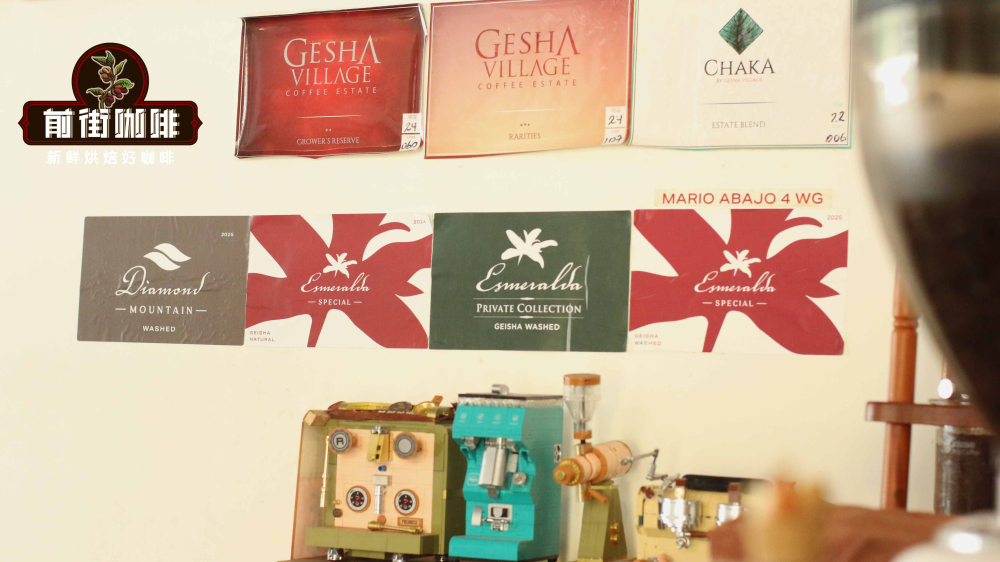
To learn more about specialty coffee, welcome to follow Front Street Coffee (Frontsteet Coffee).
There are many brands of Geisha coffee, and different brands correspond to different grades, often backed by well-known estates in various producing regions. For example, the most renowned Hacienda La Esmeralda once launched Esmeralda Red Label Geisha, Esmeralda Green Label Geisha, and Esmeralda Blue Label Geisha (now discontinued). Today, Front Street will guide everyone through a systematic understanding of these Geisha coffees and let you experience the so-called "taste of money."
When it comes to Geisha, Hacienda La Esmeralda in Panama is an unavoidable name. Without Hacienda La Esmeralda's discovery of the Geisha variety back then, there would not be this delicious cup today. In Front Street's view, Geisha coffee has a clean taste with a lively and rich fruit aroma in the aftertaste. Front Street Coffee (FrontStreet Coffee), when selecting high-quality Panama coffee beans, takes multiple factors into consideration, including terrain, altitude, and processing method. Front Street also believes that Panama coffee beans offer great value for money, so it has listed several Panama coffees. A brief introduction follows.
The history of Panama coffee can be traced back to 1780, when European immigrants introduced the first Typica coffee trees. Panama is located in Central America and possesses natural conditions such as sunshine, land, and high mountains, plus an ample labor force. Front Street Coffee (FrontStreet Coffee) believes it is no accident that this region can become an excellent origin for high-quality specialty coffee.
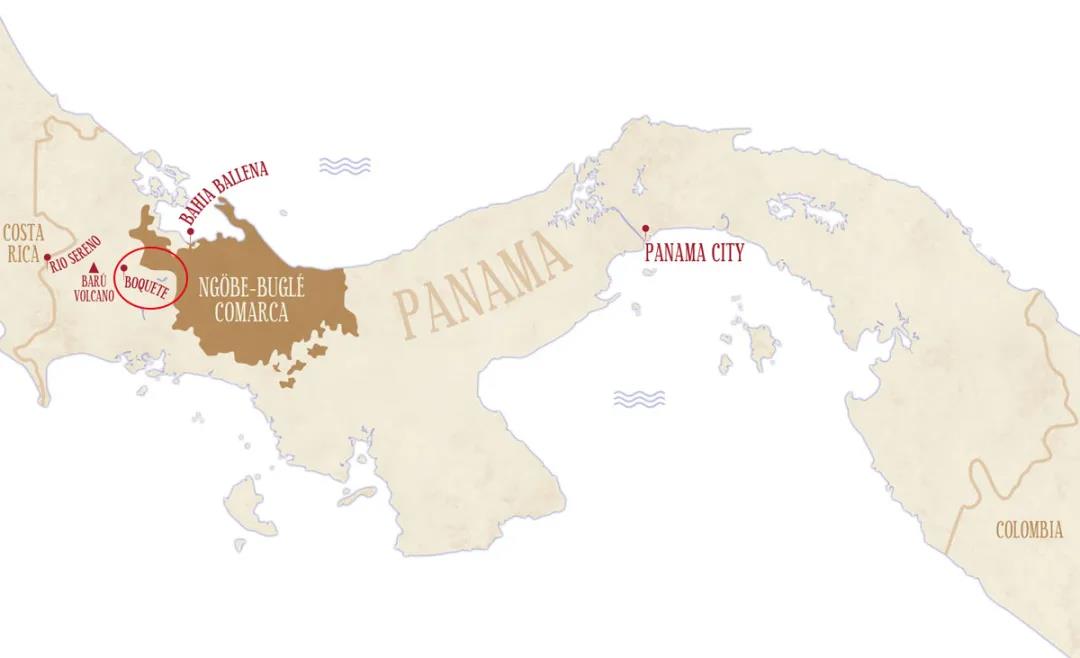
According to Front Street's understanding, Panama specialty coffee mainly comes from two producing regions: Boquete and Volcán. These coffees often emit an elegant and charming floral perfume fragrance and evoke fruity notes, with a long-lasting aroma as their characteristic. Front Street Coffee (FrontStreet Coffee) has several coffee beans from the Boquete producing region, such as Butterfly coffee beans and Elida Typica. The Boquete producing region is located near the border between Panama and Costa Rica, close to the famous Barú Volcano, with fertile and rich soil; the climate and soil are very suitable for growing high-quality coffee.
In addition, the Boquete producing region has many famous estates, such as Hacienda La Esmeralda, Elida Estate, and Kotowa Duncan Estate. Among them, the most notable is Hacienda La Esmeralda, and Front Street also highly recognizes Hacienda La Esmeralda's coffee beans.
Hacienda La Esmeralda mainly grows the Geisha variety. Geisha was initially not valued at Hacienda Jaramillo and was only used as a windbreak tree, so its production was very small. Later, Hacienda Jaramillo was acquired by Hacienda La Esmeralda. Front Street believes this may be partly related to the better coffee flavor produced in the Hacienda Jaramillo area. Hacienda La Esmeralda's decision to continuously acquire other estates was very wise. Front Street believes this is also one of the important reasons why Hacienda La Esmeralda can hold a certain position in the coffee industry.
It was not until after being acquired by Hacienda La Esmeralda that the distinctiveness of the Geisha variety's flavor was discovered. Front Street believes that perhaps it is precisely because Geisha was grown in a relatively harsh environment that it coincidentally presented such an excellent flavor.
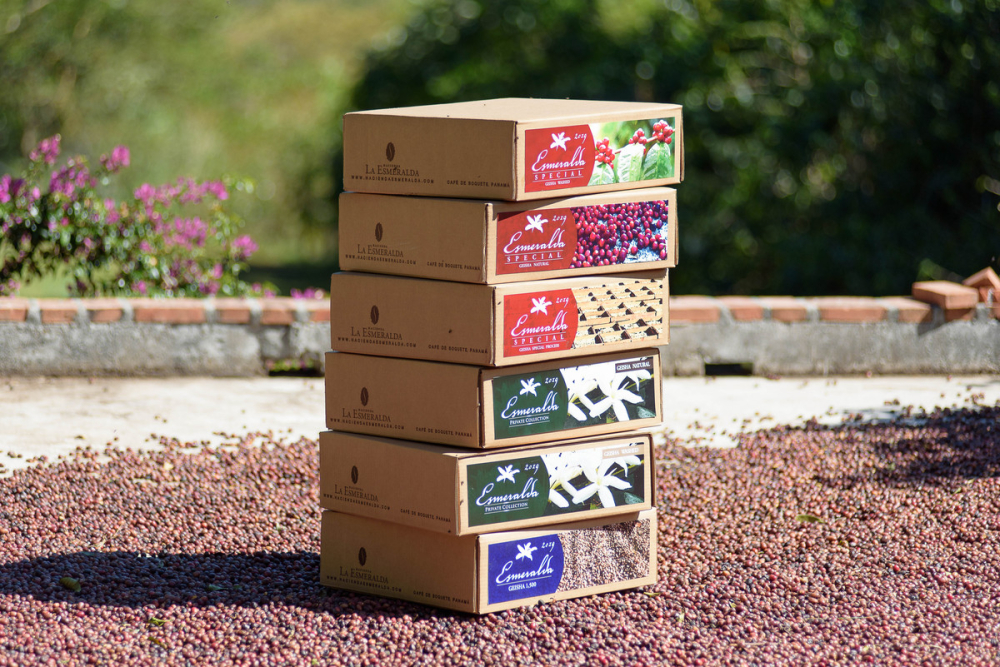
Front Street feels that obtaining high-quality coffee beans is not easy and requires a great deal of thought and management. Just like Hacienda La Esmeralda, which also put tremendous effort into Geisha grading. They determined planting plots based on altitude and divided Geisha into several grades such as Red Label, Green Label, and Blue Label.
You may not be very familiar with the concepts of Red Label, Green Label, and Blue Label, so Front Street will explain them. High-quality Geisha comes from three estates: Jaramillo, Cañas Verdes, and El Velo. Hacienda La Esmeralda divides them into five major brands based on cup performance, planted variety, and planting plot. The Geisha variety has three brands: Esmeralda Special, Private Collection, and Geisha 1500.
Front Street Red Label: namely the Geisha specially selected by Hacienda La Esmeralda. Altitude is 1600-1800 meters, cupping score above 90 points, produced from Jaramillo and Cañas Verdes. The Red Label put up for auction is called Auction Red Label, while those not put up for auction are called Red Label. In fact, both non-auction Red Label and Auction Red Label come from the same plot, so Front Street believes both Geisha coffees are good choices; if you just want to try Geisha at first, you can start with Red Label Geisha. This grade of Geisha is available in both natural and washed processing, with a very special, bright flavor and floral and citrus aromas.
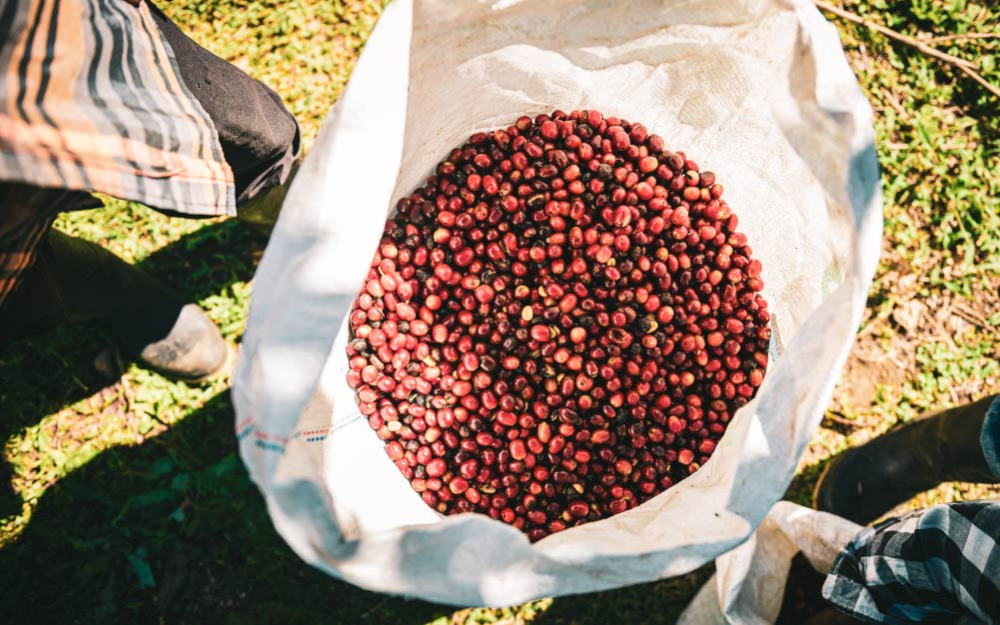
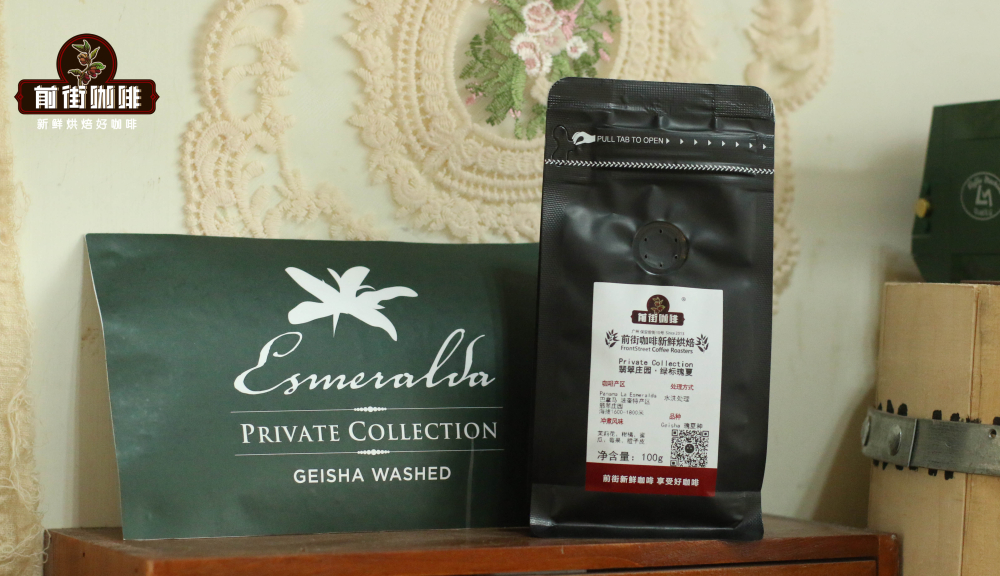
Front Street Green Label: Private Collection, commonly known as Green Label. Geisha varieties that are not entered into auctions but are of excellent quality, belonging to micro-lot blends from different plots.
Front Street's customers often mention the difference between Red Label and Green Label. Front Street believes it is that Red Label can be traced to a specific plot, while Green Label cannot specify a particular plot. But this does not affect Green Label's flavor. On the contrary, Front Street thinks this is like buying a lottery ticket; perhaps what you bought is Green Label, but the lot you may drink could be Red Label. This is a very interesting phenomenon. Although Front Street Green Label is not as high-grade as Front Street Red Label, Front Street Green Label still carries the classic flavor of Geisha: floral, fruity, and citrus acidity.
Front Street Blue Label: the brand Geisha 1500 is what we commonly call Blue Label Geisha. It is a blend of beans from three different plots, selected at an altitude of 1400-1500 meters. The difference between Blue Label and the other two is that Blue Label Geisha generally only comes in washed processing, with a flavor carrying slight floral and fruity acidity. Front Street Coffee (FrontStreet Coffee) not only offers washed Blue Label Geisha but also provides natural-process Blue Label Geisha coffee beans.
This batch of washed Red Label Geisha purchased by Front Street comes from Hacienda La Esmeralda's Jaramillo plot. Hacienda La Esmeralda puts the harvested coffee cherries into a filtration tank, skims off floating debris, then drains the water and pushes the selected coffee cherries down the funnel for the next step of processing.
The washed Green Label Geisha beans are relatively hard. Because beans from the new crop season have better water activity, Front Street chooses high temperature and rapid dehydration during roasting, using a faster roasting pace to express Green Label Geisha's multi-layered fruit flavors and rich floral aroma.
In previous years, Blue Label Geisha was only washed, but this year Blue Label Geisha added natural processing, and Front Street has also listed a natural-process Blue Label Geisha. Front Street will briefly introduce the natural Blue Label Geisha.
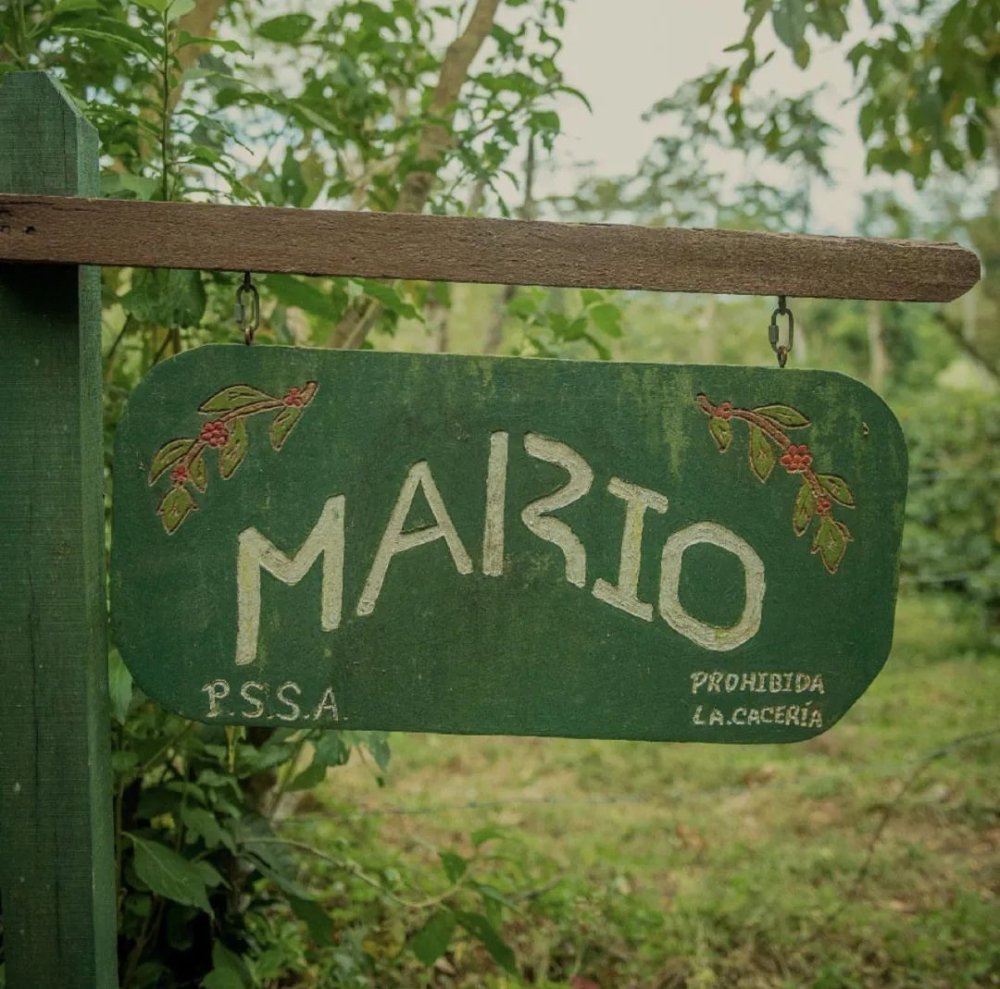
Generally speaking, Hacienda La Esmeralda's natural processing sends the harvested coffee fruit directly to the courtyard to dry. The coffee fruit slowly dries while the coffee beans are still inside, and the coffee beans become full of fruity and aromatic notes. When it reaches sufficient dryness, it is placed in a Guardiola dryer and rotated for 72 hours to complete the drying process and prevent fermentation. After drying is completed, it is put into nylon bags and stored in the warehouse. Of course, Hacienda La Esmeralda's natural processing also has challenges that must be faced: during the drying process, if one is not careful, the parchment beans will reabsorb moisture and damage quality.
In addition, we have also listed a Front Street Butterfly coffee bean from the Boquete producing region. Butterfly has 70% premium Geisha lineage and is composed of three varieties: Geisha, Caturra, and Catuai. It is grown near Barú Volcano in Boquete and uses washed processing. Front Street believes this coffee bean performs very well in body, acidity, and floral aroma. The three varieties in Butterfly are all from the same origin and the same producing region, making it a single-origin bean. Caturra is a Bourbon variety, while Catuai is an Arabica hybrid variety, a cross between Mundo Novo and Caturra.
In the Panama region, Front Street also purchases high-quality Panama coffee beans from the Volcán producing region. Front Street also has a Geisha variety called Janson, also known as the "Champagne of the coffee world." However, this one is relatively rarely heard of domestically. It comes from the Volcán producing region. Front Street learned that this is because Janson Estate mainly focuses on domestic sales and does not export. Even though this Janson coffee is rarely heard of, Front Street still chose to list it, partly because it wants to introduce excellent coffee from deep in the mountains to customers.
Coffee beans will not have completely different flavors just because of boundaries set by people. Front Street believes that the coffee flavors of Boquete and Volcán both carry a similarity with fruity and floral notes.
According to information Front Street consulted, in the early days the Volcán region grew economic crops such as fruits and vegetables, and only relatively few farmers grew Panama coffee. The first to grow coffee were the Hartmann family and the Janson family. The Hartmann family's Hartmann Estate is also very well known, and Front Street has also listed a coffee from Hartmann Estate, using a relatively special red wine processing method (also called carbonic maceration). This processing method mainly controls pH, temperature, and humidity, and its inspiration mainly comes from the winemaking process for red wine.
Customers familiar with Front Street know that the coffee beans listed by Front Street are not unchanging. What Front Street provides is specialty coffee, with attention not only to raw materials but also to roast level. Front Street regularly tries coffee beans from different regions and only considers listing each coffee bean after confirming that it has the representative flavor of that region.
1. Front Street Coffee (FrontStreet Coffee) Panama Butterfly Coffee Beans Coffee producing region: Boquete, Panama Altitude: 1600 meters Variety: Geisha, Caturra, Catuai Processing method: Washed Flavor: Citrus, floral, tea-like, honey, high sweetness
2. Front Street Coffee (FrontStreet Coffee) Panama Natural Blue Label Geisha Coffee Beans Growing origin: Boquete, Panama Coffee estate: Hacienda La Esmeralda Coffee grade: Blue Label Altitude: 1500 meters Variety: Geisha Processing method: Natural Flavor: Peach, floral, cantaloupe, strawberry
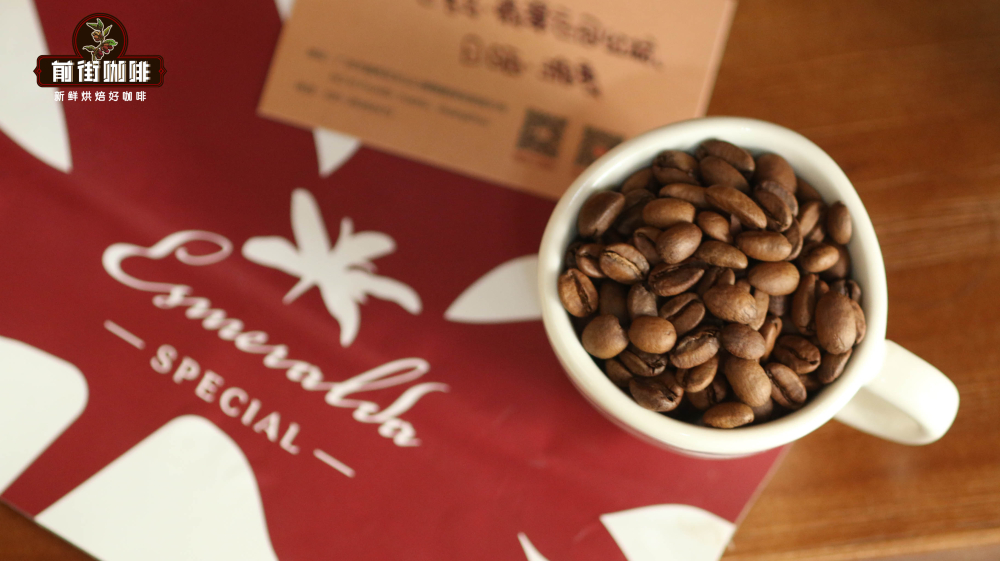
3. Front Street Coffee (FrontStreet Coffee) Hacienda La Esmeralda Red Label Geisha Coffee Beans Producing region: Boquete Estate: Hacienda La Esmeralda Altitude: 1700 meters Processing method: Natural Variety: Geisha Flavor: Lemon, honey, berry, orange peel, cream, citrus
4. Front Street Coffee (FrontStreet Coffee) Panama Elida Estate Coffee Beans Producing region: Boquete, Panama Estate: Elida Estate Altitude: 1850 meters Variety: Catuai Processing method: Natural Flavor: Fermented fruity acidity and jasmine floral aroma, peach and orange acidity on the palate, obvious sucrose sweetness, overall fresh and sweet.
5. Front Street Coffee (FrontStreet Coffee) Panama Hartmann Coffee Beans Producing region: Volcán Altitude: 1250 meters-1700 meters Processing method: Red wine processing Variety: Catuai Estate: Hartmann Estate Flavor: Rich wine aroma, high sweetness, lively and bright acidity; after cooling, brown sugar flavor becomes more obvious.
6. Front Street Coffee (FrontStreet Coffee) Panama Janson Geisha Coffee Beans Producing region: Volcán Processing method: Natural Annual rainfall: 3000mm Soil: Volcanic soil Flavor: Delicate berry notes, clean mouthfeel, honey, lychee flavor
The above content is compiled by CoffeeHunters, a coffee news website.


