







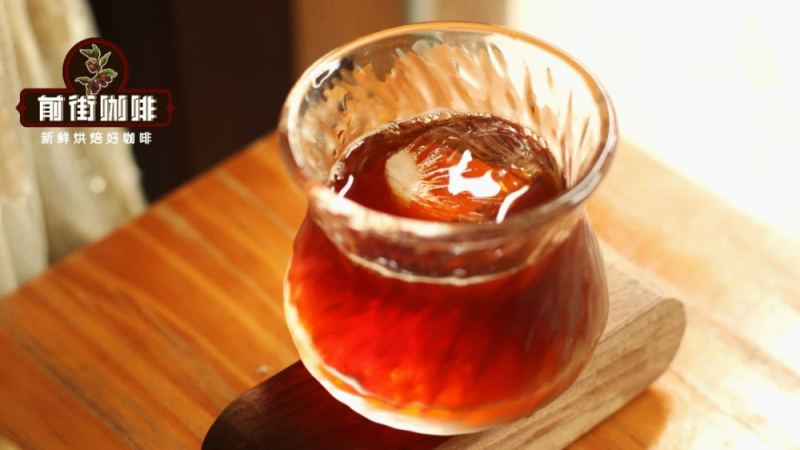
Which Coffee Beans Work for Cold Brew at Home?
Cold brew needs a day of soaking, which is why shops keep far fewer bean options for it than for pour-over. Front Street groups suitable beans into four flavor types: rich fruity, fresh floral and fruity, full-bodied and deep, and a slightly tipsy wine-like style. Beans named include Huakui, Ethiopian Eto, Yirgacheffe Gutingding, Boquete Washed Geisha, Jamaican Blue Mountain, Golden Mandheling, 90+ Eleta and Strawberry Candy.
The method is simple: 50 grams of grounds, ground so 85 percent passes a No. 20 sieve, go into a glass bottle with 400 milliliters of room-temperature water and 200 grams of ice. Some cold brews come out with a fermented, wine-like note, which is why a batch can taste the way it does when cold brew tastes like alcohol even without any added. Geisha coffee fits the floral and fruity type.
Cold brew coffee differs from hot brewing in its production process, requiring a day-ahead soaking, so stores typically select only a small number of suitable bean varieties. Based on extensive customer feedback, Front Street Coffee has compiled a detailed guide to beans for cold brew. This article focuses on the cold brew production process, core characteristics, and four flavor types—rich fruity, fresh floral and fruity, full-bodied and deep, and slightly tipsy wine-like—recommending specific beans such as Front Street Coffee's Huakui, Ethiopian Eto, Yirgacheffe Gutingding, Boquete Washed Geisha, Jamaican Blue Mountain, Indonesian Golden Mandheling, 90+ Eleta Geisha, Strawberry Candy, and Mozart, along with soaking ratios and operational details to help coffee enthusiasts recreate their desired cup of cold brew at home.
For more specialty coffee knowledge, please follow the WeChat public account: FrontStreet Coffee
The production process of cold brew coffee is completely different from regular hot brewing, as it must start soaking a day in advance, so the cold brew sold at Front Street stores has far fewer bean choices than pour-over.
However, precisely because of this, when preparing cold brew, Front Street is especially careful to select coffee beans that are suitable for cold brew and have high flavor acceptance, so that even with a limited range of options, customers can still enjoy a quite good drinking experience.
These cold brews suit most people's tastes, so friends often quietly ask Front Street after tasting about the ingredients and recipes used for soaking, hoping to recreate the same great flavor at home.
Although Front Street just shared the general approach to bean selection a couple of days ago, many friends are still messaging privately, wanting a more detailed recommendation for cold brew beans. As mentioned earlier, cold brew coffee is made differently from hot brewing, and the same bean will produce coffee with a style very different from regular hot brewing.
How to Make Cold Brew Coffee
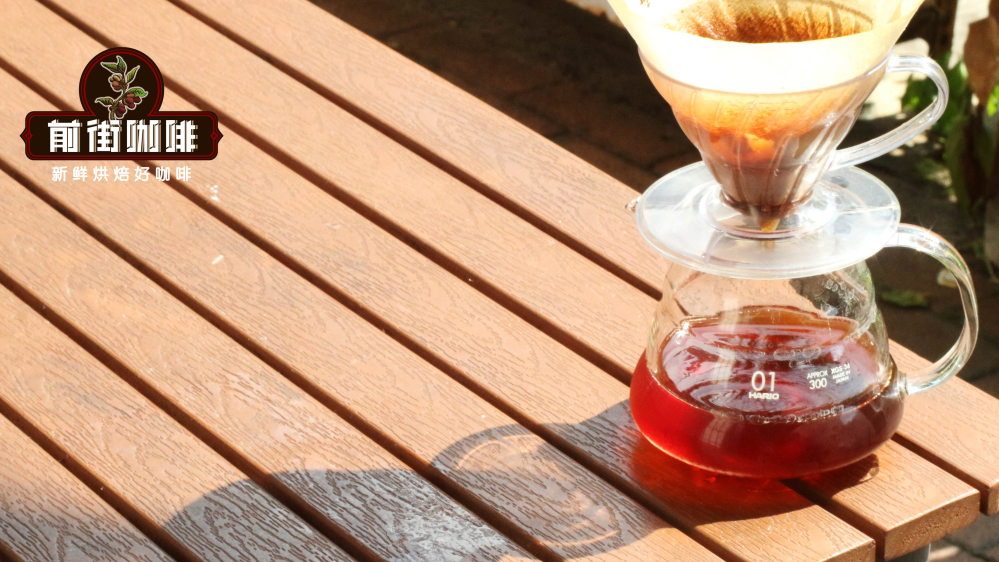
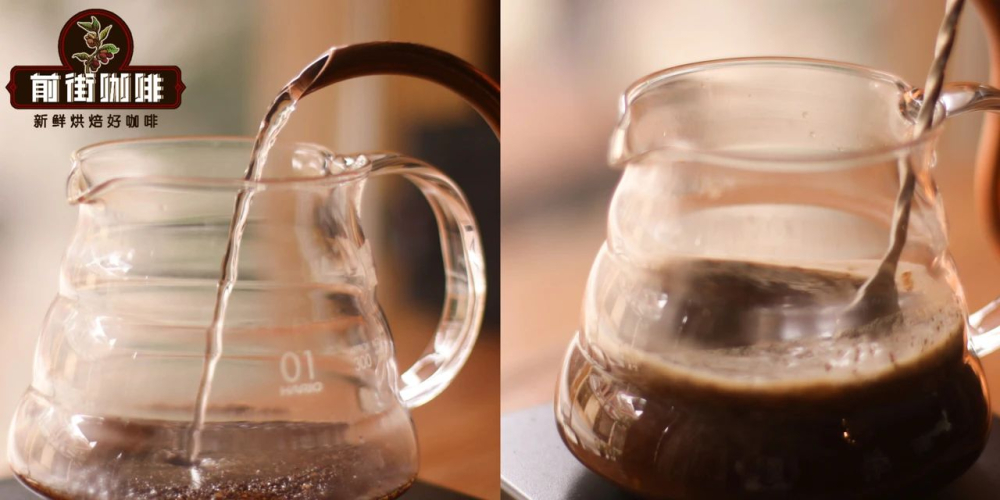
The operational threshold for cold brew coffee is very low. Taking Front Street Coffee's method as an example: use 50 grams of coffee grounds as the base, with the grind size controlled so that 85% passes through a No. 20 standard sieve. Put the coffee grounds into a glass bottle, pour in 400 milliliters of room-temperature water and 200 grams of hard ice cubes (totaling 600 grams of ice-water mixture), with a coffee-to-water ratio of 1:12. Stir the coffee grounds and water with a stirring stick, seal, and place in the refrigerator.
After letting it sit in the refrigerator for 12 to 24 hours, filter out the coffee grounds with filter paper to obtain a clear coffee liquid, then pour it into a clean sealed bottle and refrigerate for about 4 hours before drinking.
The core characteristics of cold brew coffee are that it is not bitter, has weak acidity, a soft flavor, and a fermented feel brought by "low-temperature aging." As long as you associate the performance of the coffee bean itself with these characteristics of cold brew, you can roughly infer what a bean will be like when made into cold brew. If you are not good at associating, that's fine too—Front Street will next share several beans commonly used in daily cold brew production, which you can directly copy to brew cold brew coffee that suits your preferences.
Rich Fruity Cold Brew
If you were to choose a cold brew to cool off in the hot summer, Front Street believes the vast majority of friends would prefer the sweet-and-sour, fruit-filled type. This kind of coffee has extremely low bitterness, and the pleasant sweet-and-sour taste can effectively dispel the summer stuffiness.
If you want to make a cold brew full of juice-like feel, Front Street Huakui Coffee and Front Street
are very suitable. The cold brew made with them will have a rich mango aroma, rounded citrus acidity, and a slight fermented feel of pineapple; or Front Street Ethiopian Eto, which can brew a cold brew with the aromas of lychee, mango, and blueberry.
Fresh Floral and Fruity Cold Brew
Some friends prefer cold brew with floral notes, a fresh and light style, and a less intense taste. In this case, you can choose washed processing. Washed beans have a relatively lower degree of fermentation, which better preserves the coffee bean's original flavor, especially washed beans from Ethiopian and Panamanian regions, which have always been known for their fresh fruity flavors; Geisha needs no further mention, as its rich floral aroma is almost universally known.
Recommended are Front Street Yirgacheffe Gutingding, whose washed processing brews a cold brew with the fresh flavors of lemon, white flowers, and green tea; or Front Street Boquete Washed Geisha and Washed Butterfly, whose cold brews present flavors of white florals, citrus, and honey.
But note that white floral notes can sometimes be mistaken for bitterness or medicinal flavors if too intense, so when making cold brew with beans that have white floral notes, you can appropriately increase the amount of water to slightly reduce the coffee concentration.
Full-bodied and Deep Cold Brew
Some friends enjoy the full-bodied, deep feeling brought by dark roasting. Front Street also shared recently how to make cold brew with dark-roasted, espresso blend beans. If you also like this "acid-free," fragrant, and extremely full-bodied cold brew, why not try making it with dark-roasted coffee beans.
Front Street Jamaican Blue Mountain Coffee and Front Street Indonesian Golden Mandheling are both excellent choices. The cold brew made with them will have a rich chocolate flavor, caramel sweetness, and a very full-bodied body.
"Slightly Tipsy" Wine-like Cold Brew
Wine-like cold brew is a must-have at Front Street stores, because its audience is simply too large. Many friends like cold brew not only because it tastes richer, but also because it has a fermented feel different from the norm. When we make cold brew with coffee beans that have a deeper degree of fermentation, the resulting coffee often has a stronger wine aroma, and one sip feels like drinking a mouthful of alcohol, making people exclaim in delight.
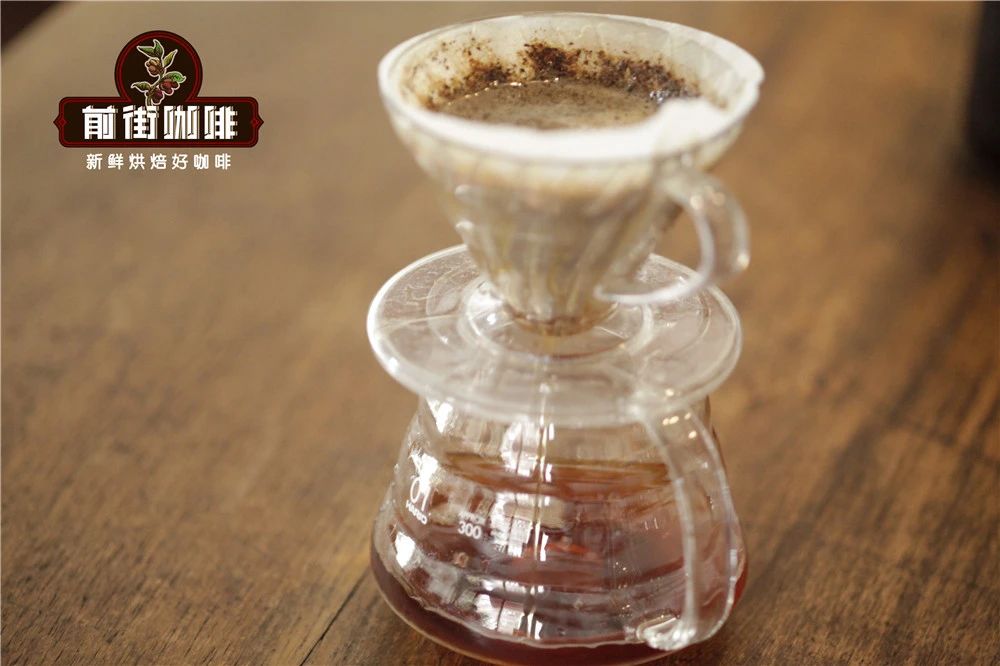
If you like cold brew with a rich wine aroma, Front Street would rather recommend using anaerobic processed coffee beans. This is because most anaerobic processing causes the coffee beans to undergo deeper fermentation, thereby generating a noticeable fermented feel.
Usually, Front Street uses two beans to make wine-like cold brew. One is Front Street 90+ Eleta Geisha Coffee from the bean list. Since it is a medium-roasted anaerobic processed bean, the cold brew extracted from it has almost no acidity, but rather a high sweetness like vanilla and cream, along with a very rich whiskey aroma.
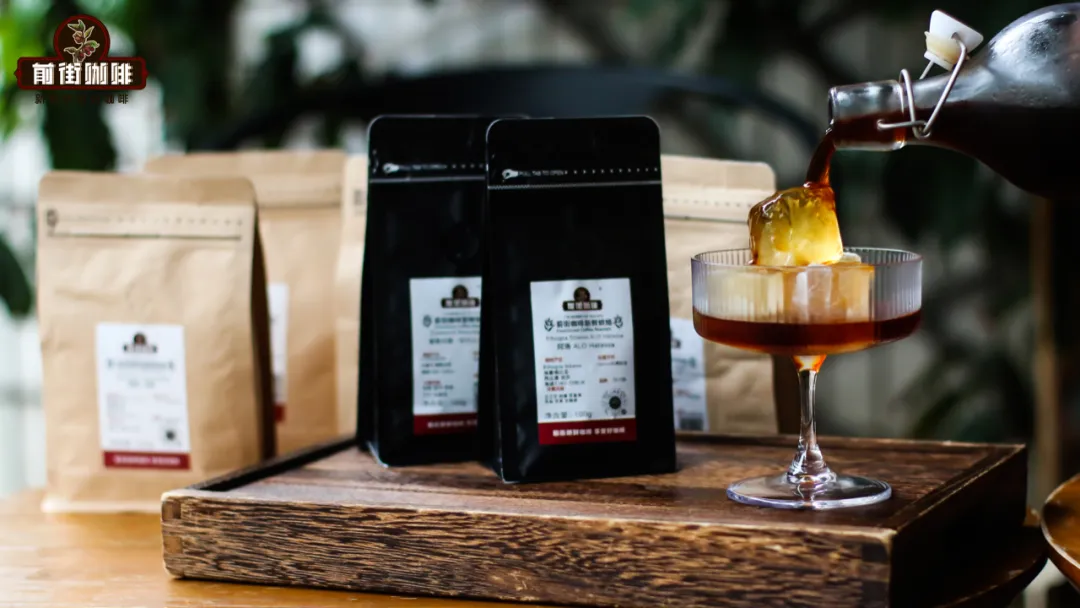
If what friends like is a wine-like cold brew with fruity notes and fruity acidity, and higher sweetness, then Front Street Strawberry Candy from the bean list is definitely the only choice.
With raisin honey processing, it has the fermented aromas of strawberry, berries, and raisins. After being made into cold brew, the coffee's sweetness will be enhanced, and the aromas of strawberry and raisins will evolve into the taste of fruit wine, which is very good; or Front Street Mozart with the same processing also works. In addition to the aromas of berries and raisins, we can also taste a purple floral note similar to lavender.
The above content is compiled by CoffeeHunters, a coffee news website.


