







Search Results for: 20-Mesh Sieve Pass Rate
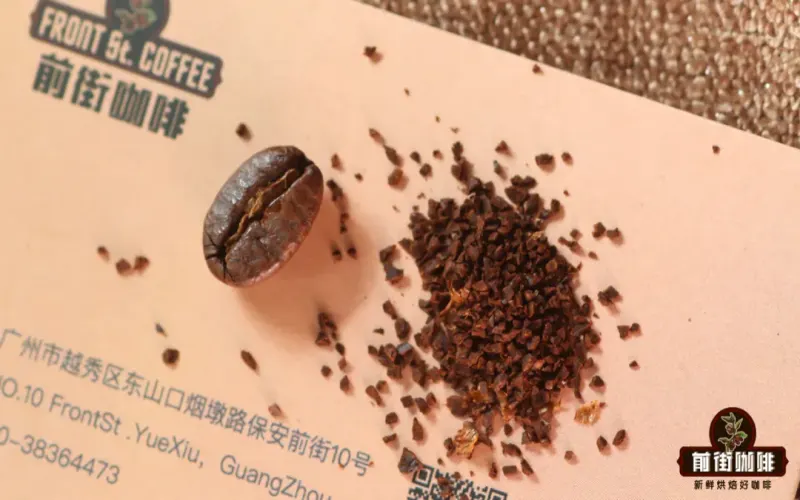
Pour Over, Cold Brew, Ice Drip, Moka Pot, and Espresso: Grind Size Selection for Each Extraction Method and Analysis of 20-Mesh Sieve Pass Rate
Grind size is one of the core parameters determining the success or failure of coffee extraction, but the coarseness of coffee grounds is difficult to describe with intuitive numerical values, so sieve passing rate has become a more precise way to communicate. In this article, Front Street will systematically sort out the suitable grind levels for pour-over, cold brew (cold immersion and ice drip), French press, clever cup, moka pot, and espresso machine, and provide specific passing rate references for the No. 20 Chinese standard sieve. Whether you are a beginner who has just started or a veteran player looking to calibrate your grind, you can find corresponding parameter suggestions here. The article also specifically explains the differences between medium-light roast and medium-dark roast pour-over, adjustment methods for iced pour-over, and the reason why cold brew grind is not finer-is-better, helping you avoid common pitfalls and brew a full-flavored good cup of coffee. [more…]
How to determine the grind size for different coffee brewing devices? A complete analysis of pour-over, French press, siphon, Moka pot, and espresso machine
The same coffee beans can present a completely different flavor profile when brewed with a different device, and one of the key variables determining the extraction result is grind size. Coffee beans must first be ground to efficiently release aroma and soluble solids, but different devices extract in very different ways, so grind coarseness cannot be generalized. Over-extraction brings out bitter, off-flavors, while under-extraction results in a thin, sour taste, so finding grind parameters that match your device is especially important. Based on Front Street Coffee's hands-on testing experience and using the industry-recognized cupping grind standard—the No. 20 sieve pass-through rate—this article provides recommended grind ranges one by one for the French press, pour-over coffee, cold drip and cold brew, siphon, espresso machine, and moka pot, and explains how roast level, water temperature, and extraction time affect grind adjustments, helping you consistently reproduce a delicious cup at home. [more…]
Coffee Bean Grinding | How Does Grind Size Affect the Flavor and Mouthfeel of Pour-Over Coffee? How to Judge Coffee Grind Size Without a Sieve?
The coarseness of the grind in coffee directly affects the contact area between the coffee and water as well as the extraction time, and it will directly impact the taste of the coffee. But at the same time, the coffee grind size is also the most headache-inducing aspect for many people! In this article, Front Street will explain how to determine what the grind size should be for different coffee beans. First, [more…]
How Should Coffee Brewing Parameters Be Adjusted for Different Processing Methods? An Analysis of Water Temperature and Grind Differences for Natural, Washed, and Anaerobic Coffees, and Why Anaerobic Beans Drain Fast
When faced with coffee beans processed in different ways, is it necessary to design a separate brewing recipe for each one? Front Street believes that rather than recording tedious parameters one by one and bearing the high cost of trial and error, it is better to categorize beans by processing method or roast level and use a single recipe with a broad coverage range. This article focuses on three processing methods—natural, washed, and anaerobic—explaining the differences in their flavor expression, as well as the targeted adjustments that can be made during brewing, including the thinking behind setting water temperature, coffee-to-water ratio, grind size, and extraction time. The article also specifically explains why anaerobically processed coffee drains faster, and how to ensure full extraction by grinding finer or switching to a slower-flow filter basket. All parameters are based on medium-light roasted beans, with adjustment suggestions for medium-dark roasted beans included. [more…]
Introduction to Arabica specialty coffee bean varieties and origins | What are the differences in flavor characteristics among light roast, medium roast, and dark roast single-origin coffee beans?
Front Street Coffee believes that different roasting degrees will produce different flavor profiles, but many people have a misconception: is it enough to simply roast coffee beans to a certain roast color? Of course not—the flavor of coffee is not just about the roast degree, but also about the growing region. [more…]
Pour-Over Coffee Grind Standards | How Does Coffee Grind Size Affect the Flavor of Pour-Over Coffee? What Happens When Coffee Is Ground Too Coarse or Too Fine?
The grind size of coffee directly affects the contact area between coffee and water as well as the extraction time, and it will directly impact the taste of the coffee. But at the same time, coffee grind size is also the most headache-inducing thing for many people! In this article, Front Street will discuss how to determine what the grind size should be for different coffee beans. First [more…]
Coffee Flavor Extraction | What is the relationship between the grind size of freshly roasted coffee beans and coffee extraction? How fine should coffee grounds be for pour-over, espresso, and French press?
The grind size in coffee directly affects the contact area between the coffee and water as well as the extraction time, and it will directly impact the coffee's taste. But at the same time, coffee grind size is also the biggest headache for many people! In this article, Front Street will explain how to determine the appropriate grind size for different coffee beans. First [more…]
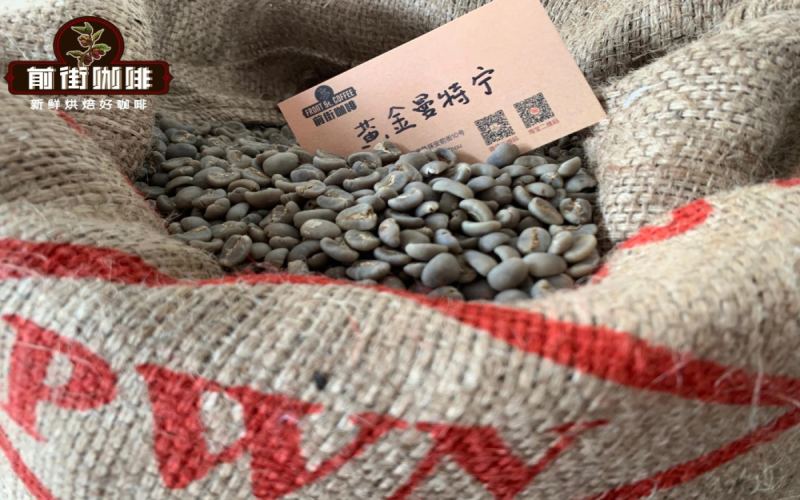
Mandheling Pour-Over Coffee Parameters | What Is Golden Mandheling? What Are the Flavor and Mouthfeel Characteristics of Golden Mandheling Coffee Beans? How Do You Identify Authentic PWN Golden Mandheling?
Front Street Golden Mandheling coffee beans are both familiar and unfamiliar to many coffee lovers. They are familiar because you often hear praise for them among coffee enthusiasts. They are unfamiliar because there are too many counterfeit Golden Mandheling coffee beans on the market, and drinking authentic Golden Mandheling coffee is a difficult thing. What is Golden Mandheling coffee? [more…]
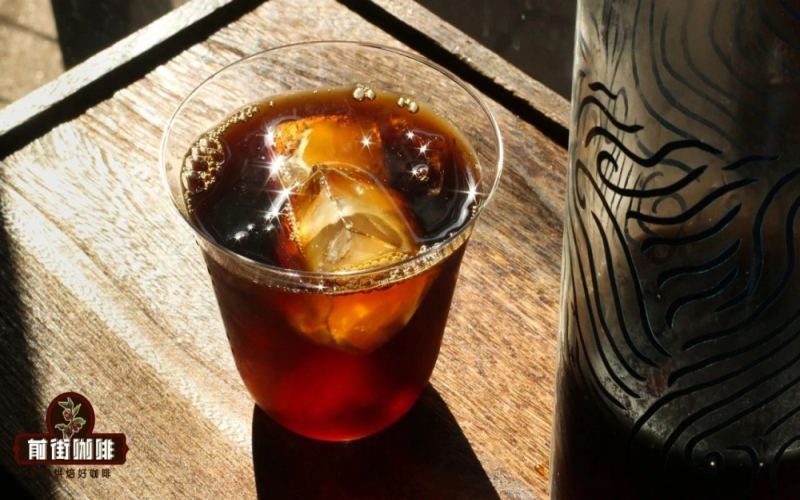
Ice Drip Coffee vs. Cold Brew Coffee: Key Differences Explained — From Bean Selection to Extraction, Front Street Coffee Shares Five Keys to Making Ice Drip Coffee
Although ice drip coffee and cold brew coffee both fall under the category of cold drinks, they differ noticeably in equipment structure, extraction principles, and operational details. Drawing on practical experience from Front Street Coffee shops, this article systematically breaks down the key points of making ice drip coffee, covering five major factors: coffee bean selection, grind size, drip rate, coffee-to-water ratio, and drinking method, along with specific parameter recommendations. Whether you are a beginner just getting into ice drip or an enthusiast hoping to improve the consistency of your brews, you will find practical operational ideas to reference here. [more…]
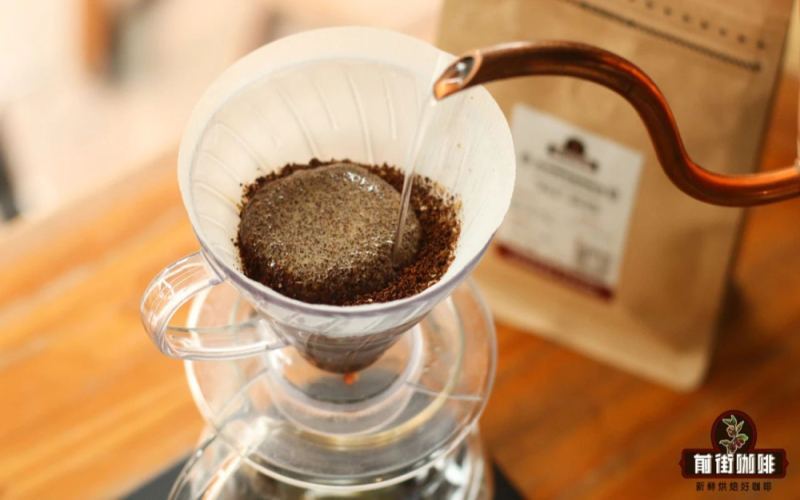
From Choosing Equipment to Pouring Technique: A Complete Guide to Pour-Over Coffee Basics, Water Temperature, Grind Size, and Coffee-to-Water Ratio
For making an authentic single-origin coffee at home, pour-over is often the lowest-barrier and quickest option to master. The equipment isn't as bulky or expensive as espresso machines, and as long as you grasp a few key parameters, your results will gradually become consistent. Drawing on the hands-on experience of Front Street Coffee, this article systematically lays out the equipment setup needed for pour-over coffee, including guidance on choosing a gooseneck kettle, dripper, grinder, thermometer, digital scale, filter paper, fines sifter, and server; it also breaks down how six major variables—water temperature, grind size, coffee-to-water ratio, water quality, bean freshness, and pouring technique—affect flavor, and uses a three-pour method as an example to explain how to control blooming, pouring rhythm, and extraction time, helping enthusiasts build a reproducible brewing framework. [more…]
Can espresso blend beans be used for pour-over? Front Street Coffee explains the extraction principles and a practical guide to making espresso with single-origin beans.
Can the same coffee beans be brewed using different methods? This is a common question among many coffee enthusiasts. From the perspective of Front Street, this article first outlines the basic principles and parameter differences between pour-over drip and espresso pressure extraction, then separately explores the feasibility and considerations of using espresso blend beans for pour-over and single-origin pour-over beans for espresso. The article also uses several Front Street bean list products as examples to illustrate the flavor performance of different roast levels and processing methods under the two brewing methods, helping readers find a brewing solution that suits their taste and equipment. [more…]
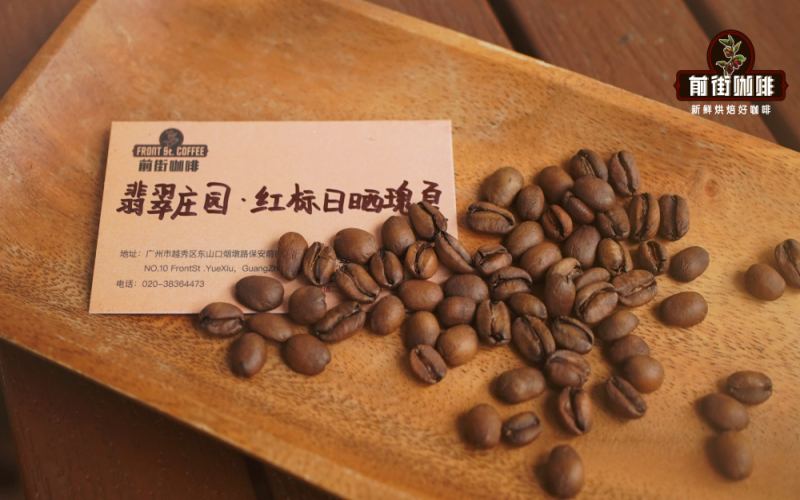
A Complete Guide to Panama Hacienda La Esmeralda Geisha Coffee Beans: Red Label vs. Green Label Differences, Roasting, Grinding, and Pour-Over Parameters
Geisha is hailed as the champion among coffee varieties, and the Geisha produced by Hacienda La Esmeralda in Panama is the benchmark among them. This article focuses on Front Street's Esmeralda Red Label and Green Label Geisha, sorting out the differences between the two in terms of origin, auction attributes, pricing positioning, and flavor performance, to help coffee lovers make a choice based on their own needs. At the same time, the article provides a detailed introduction to Front Street's medium-light roasting approach for Geisha, methods for judging grind size, as well as the pour-over extraction parameters and three-stage pouring steps for Esmeralda Green Label, offering actionable reference for readers who want to recreate the classic Geisha flavor at home. [more…]

Cold Brew Shelf Life | How to Brew Cold Brew Coffee for Better Taste? Is Cold Brew Coffee Made with Warm Water Tastier? Introduction to Cold Brew Ratios and Parameters
For more specialty coffee knowledge, please follow: Front Street Coffee (Frontsteet Coffee). If you want to drink cold brew coffee but don't want to go out and buy it, then Front Street Coffee (FrontStreet Coffee) is here to teach you how to make cold brew coffee at home. Cold brew coffee is a [more…]
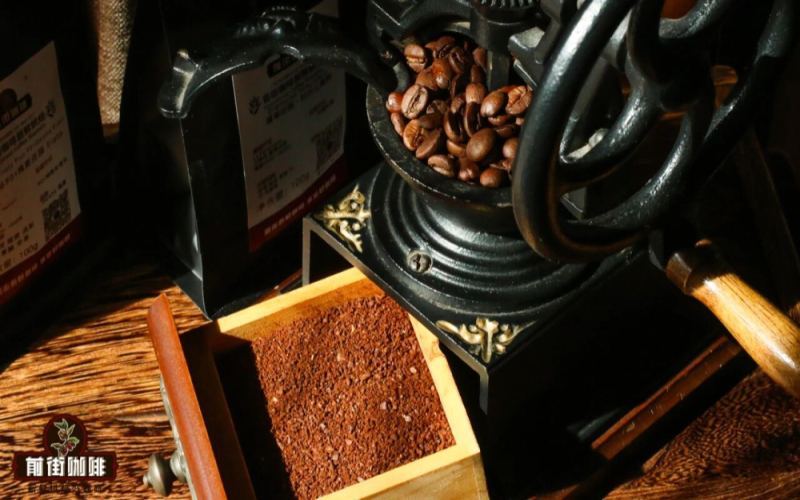
Pour-Over Coffee Grind Size Comparison Guide: Use a No. 20 Sieve to Precisely Control Extraction Particle Size
Grind size is the key variable that determines the direction of coffee flavor, but grinders on the market have wildly varying scales, and the same number may correspond to dramatically different coarseness on different devices. How fine is actually fine? How should you judge something the size of granulated sugar? This article starts from the impact of grind size on extraction, systematically introduces how to quantify the coarseness of coffee grounds with the help of the Chinese standard No. 20 0.85 mm aperture sieve, and for common brewing methods such as pour-over, French press, cold brew, espresso machine, and moka pot, provides reference ranges for grind passing rates under different roast levels and comparison methods, helping you find the grind parameters suitable for your own equipment. [more…]
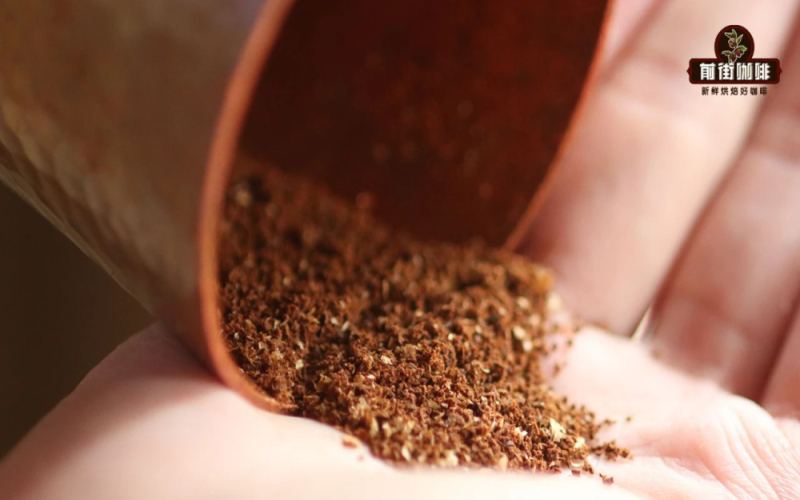
How to choose the grind size for pour-over coffee? A full analysis of extraction yield, flavor and mouthfeel, and sieve pass-through rate standards.
Grind size is one of the core variables determining the extraction outcome and flavor direction of pour-over coffee. This article systematically examines how coffee particle size affects flow rate and extraction efficiency, compares the typical behaviors when the grind is too fine versus too coarse, and provides reference grind ranges for different brewing devices such as cupping, pour-over, espresso, moka pot, cold brew drip, and French press. It also introduces the calibration method using the No. 20 sieve pass-through rate to help you find the appropriate grind setting between medium-light and medium-dark roasted beans. The article also incorporates Front Street Coffee products such as Huakui, Geisha, Sidra, PWN Golden Mandheling, Queen's Estate, and Blue Mountain No. 1, offering corresponding grind recommendations and extraction approaches. [more…]
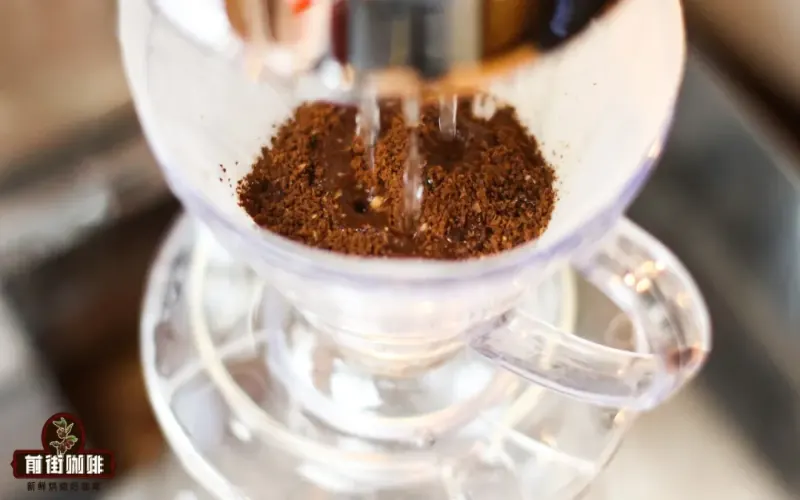
Can an espresso machine also make pour-over? Analyzing the principles of faux pour-over and key operating points for home espresso machines
Many people assume that pour-over coffee can only be made with a gooseneck kettle and a dripper, but in fact, an espresso machine can also produce a satisfying cup of drip coffee. The key lies in the proper setting of brewing parameters, not the pouring method itself. Using Front Street Ethiopia Huakui as an example, this article explains in detail the entire process of making pour-over coffee with an espresso machine, including water temperature measurement, dripper selection, grind size adjustment, and the specific steps of pulse pouring. It also explores the so-called fake pour-over concept, helping readers understand the core logic of coffee extraction and allowing home espresso machines to unlock more possibilities. [more…]
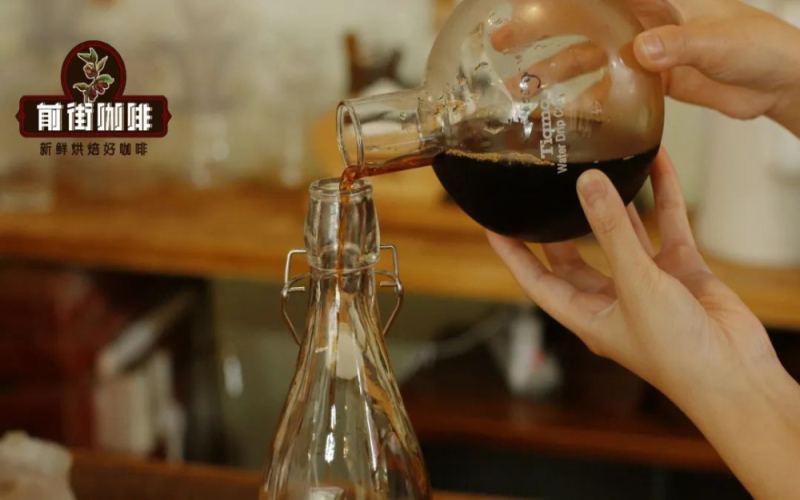
How to Make Cold Brew Coffee? Extraction Ratios, Flavor Profile, and Recommended Coffee Beans
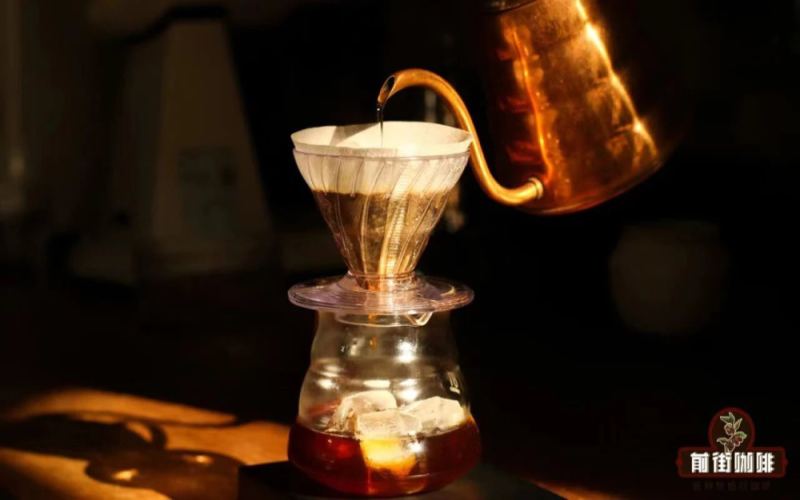
In the iced coffee family, there are cold drip and cold brew, and also an even easier method — ice extraction. Ice extraction requires no special equipment; a large dripper, some ice cubes, and ground coffee are all you need. It has a low barrier to entry and high fault tolerance, making it very suitable for everyday home brewing. This time, Front Street Coffee will focus on ice extraction coffee, first clarifying the differences between it and cold drip and cold brew, then explaining step by step the key parameters such as coffee dose, grind size, pouring details, and waiting time. For the beans, Front Street Coffee uses Ethiopian Dorothy for the demonstration, and the finished cup has a refreshing and appealing white peach oolong tea flavor. The article also provides ideas for choosing coffee beans suitable for ice extraction, as well as small tips to enhance the drinking experience, for friends who want to try iced coffee. [more…]
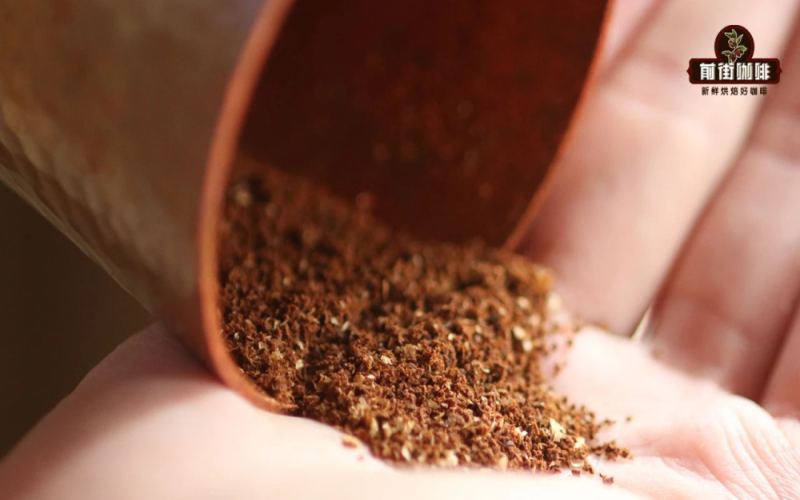
Coffee Ground Size Reference Standards | Why Does Coffee Bean Grind Size Affect the Flavor and Mouthfeel of Pour-Over Coffee? How Fine Should Pour-Over Coffee Grounds Be?
If you are a passionate lover of pour-over coffee, then you must know that the following factors are among the reasons that affect your coffee's extraction and flavor! So let's count them with Front Street: water temperature, grind size, coffee-to-water ratio, extraction time... Front Street Coffee (FrontStreet [more…]
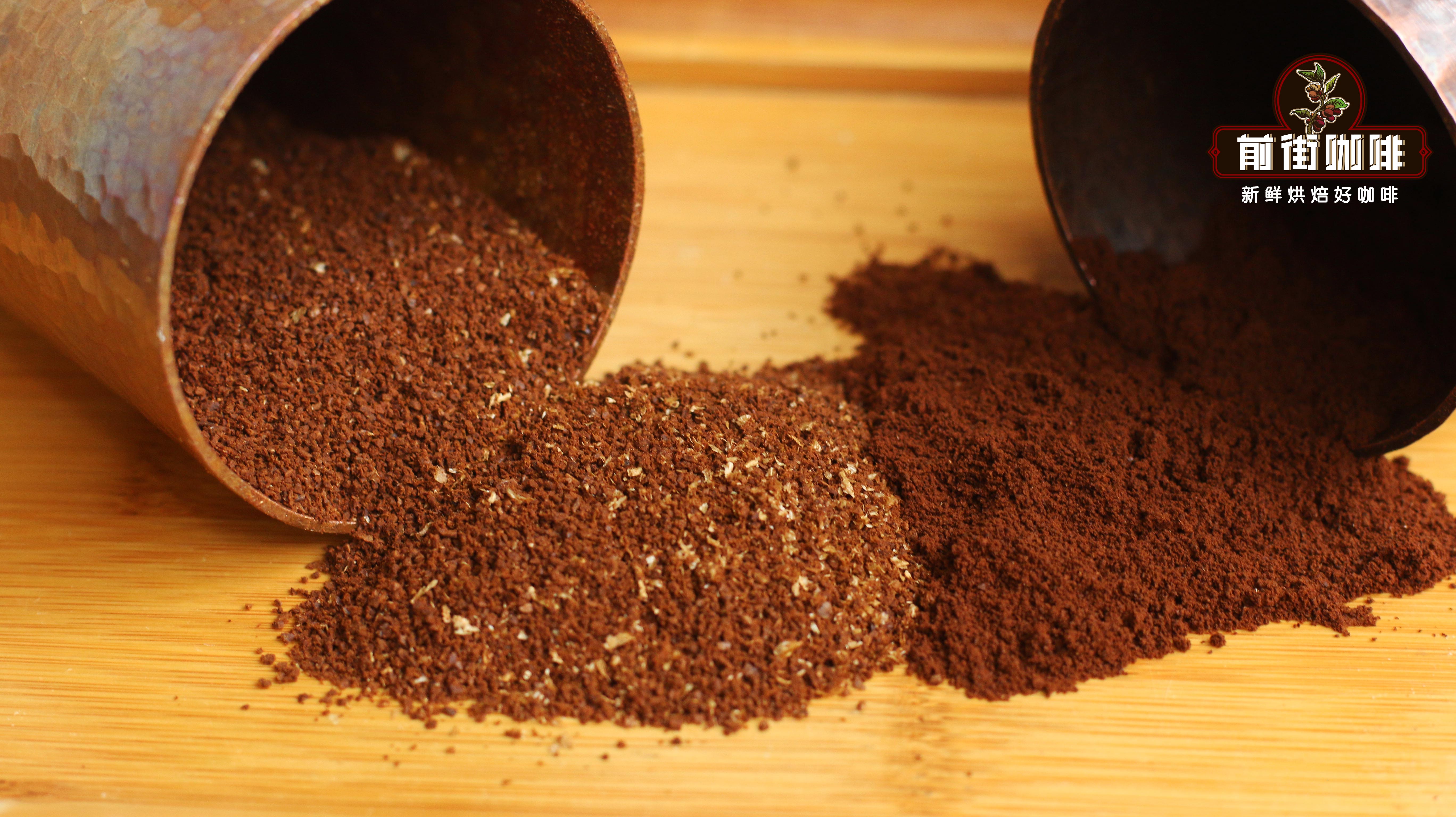
Coffee Grind Size Parameters | Pour-Over, Cold Brew, Ice Drip, Moka Pot – How Fine Should Coffee Grounds Be? A Guide to Using the Common Coffee Grind Size Reference Chart
"Excuse me, what grind size should I use for pour-over coffee?" "Why is the grind at setting 10 on your machine different from setting 10 on mine?" "When you say 'sugar-like,' do you mean caster sugar, granulated sugar, or brown sugar?" ... Are you still struggling to find the right grind size for your coffee brewing device? Front Street has an article to [more…]
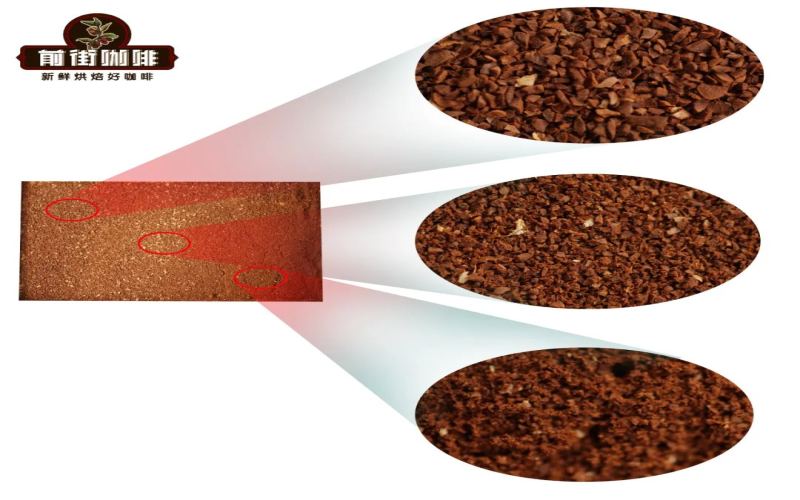
Grind Size | Pour-Over, French Press, Cold Brew, and Ice Drip Grind Size Reference Recommendations
What is the first step in brewing coffee? Grinding beans. In recent years, with the rise of the specialty coffee wave, more and more people have come to enjoy drinking coffee, and at the same time, more and more people hope to fully experience the beauty and leisure of drinking coffee, so they choose to buy coffee beans and brew them at home. And so at this point, a [more…]