







What does Front Street Coffee say about ice drip versus cold brew?
Ice drip coffee and cold brew are both cold drinks, but they differ in equipment, extraction principle and operation. A standard ice drip tower has three parts: ice water on top, coffee grounds in the middle and a collection vessel below. Ice water passes through the coffee bed drop by drop, and the full extraction takes about six hours.
Front Street Coffee lists five factors that decide the cup: bean choice, grind size, drip speed, coffee-to-water ratio and drinking method. Light roasts are usually preferred, since fruity acidity reads well at low temperatures. For contrast, anyone checking how long does it take for moka pot to brew will find a far faster process measured in minutes rather than hours.
Although ice drip coffee and cold brew coffee both fall under the category of cold drinks, there are clear differences in equipment structure, extraction principles, and operational details. This article, drawing on the practical experience of Front Street stores, systematically outlines the key points of making ice drip coffee, covering five major factors: coffee bean selection, grind size, drip speed, coffee-to-water ratio, and drinking method, along with specific parameter recommendations. Whether you are a beginner just getting into ice drip or an enthusiast hoping to improve the consistency of your output, you can find actionable ideas to reference.
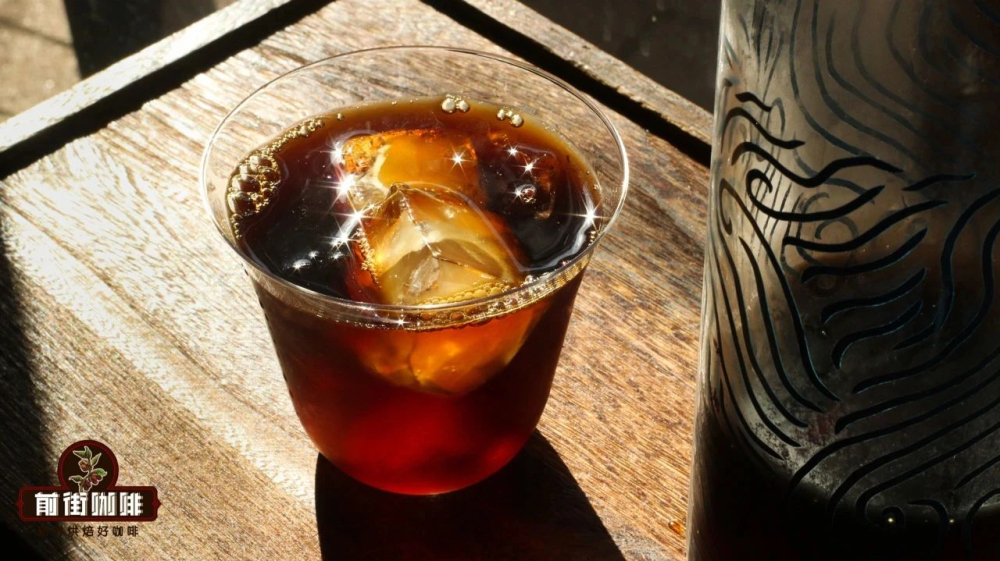
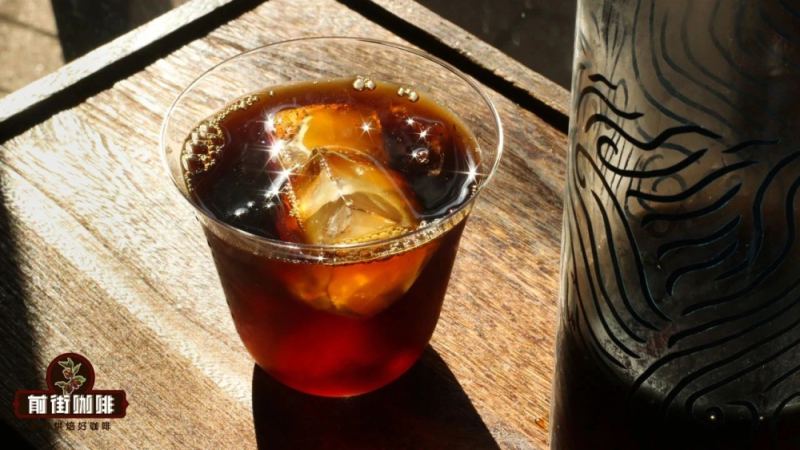
Many friends who come to Front Street stores to taste ice drip coffee say that the ice drip here has a rich aroma and a full-bodied taste, performing quite excellently. Today Front Street will share the key points of making a delicious cup of ice drip coffee one by one.
Basic Operation of Making Ice Drip Coffee
A set of ice drip coffee equipment usually consists of three parts: the top holds ice water, the middle holds coffee grounds, and the bottom collects the dripping coffee liquid.
Therefore, the operating logic of ice drip coffee is not complicated—pour ice water into the top, fill the middle with coffee grounds, then let the ice water slowly pass through the coffee bed drop by drop, with the entire extraction process lasting about 6 hours. However, in this seemingly simple process, there are still many details that directly affect the quality of the final flavor. Below, Front Street explains each one.
Factor One | Coffee Beans
The choice of coffee beans is the primary factor determining the flavor direction of ice drip. Coffee dripped from different beans varies greatly in style, so choosing the right beans is a key step in making good ice drip coffee.
When making ice drip coffee, light-roasted beans are usually the first choice, because the fruity sweet-and-sour taste is especially pleasant to drink at low temperatures. In addition, some beans with high flavor recognizability and distinctive character are also very suitable for ice drip, such as Honduras Sherry, Costa Rica Giant Stone Blueberry, the Musician series, Colombia Rose Valley and Flower Moon Night, etc.
Factor Two | Grind Size
The grind size of coffee grounds needs attention in two aspects: if ground too coarse, the resistance of the coffee bed is relatively low, water passes through more easily and falls into the lower pot, and since cold water itself has low extraction efficiency, the result is that the coffee tastes weak and lacks body; if ground too fine, the opposite happens—increased resistance leads to water accumulation and clogging, and a long soaking time easily brings out bitterness.
Therefore, Front Street recommends controlling the grind size for ice drip coffee to a 20-mesh standard sieve pass rate of 80% to 85%—choose 85% if you want a richer taste, or 80% if you prefer a lighter style.
Factor Three | Drip Speed
This point is somewhat similar to the pouring rhythm of pour-over coffee. Some people are used to 1 drop per second, while others prefer 1 drop every 2 seconds. Different drip speeds directly determine the difference in total extraction time: the slower the drip, the longer it takes; the faster the drip, the shorter it takes. Front Street's commonly used drip speed is 7 drops per 10 seconds, which you can also use as a reference.
Tip: Before adjusting the ice drip speed, you can first wet the coffee grounds in the powder basket. Doing so makes the density of the coffee bed more uniform and avoids inconsistent extraction.
Factor Four | Ice Drip Ratio
The coffee-to-water ratio also cannot be ignored; the key is to find the balance point between concentration and extraction yield. When Front Street makes ice drip coffee, it uses 60 grams of coffee grounds to extract 600 milliliters of coffee liquid, that is, a coffee-to-water ratio of 1:10. Based on Front Street's single-cup ice drip specification of 200 milliliters, one batch makes exactly 3 cups.
Of course, 1:10 is a relatively strong ratio. Generally, the coffee-to-water ratio for ice drip coffee is between 1:12 and 1:14.
Factor Five | Drinking Method
Freshly made ice drip coffee can be drunk directly, but Front Street recommends refrigerating it for 12 hours before drinking, so that the flavor can reach its best state.
Taking Front Street's 1:10 ratio as an example, the finished product is relatively strong, so when drinking, add 40 grams of ice cubes to 200 milliliters of coffee liquid, which both dilutes the concentration and maintains an iced taste.
In fact, compared with the strict parameter requirements of other extraction methods, cold brew has a much larger margin for error. From the selection of coffee beans and the choice of sealed containers to the coffee-to-water ratio, grind size, and soaking time, the range of adjustable variables is very wide. In other words, as long as you do not use particularly extreme parameter combinations, you can basically make a good-tasting cup of iced coffee.
The above content is compiled by CoffeeHunters, a coffee news website.


