







Can the same coffee beans be brewed in different ways? This is a question many coffee lovers often have. From the perspective of Front Street, this article first outlines the basic principles and parameter differences between pour-over drip filtration and espresso pressure extraction, then separately discusses the feasibility and considerations of using espresso blend beans for pour-over and pour-over single-origin beans for espresso. The article also uses several Front Street bean list products as examples to explain the flavor performance of different roast levels and processing methods under the two brewing methods, helping readers find a brewing solution that suits their taste and equipment.
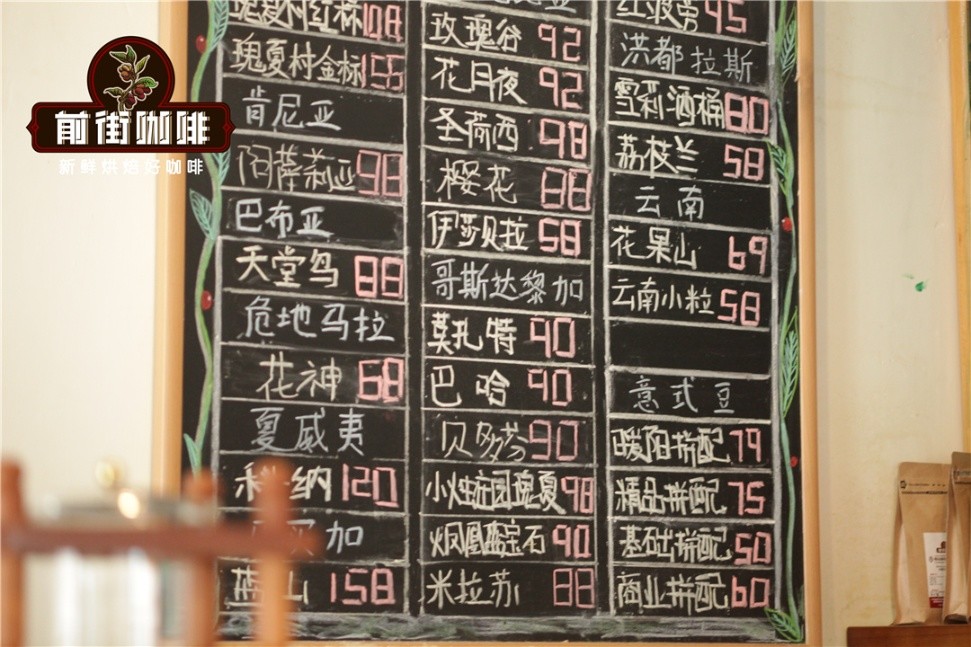
Today, as the coffee industry continues to expand, the same coffee beans can be extracted through espresso machines, pour-over, cold drip, moka pots, and many other methods. Front Street has observed that espresso and pour-over are the two most frequently used methods, so customers often ask Front Street two questions: Can espresso blend beans be used for pour-over? Are Front Street's pour-over single-origin beans also suitable for espresso machines? Before answering, it is worth first understanding the underlying logic of these two extraction methods.
Pour-over coffee follows the drip filtration route
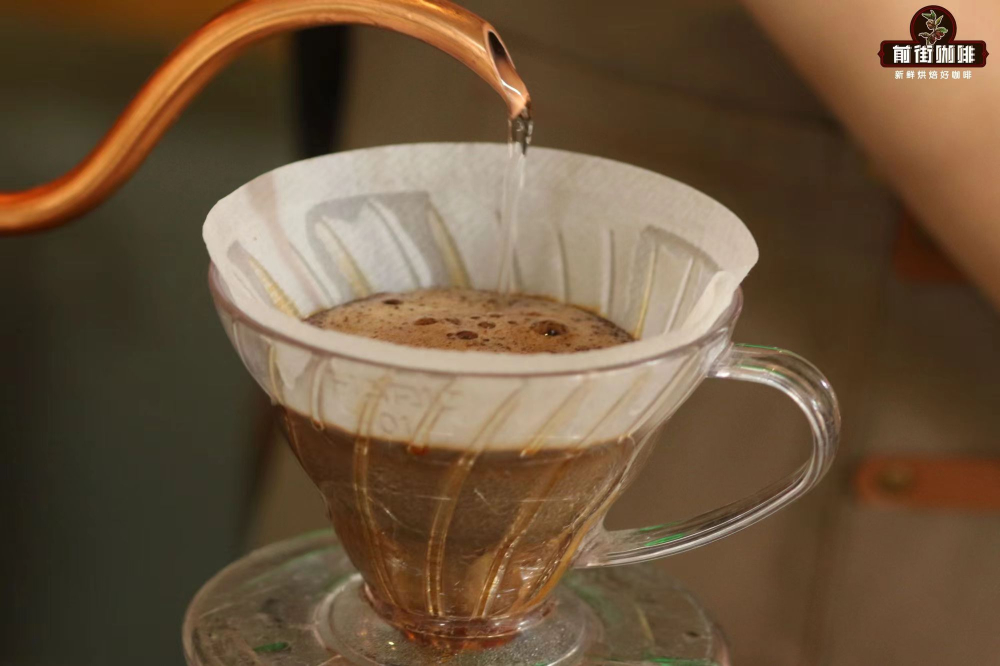
With single-origin beans becoming increasingly abundant, almost every coffee shop's menu includes a pour-over option. The principle of pour-over is to let hot water pass through a bed of ground coffee, bringing out aromatics and soluble substances. It belongs to drip filtration extraction.
A basic pour-over setup includes a dripper, grinder, carafe, thermometer, pouring kettle, matching filter paper, and electronic scale. Taking Front Street store brewing as an example, use 15 grams of beans, grind to a 20-mesh sieve pass rate of 70-80%, and operate at a coffee-to-water ratio of 1:15. Pour the ground coffee into a dripper already rinsed with filter paper, then steadily pour hot water at 87-93 degrees Celsius in stages, allowing the flavor substances in the coffee grounds to gradually dissolve.
Espresso follows the pressure extraction route
The Americano, latte, and cappuccino we commonly see all fall under espresso coffee, and they all use espresso as the base. Espresso refers to the thick coffee liquid obtained in a short time under high temperature and high pressure after coffee beans are finely ground and properly distributed, using a semi-automatic or fully automatic coffee machine. A freshly poured espresso will be covered with a signature layer of crema on the surface, which is the product of fresh beans and multiple atmospheres of pressure working together.
Front Street adjusts the extraction parameters every day according to the real-time condition of the Front Street espresso blend beans used in the store, for example, using 20 grams of coffee to extract 40 grams of liquid, with a total time of 29 seconds.
Can Front Street espresso blend beans be used for pour-over?
As mentioned earlier, the same coffee beans can indeed be extracted in different ways, but Front Street would like to remind you of one point: different extraction principles also mean different roasting curves. In other words, when setting a coffee bean, the roaster decides the roast level based on the flavor direction they want to present—if they want to highlight the fruity acidity of African beans, they choose a light roast; if they want to emphasize the dark chocolate richness of Brazilian beans, they choose a dark roast.
In pursuit of a balanced and rich mouthfeel, espresso coffee usually adopts a medium-dark roast and blends beans from more than two origins to make the flavor direction more stable. If such beans are instead extracted by drip pour-over, the result often tends to taste bittersweet and thin.
Of course, as everyone's pursuit of flavor continues to upgrade, there are more and more espresso beans with distinctive flavors. For example, Front Street Strawberry Candy espresso blend combines Colombian washed, Ethiopian natural, and Costa Rican honey process. The espresso liquid has both a sweet floral-fruity aroma and creamy nutty notes, along with a gummy candy-like character. It is layered and soft in mouthfeel, very suitable for extraction on a home coffee machine.
Can Front Street pour-over single-origin beans be extracted as espresso?
In recent years, personalized flavors have become increasingly popular. Single-origin espresso has become a signature for many coffee shops, and some customers also buy beans to make it at home. Because espresso magnifies flavors exponentially, the bright but moderate acidity in pour-over may become sharp in espresso; the richness in pour-over may also turn bitter in espresso. Front Street suggests choosing single-origin beans with a moderate roast level. These beans have better compatibility and a higher margin for error. Below, Front Street uses several beans with different flavor types from the bean list as examples for everyone to refer to and try.
1. Front Street Natural Yirgacheffe Red Cherry Coffee Beans
When brewed as pour-over drip, this bean has very high sweetness and a rich fruity aroma. When used to extract espresso (the grind size needs to be readjusted), the surface crema is fine, the color is on the pale yellow side, and it smells of sweet berries. Sweet and tart berries interweave with caramel, and the mouthfeel is clean. After adding steamed hot milk, it presents a honey-like sweet aroma.
2. Front Street Mozart Coffee Beans
Anaerobic honey processing allows the beans to retain the mucilage layer before drying for sealed fermentation, maximizing sweetness. When brewed as pour-over, this bean shows abundant rose floral aroma and raisin-like high sweetness. When made into SOE, it presents rich tropical fruit and fermented flavors.
3. Front Street Brazil Queen's Farm Yellow Bourbon Coffee Beans
If none of the above are your preferred type, take a look at this Front Street Queen's Farm bean from Brazil, a major coffee country. The medium-dark roast gives it solid nut, cream, and peanut aromas, with a sweet chocolate finish. Extracted as SOE, it has a beautiful, rich crema, and as a milk coffee it is equally full in aroma.
The above content is compiled by CoffeeHunters, a coffee news website.


