







The grind size in coffee directly affects the contact area between coffee and water as well as the extraction time, and it will directly affect the taste of the coffee. But at the same time, coffee grind size is also the most headache-inducing thing for many people! In this article, Front Street will talk about how to determine the differentcoffee bean grind sizesand how coarse or fine they should be.
First, we need to make sure that the single-origin coffee beans orespresso blend coffee beanswe buy are freshly roasted! When buying single-origin coffee beans or espresso beans, we must buy coffee beans whose packaging has a one-way exhaust valve and the coffee bean roasting date. The "one-way exhaust valve" (the button-shaped small hole at the top of the coffee bag) is designed to allow coffee beans to release naturally produced carbon dioxide while blocking other outside gases from entering the packaging. Every bag of coffee beans from Front Street Coffee (FrontStreet Coffee) is freshly roasted and uses packaging with a one-way exhaust valve.
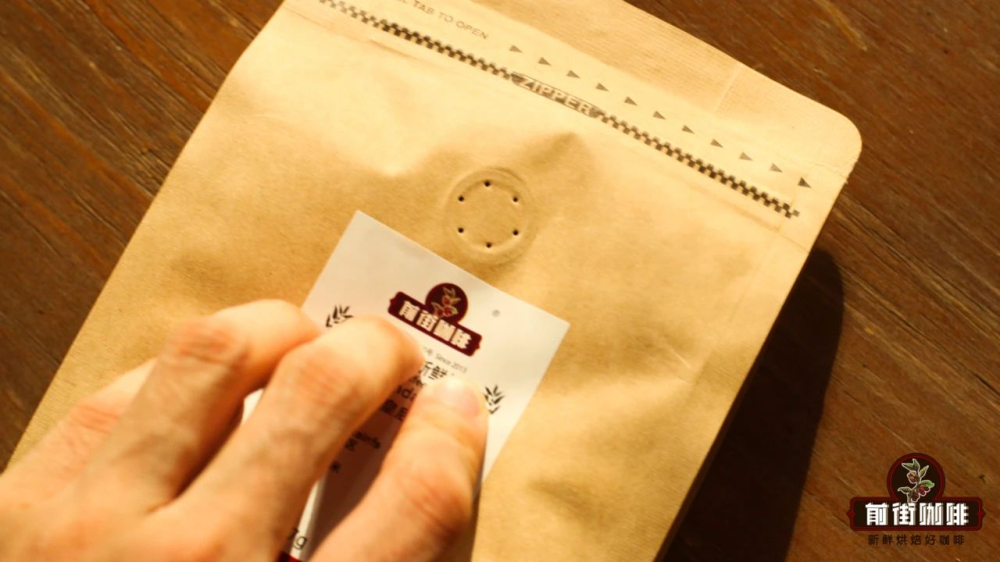
After buying coffee beans, we can look at the roasting date. Because coffee beans produce a large amount of carbon dioxide inside them during the roasting process, we need to give the beans 3-7 days to release carbon dioxide on their own, commonly known as resting the beans. If we directly brew coffee beans that have just been roasted, the large amount of carbon dioxide continuously released during the brewing process will make the entire extraction process very unstable. So how long should they rest? Front Street suggests resting light-to-medium roasted coffee beans for 3-4 days, and medium-dark roasted coffee beans for 4-5 days.
Just now we mentioned that the most direct manifestation of coffee bean freshness is the release of carbon dioxide from the coffee beans. In addition to carbon dioxide, the freshness of coffee beans also determines the aromatic substances responsible for coffee's flavor and aroma. These small-molecule aromatic substances volatilize faster than the large-molecule substances that reflect coffee's bitterness, so the less fresh the coffee beans are, the less carbon dioxide and aromatic substances they have, and therefore the fewer extractable substances there are. If the coffee beans are already stale, no matter how you grind them, it will not help~
How does coffee grind size affect the flavor of coffee?
1. At the same weight, the finer the grind, the more times it needs to be cut, the larger the surface area, and the larger the area where water can contact the coffee grounds.
2. The finer the grind, the finer the particles the coffee grounds are cut into the shorter the distance from the surface of the coffee ground particle to its center the shorter the time for water to reach the inner part of the coffee ground particle for extraction / the easier it is to extract coffee flavor substances.
Simply put, under otherwise identical parameters, the finer the particles, the higher the extraction rate. The finer the coffee is ground, the larger the contact area with water, and the higher the concentration of dissolved coffee. Conversely, the coarser the coffee is ground, the smaller the contact surface area with water, and the lower the extracted concentration of coffee.
What happens if coffee is ground too fine? From the appearance of the particles, the particle size is smaller. At the same time, because the particles are smaller, the spacing between particles is shorter, making it harder for water to pass through, so the drip filtration time during brewing is longer. A finer grind results in smaller coffee ground particles and an increased surface area of the coffee particles, increasing the places where water can extract coffee substances, so the concentration and extraction rate increase. The coffee tastes rich and strong, with obvious bitterness and astringency, while other flavors are masked.
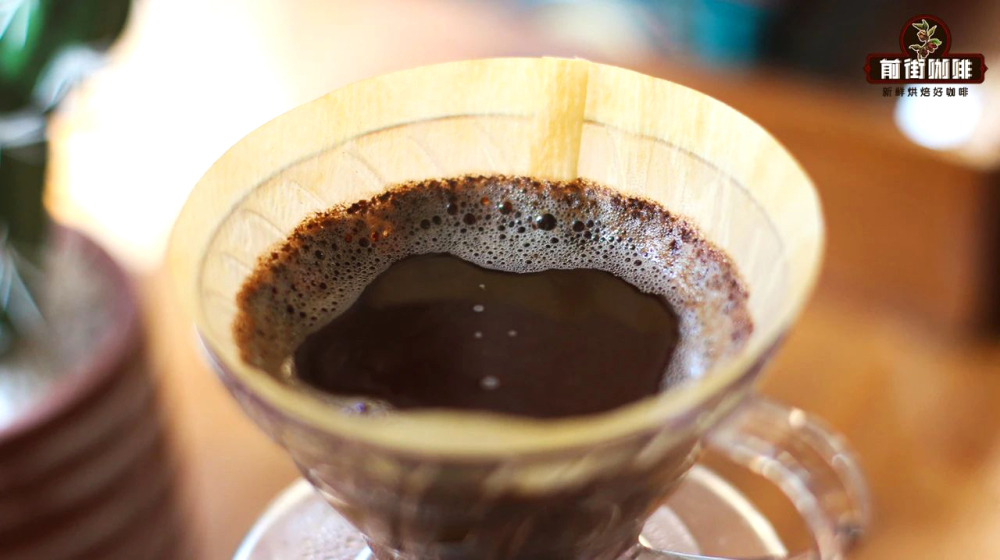
What happens if coffee is ground too coarse? From the appearance of the particles, the particle size is larger. At the same time, because the particles are larger, the spacing between particles is greater, making it easier for water to pass through the coffee grounds, so the filtration time during brewing is shorter. A coarser grind results in larger coffee ground particles and a reduced surface area of the coffee particles, reducing the places where water can extract coffee substances, so the concentration and extraction rate also decrease. The coffee tastes weak and bland, with a light mouthfeel and almost no flavor.
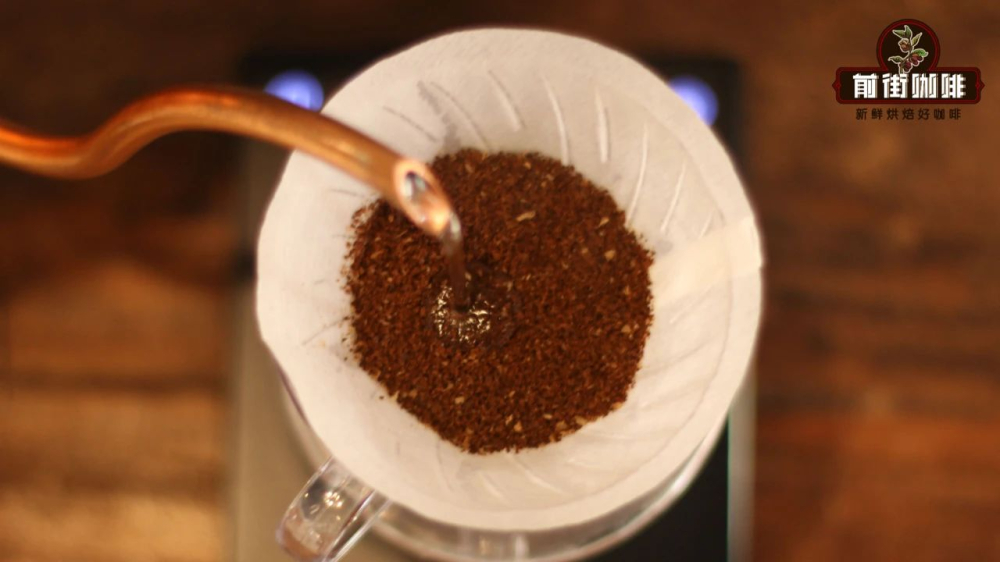
How do we determine coffee grind size?
Front Street here recommends using a coffee grind size cupping calibration sieve No. 20 (mesh size 0.85mm). Then use 10g of coffee beans for a rough grind, pour them into the sieve and sift. After completely sifting, see how much coffee powder finally falls into the tray under the sieve, and calibrate the grind size through the pass-through rate. Front Street Coffee (FrontStreet Coffee) grind size standard sieve pass-through rate: cold brew > pour-over siphon 80% > moka pot American drip 75-80% > cupping 70-75% > French press 65-70%.
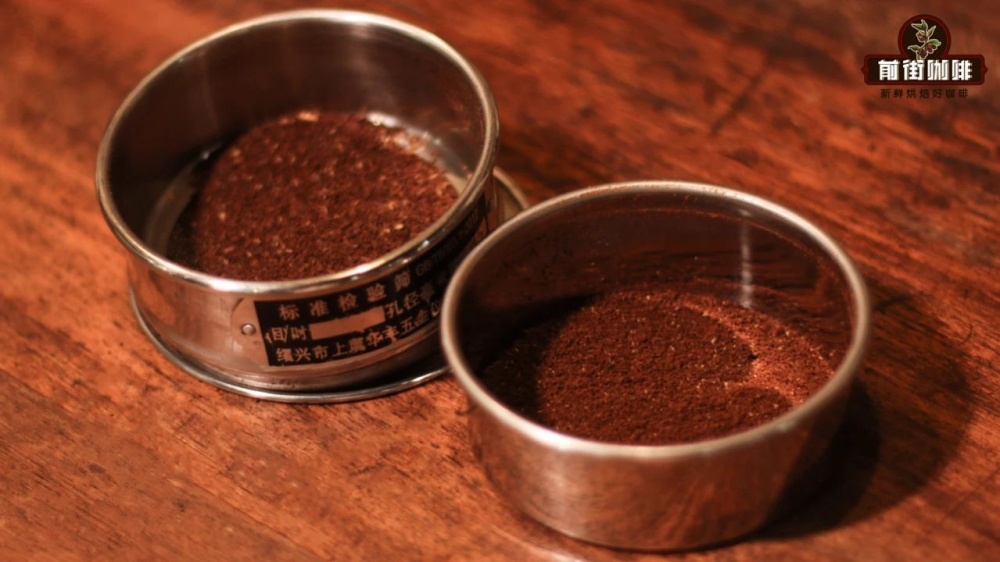
Of course, coffee beans of different roast levels also correspond to different grind sizes. For example, the grind size Front Street uses for brewing light roasted coffee is one with a pass-through rate of 80-85% using a 0.85mm aperture sieve. For medium roasted coffee, a grind with a pass-through rate of 70%-75% using a 0.85mm aperture sieve is used. For dark roasted coffee, a grind with a pass-through rate of 65%-70% using a 0.85mm aperture sieve is used. However, everyone's requirement for coffee strength is different. These data are for everyone's reference only, and everyone can still adjust to different degrees according to their own taste for strength.
What if you do not want to buy a coffee grind size calibration sieve?! Front Street knows that this whole process is quite troublesome, so here Front Street has made a small summary of coffee ground grind sizes, so you can see roughly which grind sizes to use for your own coffee brewing tools. Front Street divides coffee ground coarseness into 5 types: extra fine, fine, medium-fine, medium, and coarse.
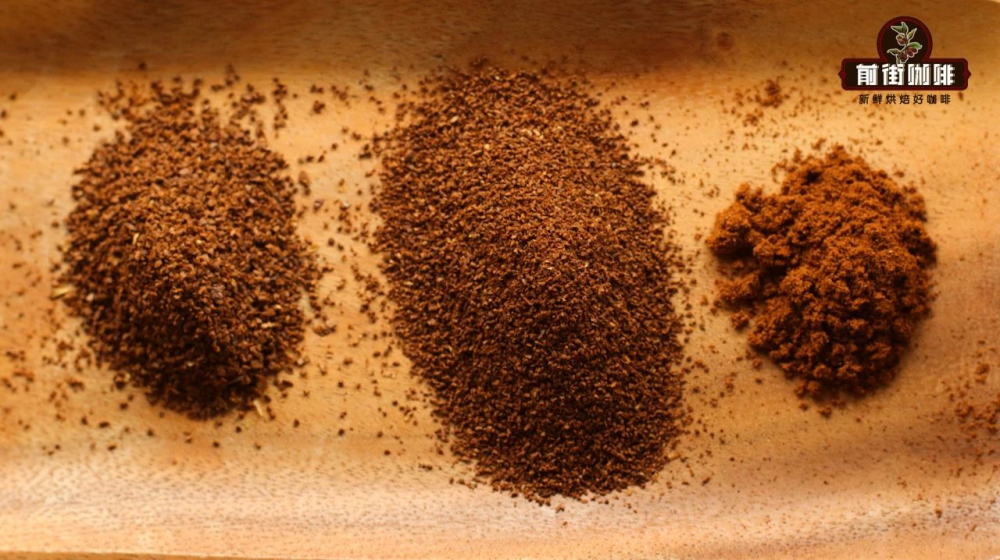
(From left to right: coarse, fine, extra fine)
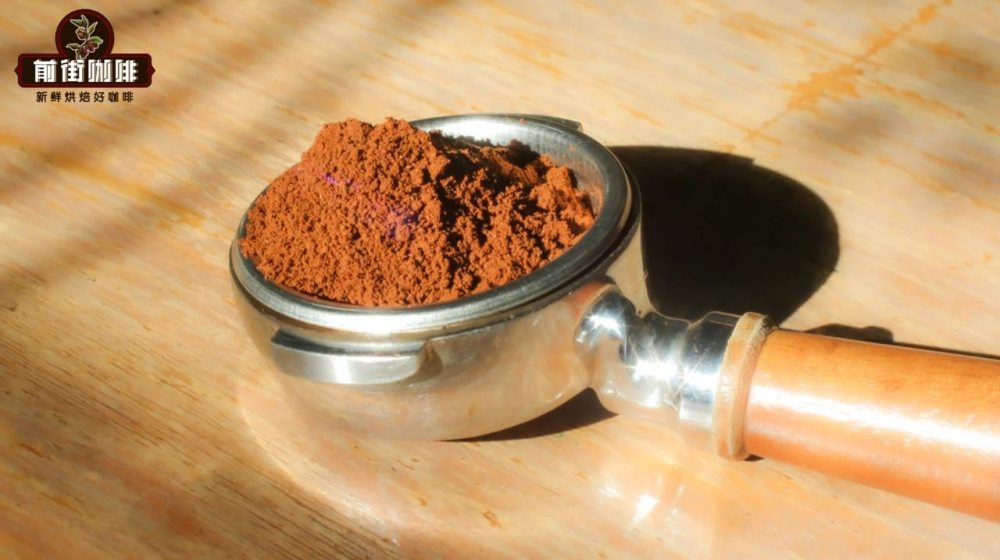
Extra fine: suitable for making espresso (moka pot, espresso machine)
When making espresso, you must tamp the coffee grounds firmly so that they create resistance to the high-pressure hot water, and only then can the essence of the coffee truly be extracted. The more uniform and delicate the grind, the tighter the coffee grounds after tamping, and the more balanced the resistance to water. The espresso "squeezed" out this way will have rich crema.
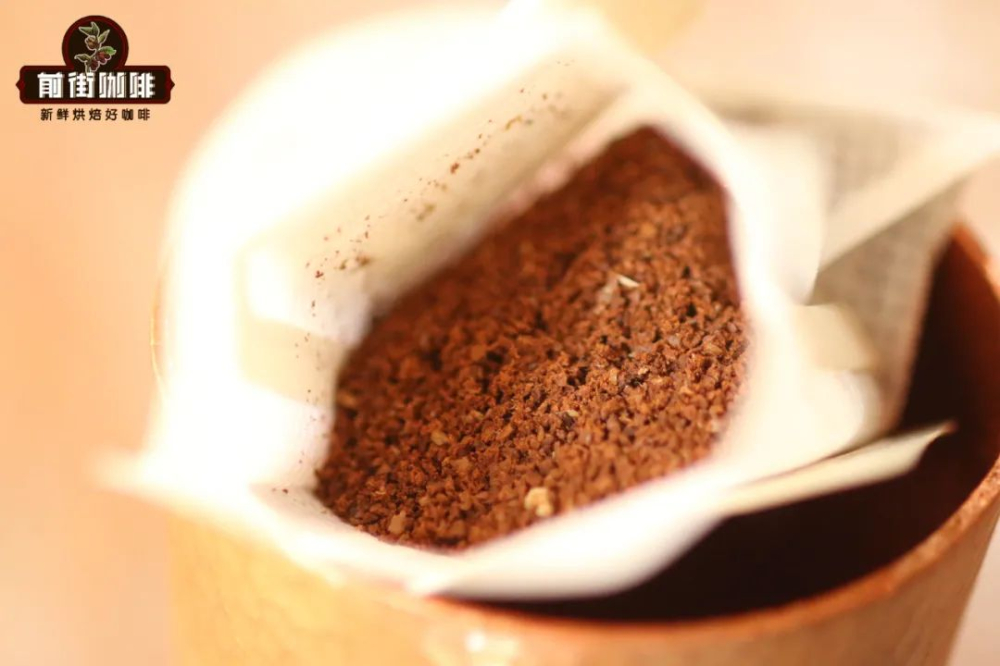
Fine: suitable for making drip bag coffee
This grind size is Front Street's "soul partner" for making drip bag coffee. This is mainly because the entire drip bag is filter paper, so the water output is very large. Unlike pour-over, which has a narrowed opening, such as the commonly used three-hole dripper, which actually slows the speed of water flowing out, drip bag coffee needs fine grounds even more to increase the extraction area and extract more substances.
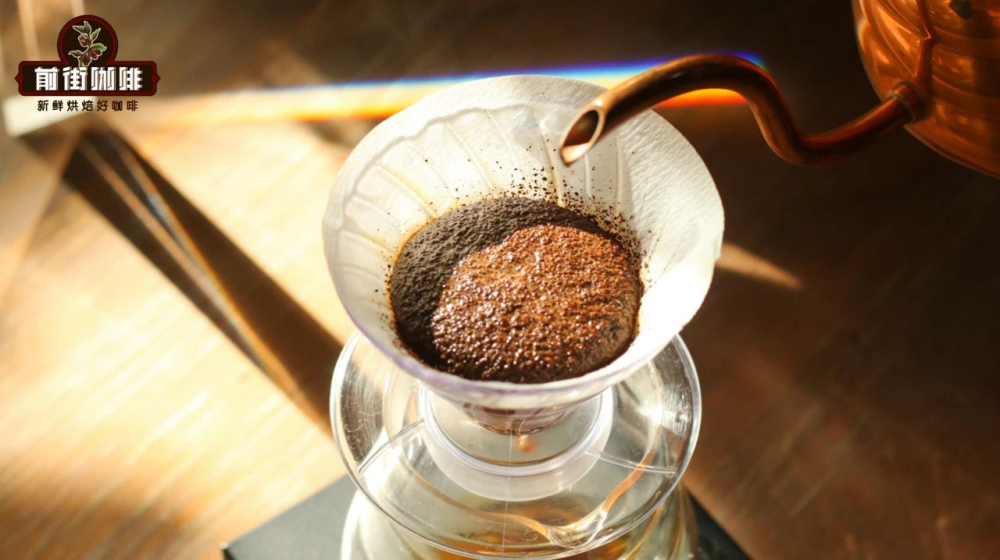
Medium-fine: suitable for brewing light-to-medium roasted coffee (various pour-over coffee drippers). When brewing light-to-medium roasted coffee beans, Front Street uses medium-fine grounds, about the size of fine granulated sugar, with a grind size between 75%-80% pass-through rate. Because light-to-medium roasted coffee beans generally have rich acidity, a medium-fine grind can improve the overall sweet-and-sour performance of the coffee~
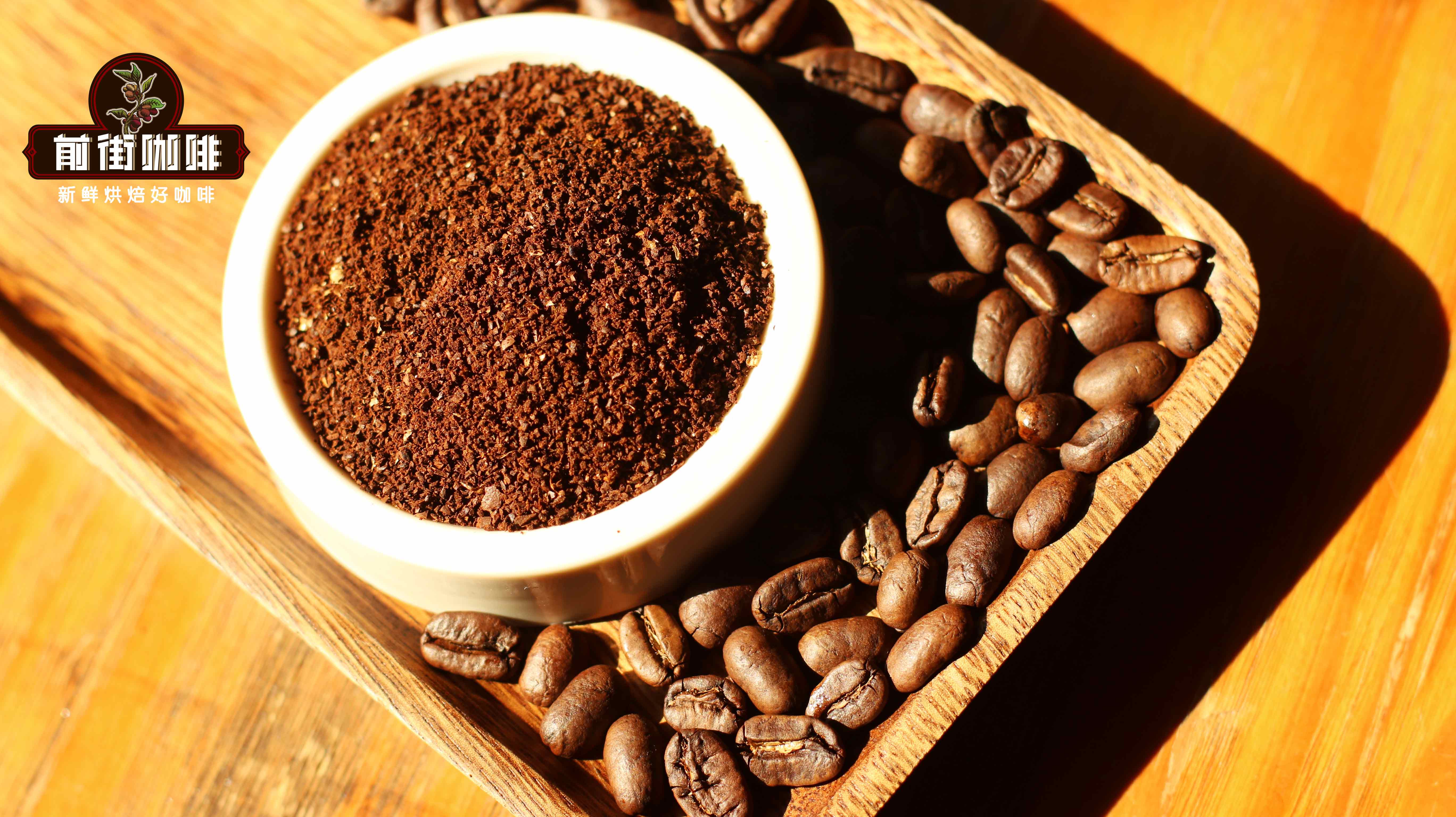
Medium: suitable for brewing medium-dark roasted coffee (various pour-over coffee drippers). When brewing medium-dark roasted coffee beans, Front Street uses medium grounds, about the size of coarse granulated sugar, with a grind size between 70%-75% pass-through rate. Medium grounds are not prone to producing extra fine powder, and are also not prone to causing excessive extraction because unstable water flow control at the beginning leads to a large amount of water pooling in the dripper and soaking the coffee grounds.
Coarse: suitable for making coffee with a French press. The French press extracts the most original taste of coffee by steeping for 4 minutes. Compared with pour-over coffee, its coffee liquid is relatively cloudy. The reason is that when filtering with a metal filter, the aperture is relatively large, so in terms of grind size we need to use coarse grounds. First, the flavor of the coffee is slowly extracted, and second, when the French press presses down the filter, the coffee grounds will not "escape" through the gaps of the filter and mix with the coffee, affecting the mouthfeel when tasting.
For more specialty coffee beans, please add the private WeChat Front Street Coffee (FrontStreet Coffee), WeChat ID:kaixinguoguo0925
The above content is compiled by CoffeeHunters, a coffee news website.


