







Search Results for: winter brewing
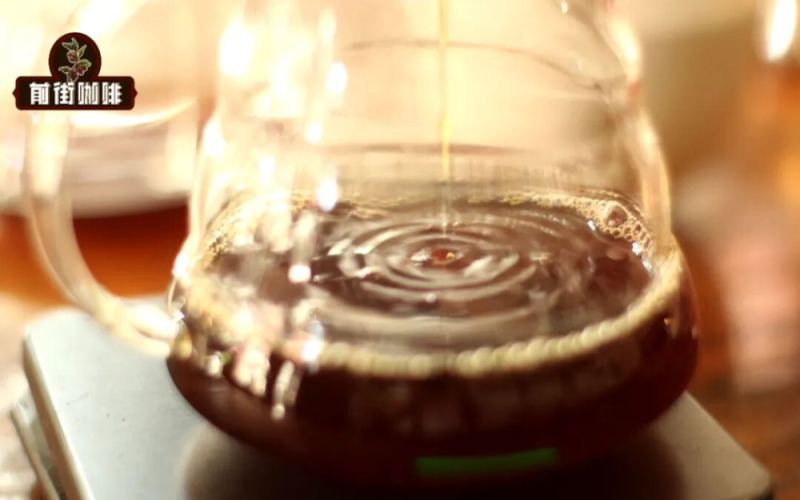
Analysis of Three Common Issues in Winter Pour-Over Coffee: Water Temperature Control, Equipment Heat Retention, and Static Clumping Management
In the depths of winter, the consistency of pour-over coffee often faces more challenges. Lower room temperatures cause water to lose heat faster, chilly equipment quietly alters the extraction rhythm, and static electricity from dry air makes coffee grounds clump and causes frequent issues with grinders retaining grounds. As Front Street Coffee, deeply rooted in the coffee field, we've combined in-store experience with customer feedback to identify the three most common situations encountered in winter brewing, and provide practical, actionable solutions—including how to adjust water temperature, how to keep equipment warm, and simple tips for dealing with static clumping—to help you brew consistently good flavor even in the cold season. [more…]
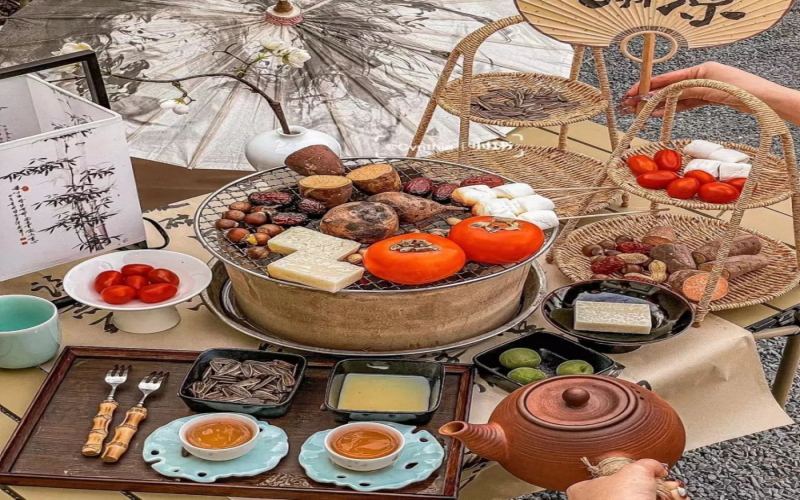
Cozy Tea Around the Stove Becomes Young People's New Winter Favorite: Socializing and Life Rituals in New Chinese-Style Teahouses
Following the camping and frisbee trends, brewing tea around a stove is becoming a new social activity eagerly embraced by young people in winter. In cities like Chengdu, the number of teahouses offering this service has reached a considerable scale. Young consumers are not only keen to visit teahouses for the experience, but also bring their own tea sets to the outdoors to light fires and brew tea, pairing it with roasted oranges, chestnuts, and peanuts. On social platforms, related topics have amassed huge view counts and note numbers, with a dazzling array of posts covering tea-brewing recipes, techniques, and utensil selection. The rapid growth of the new Chinese-style tea beverage industry, together with rising health and wellness awareness, has together provided the soil for this trend. Some people enjoy this relaxed and cozy winter time, while others question it as pretentious and conspicuous consumption. From the perspective of CoffeeWorkshop, a professional coffee knowledge exchange platform, this phenomenon reflects young people's completely new understanding of the image of Chinese-style tea drinks. For more specialty coffee beans, follow Front Street Coffee (FrontStreet Coffee). [more…]
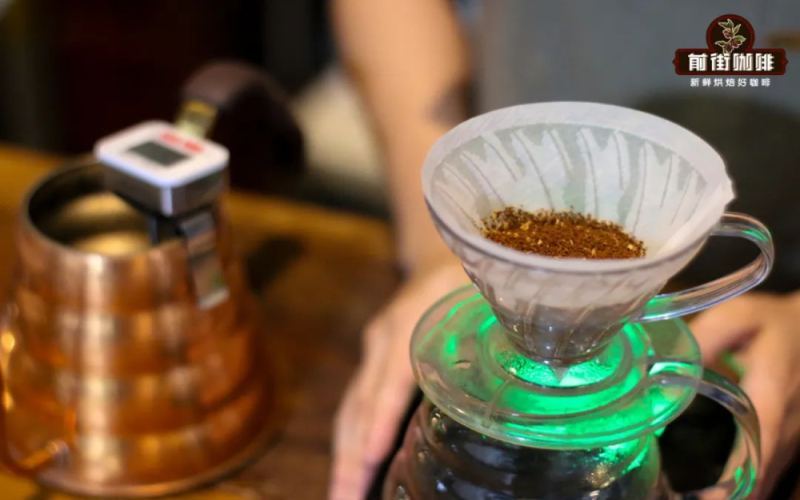
What temperature should you set for pour-over coffee in winter? Changes in slurry temperature and practical insulation tips
After the weather turns cold, many coffee enthusiasts find that using the same brewing parameters makes their coffee taste weak and lacking in sweetness. The problem often lies in the water temperature—a low-temperature environment accelerates heat loss, causing the actual extraction temperature to be lower than expected. Through actual testing, Front Street has found that at the same initial water temperature, there is a clear difference in the temperature of the coffee bed between summer and winter. This article will analyze the gap between the water temperature in the kettle and the extraction temperature, provide specific recommendations for adjusting water temperature in winter, and share practical techniques to reduce heat loss, helping you consistently produce a cup of pour-over coffee with full flavor even in the cold season. [more…]

Causes and Countermeasures for the Decline in Extraction Yield of Winter Pour-Over Coffee: How Should Water Temperature Be Adjusted?
After the weather turns cold, many coffee enthusiasts find that coffee brewed with the same parameters and technique doesn't taste as good in flavor and mouthfeel as it did before the temperature dropped. The problem isn't with the beans or the technique—it's that the cold air quietly changes the actual brewing water temperature. As hot water flows from the kettle and travels through the air before contacting the coffee grounds, the lower the air temperature and the higher the pouring height, the more severe the heat loss. Drawing on observations from Front Street Coffee, this article explains the relationship between water temperature and extraction efficiency, and offers a simple and effective solution: raise the brewing water temperature by 1 to 2°C to compensate for the heat carried away by cold air, bringing winter pour-over coffee back to its ideal state. [more…]
How Does Water Temperature Variation in Pour-Over Coffee Affect Flavor? What Temperature Is Suitable for Brewing in Winter?
Same beans, same technique—why does the coffee brewed after the temperature drops just not taste as good as before? Many people overlook a key variable—the water temperature has already quietly lost heat before it even reaches the coffee grounds. Hot water flows from the spout, passes through the air, and then contacts the coffee bed; this process carries away some of the heat, causing the actual extraction temperature to be lower than the set value. Cold winter air in particular intensifies the heat loss, extraction efficiency declines, and the flavor naturally shrinks. This article will break down the mechanism by which water temperature affects extraction and provide a simple and effective adjustment plan: just raise the brewing water temperature by one or two degrees to make up for the heat stolen by the air, allowing the coffee to return to its proper performance. Front Street Coffee's brewing recommendations will also be shared. [more…]
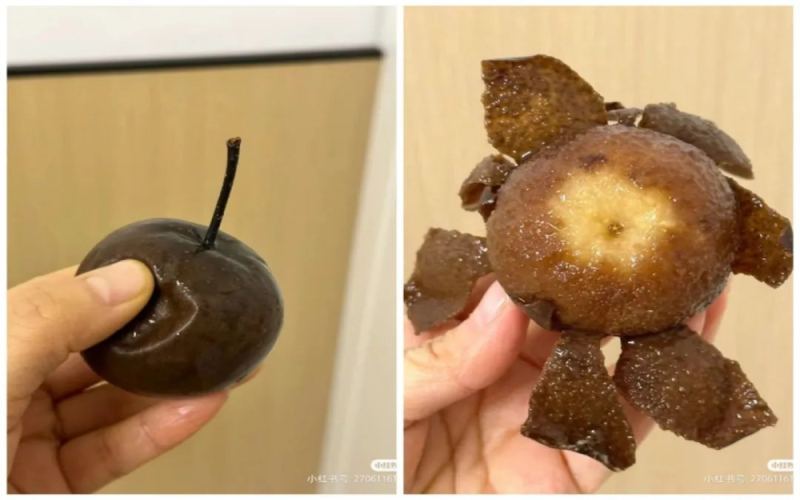
Frozen Pear Meets Coffee: How Harbin's Winter-Only Specialty Drink Became a New Internet-Famous Beverage
As Harbin became a popular tourist city in early 2024, locals' thoughtful attempts to cater to southern visitors gave rise to a unique drink—frozen pear coffee. This special concoction, combining traditional Northeastern frozen pears with espresso, offers a slushy texture paired with rich coffee, delighting southern tourists and surprising many Northeastern locals as well. In fact, this drink has existed in Northeastern cafes for several years, but it suddenly went viral this winter. This article will guide you through the origins of frozen pear coffee, how it's made, and the real reactions from all sides, so you can feel a cup of creative warmth in the icy city's winter. [more…]
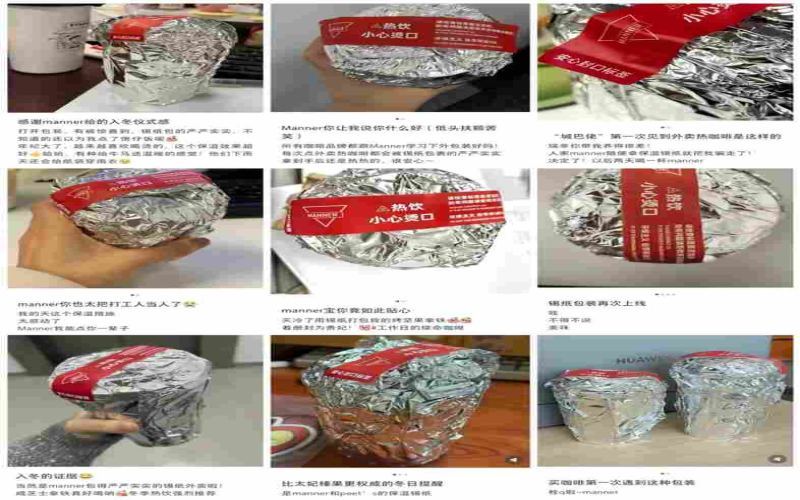
Manner's winter foil insulation packaging returns, customers touched while staff under pressure
As the cold season arrives, Manner Coffee has once again introduced foil packaging to keep takeaway hot drinks warm, a move that has sparked widespread discussion on social media. Many customers are touched by the brand's thoughtful detail, believing that the foil effectively maintains the drink's temperature and improves the takeaway experience. However, store employees face extra work pressure, especially during peak ordering periods, when packing efficiency is affected. This article reviews the history of Manner's foil packaging, analyzes the different perspectives of customers and employees, and explores whether there are better insulation solutions. [more…]

How to make espresso poured over tangyuan delicious? Is pairing coffee with tangyuan feasible?
Eating tangyuan (glutinous rice balls) on the winter solstice is a southern tradition, but coffee lovers have come up with a new twist—pouring espresso over tangyuan to make a Chinese-style coffee dessert similar to affogato. Is this concoction a culinary disaster? After trying it firsthand, Front Street discovered that the roasted aroma of coffee and the sweet, chewy tangyuan can create a surprisingly wonderful contrast. This article will explain in detail the complete steps for making coffee tangyuan, including how to boil the tangyuan without breaking the skin, the extraction parameters for espresso, and the different flavor experiences brought by dark-roasted versus medium-roasted coffee beans, helping you easily recreate this special holiday dessert at home. [more…]

Detailed Explanation of Cold Brew Coffee Refrigeration Shelf Life: Can Iced Coffee Be Heated and How Does the Taste Change?
In the cold of winter, cold drip coffee remains favored by many coffee enthusiasts. This article provides a detailed explanation of the differences between cold drip coffee and cold brew coffee, key production points, refrigeration storage time, and how the taste of iced coffee changes after heating. The article also shares Front Street Coffee's practical experience in cold drip production, including grind size, coffee-to-water ratio, and pre-infusion, and recommends coffee bean options such as Strawberry Candy, Kenya Asaliya, Sun-Dried Huakui, and Xizhua blend for different flavor needs. Whether you want to know how long cold drip coffee can be stored in the refrigerator or are curious about whether iced coffee tastes good after heating, you can find specific references here. [more…]

Analysis of the Optimal Serving Temperature for Hot Americano: A Comparative Experiment Between Dark and Light Roast Beans
In the cold winter, the order rate for hot Americanos rises noticeably, yet the serving temperature at different cafés varies widely, ranging from 60°C to over 90°C. Exactly which temperature range allows a hot Americano to reach its best flavor and mouthfeel? Front Street used a dark-roast espresso blend and a medium-light-roast single-origin bean respectively, comparing them one by one at four temperatures: 60°C, 70°C, 80°C, and 90°C, conducting tests across dimensions such as aroma retention, initial drinking experience, changes as it cools, and the length of the enjoyable drinking window. The results showed that the optimal temperature for dark-roast and light-roast beans is not the same, but both are not very friendly to high temperatures above 80°C. This article will present the full experimental process and conclusions to help coffee lovers find the most ideal state for a cup of hot Americano in winter. [more…]
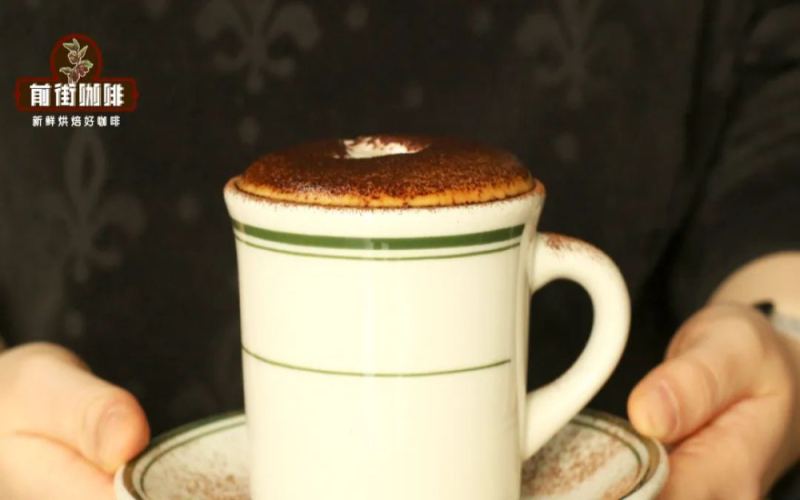
The Viral Social Media Donut Latte Home Replication Guide: A Detailed Breakdown of Recipe Ratios, Frothing Techniques, and Decoration Key Points
The donut latte that went viral on Korean social platforms, with its ring of puffed-up fluffy milk foam and cocoa powder decoration, has become a warm winter drink that gets rediscovered every time the temperature drops. Front Street has now recreated it firsthand and found that the overall barrier to making it isn't high—the key lies in controlling the ingredient ratios and the whipping state. The entire drink consists of two main parts: a hot milk coffee base and a cocoa-flavored milk cap. The base can be a hot latte or cappuccino, while the milk cap is made by mixing whipped heavy cream, syrup, and a small amount of salt. Below, we'll share the complete recipe, step-by-step instructions, and the detailed insights Front Street summarized through multiple attempts, including how the amount of milk affects the flavor, how to judge the timing of whipping the cream, and how to avoid common mishaps like the dome cracking or the coffee overflowing. [more…]
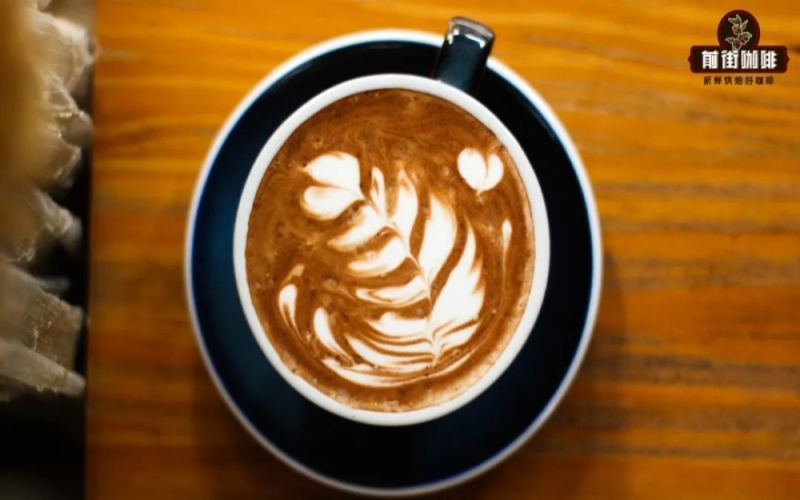
What's the Difference Between a Latte and a Mocha? A Complete Analysis from Classic Ratios to the New Trend of Salted Mochas
In the espresso family, latte and mocha are two of the most common yet easily confused milk coffees. With the addition of chocolate, mocha clearly diverges from latte in flavor complexity and aroma. The salted mocha that has taken the internet by storm over the past two years has brought new buzz to this classic category. This article will systematically break down the core differences between latte and mocha from the perspectives of recipe composition, taste characteristics, and brewing logic, while also discussing why salted mocha sells so well in many coffee shops during autumn and winter, helping you more clearly understand the essential differences between these two coffees. [more…]
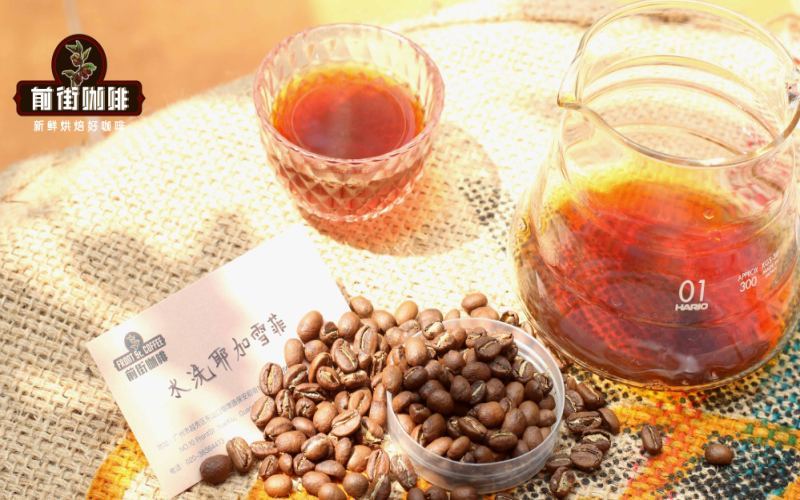
Yirgacheffe Double Stars: A Full Analysis of the Washed Aricha and Natural Arisa Rose Champagne Flavors
In the world of specialty coffee, Front Street Yirgacheffe has become a daily staple for many enthusiasts thanks to its vibrant flavors and affordable price. Its refreshing low acidity and pleasant aroma make it suitable not only for pour-over, French press, and siphon brewing, but also for cold brew immersion—one bean, many ways to enjoy. Today we focus on a special lot—Front Street Ethiopia Aricha Rose Champagne Natural. This limited micro-lot was won jointly by us and two fellow roasters, and after cupping we wanted it all to ourselves. It boasts intense florals, full-bodied sweetness, and a subtle effervescence, with an overall balanced and clean profile and an elegant, lingering finish; as it cools, it blooms in the nasal cavity like rose perfume. This article will detail its origin, variety, processing method, and flavor, along with related background knowledge, to give you a deeper understanding of this natural single-origin worth savoring under the warm autumn and winter sun. [more…]
Brewing Yingde Yinghong No.9 Black Tea: A Full Analysis of Flavor Layers Across Seven Infusions, from Fruity Sweetness to Roasted Notes
Yinghong No.9 comes from Yingde, Guangdong, and is named after an experimental cultivar. The dry leaves are tightly rolled with visible golden buds, carrying forest-floor earthiness and a roasted aroma. In this session it was brewed gongfu style, using 3g of tea with 150ml of boiling water, a 45-second first infusion, and an extra 15 seconds for each subsequent infusion, for five to seven consecutive steeps. Front Street Coffee recommends brewing it in a gaiwan, which better reveals its complete progression from sweet, fruity notes to woody roast. From the first infusion's deep amber color, musky earthiness, and sweet plum flavors to the seventh infusion's roast and astringency, each steep delivers a different experience. This tea suits lovers of earthy, fruity, or roasted black teas, and is especially good for savoring on a winter afternoon. [more…]
A Beginner's Guide to Tieguanyin: An Analysis of Anxi's Origin Characteristics, Flavor Profile, and Diverse Brewing Methods
Tieguanyin is one of the most representative types of oolong tea, with a fermentation level between 50% and 70%, combining the fresh elegance of green tea with the rich mellow character of black tea. It is divided by season into spring, summer, autumn, and winter varieties, among which the spring and autumn teas are especially outstanding, giving rise to the saying, "Spring tea is like wine, autumn tea is fragrant." Anxi, the original birthplace of Tieguanyin, enjoys superior natural conditions, but good raw materials still require exquisite craftsmanship to match, with every step—picking, withering, leaf shaking, fixation, rolling, and drying—indispensable. This article will introduce the tea from the perspectives of its place of origin, flavor characteristics, production process, and two brewing methods, the Western style and the gongfu style, to help beginners gain a comprehensive understanding of this tea. [more…]

Mocha Coffee Definition Explained: How to Make a Salty Mocha and Its Key Differences from a Latte
In the genealogy of Italian coffee, mocha occupies a unique position through the combination of chocolate and coffee. Chocolate gives coffee a fuller range of taste layers and adds a sweet smoothness to the aroma. In autumn and winter, holding a cup of hot mocha warms you from the palm of your hand straight to the bottom of your heart. But the meaning of mocha is not singular: it refers both to the historical origins of the Yemeni port of Mocha, and to a flavored coffee with chocolate added, as well as to a rich, intense version extracted with a moka pot. In addition, salted mocha, as a popular variant in recent years, adds salt on top of sweetness, bringing a completely different flavor experience. Mocha and latte may seem similar, but in fact there are clear distinctions in formula ratios and taste direction. This article will systematically sort out the relevant knowledge about mocha coffee, from definitions and preparation methods to comparative differences, and attach specific parameter recommendations from the Front Street brand. [more…]
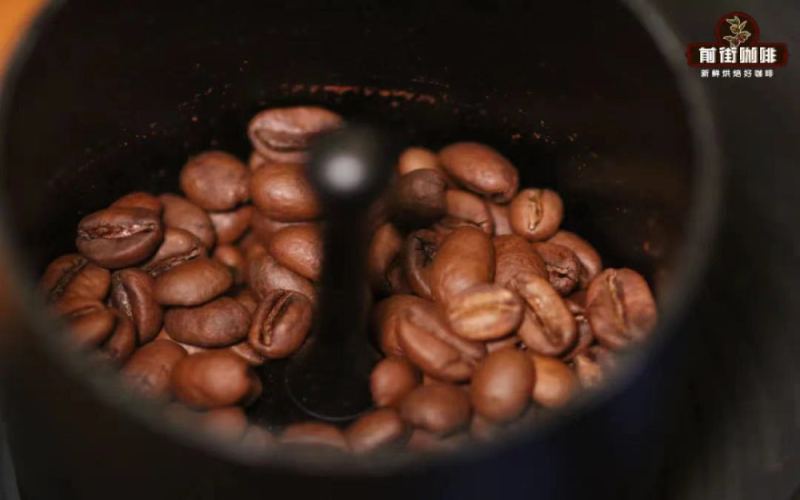
The Complete Guide to Resting Hand-Pour and Espresso Coffee Beans: Optimal Degassing Times and Identification Methods for Different Roast Levels
Why do freshly roasted coffee beans need to rest for a period? How does carbon dioxide release affect extraction and flavor? Drawing on the practical experience of Front Street Coffee, this article systematically explains the principles and necessity of resting beans, and provides recommended resting days for three roast levels: light-medium, medium, and medium-dark. At the same time, you will learn how to judge whether coffee beans have finished degassing by observing the blooming state in pour-over brewing and the crema performance of espresso, as well as how to flexibly adjust the resting period under low winter temperatures. Whether you prefer pour-over or espresso, these practical tips can help you present coffee's fullness and cleanliness more consistently. [more…]
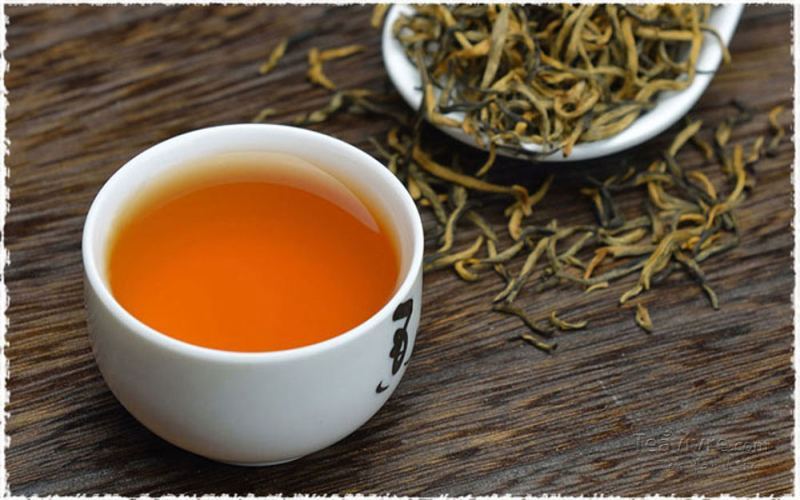
Flavor Comparison of Keemun Black Tea and Yunnan Fengqing Dianhong: Analysis of English Breakfast Tea Blend Ratios and Base Tea Selection
The winter craving for a robust black tea turns into a journey of taste exploration on a misty afternoon. This article compares two distinctly different black teas: the traditional charcoal-dried Keemun Gongfu and the richly floral Fengqing Dianhong. Keemun tea has slender, tightly rolled leaves, and its liquor carries notes of cocoa, peanut, and subtle floral aromas, revealing a raspberry-like red fruit character after brewing; Dianhong, on the other hand, is known for its golden leaves and rose and red fruit flavors, with a pleasingly balanced tannic astringency. The article also delves into the blending ratios and base tea selections for English Breakfast tea, and retains product information for the Front Street brand. Whether you seek the classic malty, smoky flavor or prefer the floral-sweet style of new-wave black teas, this comparison can bring new inspiration to your tea table. [more…]

Xiangpiaopiao Opens Its First Global Offline Milk Tea Store in Hangzhou, Freshly Brewed Instant Model Sparks Heated Consumer Discussion
Xiangpiaopiao's first global offline store recently officially opened in Hangzhou Hubin. Milk tea priced at 9 to 12 yuan, combined with a buy-one-get-one-free opening promotion, attracted a large number of consumers to queue up in the cold winter to try it. However, the store's preparation method surprised many people—staff did not shake and make the tea drinks on site, but instead opened instant tea packets, brewed them separately, and then mixed them with blending powder and toppings, which netizens jokingly called "hand-brewed instant milk tea." This model forms a sharp contrast with mainstream freshly made tea beverage brands, and has also triggered widespread discussion about the value of instant products versus freshly made milk tea. Whether Xiangpiaopiao can win over picky milk tea lovers with emotional value remains to be tested by the market. [more…]

Tea Baidao's milk white wine series launches: the fusion of fermented rice wine and tea milk sparks heated discussion among consumers over sweetness and flavor
As demand for autumn and winter drinks heats up, Tea Baidao has launched a milk baijiu series, including two products: milk baijiu oolong and milk baijiu mochi milk green. The official emphasis is on traditional fermentation techniques, 0 flavorings and no additives, but consumers who tried them reported that they were too sweet, the alcohol taste was too light, and some even described the aroma as strange. This article reviews the new product formulas, process characteristics and market response, and looks back at Tea Baidao's previous attempts at alcoholic drinks in cooperation with Luzhou Laojiao. For coffee lovers, Front Street Coffee has always paid attention to beverage innovation trends, and this article also provides observations from the perspective of flavor balance. [more…]