







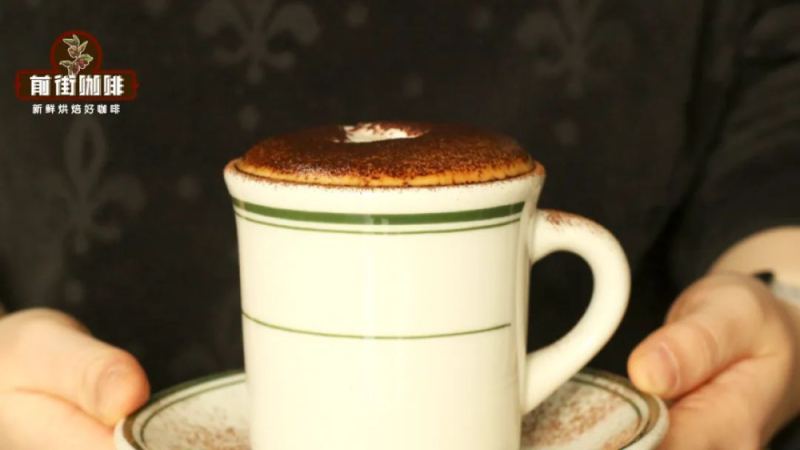
How Do I Froth Milk for a Latte Like the Viral Donut Version?
The viral donut latte has two parts: a hot milk coffee base and a cocoa-flavored milk cap. The base can be a hot latte or cappuccino, or coffee brewed in a moka pot if the concentration is strong enough. The cap comes from whipping heavy cream with syrup and a small amount of salt until it puffs up.
Ratios are flexible because the base is any hot milk coffee, but the whipping stage matters most: the cream must hold a soft, airy structure so the dome does not crack and the coffee does not overflow. Cocoa powder is dusted on top, and the sunken white center forms naturally when the cream is poured in.
The Dalgona latte that went viral on Korean social platforms, with its ring of puffed-up fluffy milk foam and cocoa powder decoration, has become a warm winter drink that gets rediscovered every time the temperature drops. Front Street has personally recreated it this time and found that the overall difficulty level is not high—the key lies in controlling the ingredient ratios and whipping consistency. The entire drink consists of two main parts: a hot milk coffee base and a cocoa-flavored milk cap. The base can be a hot latte or cappuccino, while the milk cap is made by mixing whipped heavy cream, syrup, and a small amount of salt. Below, we'll share the complete recipe, step-by-step instructions, and the detailed tips Front Street summarized through multiple attempts, including how milk quantity affects flavor, timing the cream whipping, and how to avoid common failures like the dome cracking or coffee overflowing.
About two years ago in winter, a "Dalgona latte" originating from Korea quickly went viral online, attracting many coffee lovers with its striking appearance and ambiance, and subsequently spawning many upgraded versions.
Since then, whenever the temperature drops, this milk coffee dubbed the "warm winter special" gets rediscovered and becomes active again on social platforms.
Front Street recently came across a related tutorial while scrolling on the phone and, after studying it, found the process isn't complicated. Today, let's recreate a cup together and see if it actually tastes good!
Materials Preparation
From an overall structural perspective, this Dalgona latte can be broken down into two parts: hot milk coffee plus a cocoa-flavored milk cap.
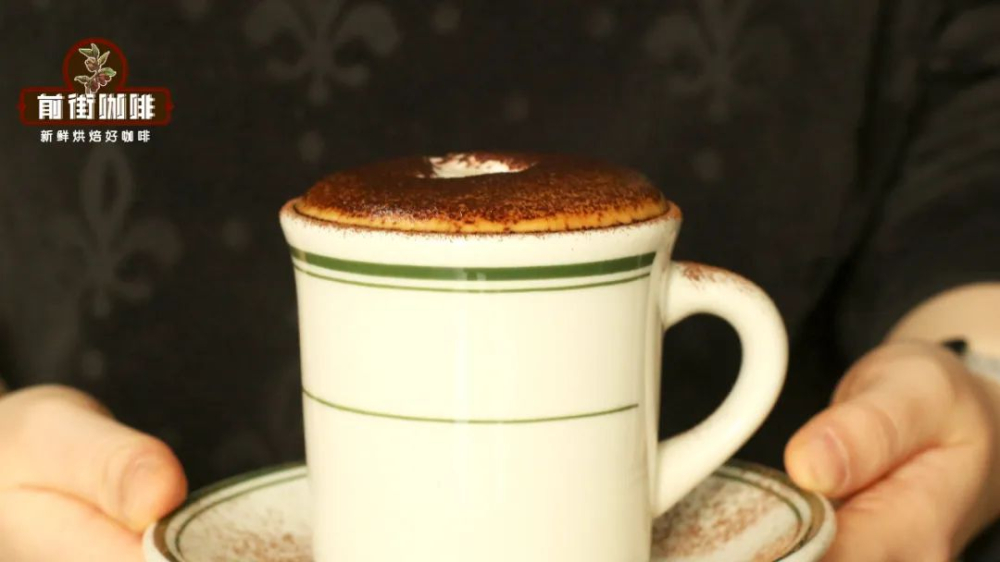
Since the bottom half of the drink can be any kind of hot milk coffee, there are no strict ratio restrictions. Those who usually prefer a balanced taste can make a large hot latte; if you prefer a more pronounced coffee flavor, you might refer to the cappuccino ratio. For the base, it's best to use espresso, or you can substitute with coffee brewed from a moka pot, as long as the concentration is sufficient.
The raised part on top that looks like a doughnut is actually the puffed-up foam after whipping, sprinkled with chocolate powder; the sunken white area in the middle is naturally formed when pouring in the heavy cream. Additionally, since heavy cream and milk contain no sugar themselves, drinking it directly can easily feel cloying, so you can add a bit of syrup and salt when whipping to balance it out. If you have flavored syrup and sea salt on hand, you can use those as substitutes.
Overall, to make this Dalgona latte, we need at least espresso, milk, heavy cream, salt (sea salt), syrup, chocolate powder (cocoa powder), as well as two auxiliary tools: a milk pitcher and a whisk.
Let's Start Making It
Step one: prepare a coffee cup with a capacity of about 200ml, then make a cappuccino.
Front Street is using the store's standard Sunflower·Warm Sun blend. Today's dialed-in parameters are 19.7g of grounds, extracting 38g of double espresso in 31 seconds. First, pour it into the cup. Then pour 130ml of fresh milk into the milk pitcher (the milk quantity needs to be appropriately reduced to leave room for the subsequent milk cap). Use the steam wand to create dense thick foam, keeping the temperature between 55–60°C, then blend evenly with the espresso until the cup is nine-tenths full. No latte art is needed.
Step two: gently sprinkle a layer of chocolate powder on the surface of the latte, spreading it as evenly as possible for a better visual effect.
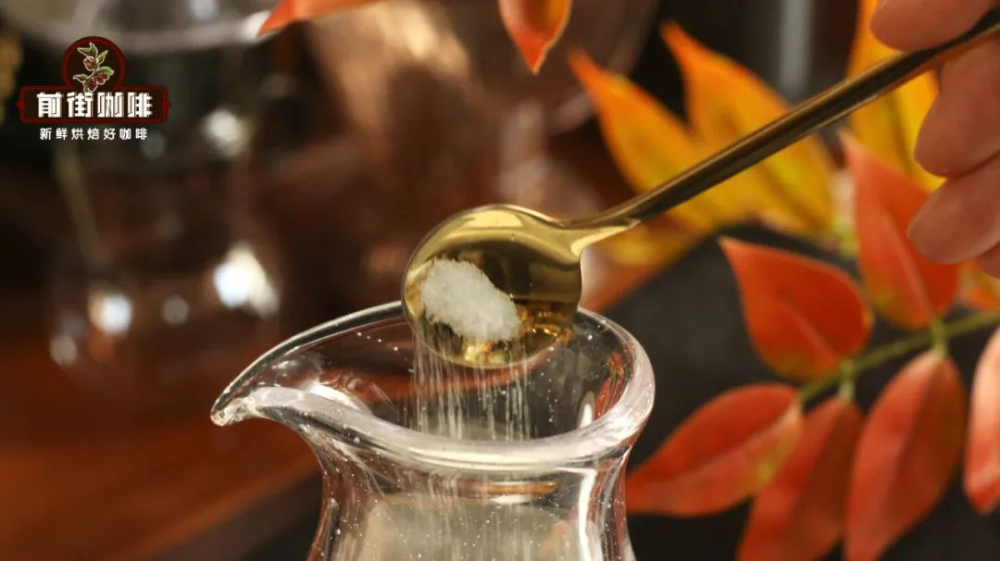
Step three: find a clean container and add 50g of heavy cream, 0.5g of salt, and 8g of syrup (those who don't like a salty taste can reduce the salt or skip it entirely).

Then whip it to a thick, yogurt-like consistency—Front Street used about 30 seconds. Remember, you must keep the cream in a pourable state, otherwise it will easily turn into a clump.
Step four: once the cream is whipped, quickly pour it into the center of the coffee. You'll see the foam around the edges slowly rise as the liquid is poured in, until the liquid surface is about 1cm above the cup rim—the doughnut shape has successfully appeared.
A Quick Taste
On the first sip, you can feel the sweet, fragrant oils on top and the dense thick foam, accompanied by a slightly salty chocolate aroma, followed by the vanilla and cocoa notes from the espresso; on the second sip, the proportion of sweet milk becomes noticeably greater, and you can feel the espresso, foam, and milk cap melting together in your mouth, with the coffee layers becoming more distinct. (PS: When tasting this Dalgona latte, the cocoa powder tends to stick to your teeth and lips, so remember to wipe your mouth after drinking, otherwise
)
Small Operational Details
1. To ensure the final product maintains both its photogenic appearance and a rich coffee flavor, Front Street tried three different milk ratios (130ml, 150ml, 180ml) and found that the less milk used, the more intense the coffee flavor in the "Dalgona latte," and the richer the mouthfeel from the salty milk cap. So you can decide the milk quantity based on your own taste preferences, and choose the coffee cup size accordingly.
2. Since heavy cream has the best fluidity right after whipping, it should be left as the last step—don't whip it in advance, otherwise it will separate into foam and liquid from sitting too long. When poured into the foam, it can easily pierce through the surface and create an irregular landing point, making the "doughnut" not round.
3. In terms of steps, this Dalgona latte isn't complicated, but on the first attempt, it's easy to misjudge the cup capacity and cause coffee to overflow from the rim. After multiple attempts, Front Street found that using a coffee cup with thick walls helps the edges better support the foam and prevent overflow, resulting in a higher success rate.
Finally, when "building the dome," be careful not to get greedy and pile it too high, because once the foam layer is stretched too far, it can easily be burst by the milk liquid, resulting in the messy outcome of spilling everywhere. To be safe, Front Street recommends keeping the dome height at around 1cm, and preferably not exceeding 1.5cm above the cup rim.
- END -
The above content is compiled by CoffeeHunters, a coffee news website.


